Sustainability
We shape buildings through a rigorous process of environmental analysis, material, use and long-term thinking. From energy use and comfort to circularity, biophilic design and low-impact material choices, our work helps clients create places that perform better, remain relevant longer and support healthier ways of living and working.
Approach
Regenerative design is embedded from the outset. We use analysis, research and design intelligence to inform how buildings are developed, experienced and adapted over time. The result is architecture that reduces risk, supports wellbeing and delivers lasting value through better performance rather than broad claims.
Net Zero Operations
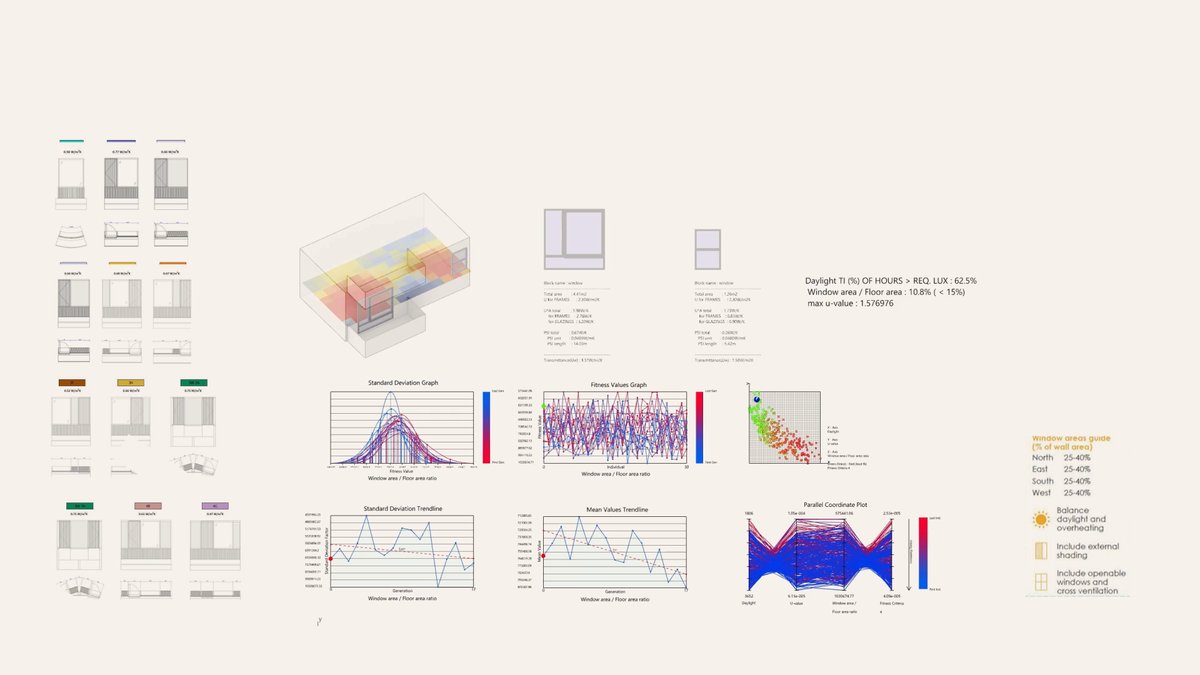
We use building physics to shape form, façade and environmental strategy from the earliest stages. By analysing daylight, solar gain, ventilation and comfort together, we create buildings that reduce operational demand, improve usability and respond more intelligently to climate and context.
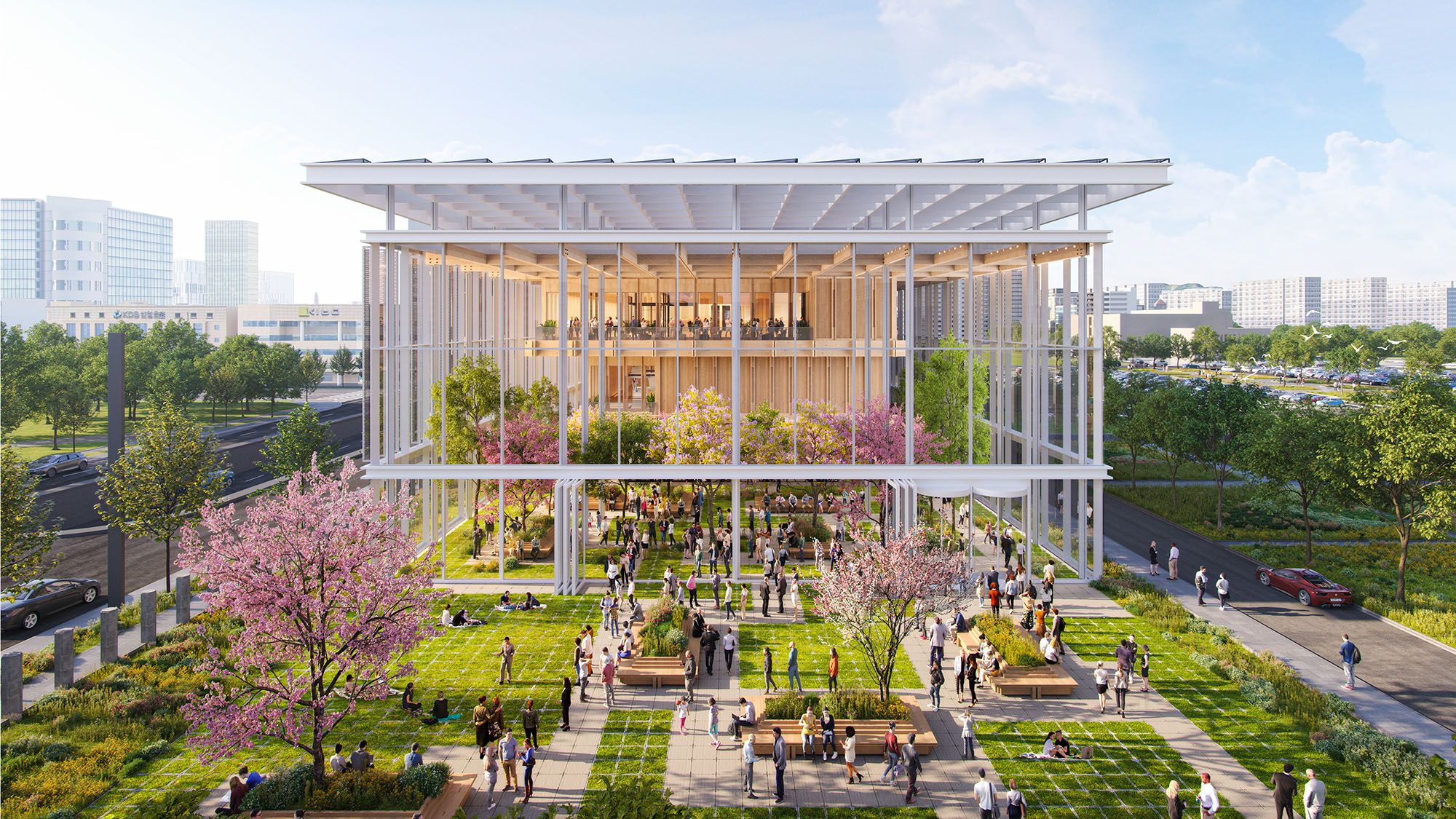
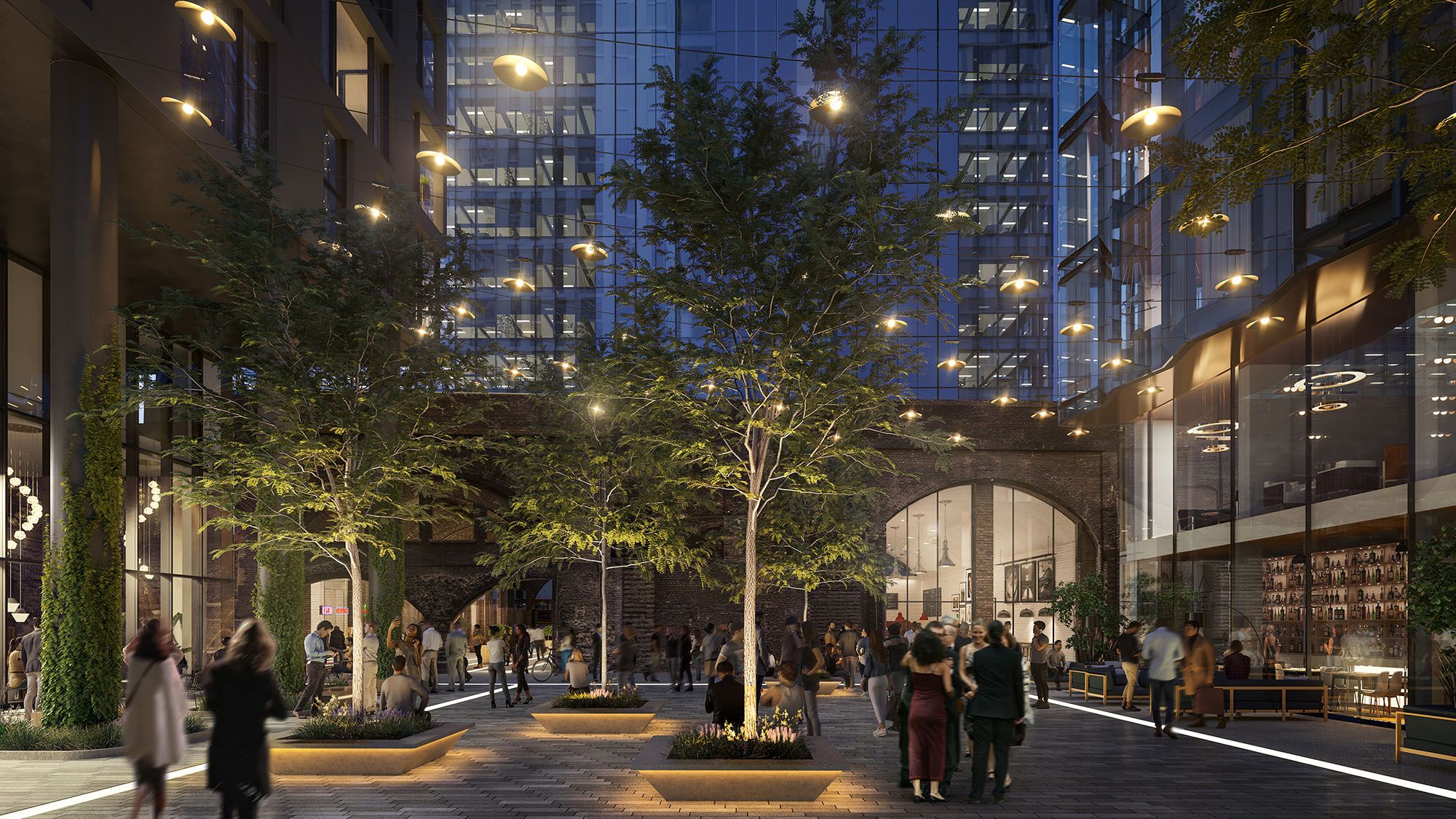
The National Meteorological Center is Korea’s first net-zero government building, combining advanced environmental performance, low-carbon materials and intelligent energy systems within a new model for civic architecture.
Circularity & Reuse
We look for opportunities to retain, adapt and reuse before replacing. Through careful assessment of existing structures, embodied carbon and future flexibility, we help extend building life, reduce waste and create schemes that remain commercially and environmentally relevant over time.
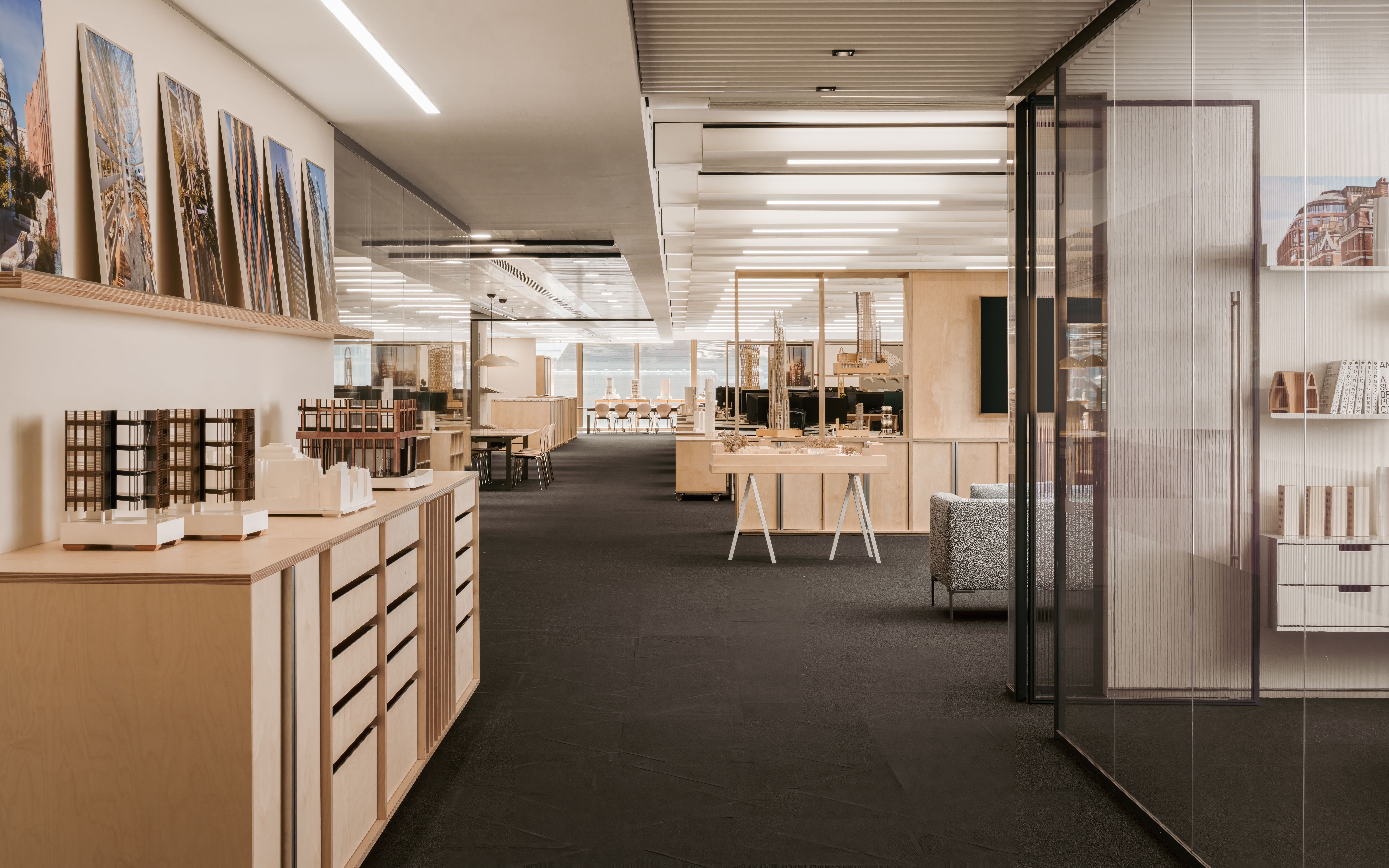
PLP Architecture’s new London studio is a working model for circular design, where 92% of materials are reused or donated and a further 7% recycled, diverting 175.78 tonnes of CO₂ from landfill.

Our industry must step up to reduce its environmental impact. Created to illustrate the issues that PLP Architecture and PLP Labs are pushing to tackle, this film explores the fundamental issues behind why we must create circular economies and cities. Watch here.
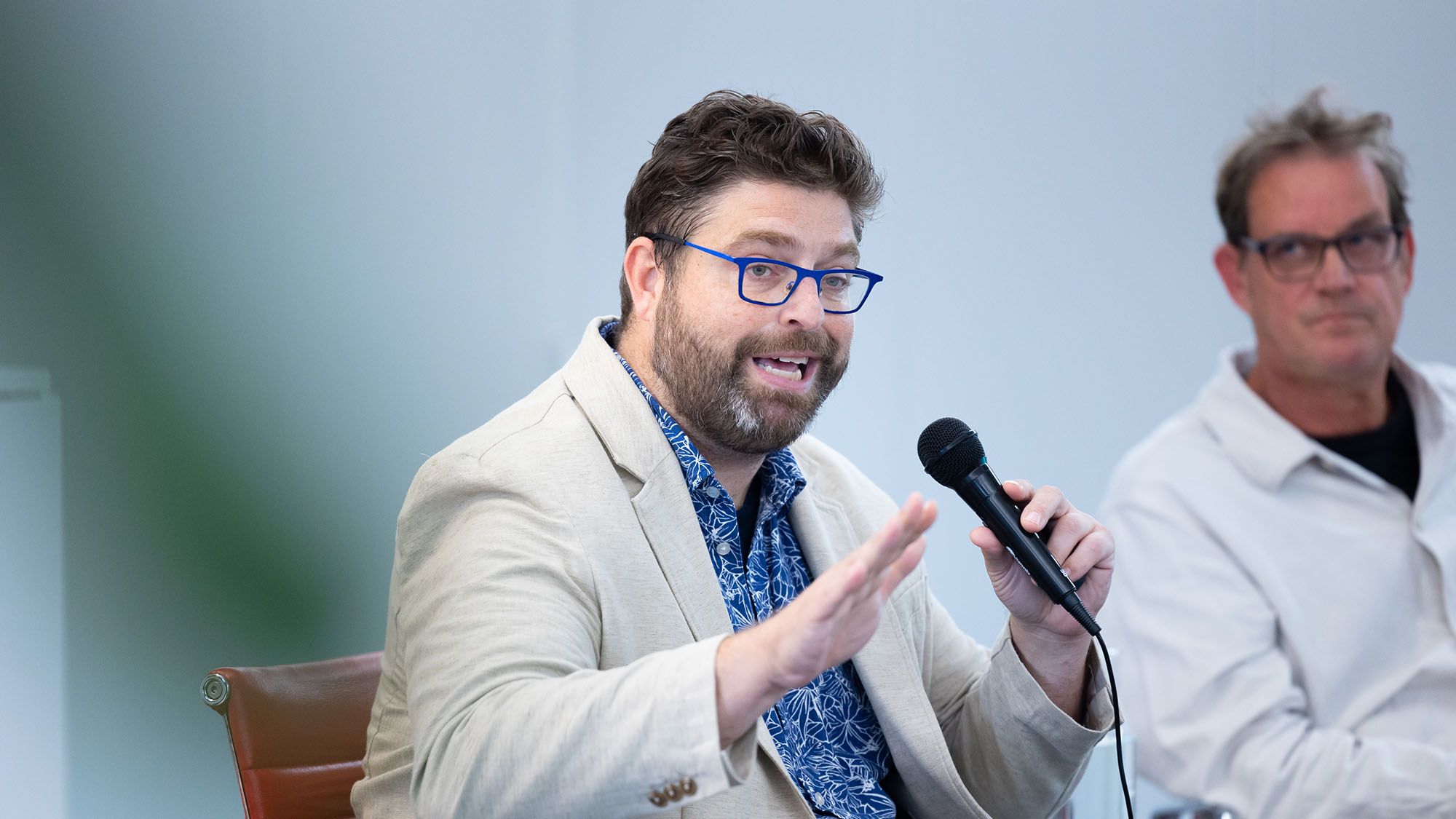
PLP Architecture hosted a panel discussion held at our London studio that explored the role that circular design principles need to play in the built environment.
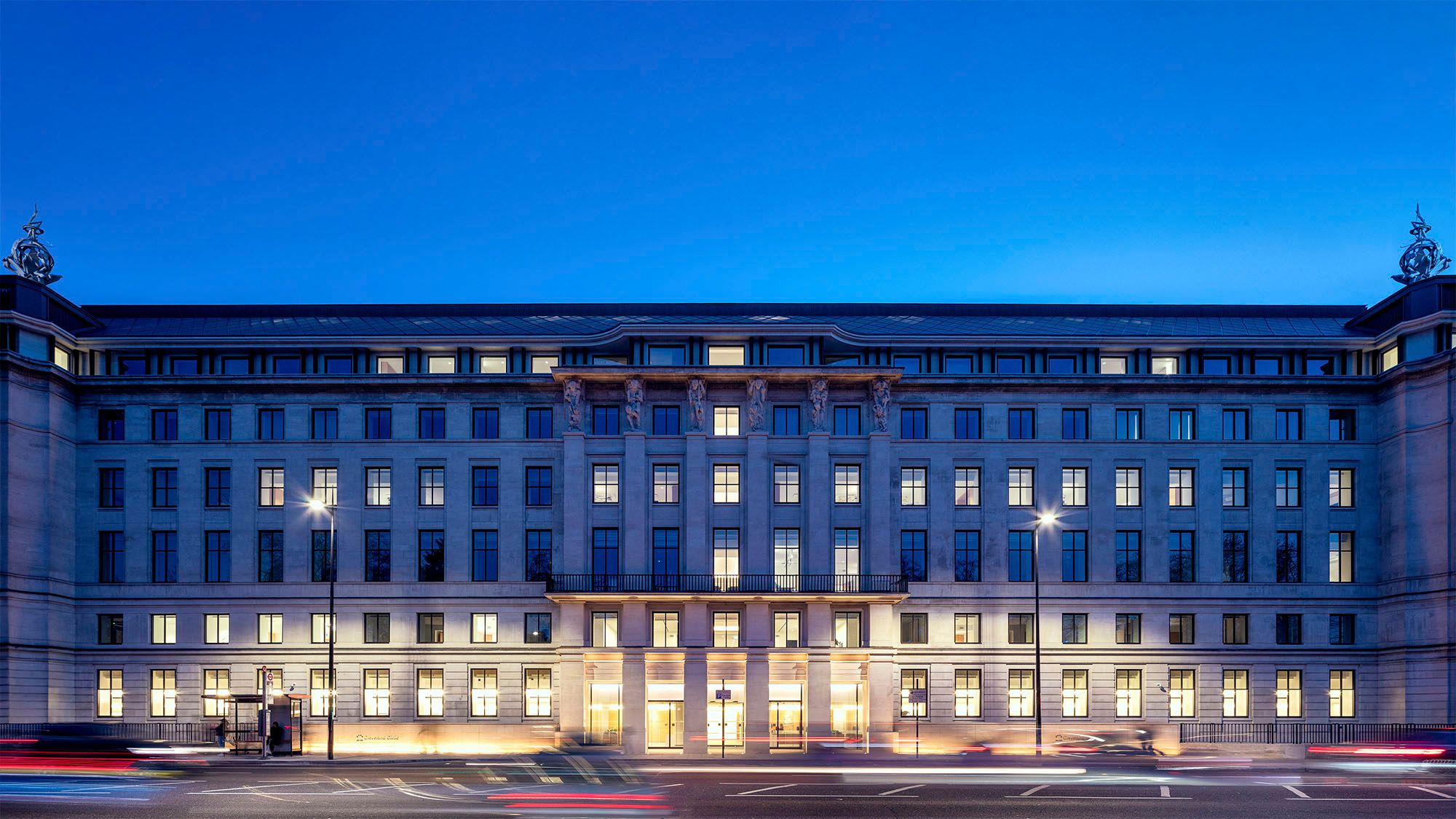
An adaptive reuse healthcare project in London transforming a former office building into Cleveland Clinic’s first European hospital.
Material Innovation
Material choices are assessed for performance, longevity and impact. We explore how emerging materials, low-carbon alternatives and fabrication methods can strengthen design outcomes, while also working carefully with established materials to improve durability, adaptability and long-term value.
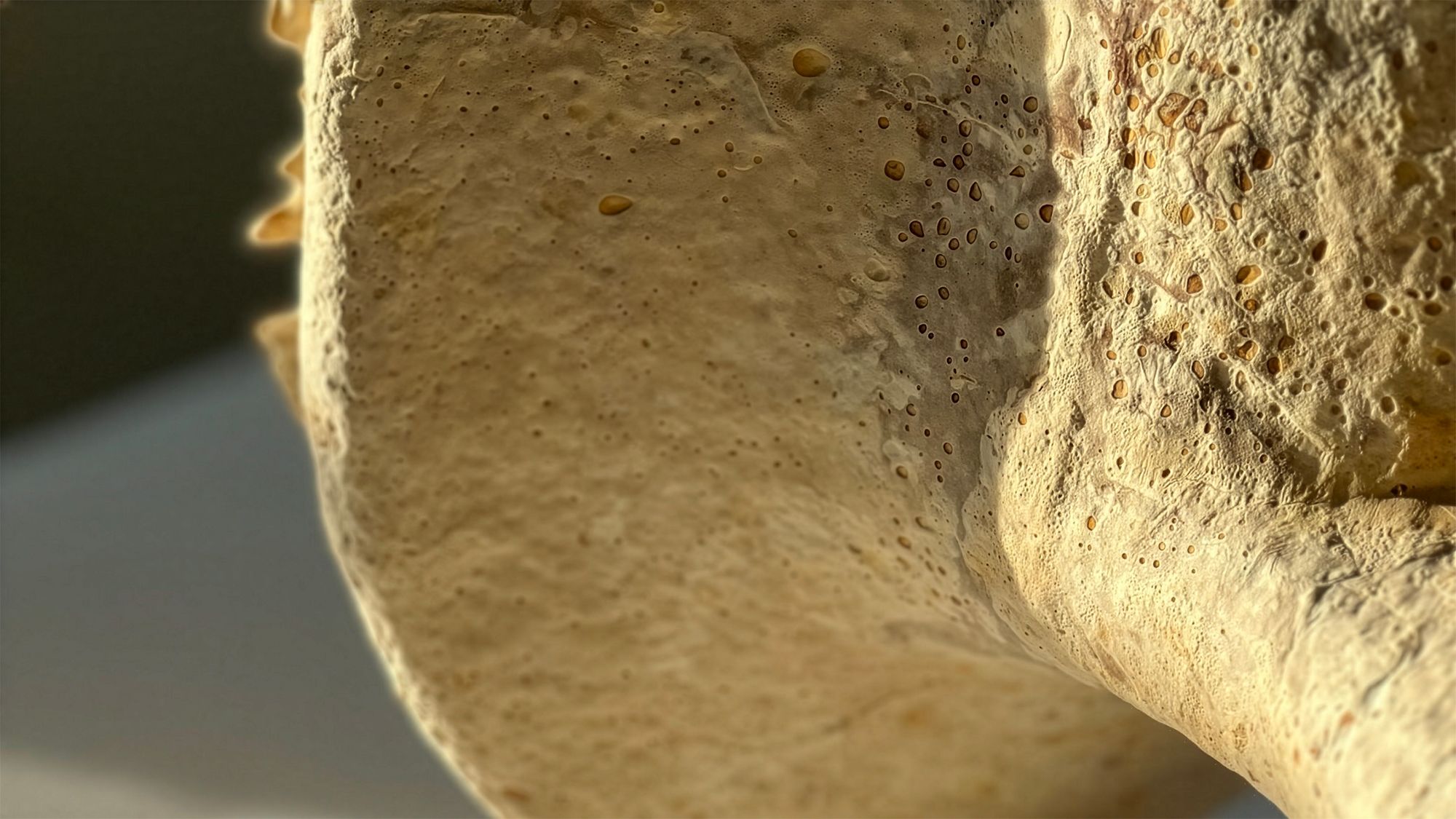
We spent the last three years experimenting with mycelium bio-composites. In the process, we leaned into the symbiotic potential between architectural practice and nature.

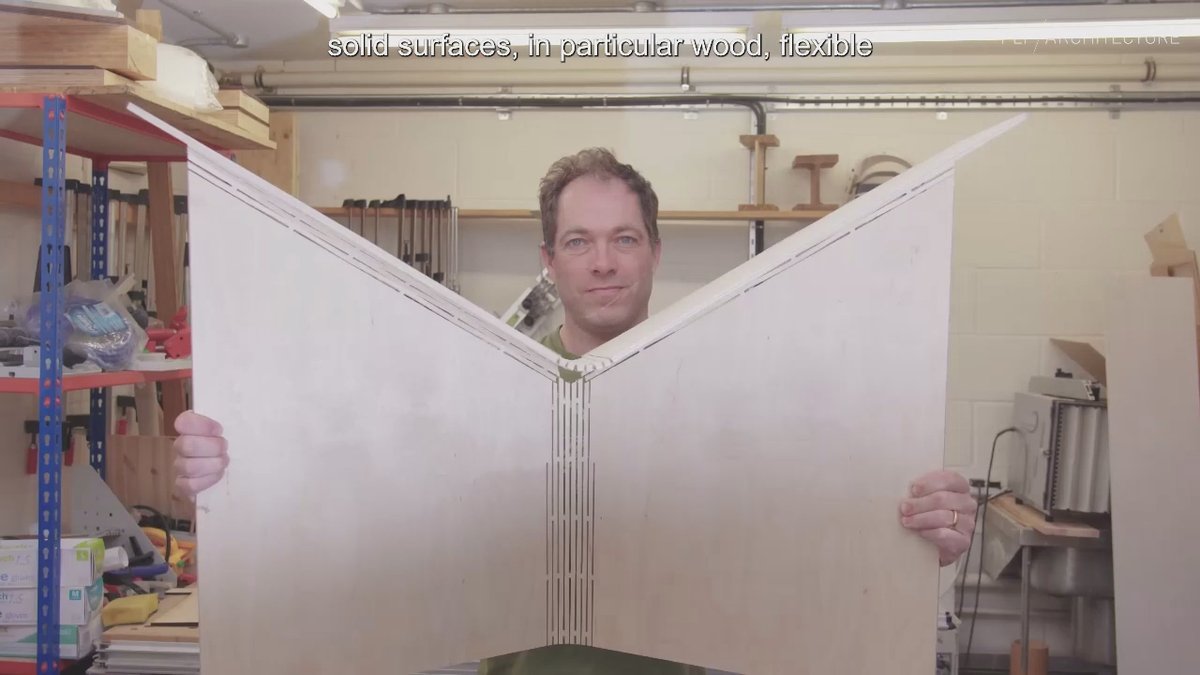
Unfolding (2021) and Ephemeral (2023) showcase how engineered timber partitions that are flexible and movable can replace walls.
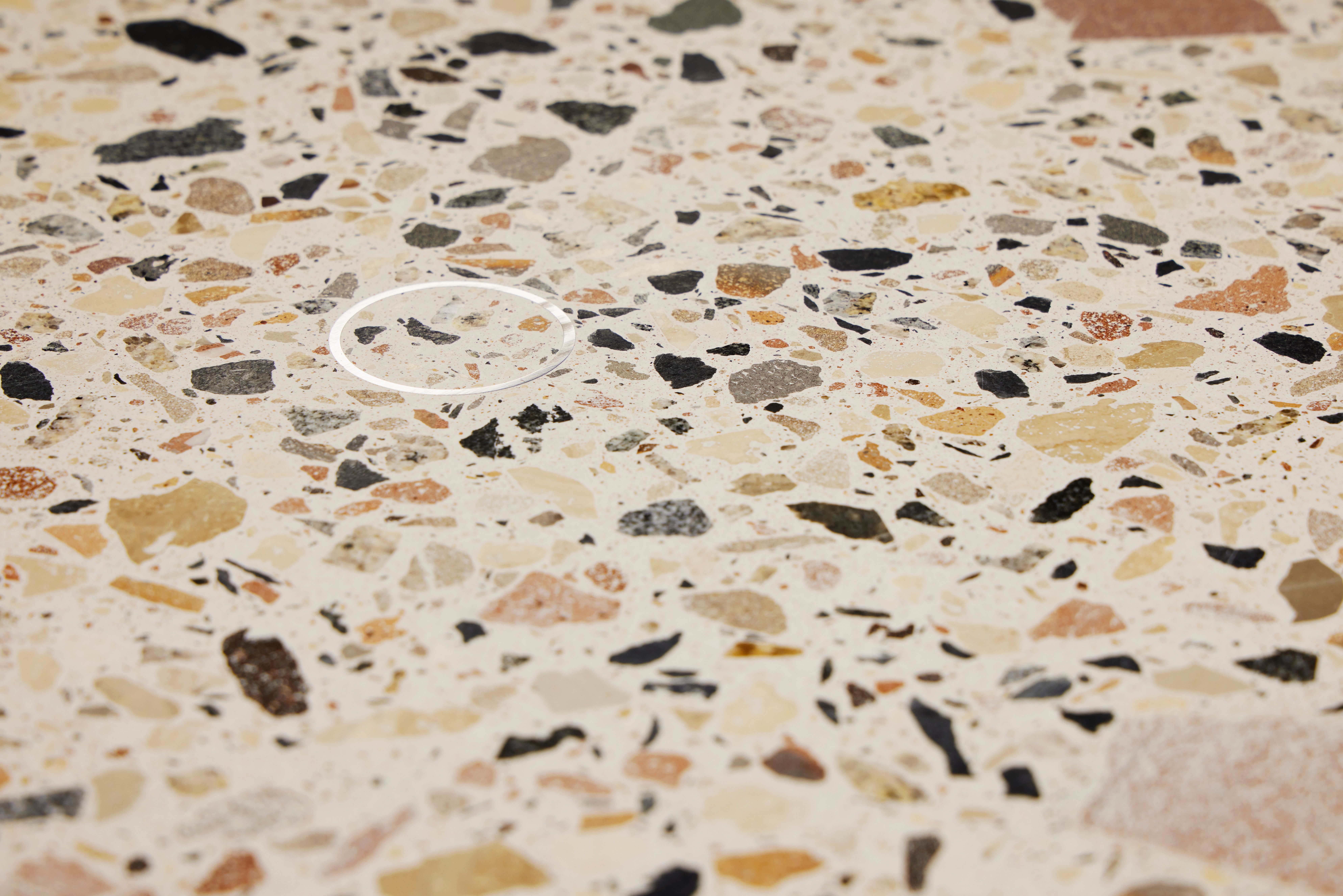
PLP Architecture’s new London studio is a working model for circular design, where 92% of materials are reused or donated and a further 7% recycled, diverting 175.78 tonnes of CO₂ from landfill.
Biophilia & Wellbeing
We use biophilic design to strengthen wellbeing, comfort and connection to place. Through planting, daylight, air, materiality and spatial experience, we create environments that feel healthier and more restorative, while giving buildings a stronger relationship to climate, ecology and everyday use.
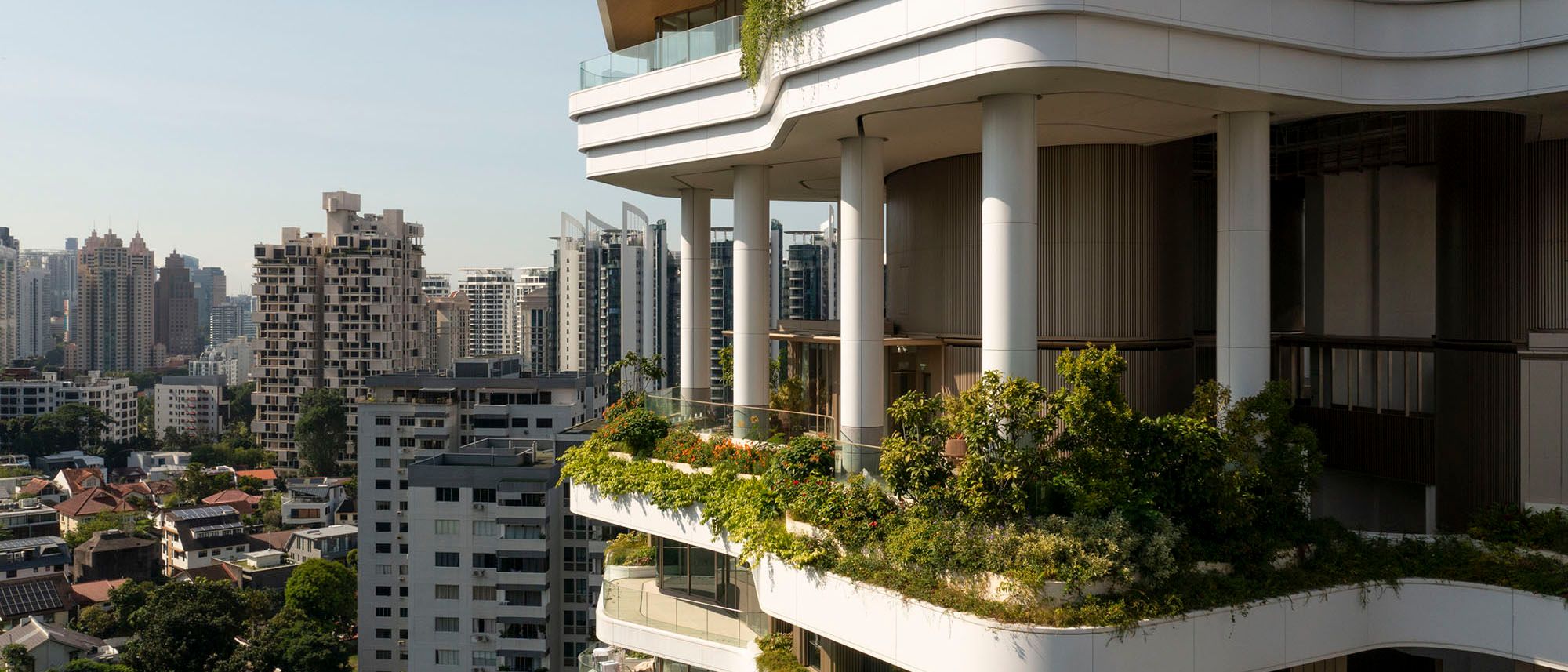
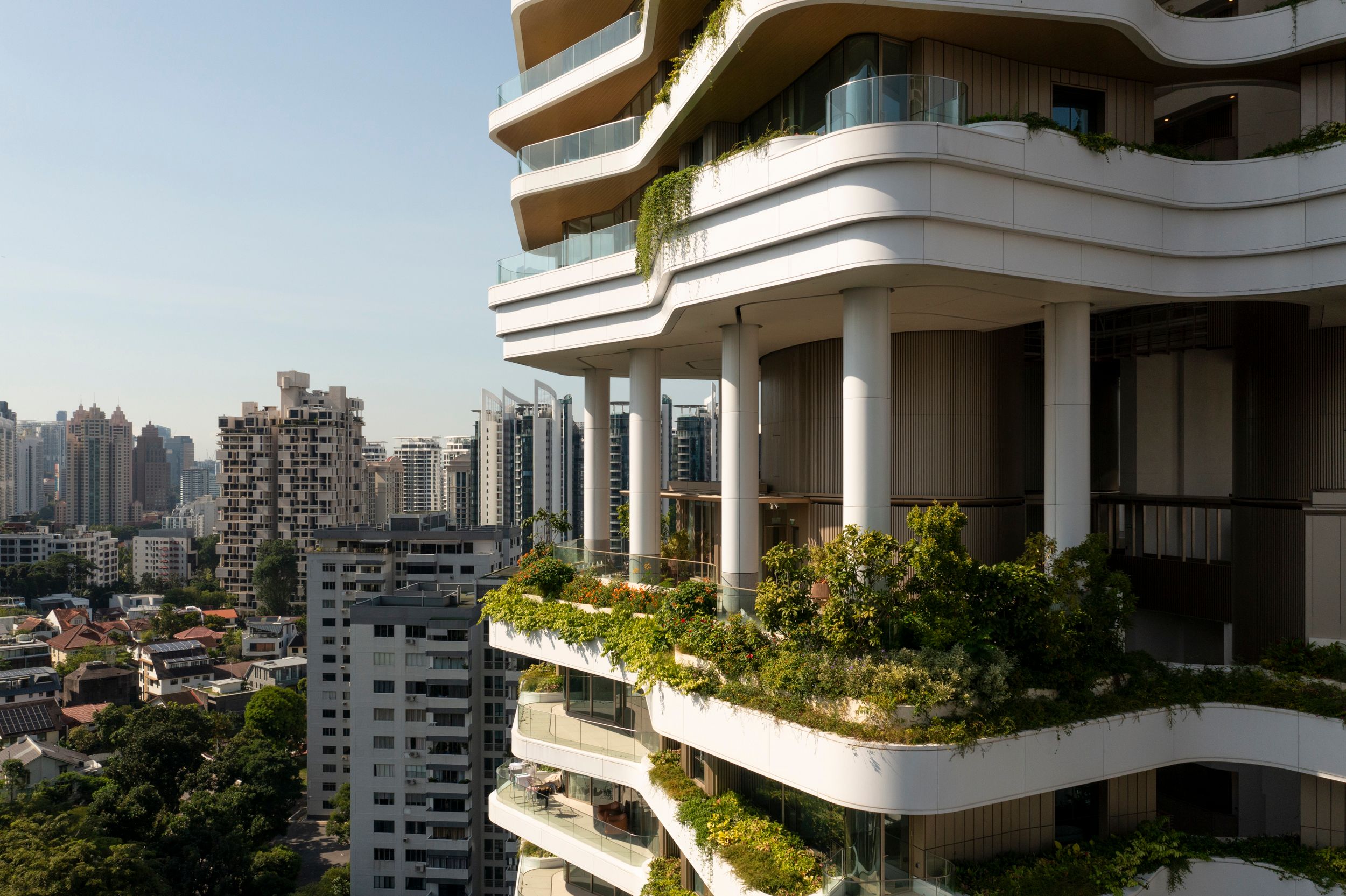
Park Nova is a sculptural luxury residential tower in Singapore that brings together biophilic design, expansive private living and a distinctive new form of tropical urban living.
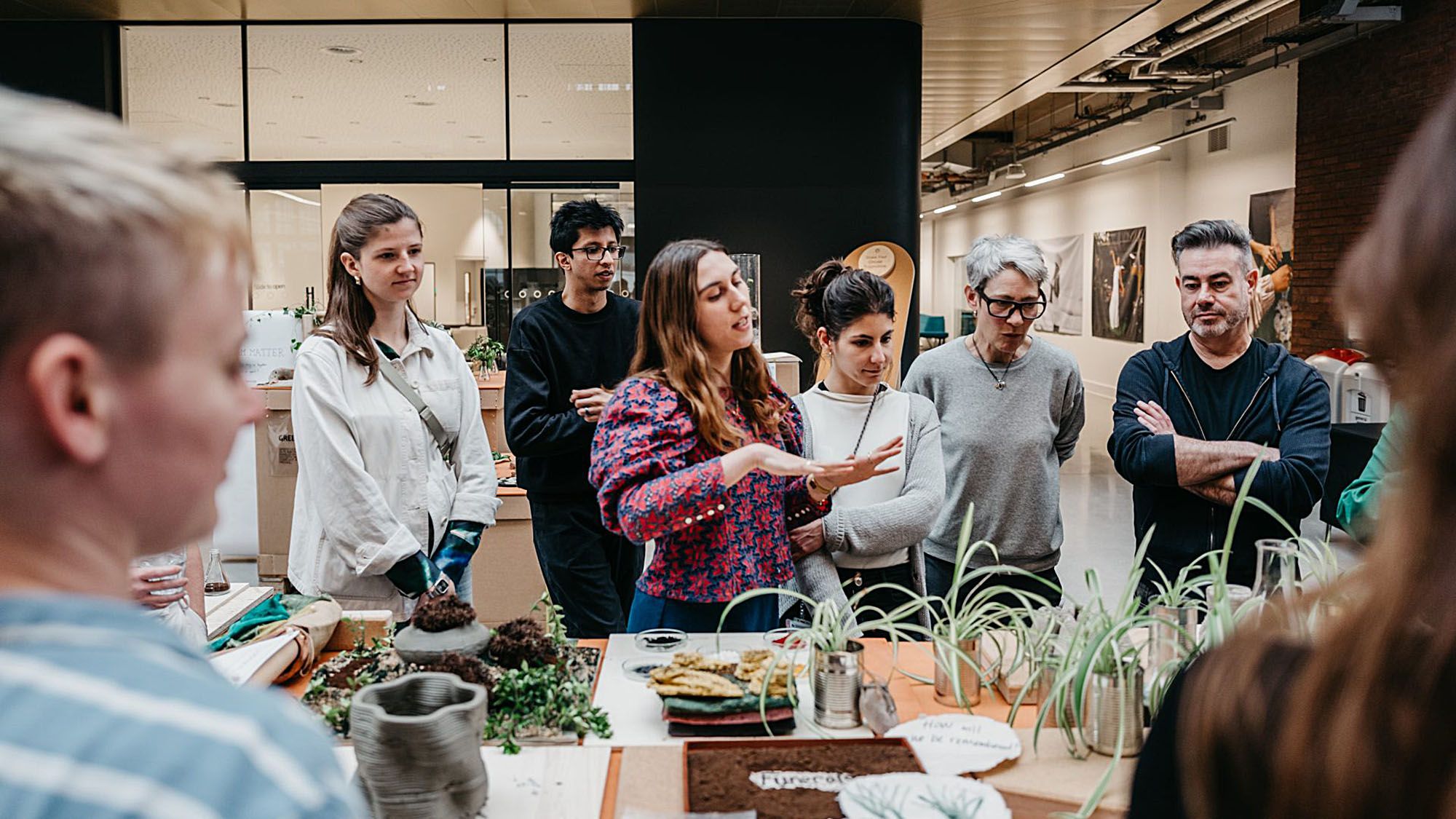
Savannah Willits, Team Lead at PLP Labs, has been interviewed by Stylepark magazine about the Labs’ research into neurodivergent design and the broader impact of inclusive thinking in architecture and workplace strategy.
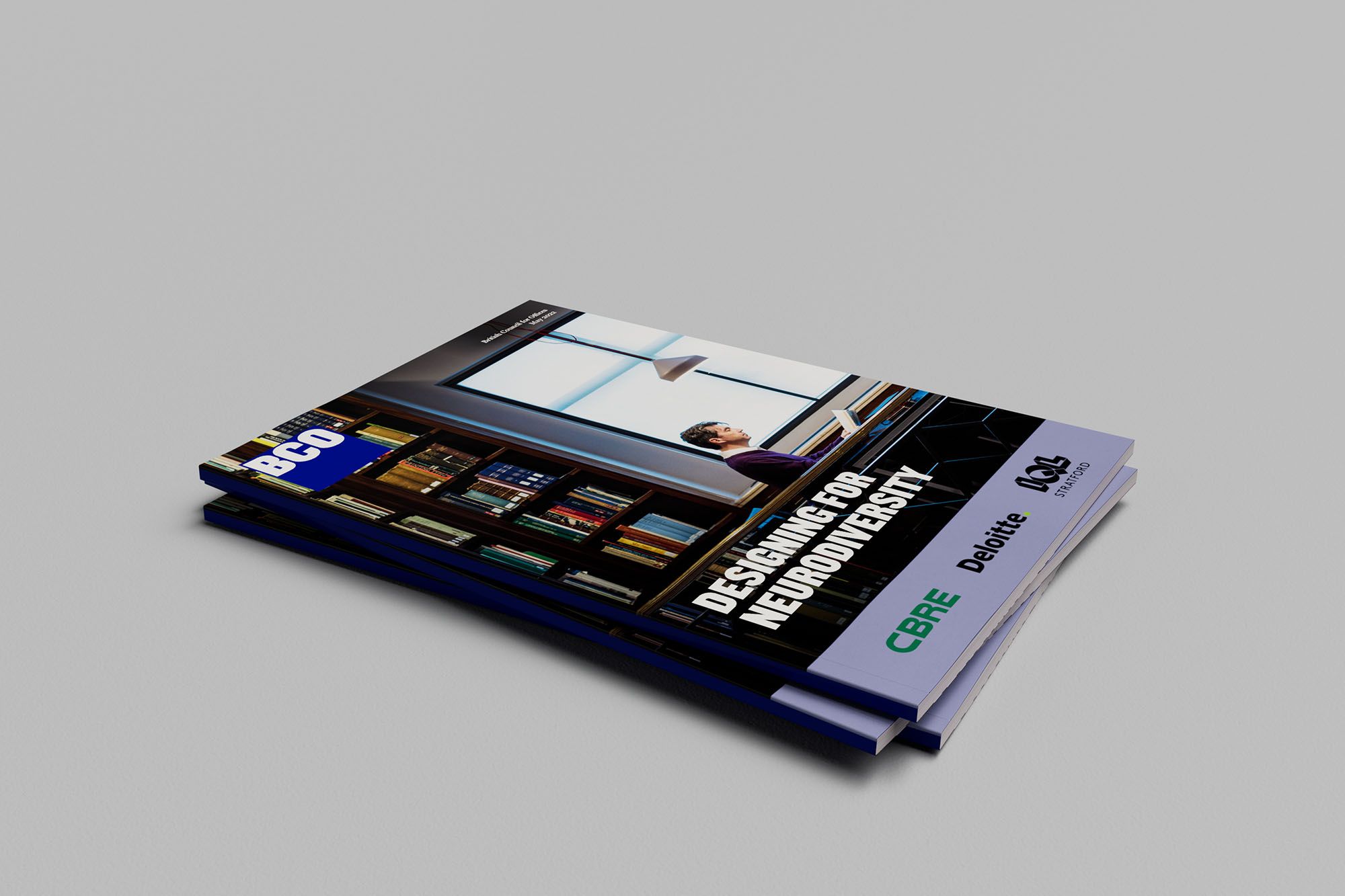
Designing for Neurodiversity by Centric Lab and PLP Labs for the British Council of Offices (BCO) studies how we can create enabling workplaces for neurodivergent people, given health and place is inextricably linked.

Reap What You Sow: Valuing Workplaces that Grow Good Ideas” makes a case for biophilic design as an investment, not a cost.