Designing with Mycelium
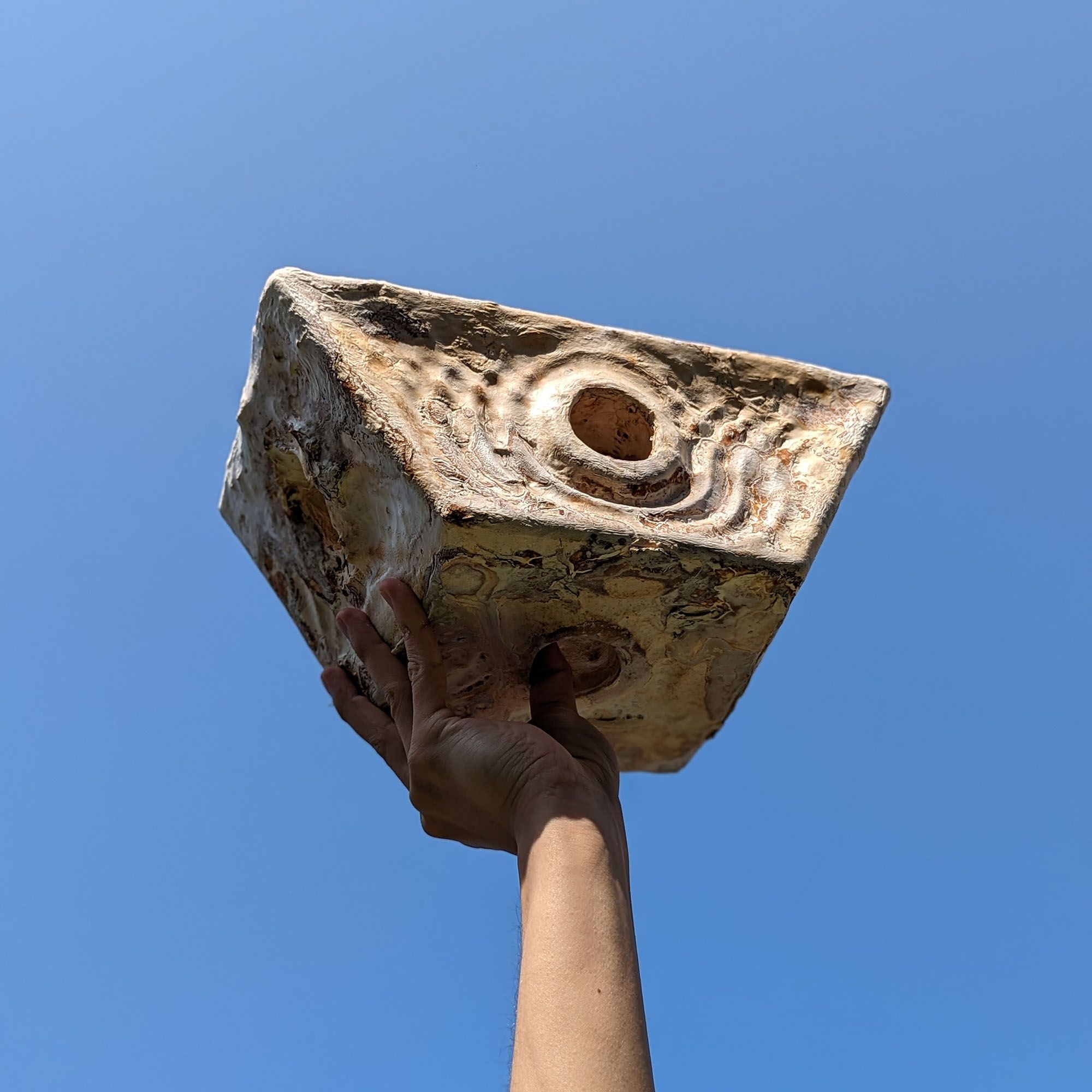
We spent three years experimenting with mycelium bio-composites. During this time, we converted a meeting room at our London headquarters into a makeshift lab to grow hundreds of mycelium samples. We cracked, crushed, and snapped three types of mycelium samples at an engineering lab. We became a node in the fungal network in London and beyond, by working in tandem with mushroom enthusiasts from local community groups to bio-oriented AI designers. We showcased a novel 3D printed wood and mycelium modular system at design festivals and conferences across the UK , including Clerkenwell Design Week (2023), London Design Festival (2023), and London Design Biennale (2023), Royal Botanic Garden Edinburgh's Fungi Forms exhibit (2024), Biofabricate (2025), Pathway Garden at RHS Chelsea Flower Show (2025). In the process, we leaned into the symbiotic potential between architectural practice and nature.
1. Introduction
What can we design + build with mycelium?
This work is framed within the proposed ‘Symbiocene’ that envisions a future beyond the Anthropocene. It signals a shift in our relationship with the environment from parasitic and extractive to symbiotic and collaborative.
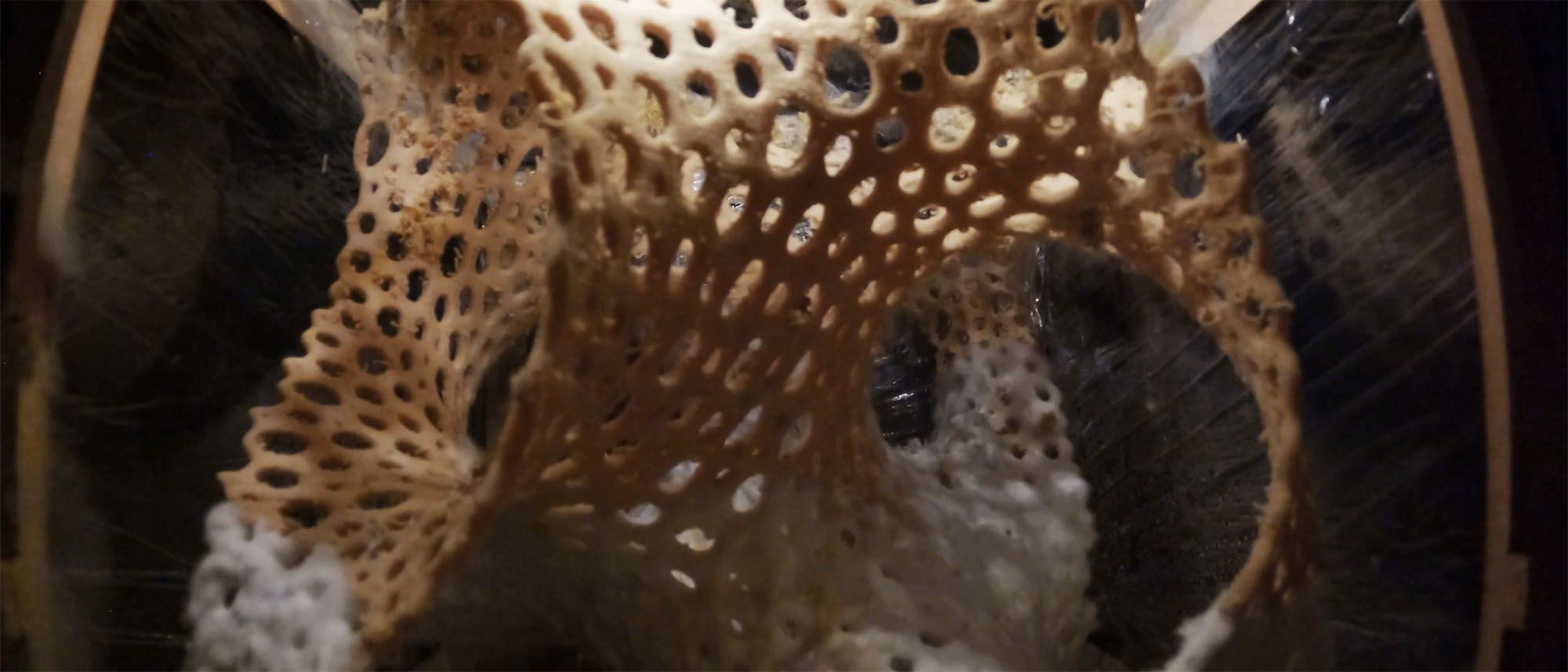
Mycelium is part of the fungi that grows underground or in a substrate. It is composed of a network of tiny thread-like strands called hyphae which interconnect to form a network, forming the body of the fungi. Mushrooms, truffles, or crusts bloom from this network, acting as the fruit or flower of fungi.
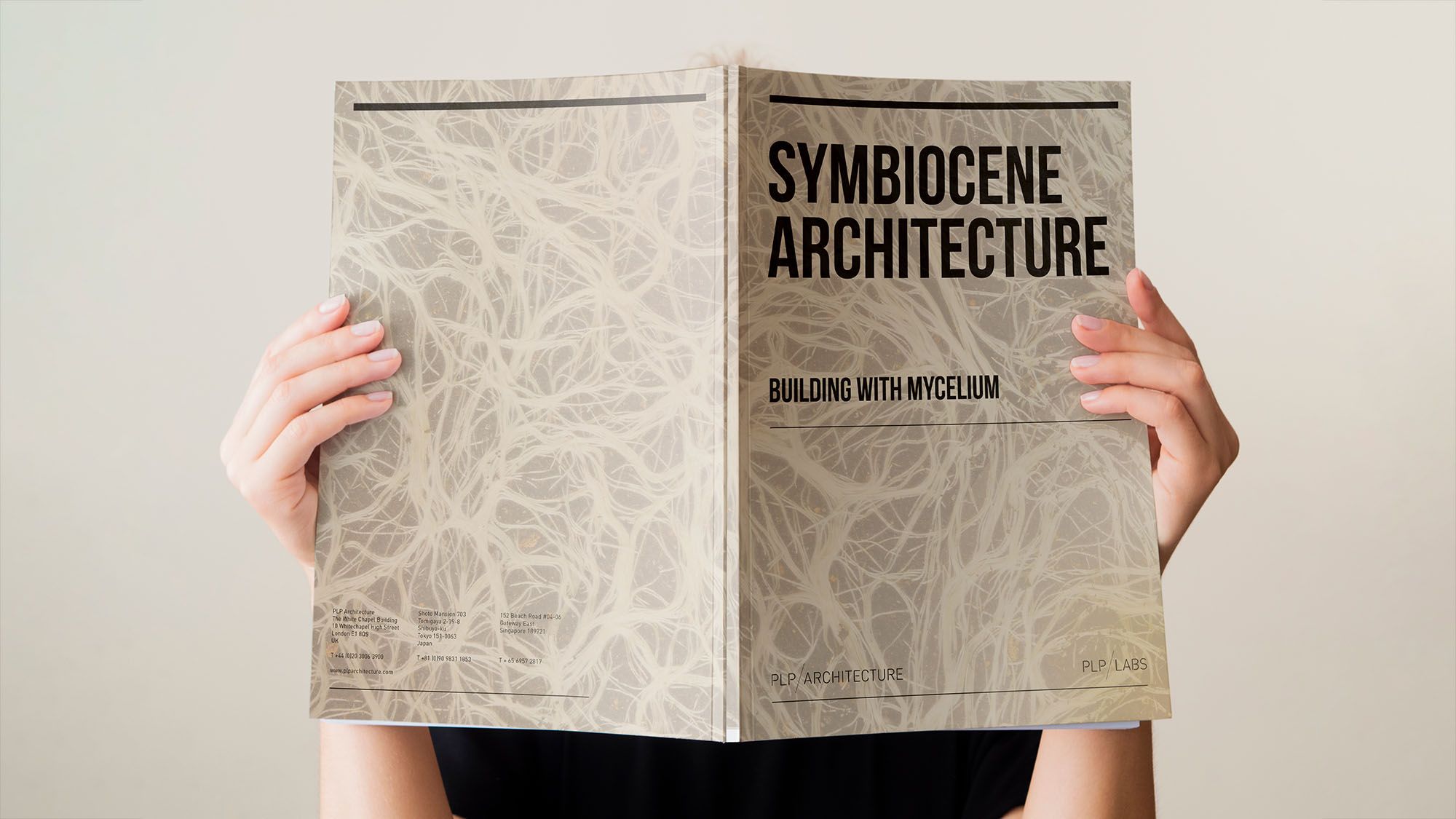
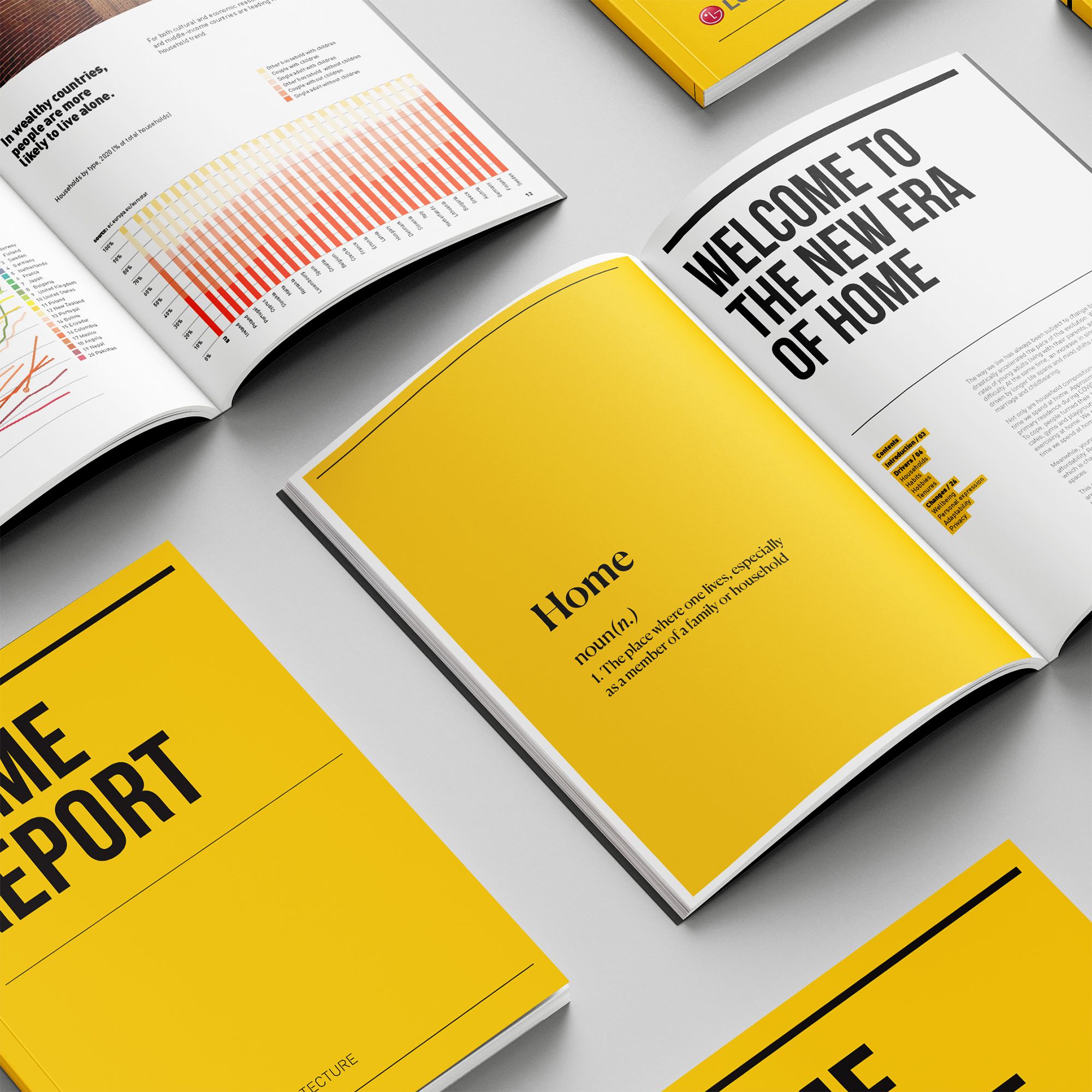
Symbiocene Architecture: Building with Mycelium is a publication by PLP Labs on our mycelium journey.
2. Experiments
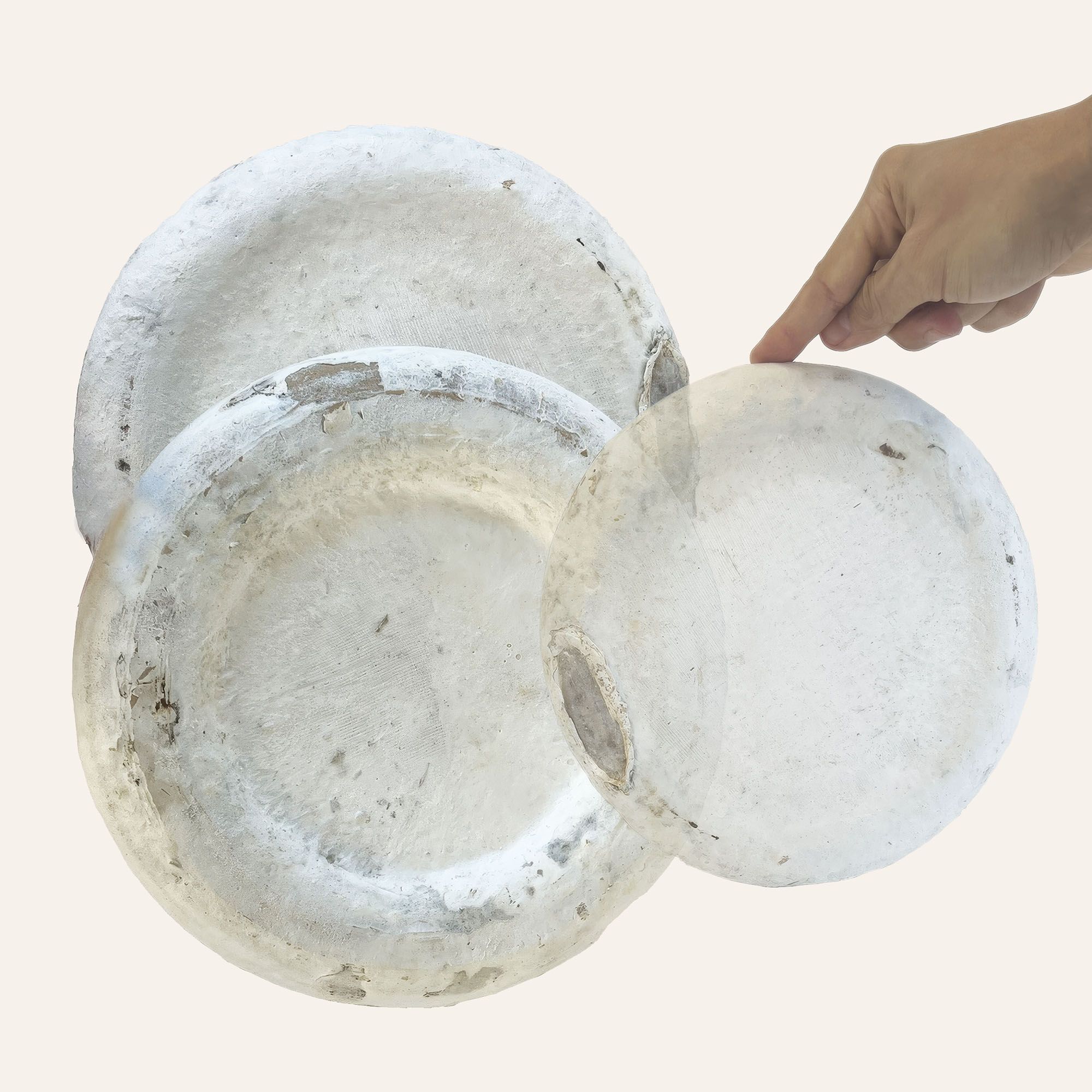
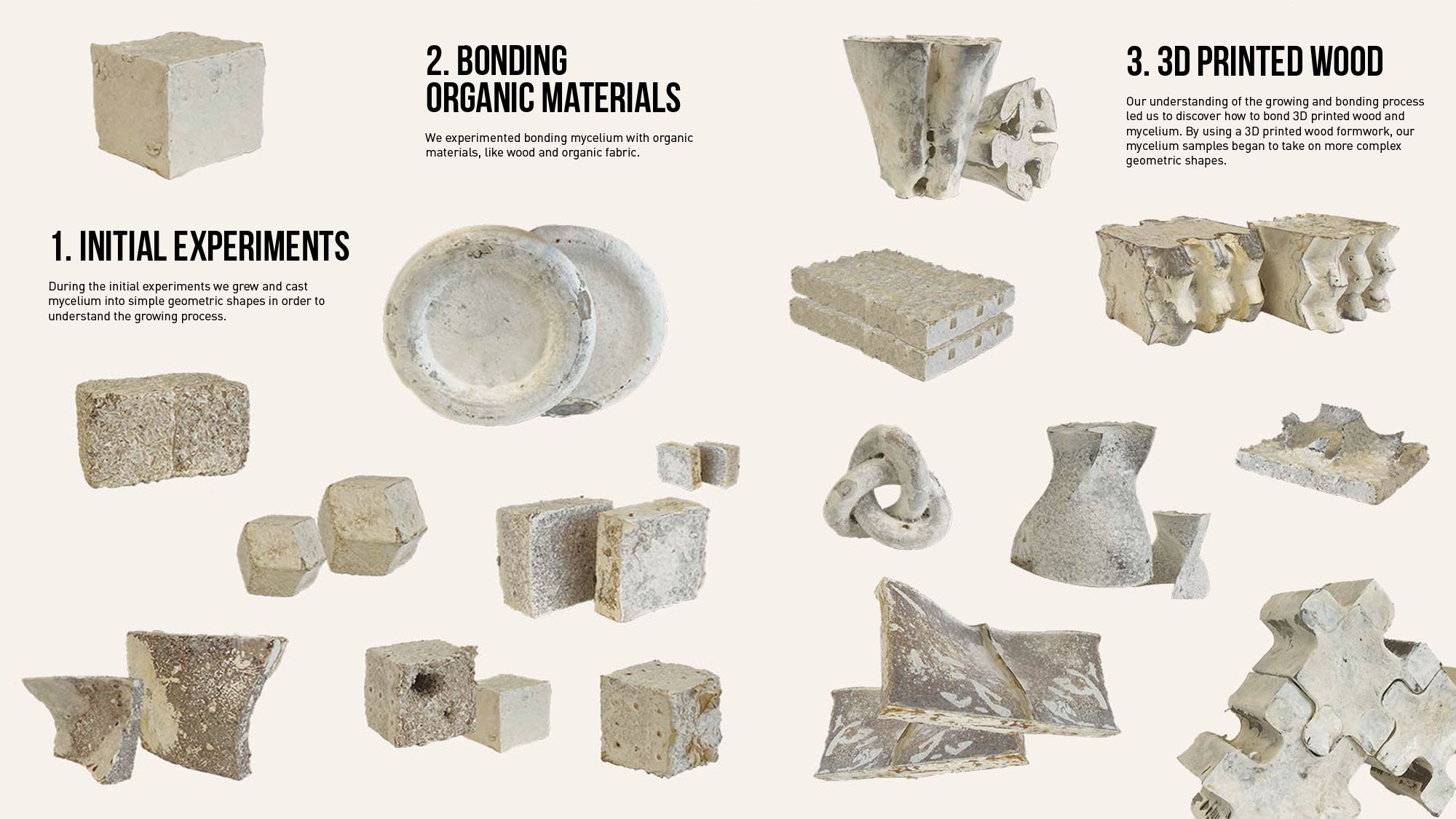
Our experiments started out small, by growing mycelium cubes in casts. This helped us understand the growing process, its ability to fuse together (a success!) and if it could be cut apart (not so easy).
The experiments gradually incorporated organic materials in the growing process, from wooden dowels to muslin cloth.
The research took a turn when we discovered mycelium could be grown in and bond with 3D printed wood formworks, allowing for complex shapes.
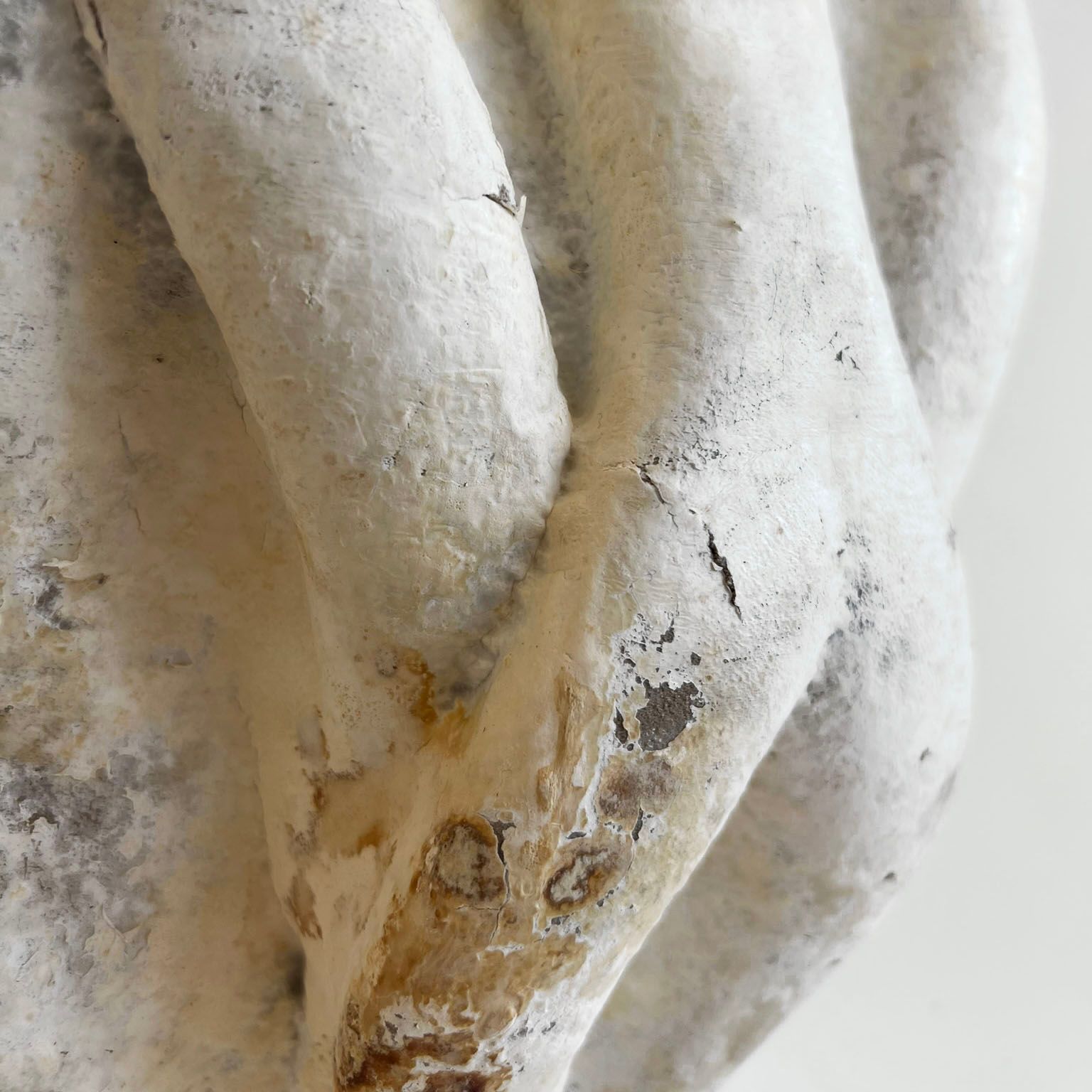
A close up of our "Rooted" mycelium vase
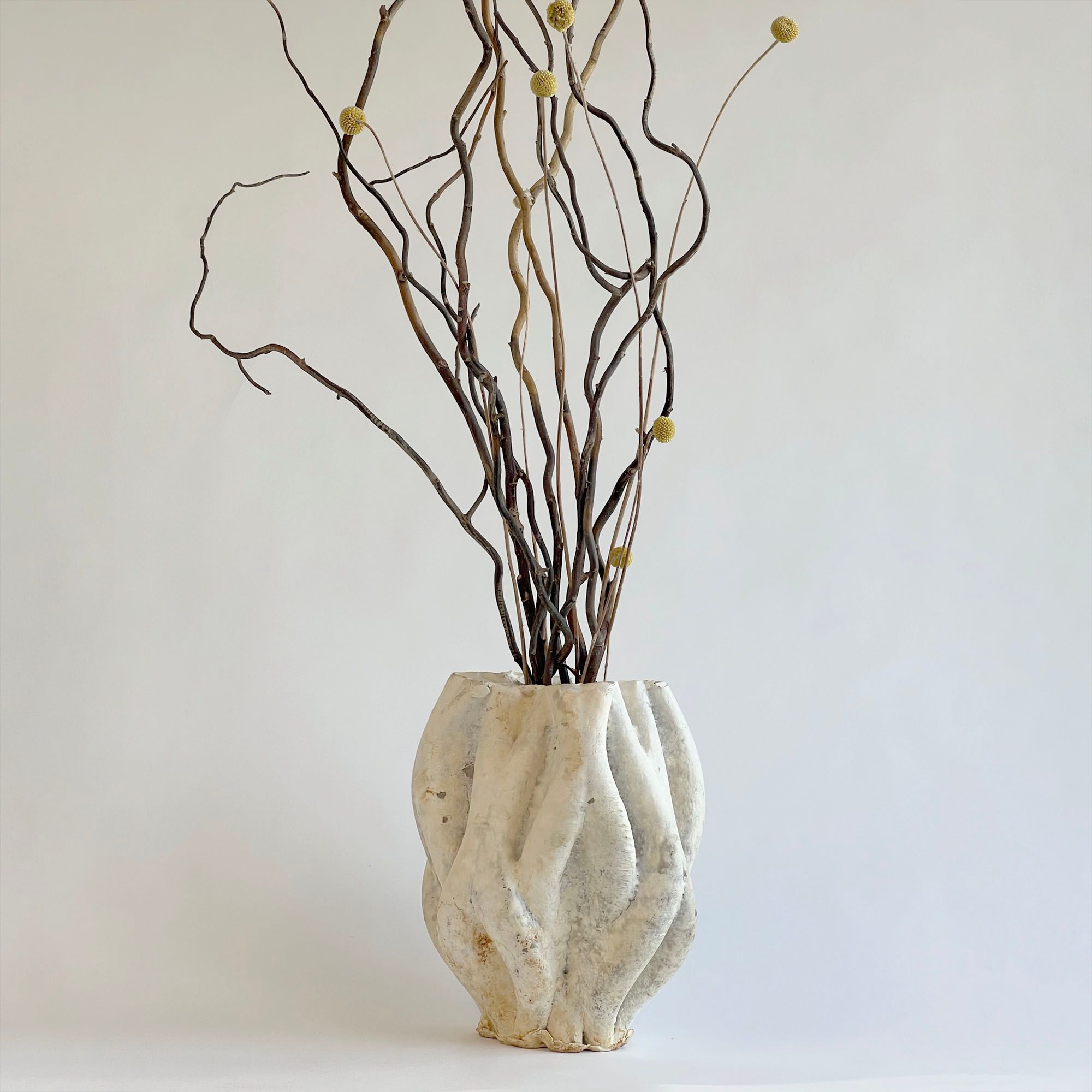
The "Rooted" mycelium vase made possible by 3D printed wood formwork
3. Testing
It was time to put these samples to the test.
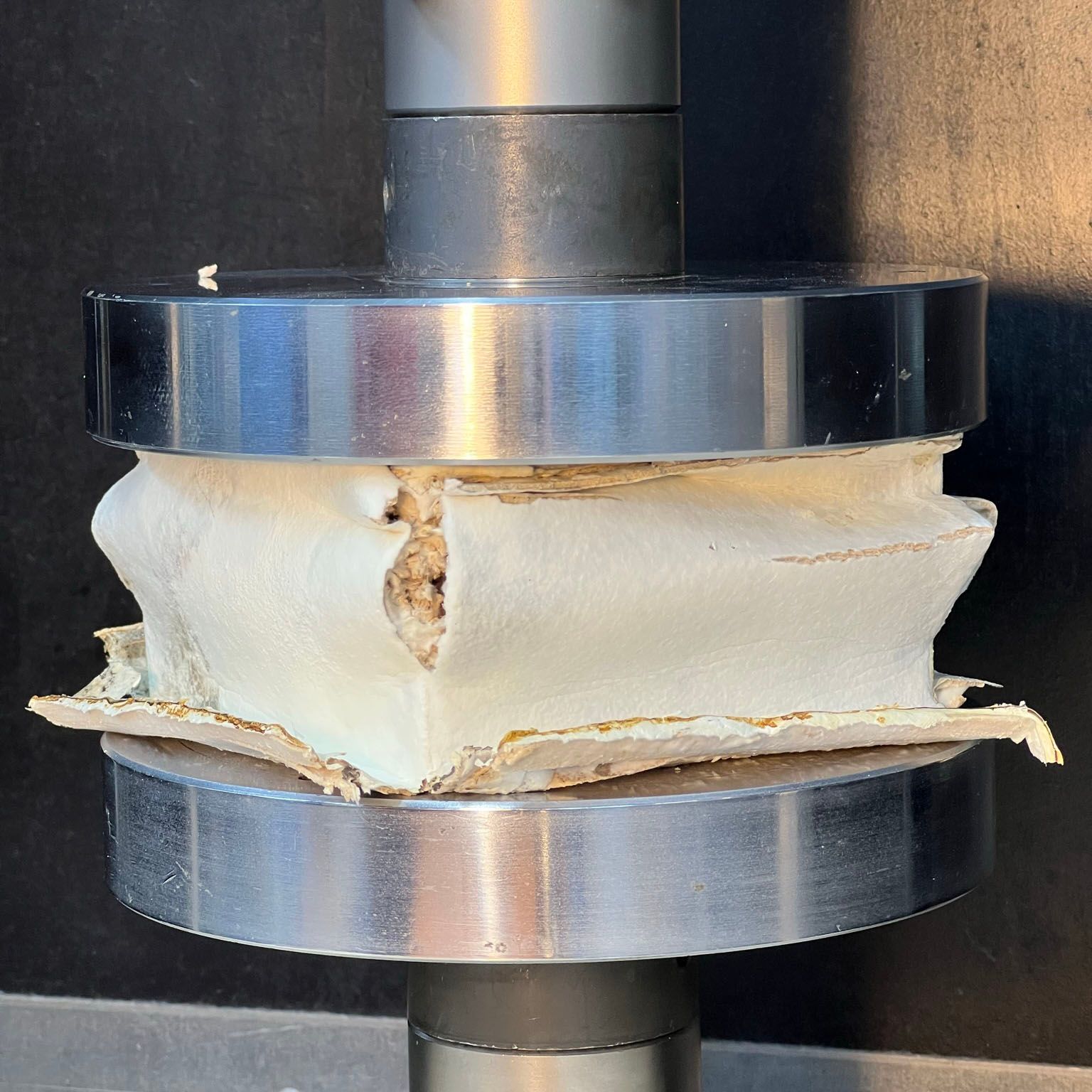
We conducted compression and 3-point bending tests on three types of mycelium samples (see below) at the engineering fatigue laboratory at the University of Cambridge.
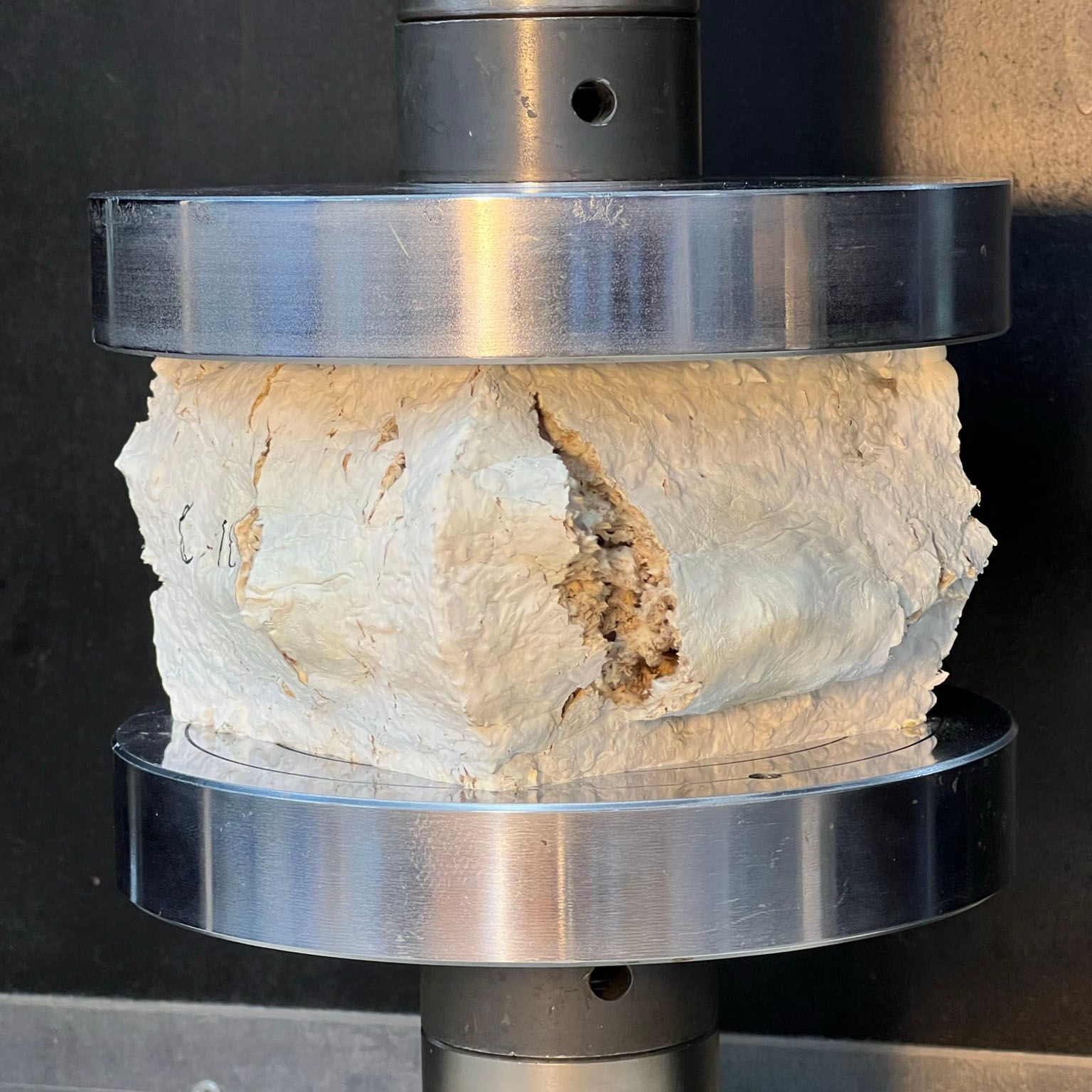

The results from the compression test of the loosely packed mycelium samples
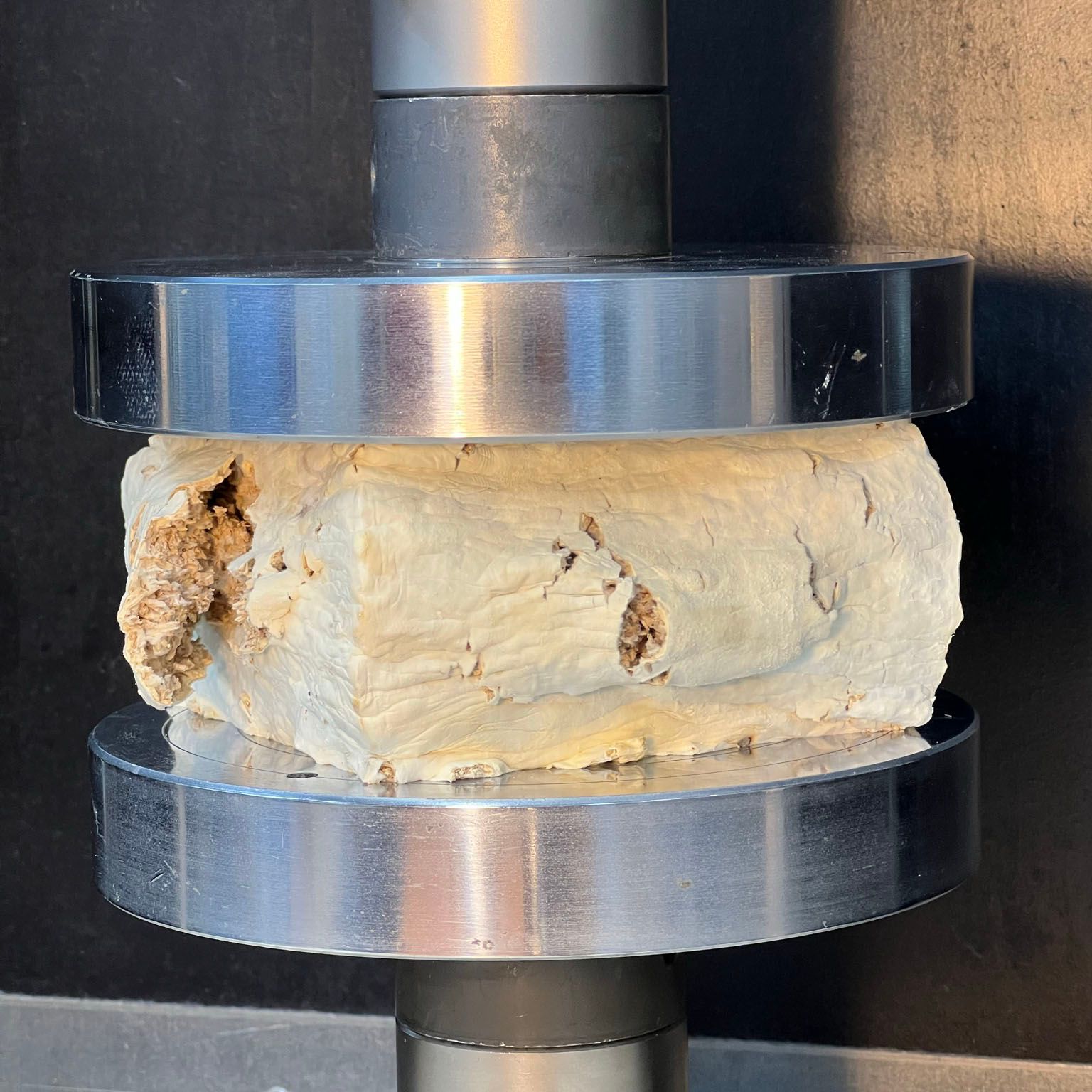

The results from the compression test of the densely packed mycelium samples

The results from the compression test of the 3D printed wood formwork mycelium samples
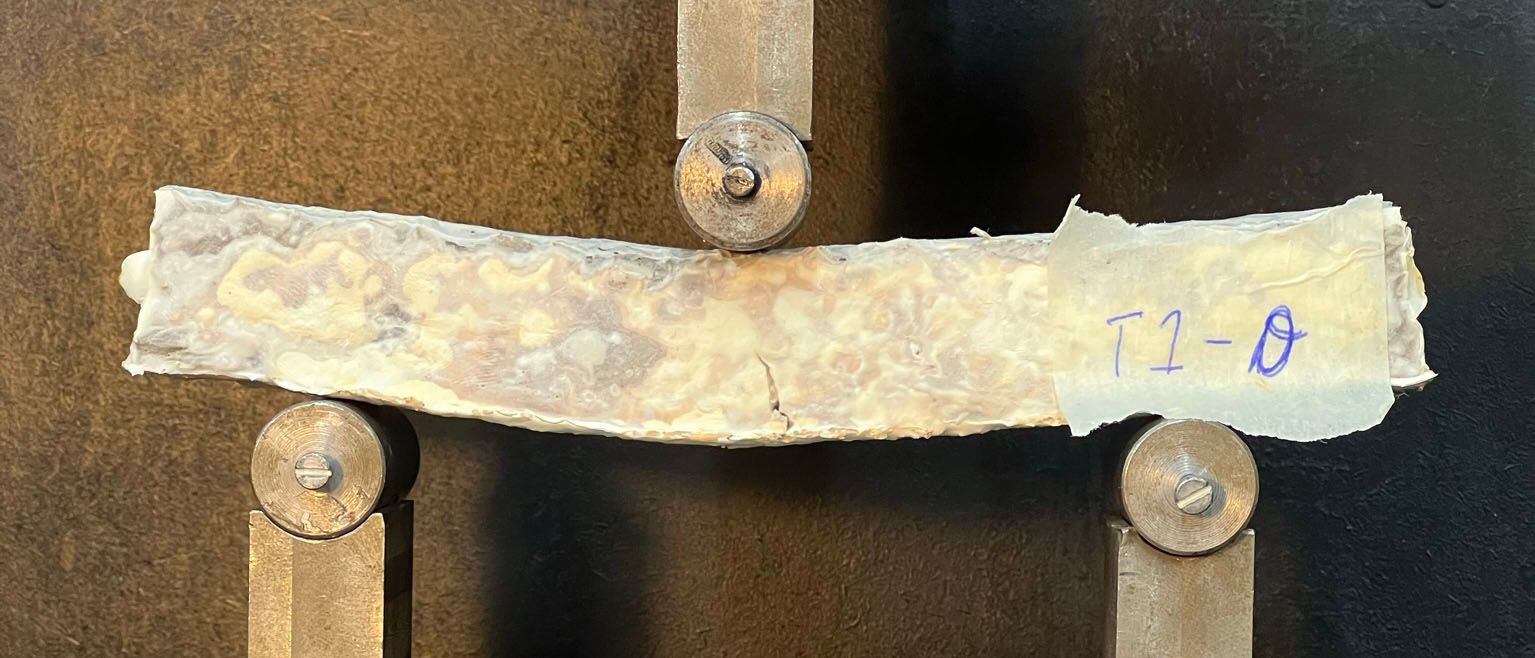

A sinogram of the loosely packed mycelium samples. Sinograms are created by lining up the projection data take by a CT scan side by side to form a single image.

A sinogram of the 3D printed wood formwork mycelium samples. Sinograms provide information on the object's structure.
We published a paper and presented it at ICSA 2025.
4. Showcase
We showcased our novel mycelium-3D printed wood technique at major design festivals in London, including Clerkenwell Design Week (2023), London Design Festival (2023), and RHS Chelsea Flower Show (2025).
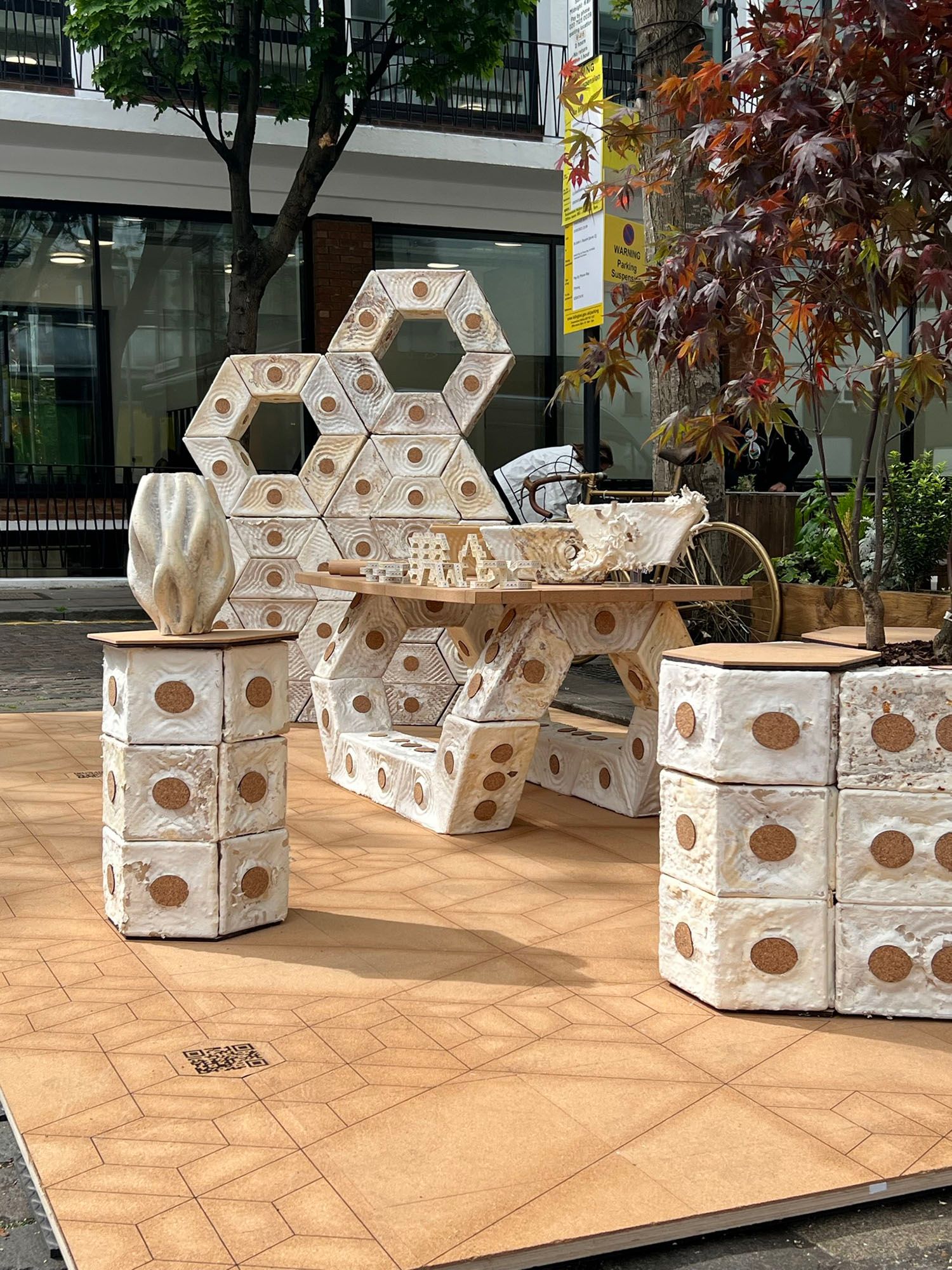
Clerkenwell Design Week, 2023
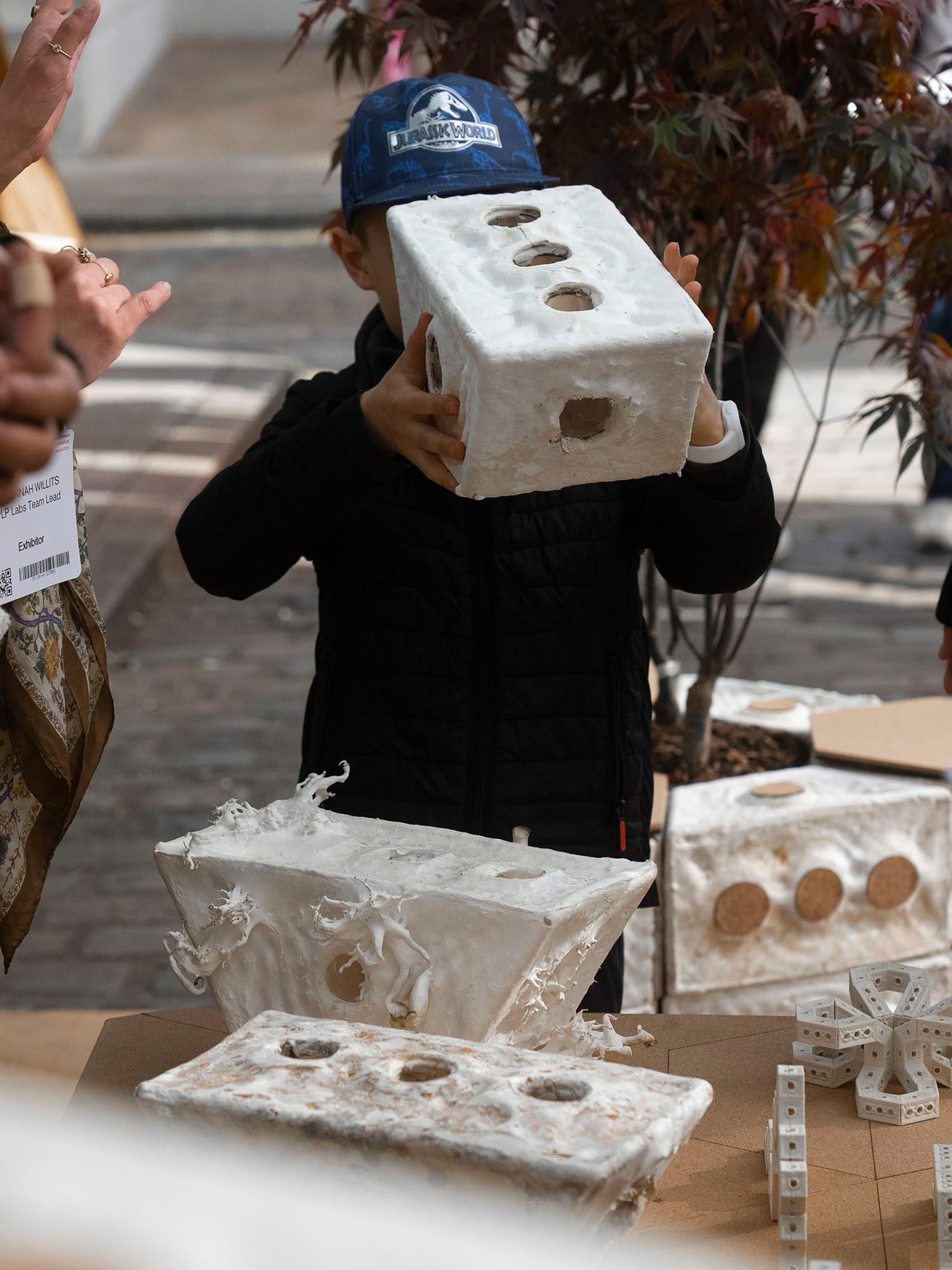
At Clerkenwell Design Week, we debuted a modular system of 84 mycelium bio-composite blocks grown over the course of three months.
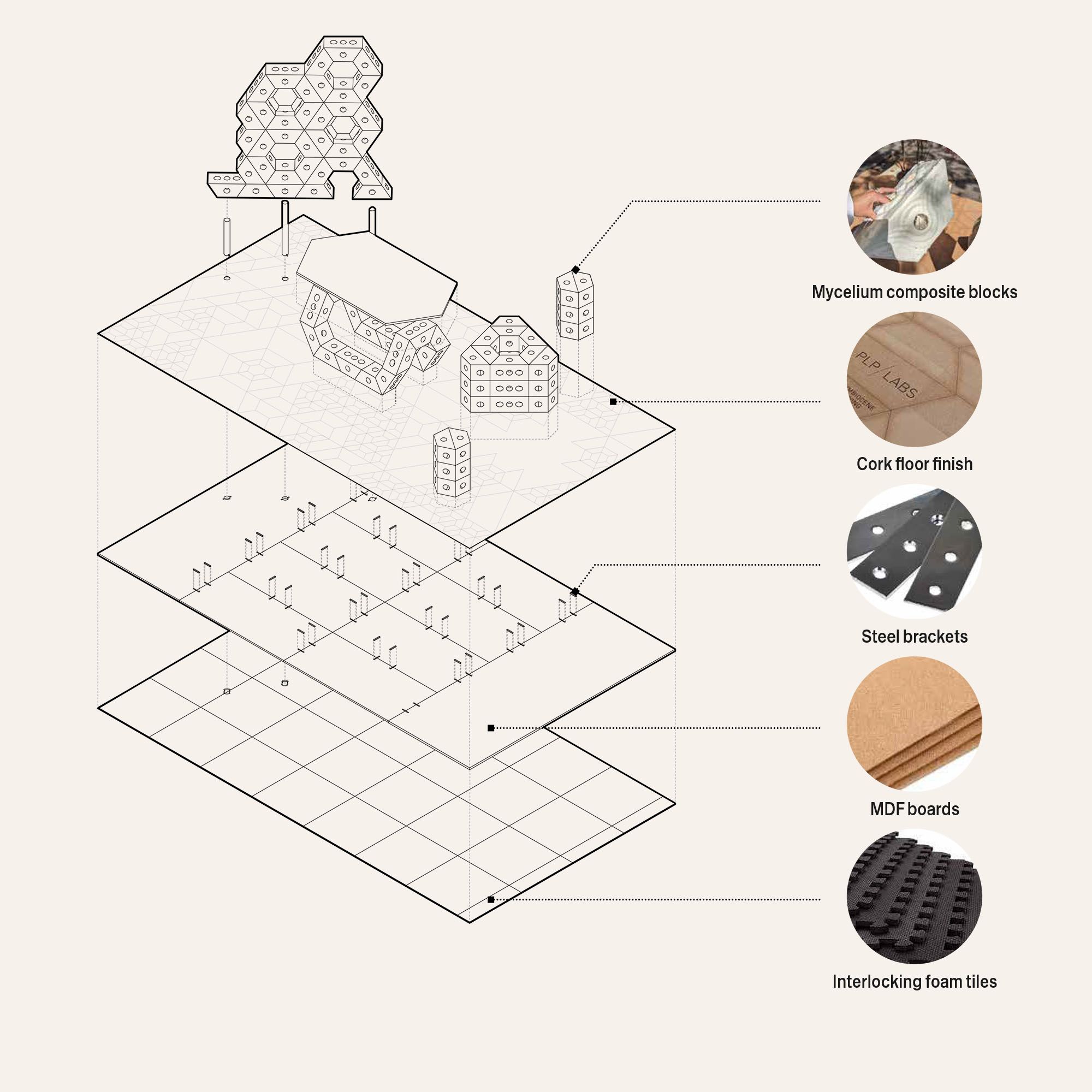
The installation used three layers: foam tiles and MDF to level and stabilise the ground, topped with cork to visually complement the mycelium structures.
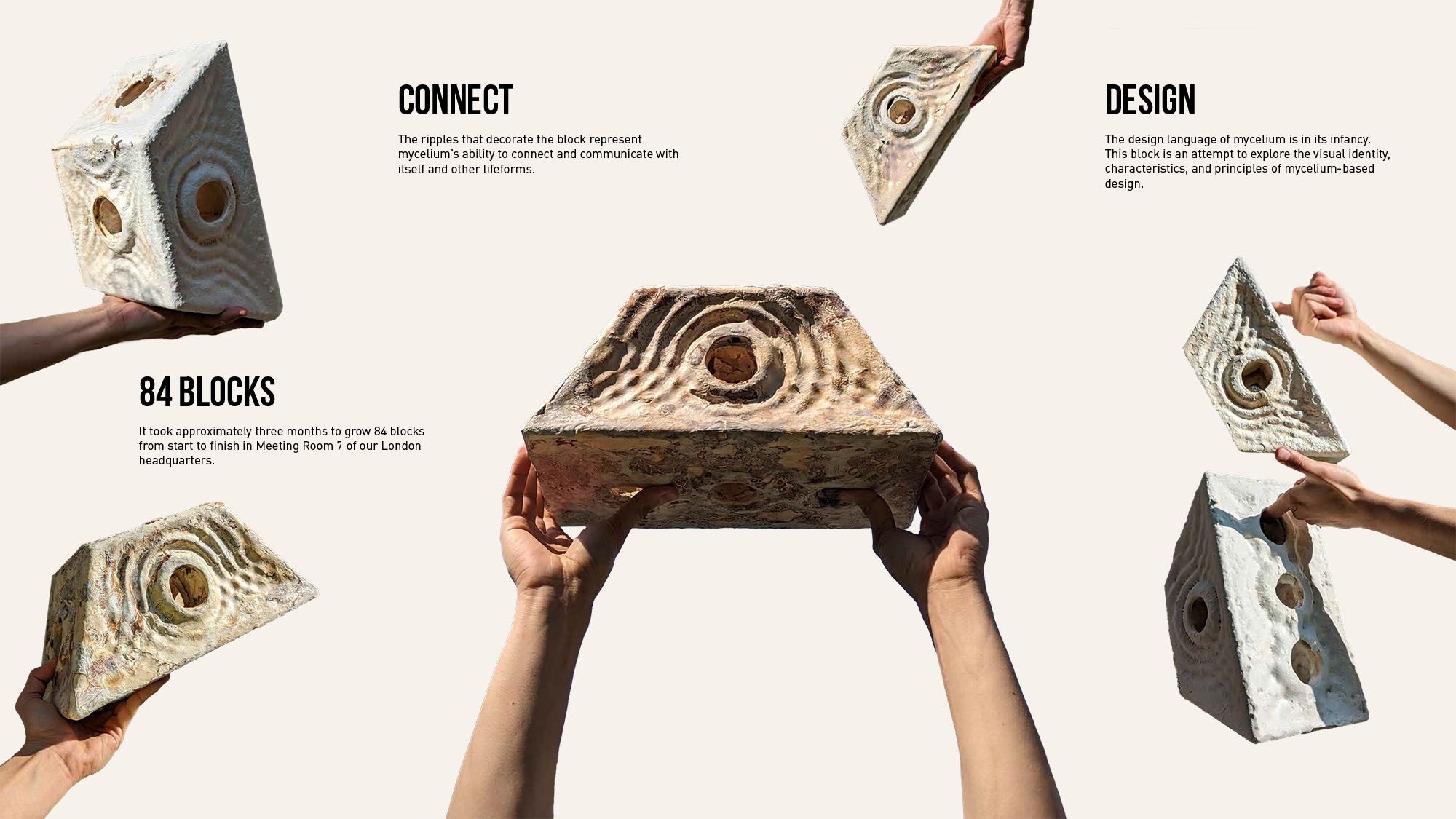
A page from the Symbiocene Architecture: Building with Mycelium, featuring the Mycoblock which debuted at Clerkenwell Design Week 2023
London Design Festival, 2023
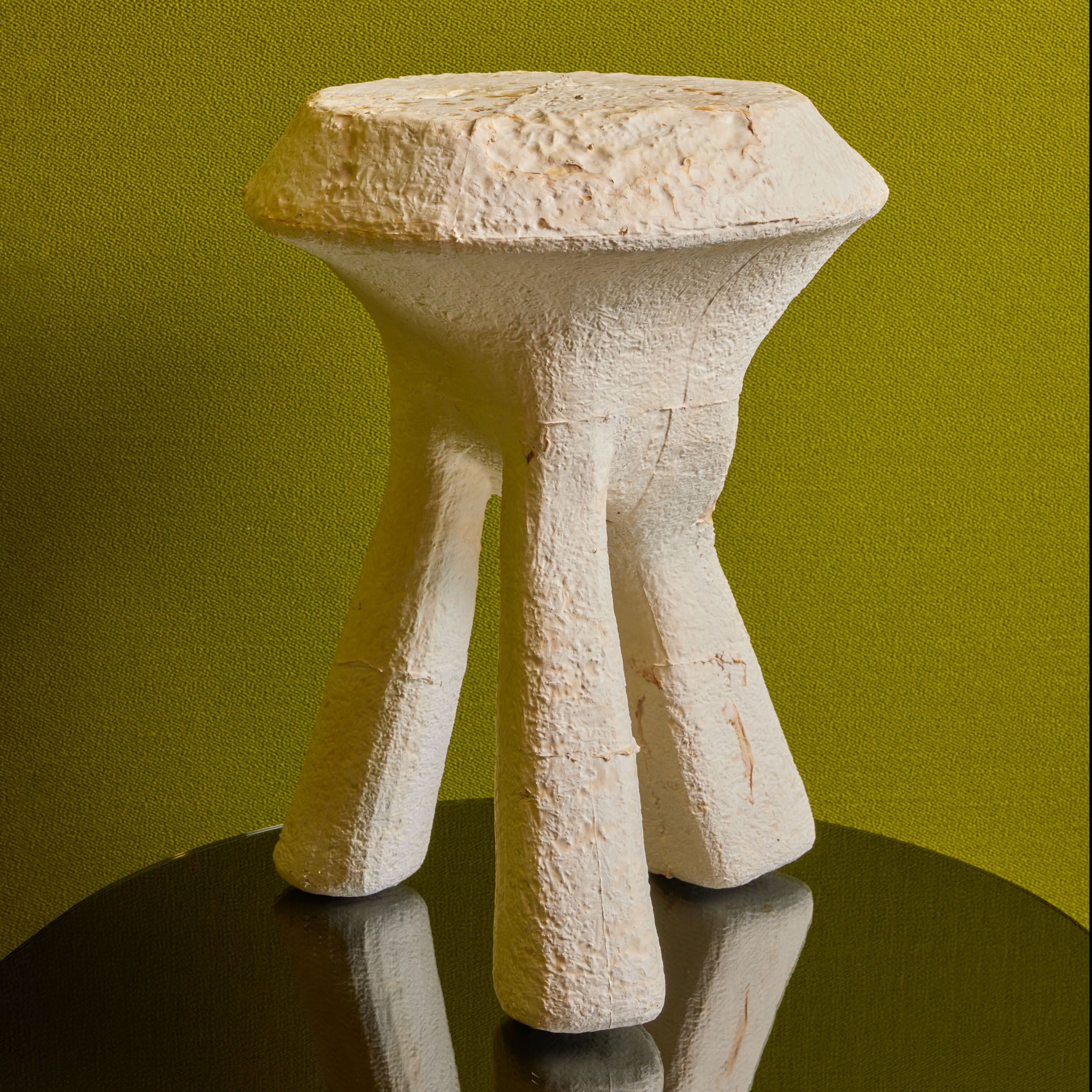
PLP Labs partnered with Studio Snoop and their AI designer, Tilly Talbot, to create an AI designed stool for the London Design Festival 2023, showcased at Tom Dixon’s Studio.
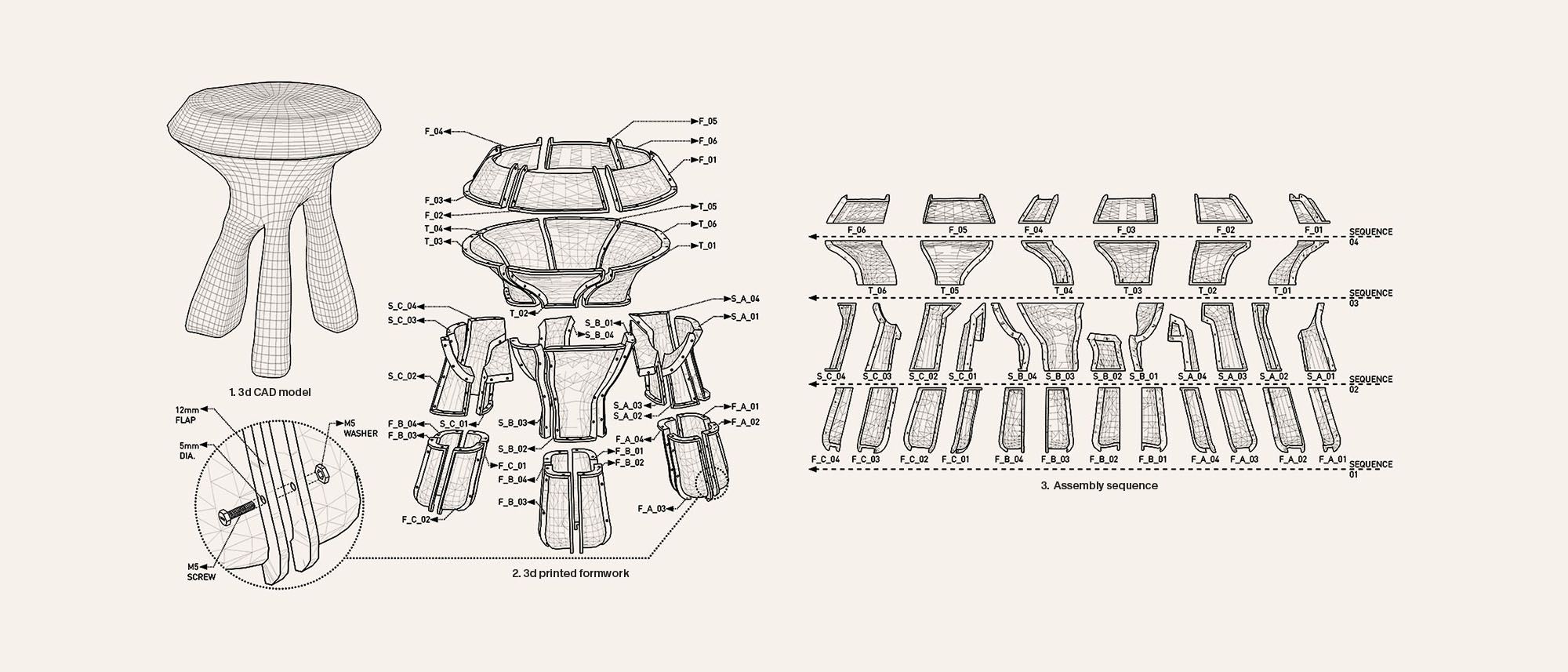
An exploded-view diagram of the mycelium stool cast, which was 3D printed in house
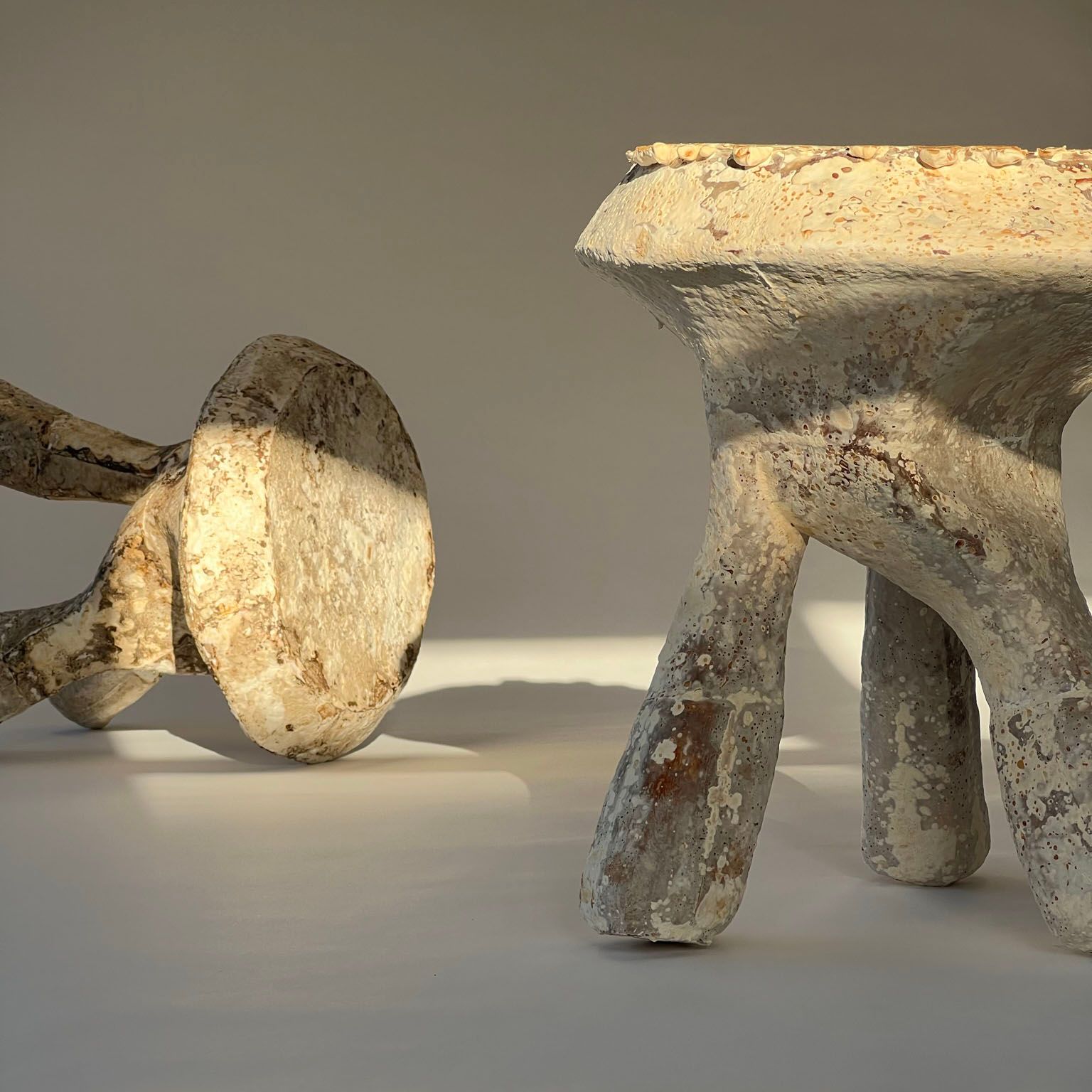
The mycelium stools designed by Studio Snoop, and fabricated by PLP Labs
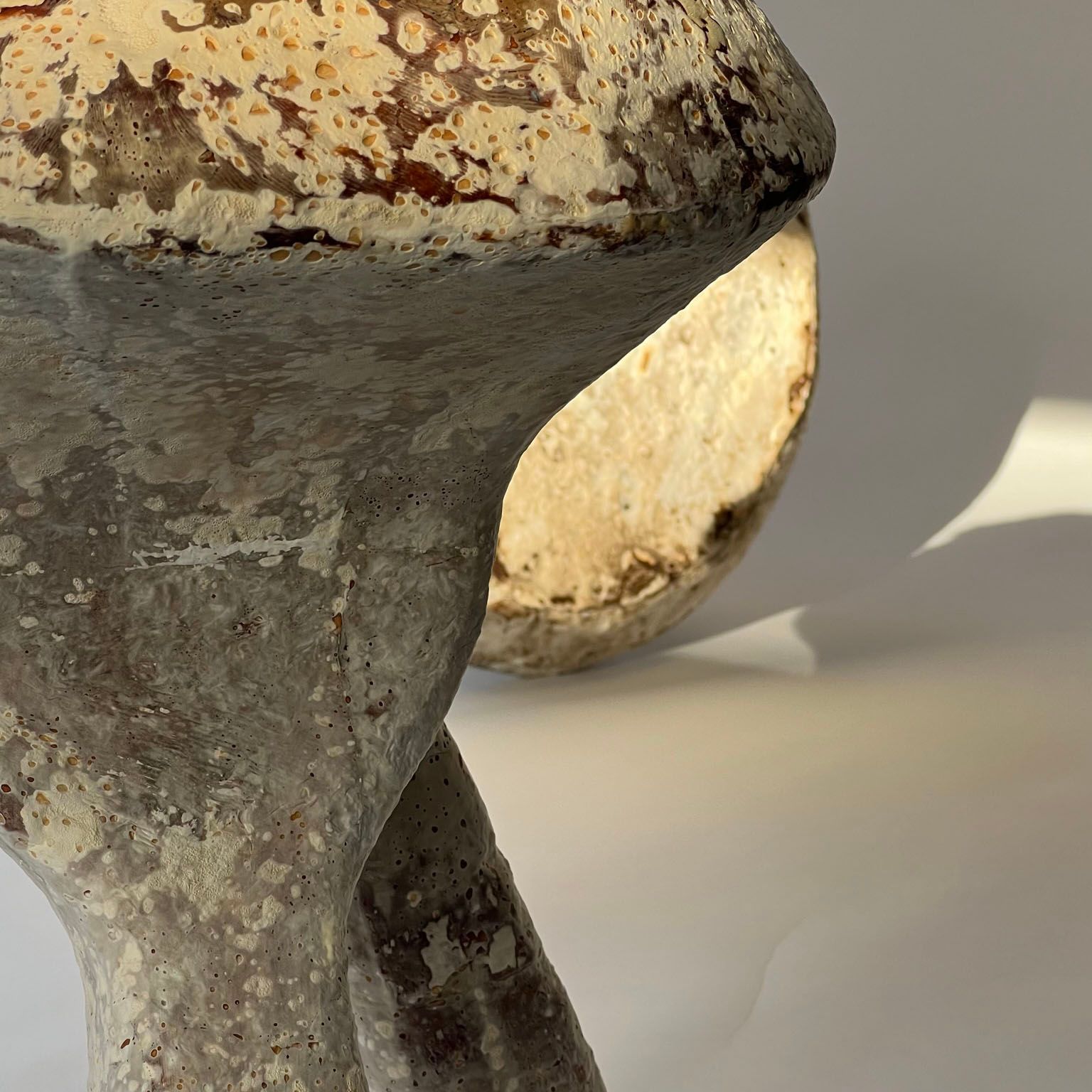
A close up of the geometry of the mycelium stools
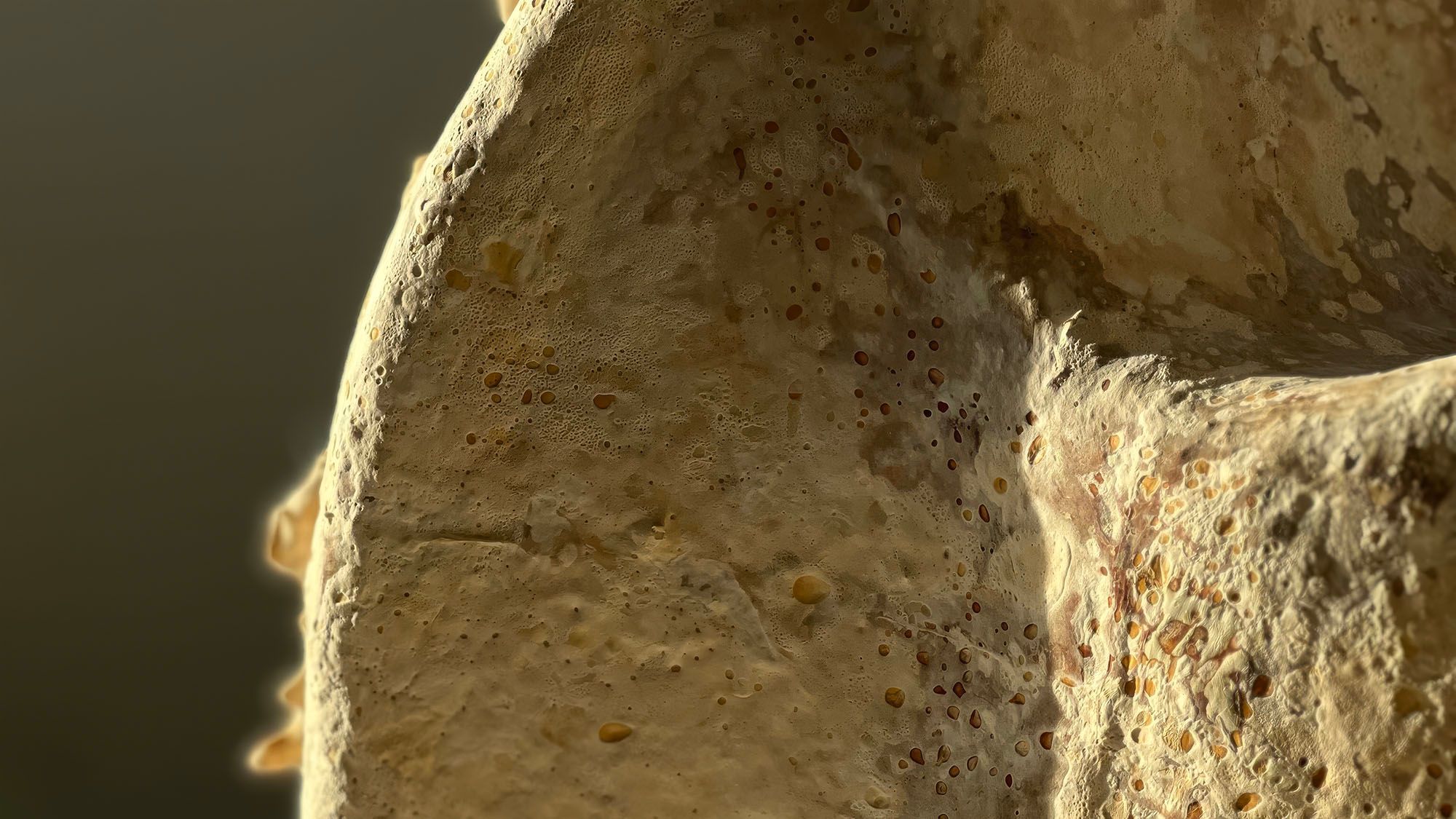
A close up of the natural texture of the mycelium stool
Chelsea Flower Show, 2025
At RHS Chelsea Flower Show, PLP Labs was commissioned to design, assemble, and install five mycelium composite pillars in the Pathway Garden which won the Environmental Innovation Award and Silver Gilt. The garden was sponsored by the Pathways Charity which is dedicated to improving the health of people experiencing homelessness and garden was designed by Modular.
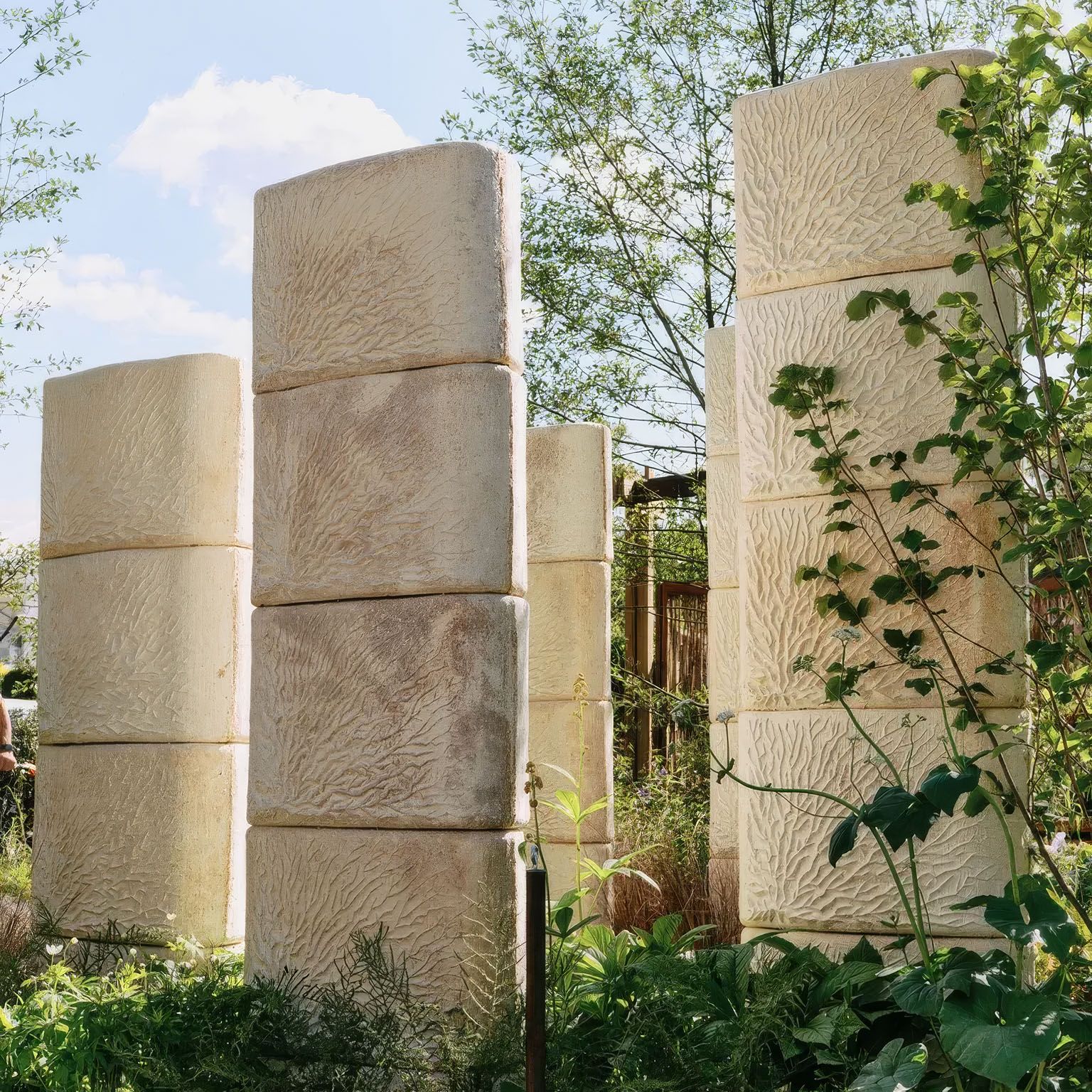
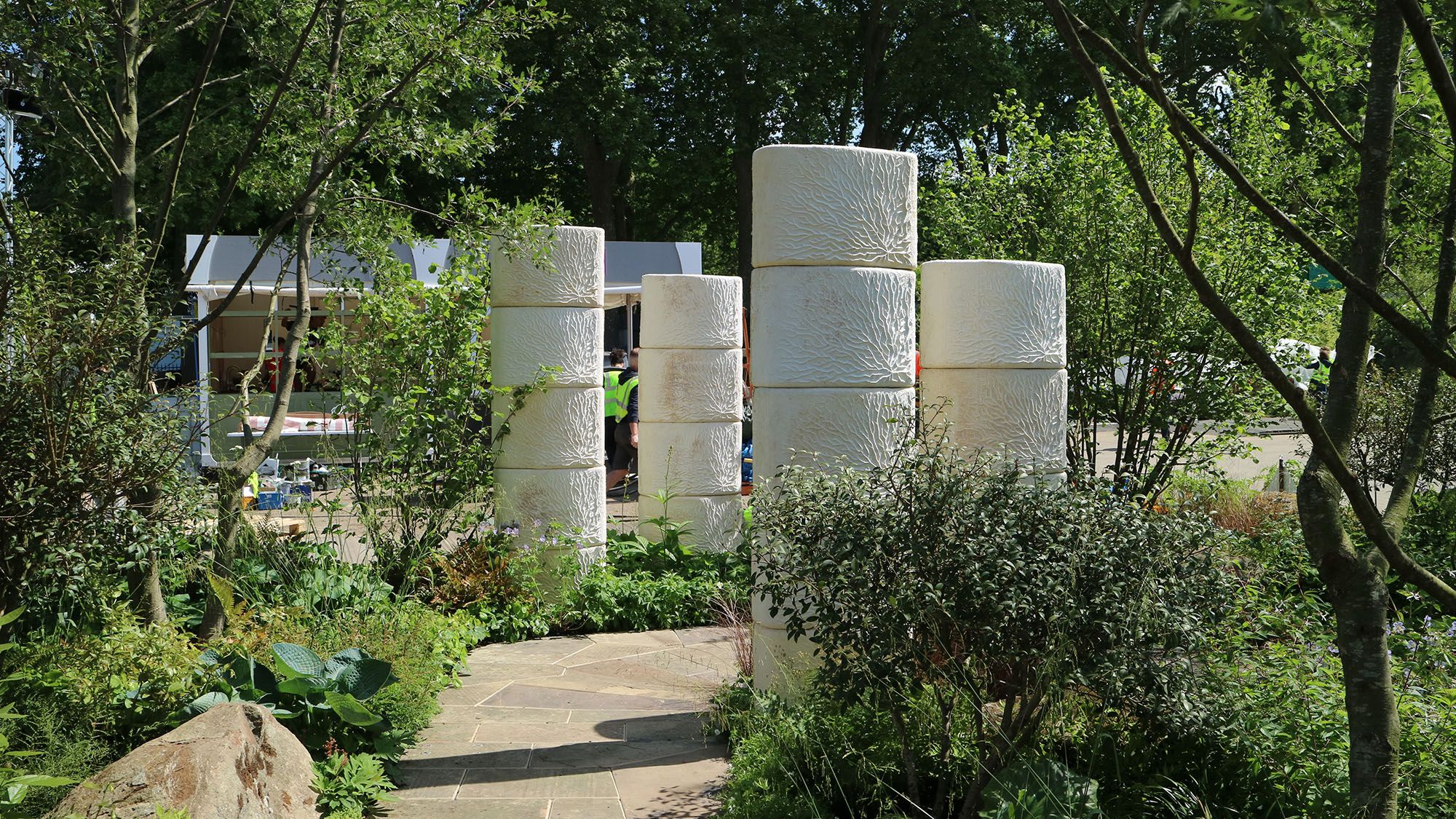
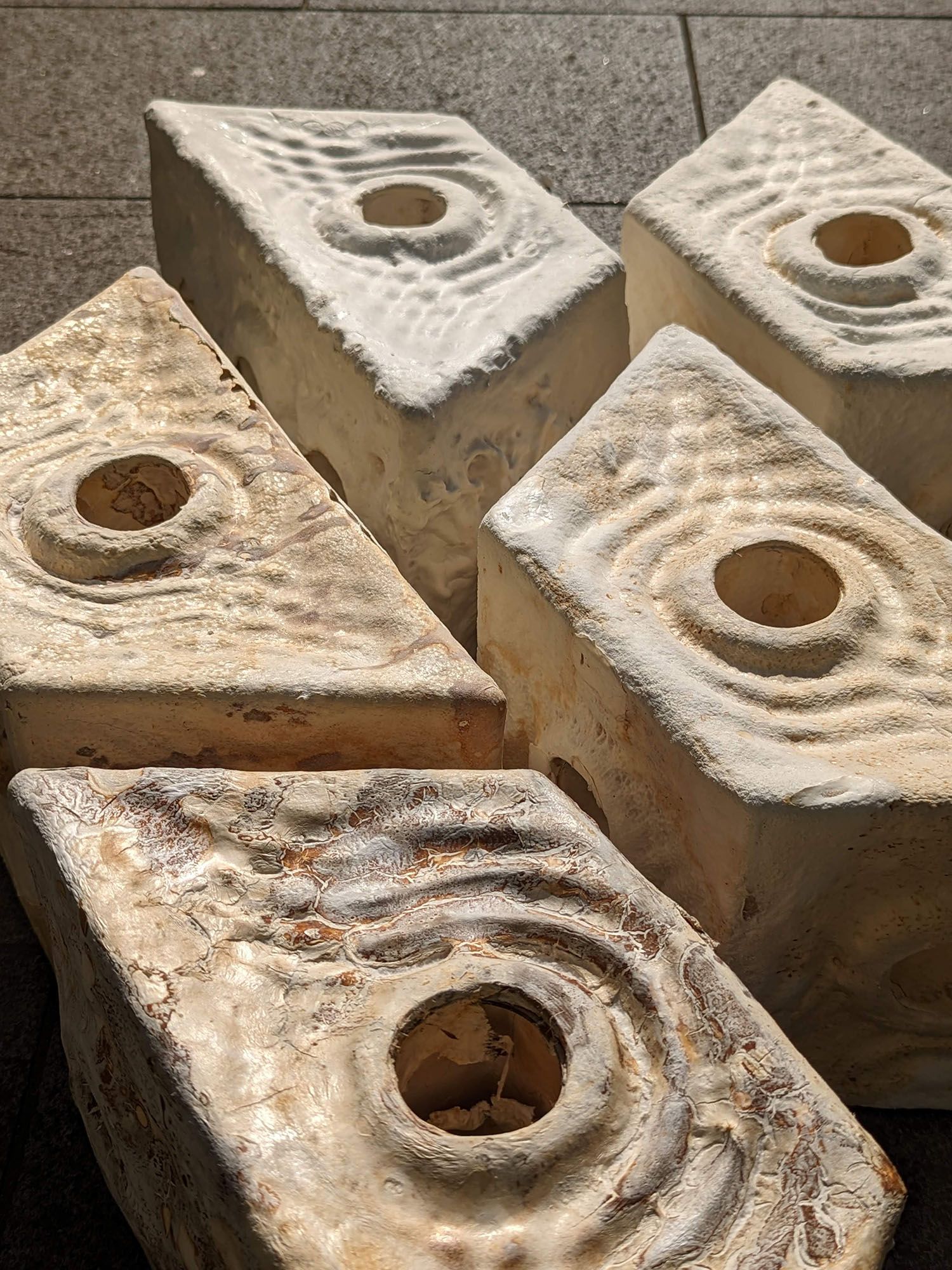
Mycelium totems by PLP Labs for the Pathway Garden at RHS Chelsea Flower Show 2025
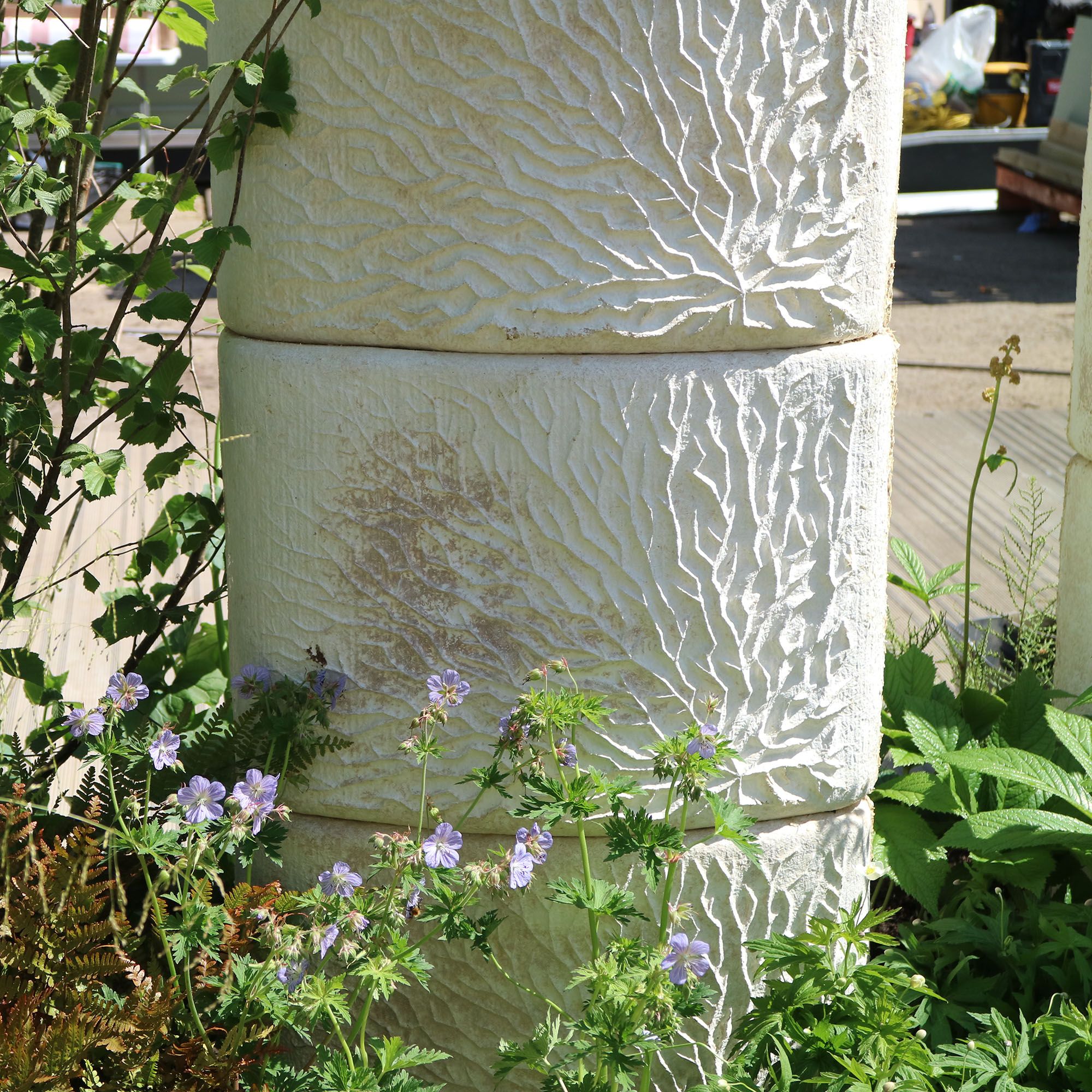
A close up of the biophilic texture and pattern of the mycelium totem
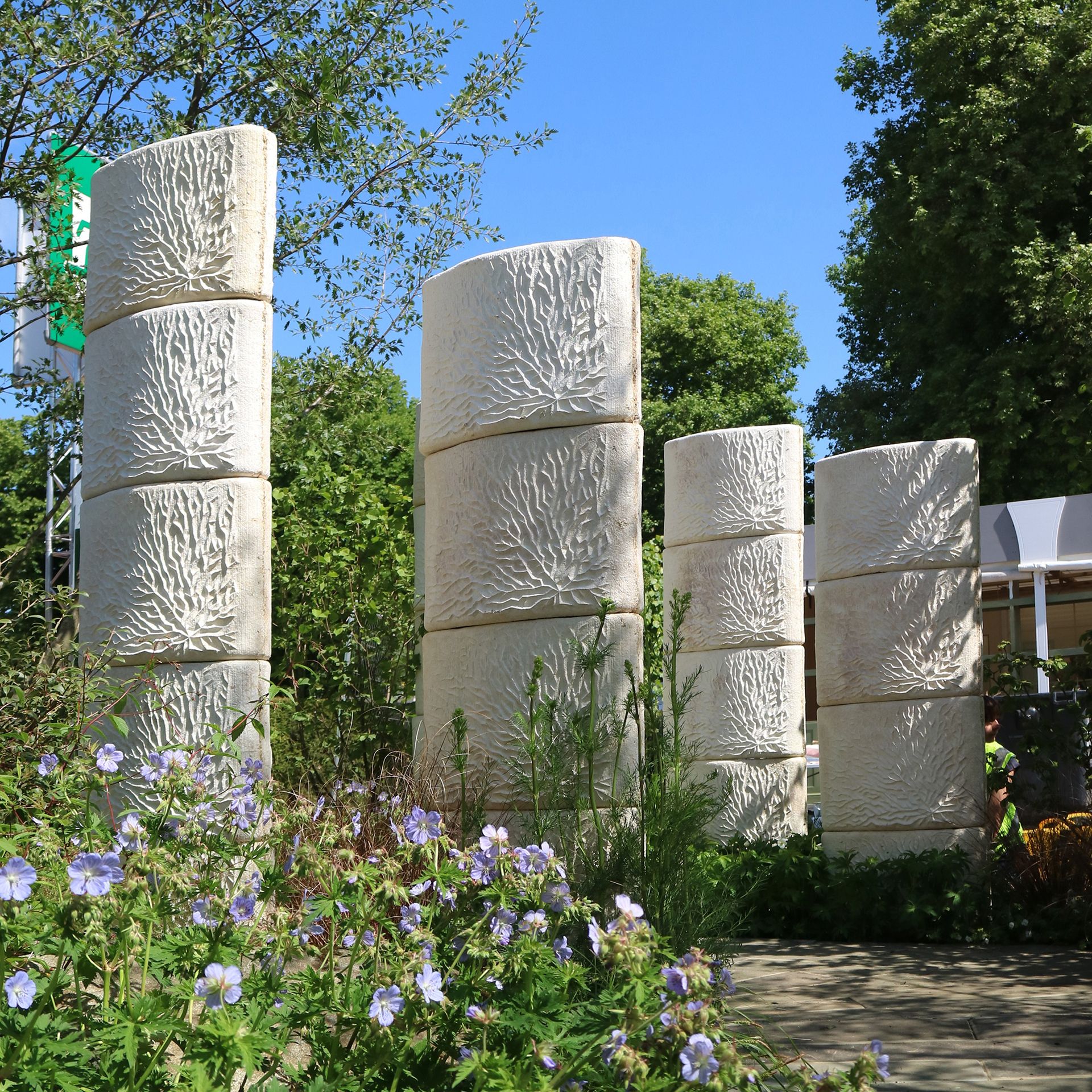
The Pathway Garden received the Environmental Innovation Award, in part to its inclusion of mycelium
5. Conclusion + Credits
Our work aims to help steer the architecture and construction industry away from fossil fuel-based materials and towards a more ecologically sensitive future.
PLP Team
Contributors
Contributors