Home Report
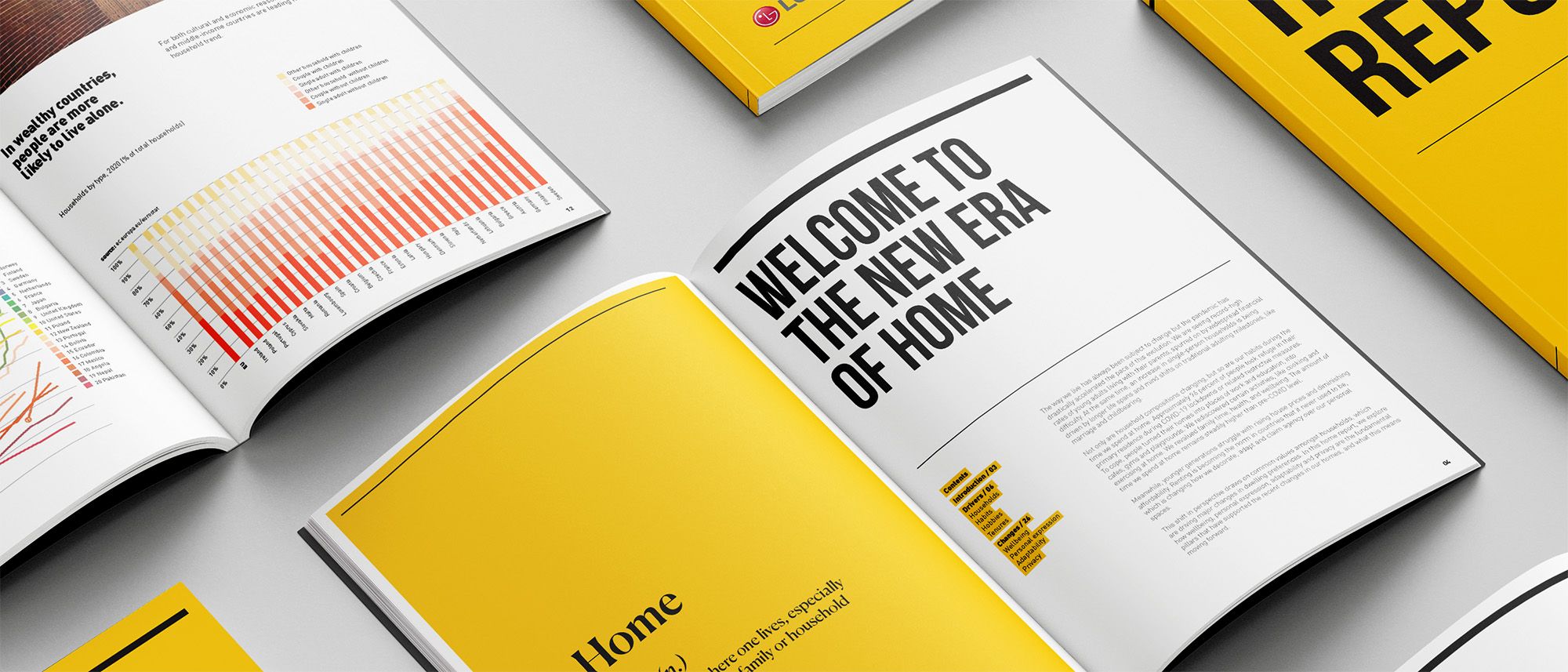
The Home Report explores how our homes have permanently changed after the pandemic. Beyond shelter, the home has become a mirror of shifting values where work, rest and identity now overlap. Developed for a leading global home and electronics company, the research draws on real post-pandemic behavioural data. It identifies four key drivers: households, habits, hobbies and tenures and four resulting spatial shifts: well-being, adaptability, privacy and personal expression. These findings reveal lasting transformations in how people inhabit space.
1. Introduction
How did the pandemic change the home?
Homes refract major changes, resulting in a variety of observable, emerging home space trends,
The Home Report is an investigation into the values and priorites reshaping the home. The publication explores the drivers and space changes for these in residential typologies, as well as emerging design trends in the post-pandemic world. These changes are here to stay and will shape the way we live in the coming years.
The research is structured around 4 main drivers and 4 resulting space changes:
2. Drivers
Space changes are being driven by changes in households, habits, hobbies, and tenures.
Households
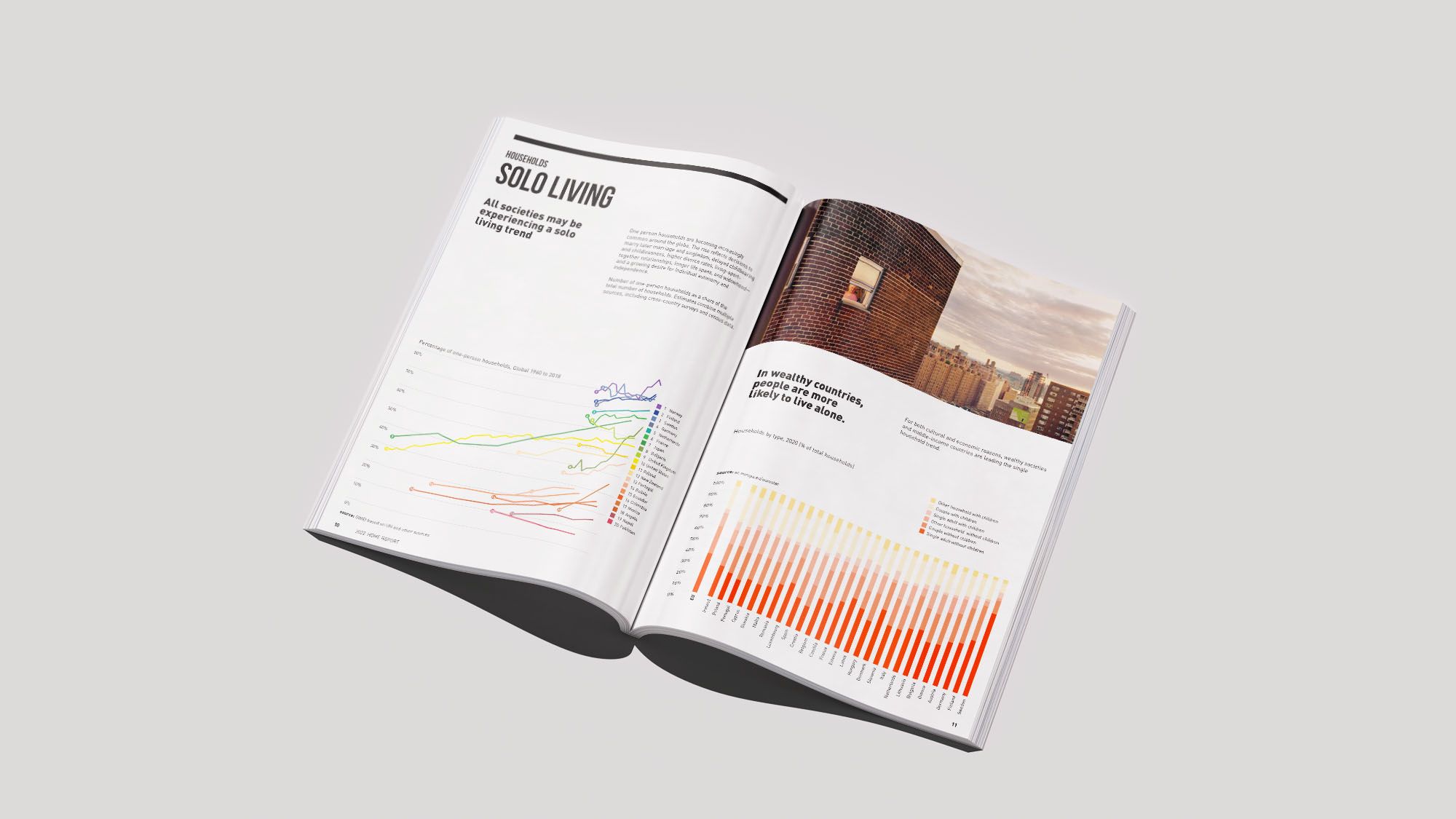
The household is undergoing a massive overhaul.
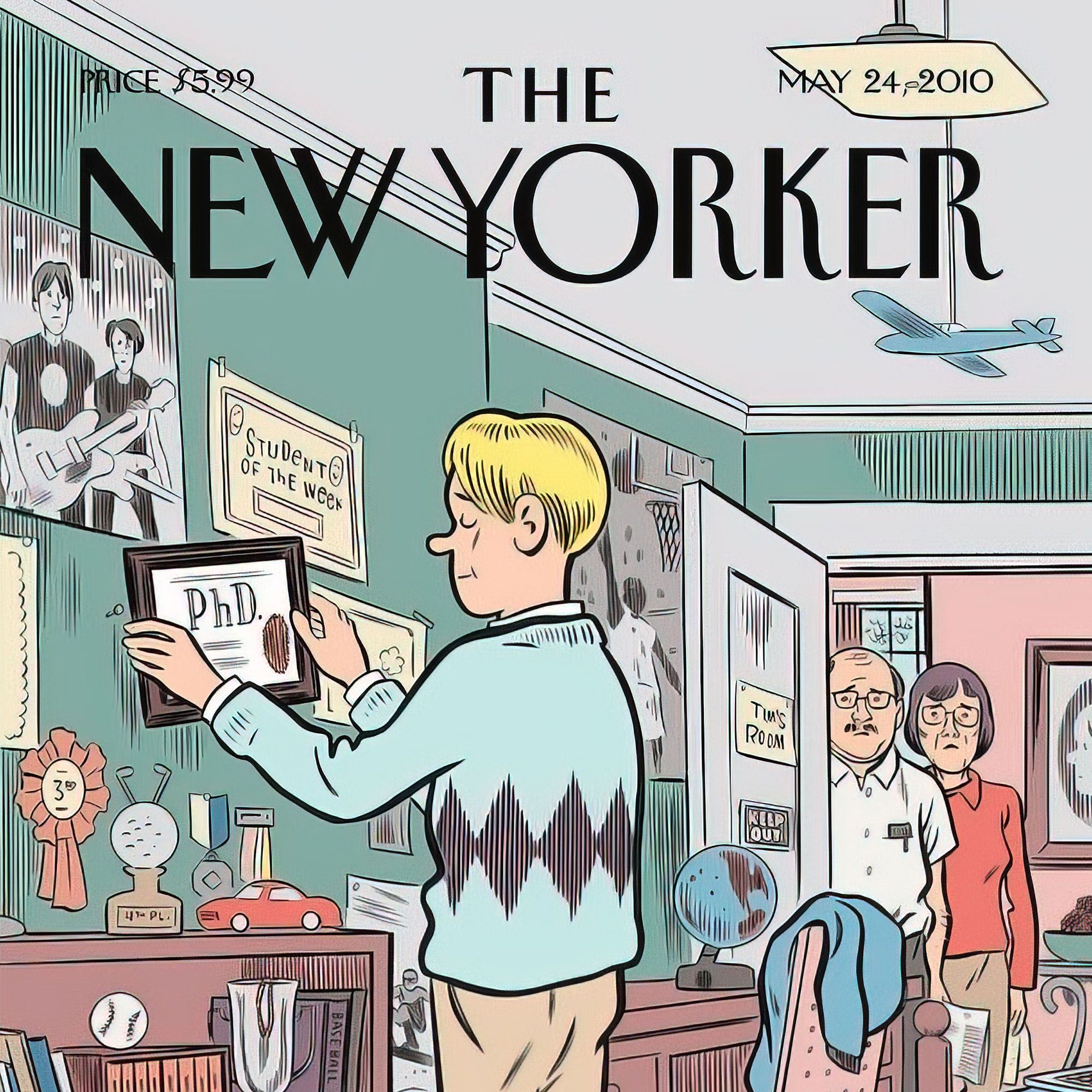
The traditional notion of household is challenged by the popularity of co-living, co-habiting, and co-housing. Meanwhile, traditional households are experiencing the “Boomerang Generation” and a steady increase in solo living on a global scale. Household shake-ups will continue as the traditional household model becomes even less reflective of the times.
Habits
We are spending unprecedented amounts of time at home.
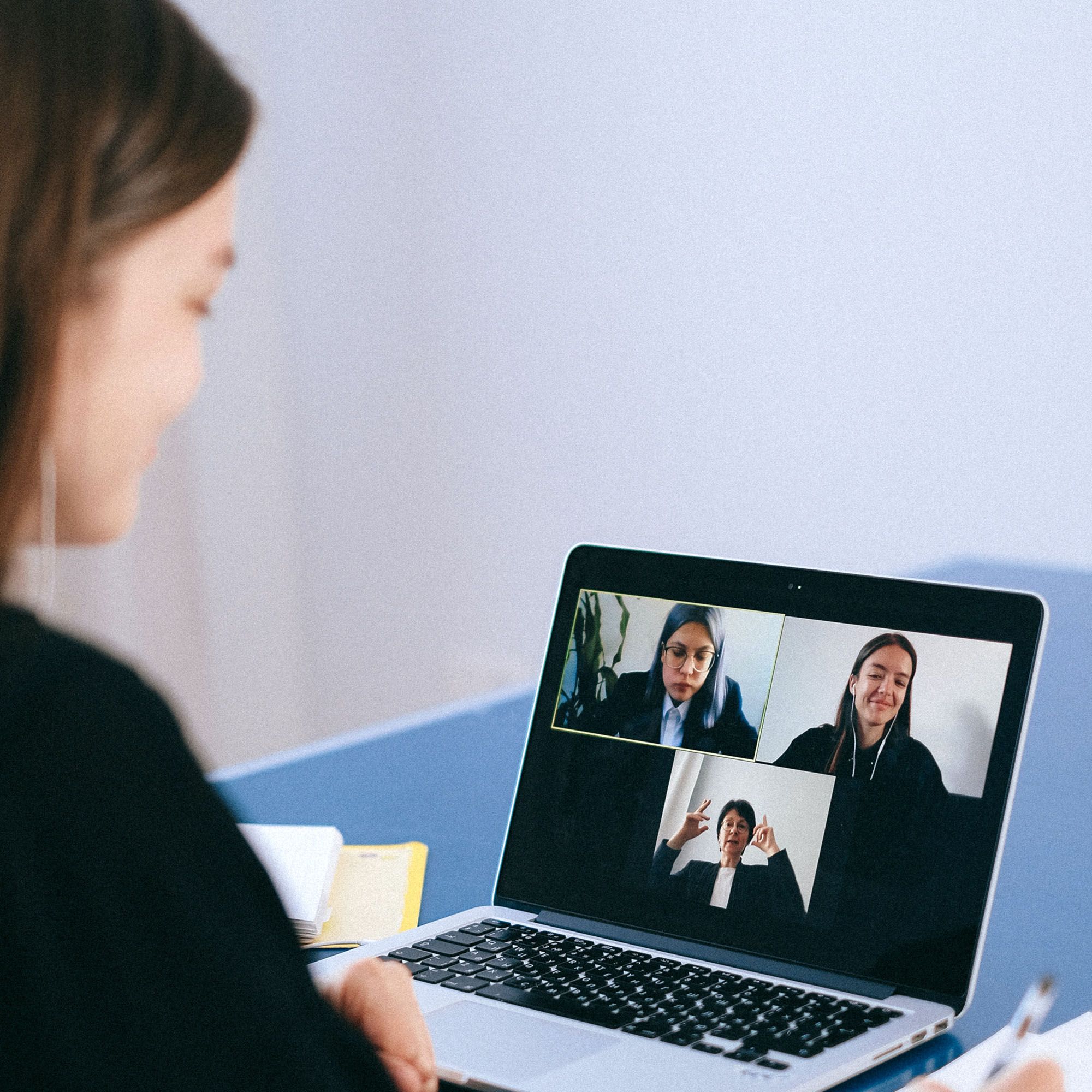
During pandemic lockdowns and other related restrictive measures, entire swaths of the globe were forced to stay home like never before. In turn, we have become more attached to our households and our dwelling spaces.
Hobbies
As our activities ceased to exist in the public realm we were forced to retreat into our homes.
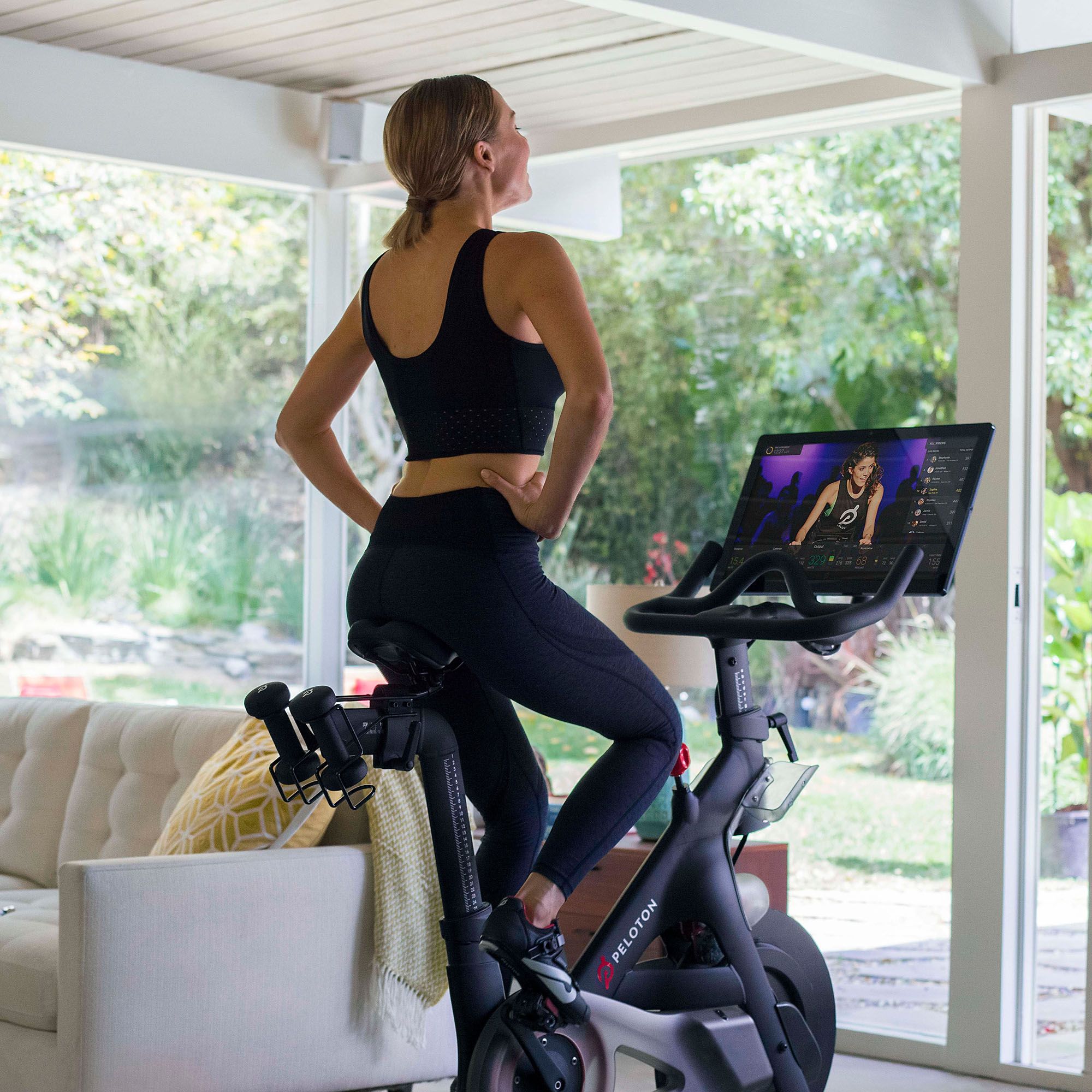
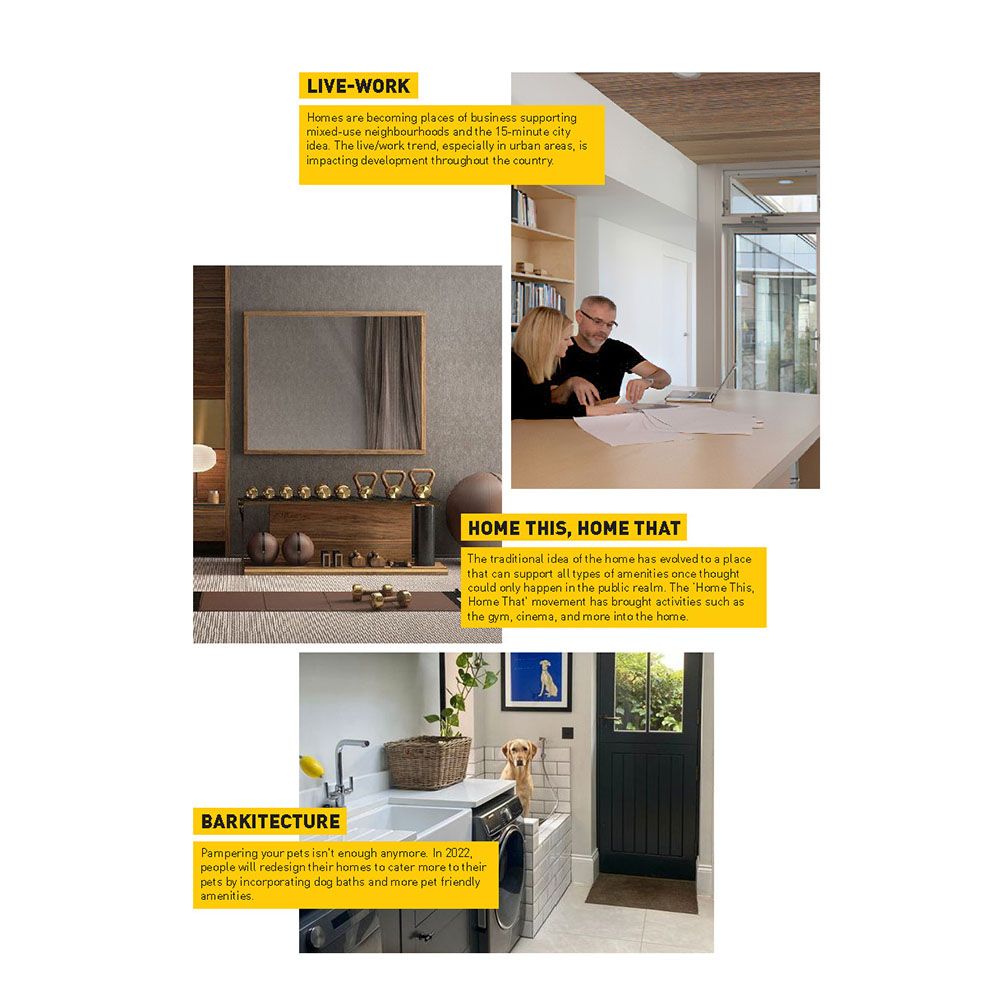
Living spaces were transformed into offices, schools, playgrounds, gyms, restaurants, cafes and cinemas. With the uptick in demand for online shopping, blended learning, and hybrid working, it seems some activities are likely to persist in the home even after restrictions ease.
Tenures
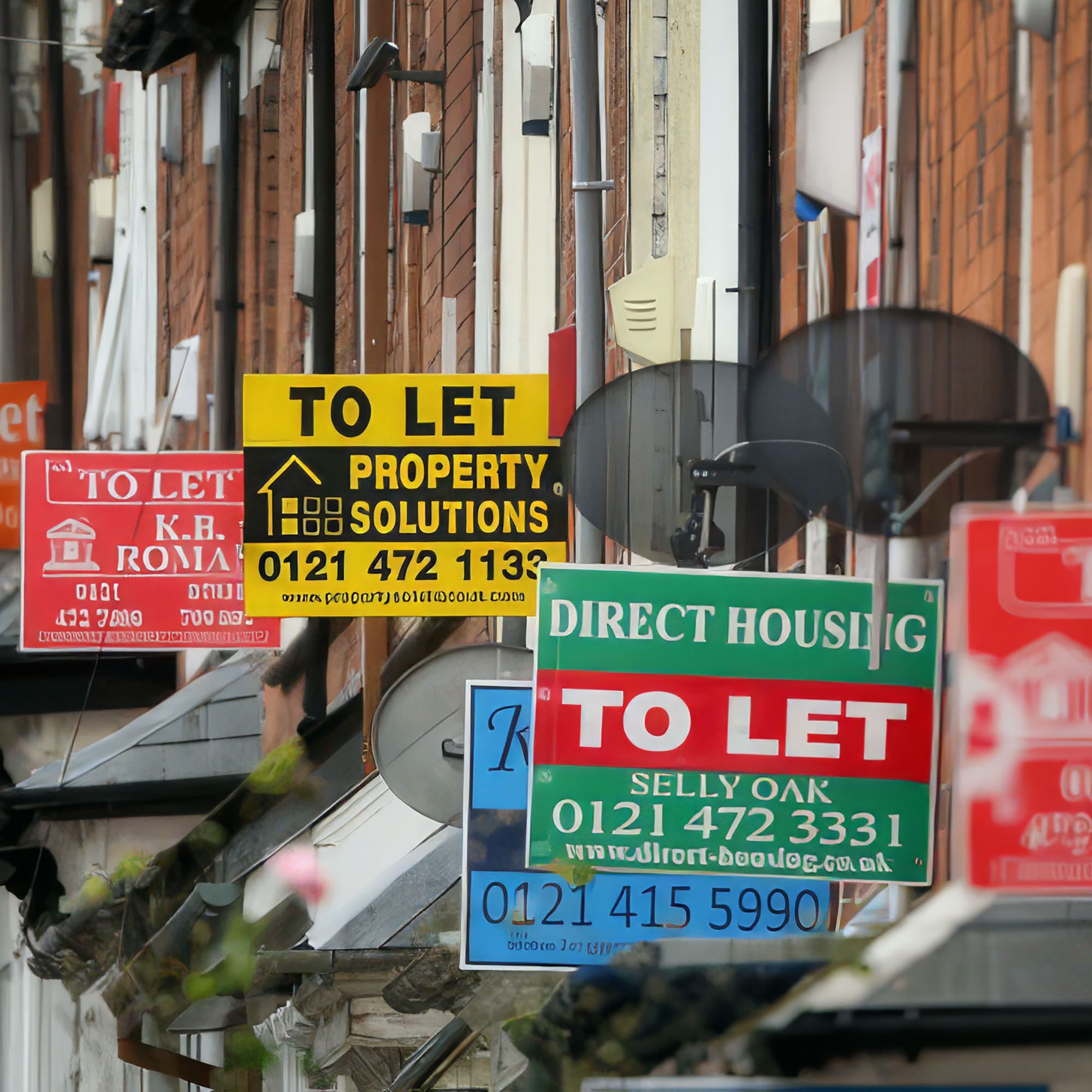
With soaring housing prices, renting is becoming the norm in countries that it previously was not.
Inaccessible home ownership is giving way to widespread disinterest. The increasing popularity of Build to Rent, demonstrates that people – particularly younger households – are not always renting out of necessity, but by choice. Large scale priority shifts indicate that home ownership is no longer as important or seen as a viable option.
3. Space Changes
Powerful drivers are causing spaces changes in wellness, privacy, personal expression, and adaptability.
Wellbeing
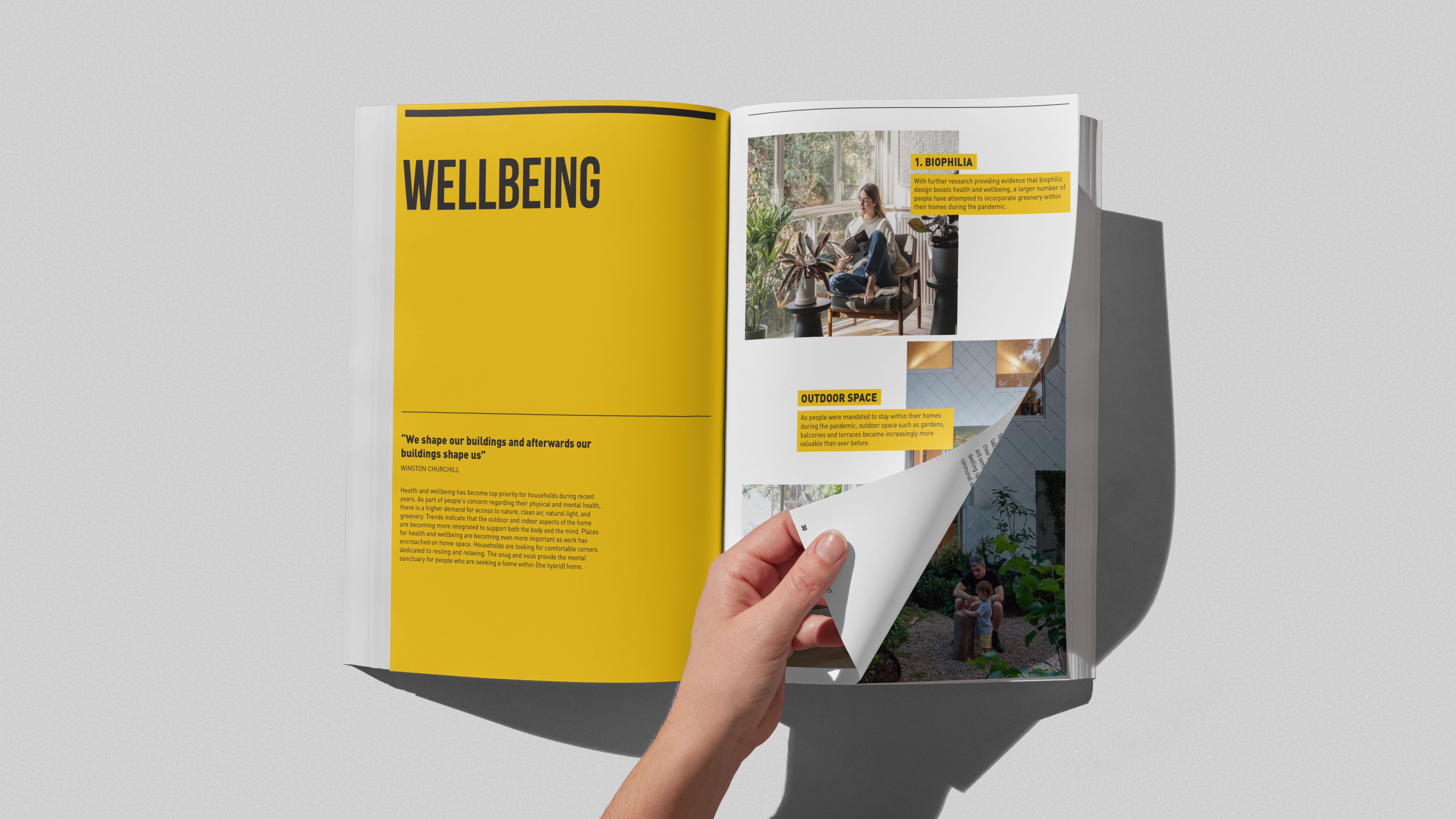
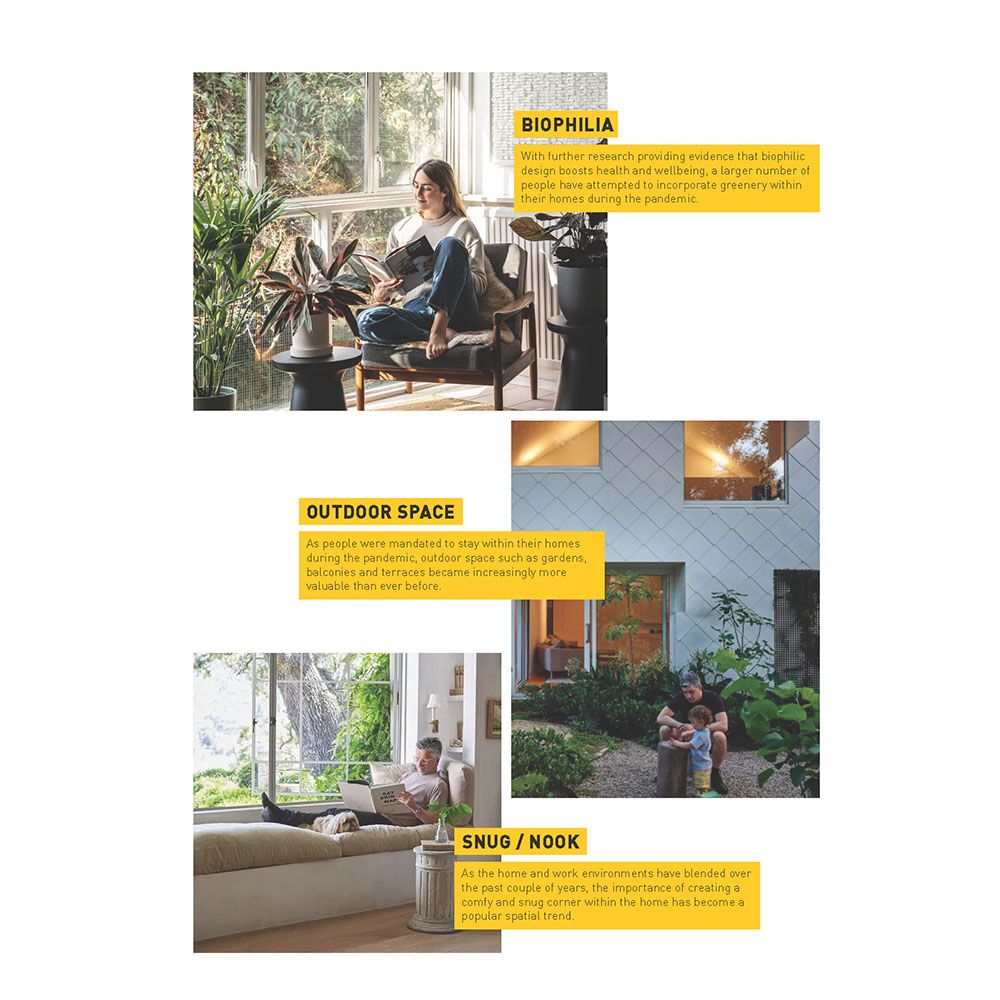
As people prioritise their physical and mental health, there is a higher demand for access to nature, clean air, natural light, and greenery. Outdoor and indoor aspects of the home are becoming more integrated to support both the body and the mind. Places for health and wellbeing are becoming even more important as work has encroached on home space. Households are looking for comfortable corners dedicated to resting and relaxing. The snug and nook provide the mental sanctuary for people seeking a home within (the hybrid) home.
Privacy
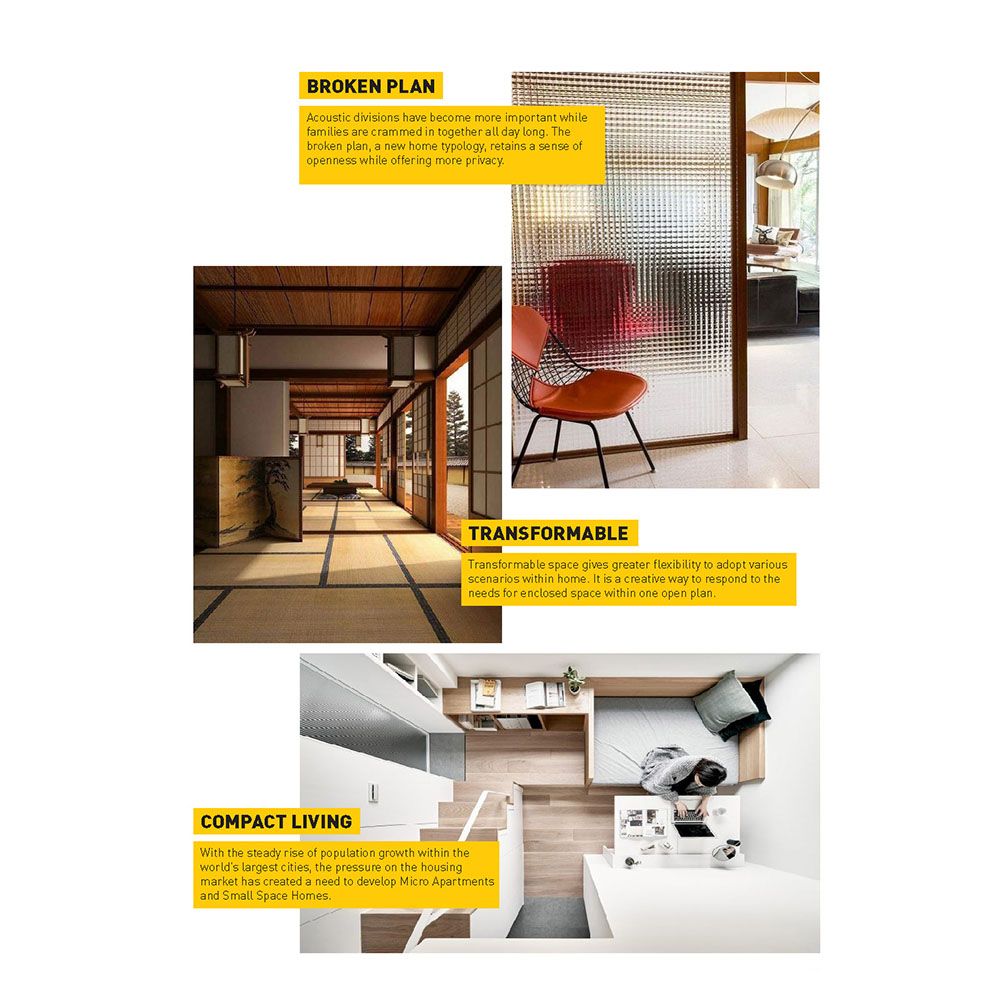
Rapidly changing technology is altering our traditional living patterns and routines. In response, households are adjusting their dwelling space. During pandemic lockdowns, people quickly realised various types of segregated spaces were necessary given the extended amounts of time that people spent together at home, and as people introduced their out-of-home life into the space. Broken-plan and transformable layouts allow families to work, learn, and entertain while using their devices in private.
Personal Expression
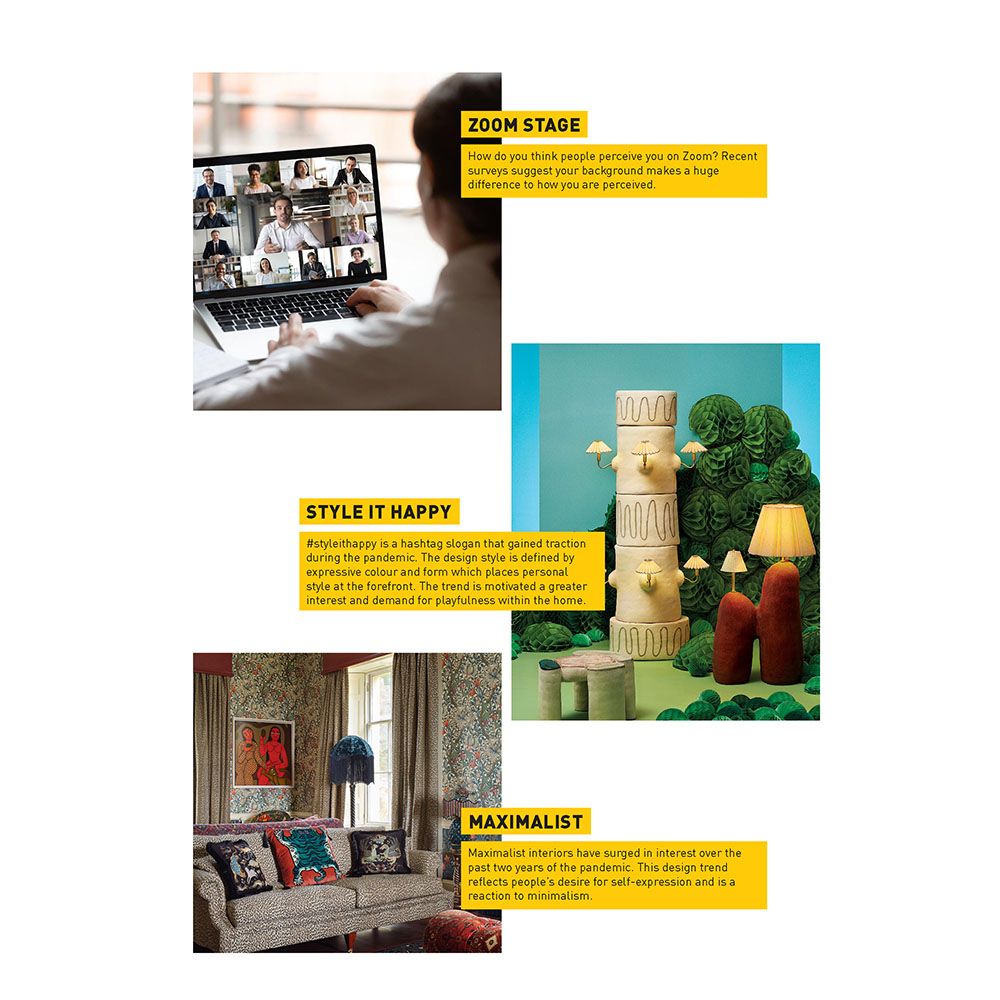
As people prioritise their physical and mental health, there is a higher demand for access to nature, clean air, natural light, and greenery. Outdoor and indoor aspects of the home are becoming more integrated to support both the body and the mind. Places for health and wellbeing are becoming even more important as work has encroached on home space. Households are looking for comfortable corners dedicated to resting and relaxing. The snug and nook provide the mental sanctuary for people seeking a home within (the hybrid) home.
Adaptability
The demand for greater adaptability, flexibility, and versatility is defining the 21st century home. These value shifts stem from us simultaneously spending more time at home and using our home for a greater number of activities. The ability to reconfigure and adapt the home to suit a diverse range of activities and ages will only become more important with the rise of the multi-generational households. To cope with these trends, the ability to fashion the home for various purposes, people, and furry friends is quickly becoming an essential characteristic of all dwelling spaces.
4. Conclusion + Credits
As more long-term data becomes available, these trends and the overall impacts of the pandemic on homes will likely become even clearer.
PLP Lead Researchers
Contributor