Assessment of Ascension Island
PLP Labs developed a housing strategy for Ascension Island. On one of the world’s most remote islands, where supplies take weeks to arrive, they reimagined how entire communities can be rebuilt sustainably. In partnership with academics from the University of Cambridge, the team produced a detailed plan for low-carbon, climate-resilient homes using biobased materials and retrofitting existing infrastructure.
The work safeguards the future of a community facing extreme isolation and a changing climate. Through research, logistics and design, the strategy delivers a pathway to durable, comfortable living on this remarkable island.
1. Introduction
What does a comprehensive housing replacement strategy look like on a remote island?
The redevelopment of Ascension Island’s housing stock is an opportunity to deliver an exemplar development which adapts to and mitigates climate change.
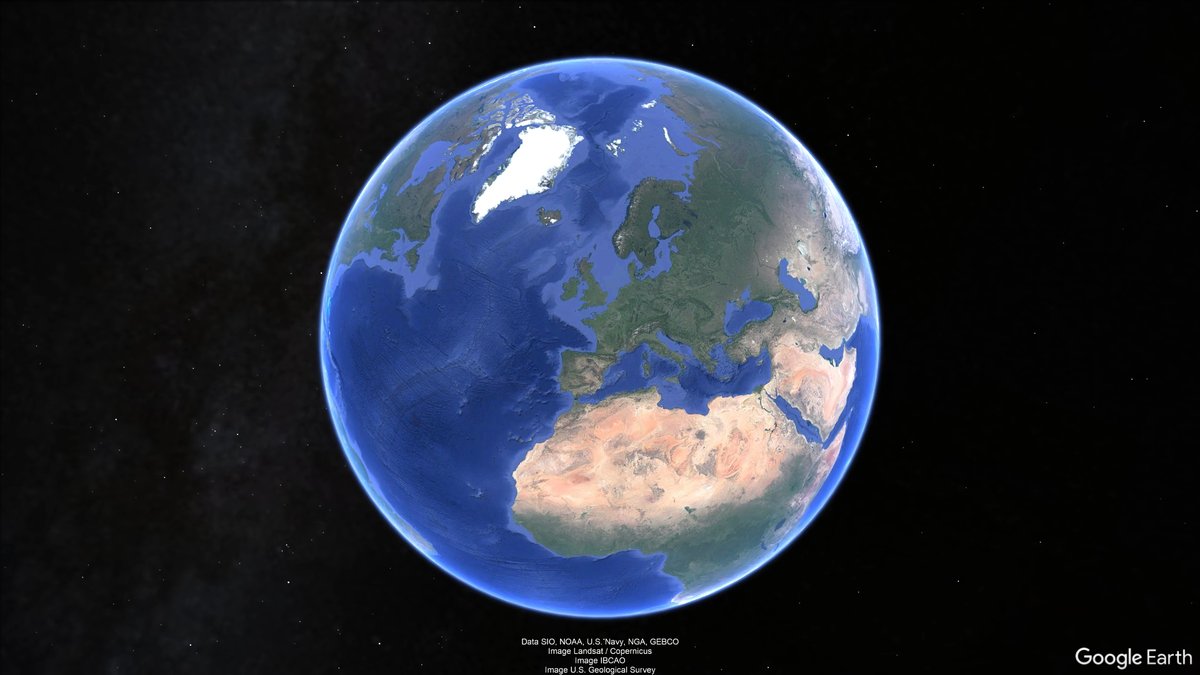
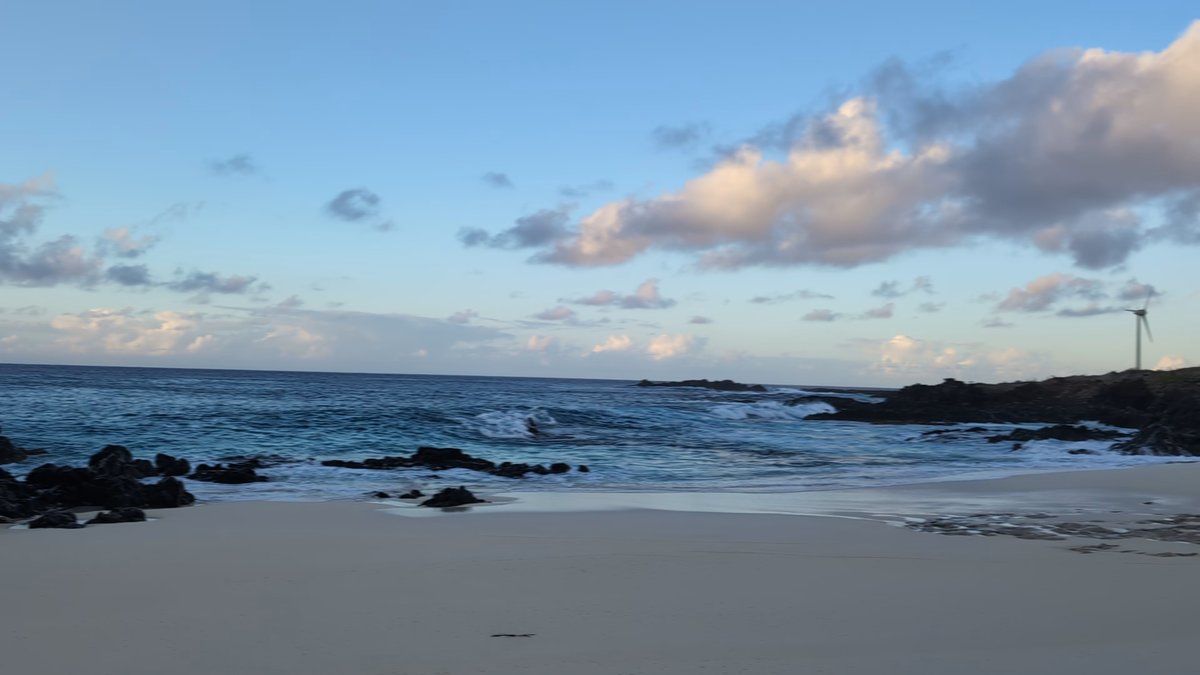
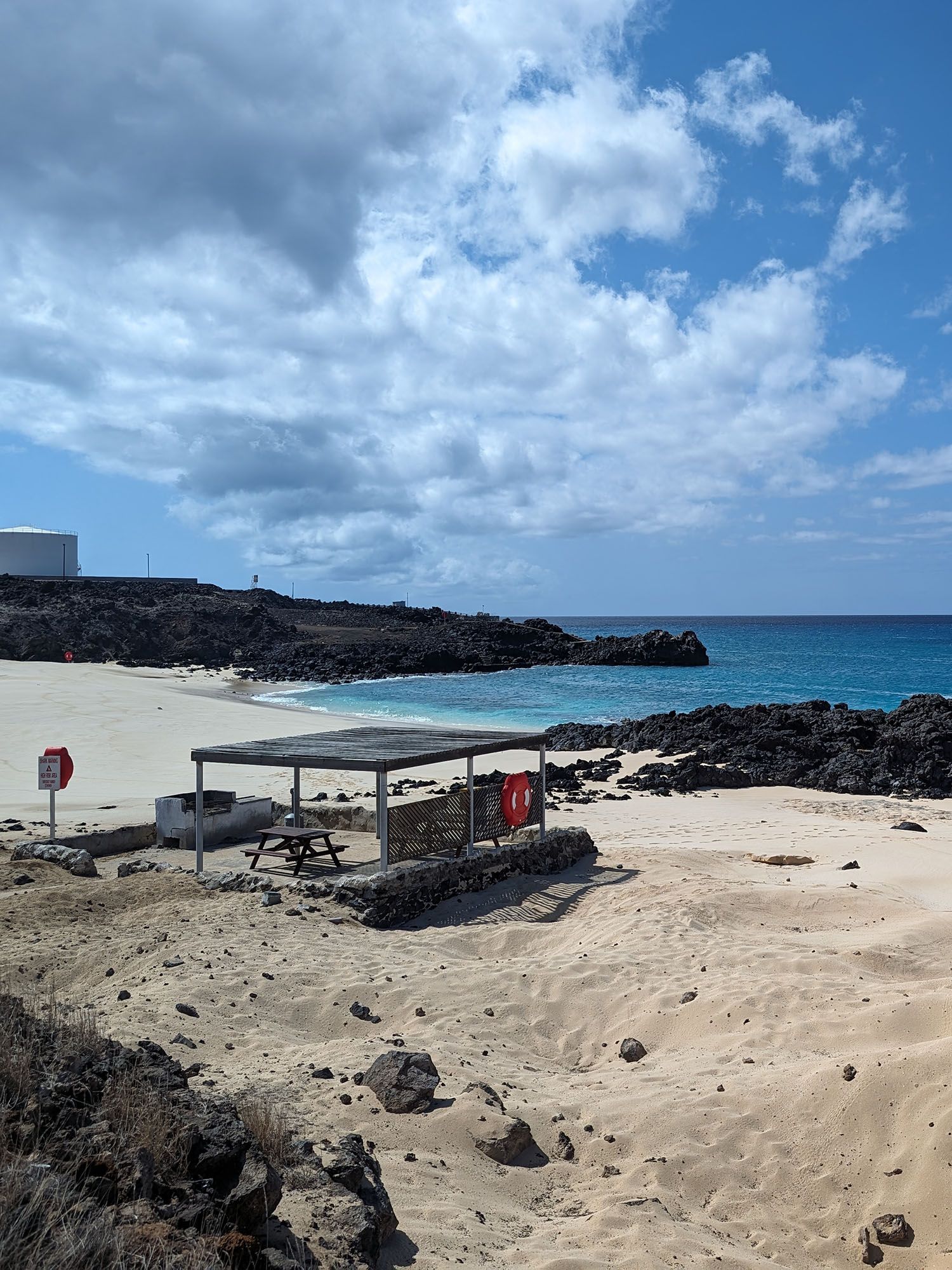
Ascension Island is located in the South Atlantic Ocean, midway between South America and Africa.
Following an extensive review of Ascension Island’s housing, infrastructure, and climate conditions, we identified an urgent need for a coordinated housing replacement strategy.
Three key areas of focus:
2. Discover
We conducted a site visit on the island and engaged with local stakeholders to grasp the gravity of the housing and infrastructure needs, as well as experience the unique context in which the residents live.
During the discovery phase we reviewed of the island's infrastructure, construction capacity, and housing performance. The study identified systemic challenges impacting the island’s existing housing stock and future development.
The findings are organised into three core themes
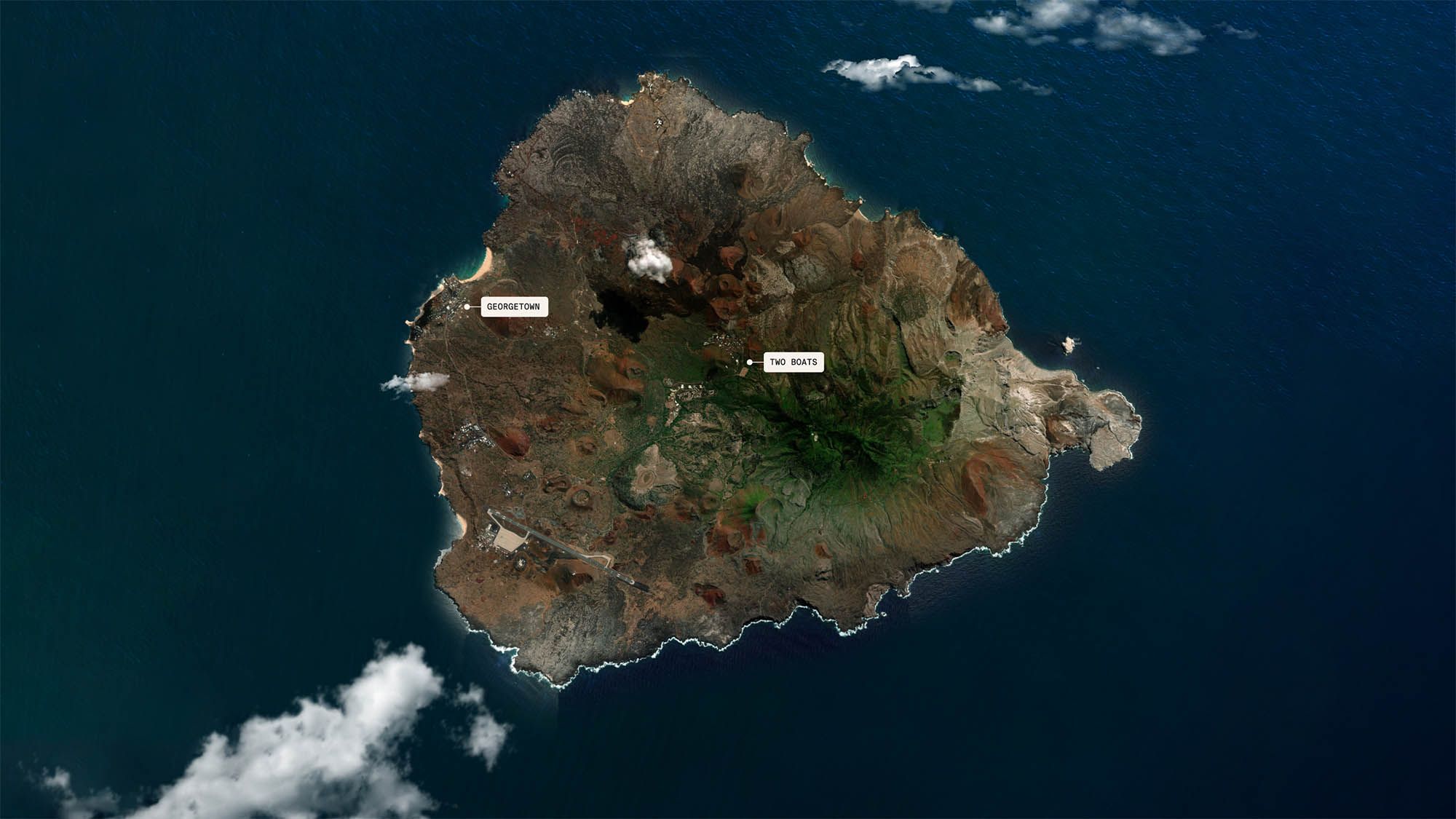
Satellite image of Ascension Island, with the two major towns Georgetown and Two Boats identified
Two Boats
Strategy B: Refurbish sub-structure
Strategy C: Rebuild


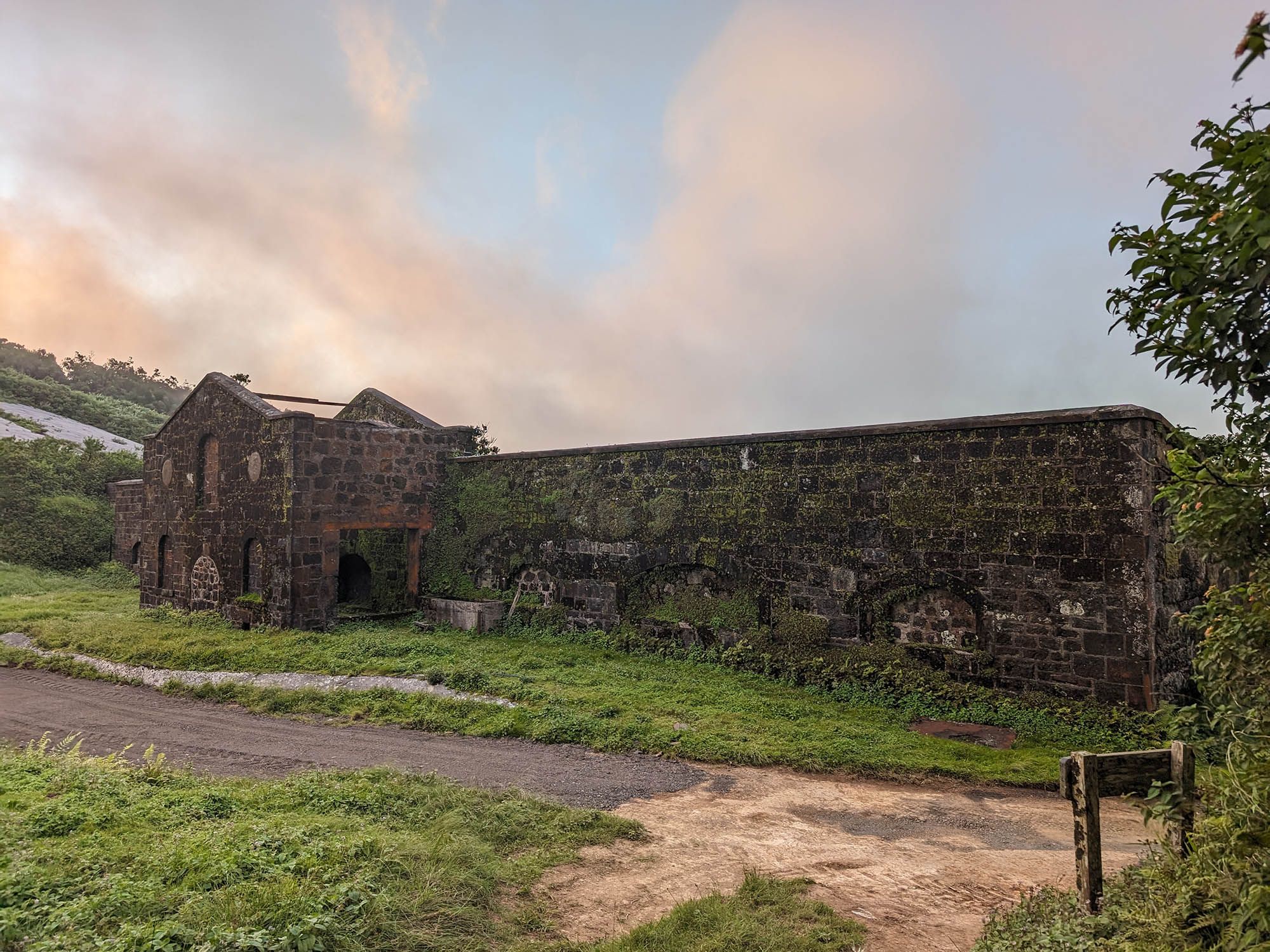
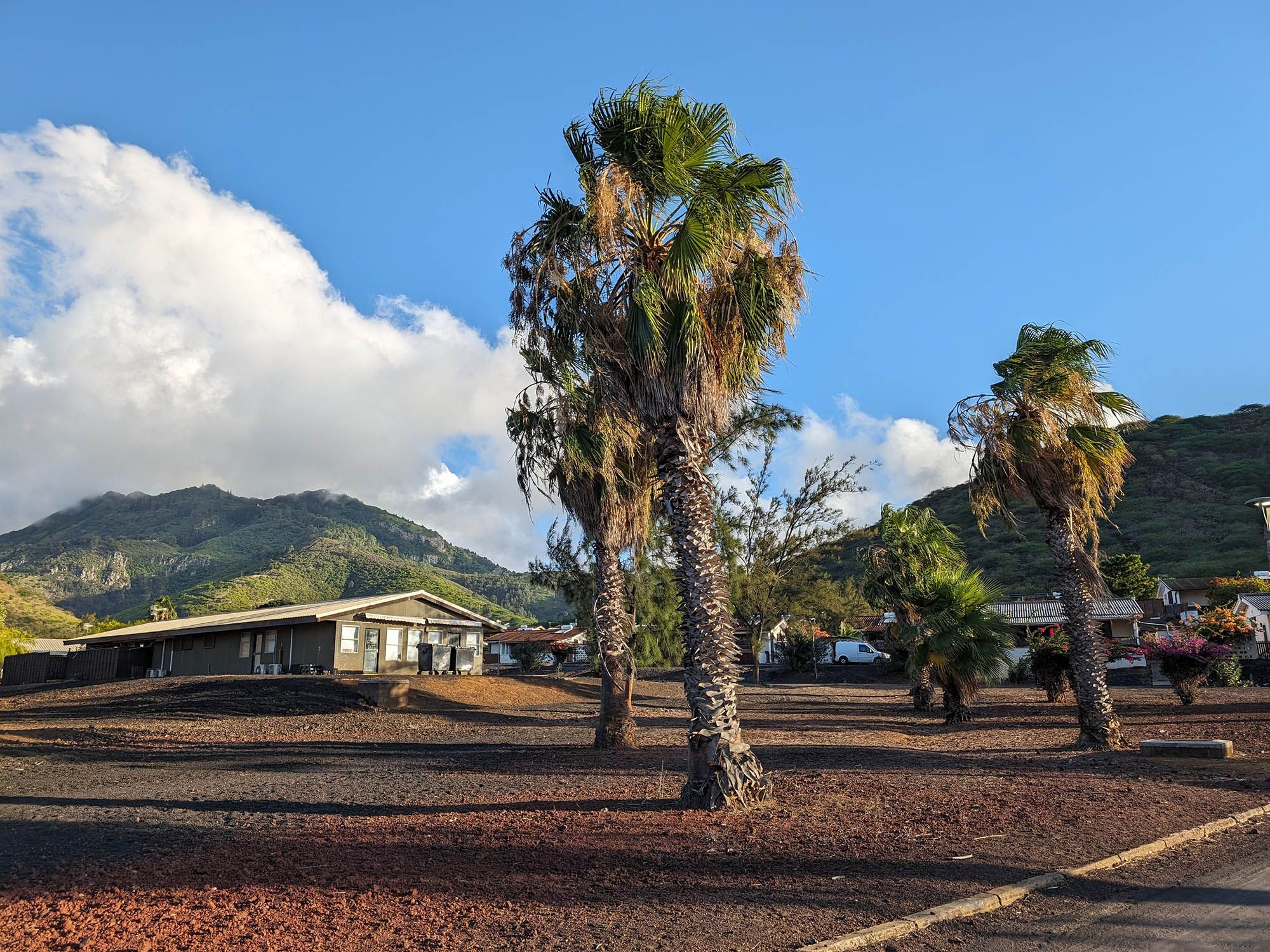
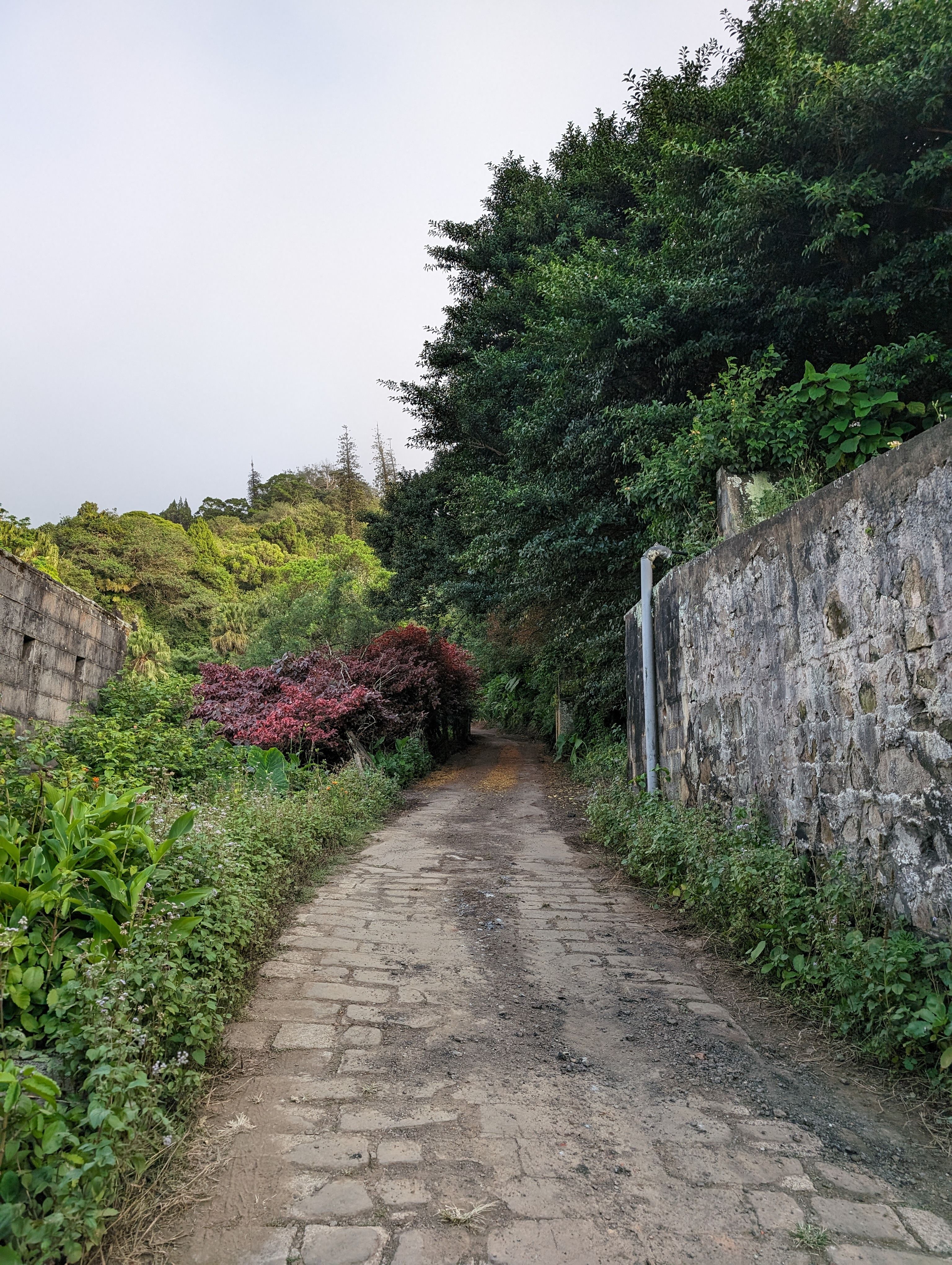
Afternoon views of Green Mountain on Ascension Island
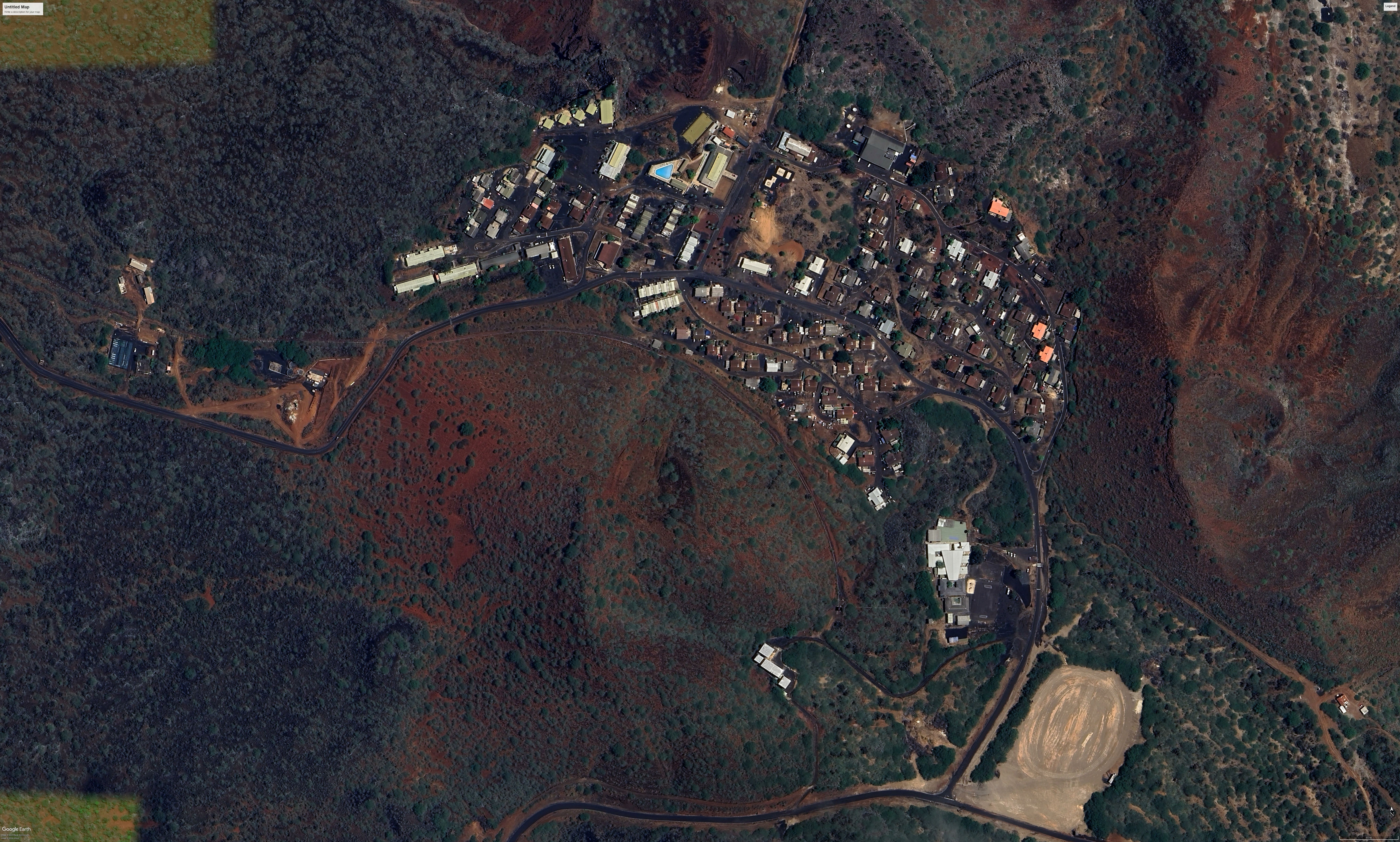
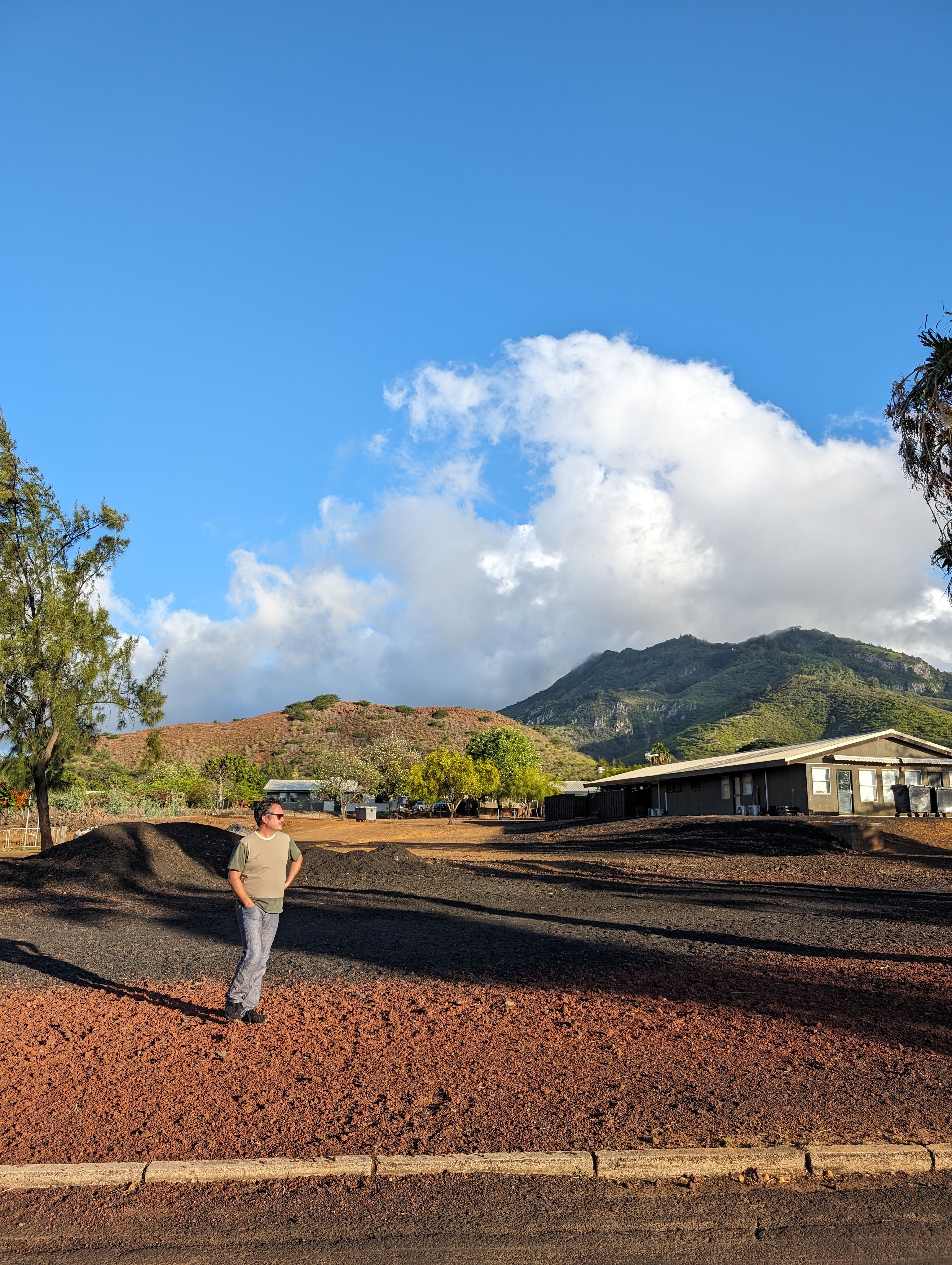
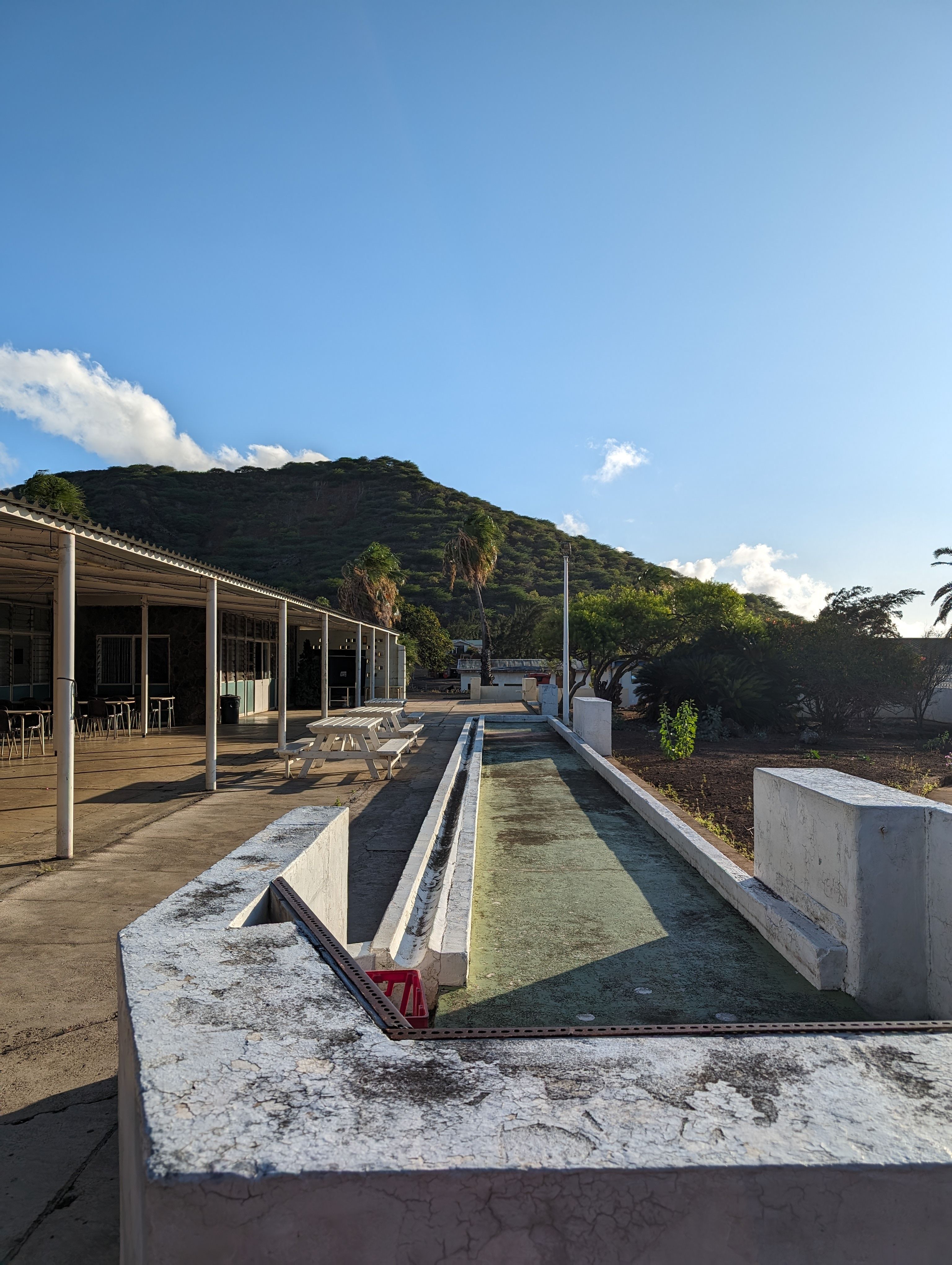
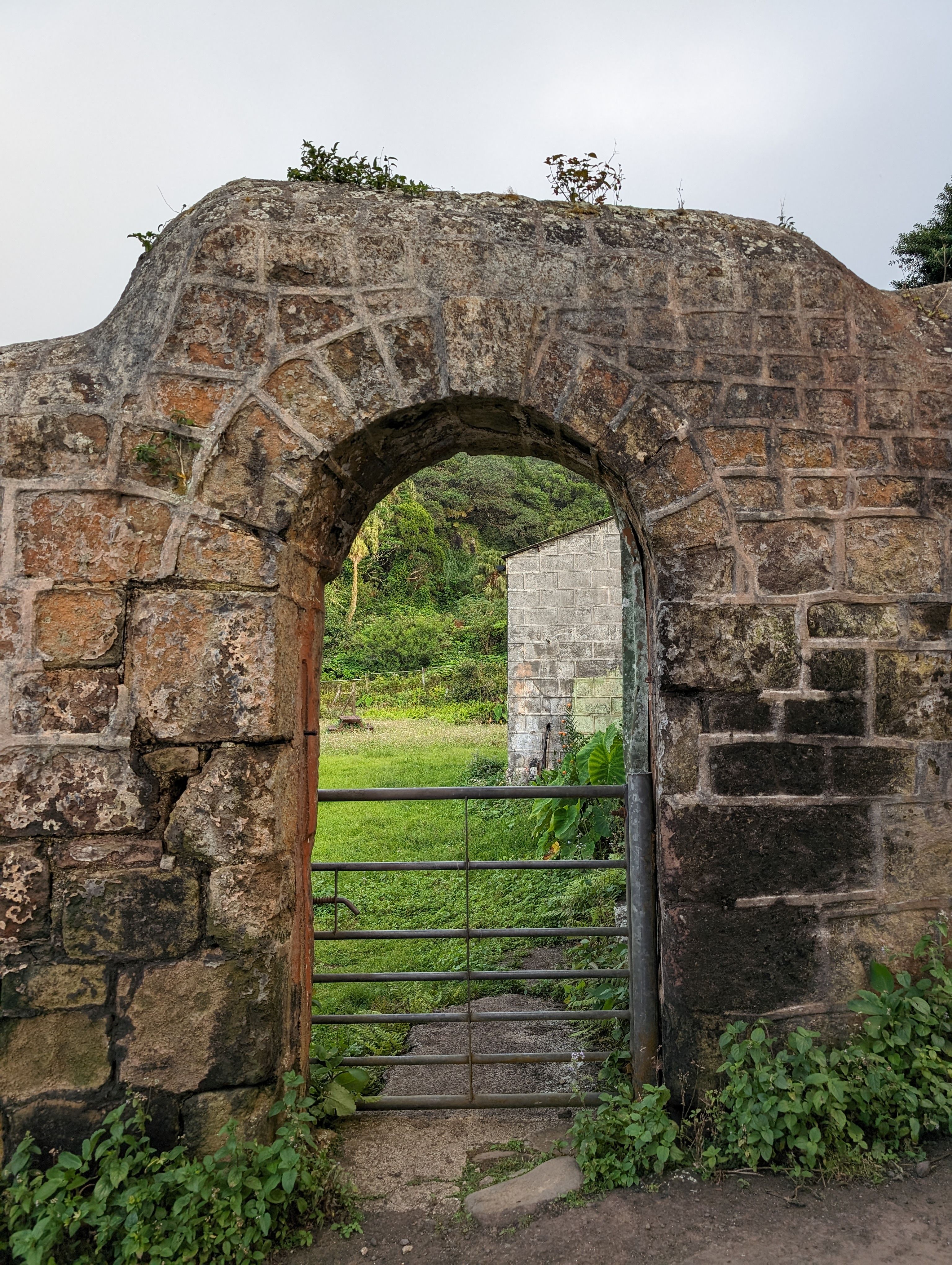
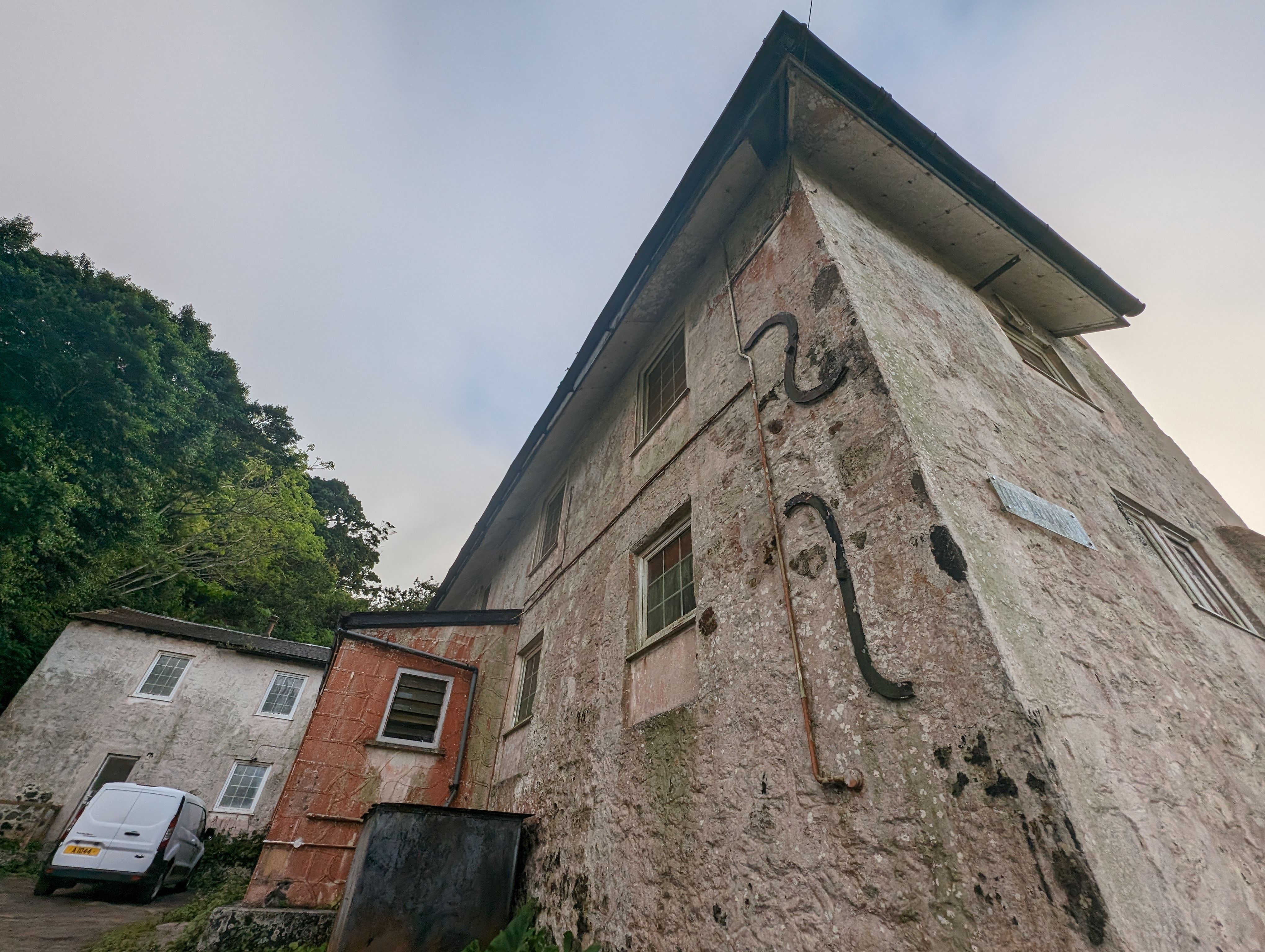

Georgetown
Strategy A: Refurbish sub and wall super structure
Strategy B: Refurbish sub-structure
Strategy C: Rebuild
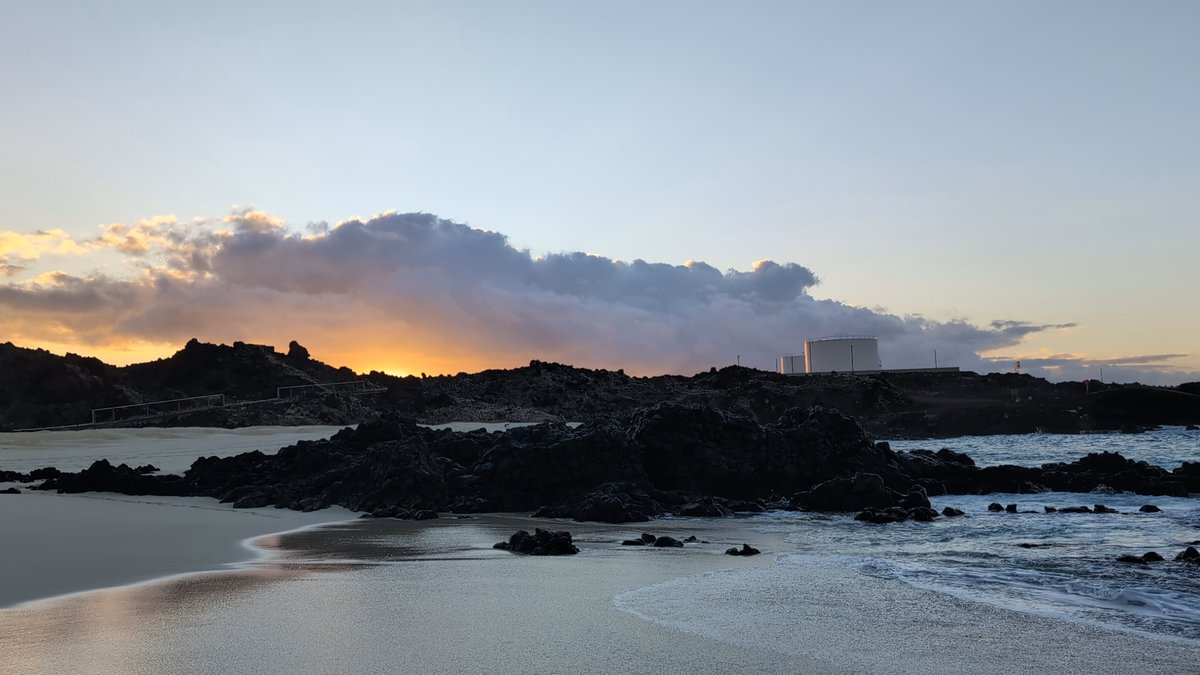
The island is located in one of the world's largest Marine Protected Areas (MPAs) which prohibits commercial fishing and mineral extraction.
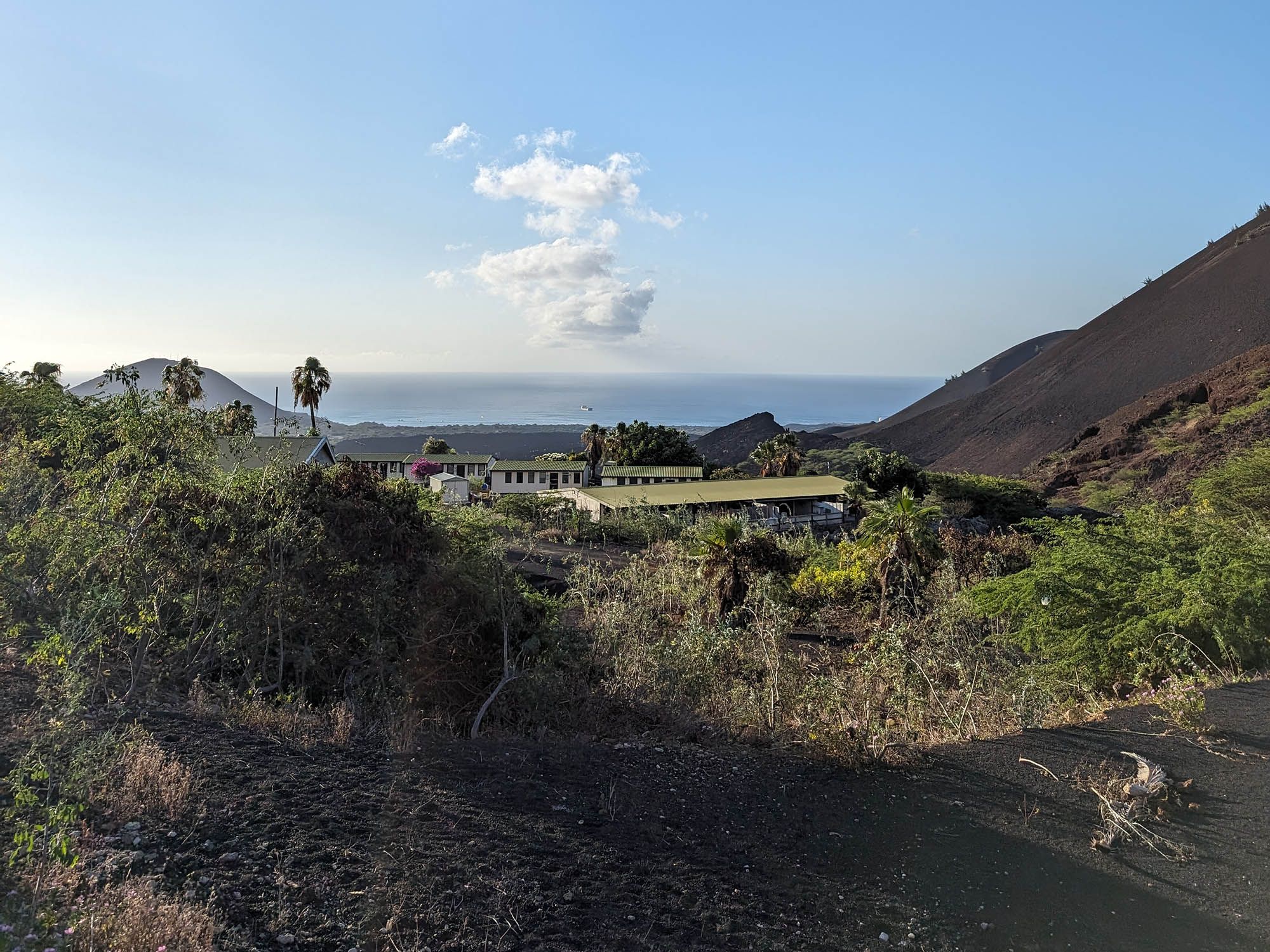
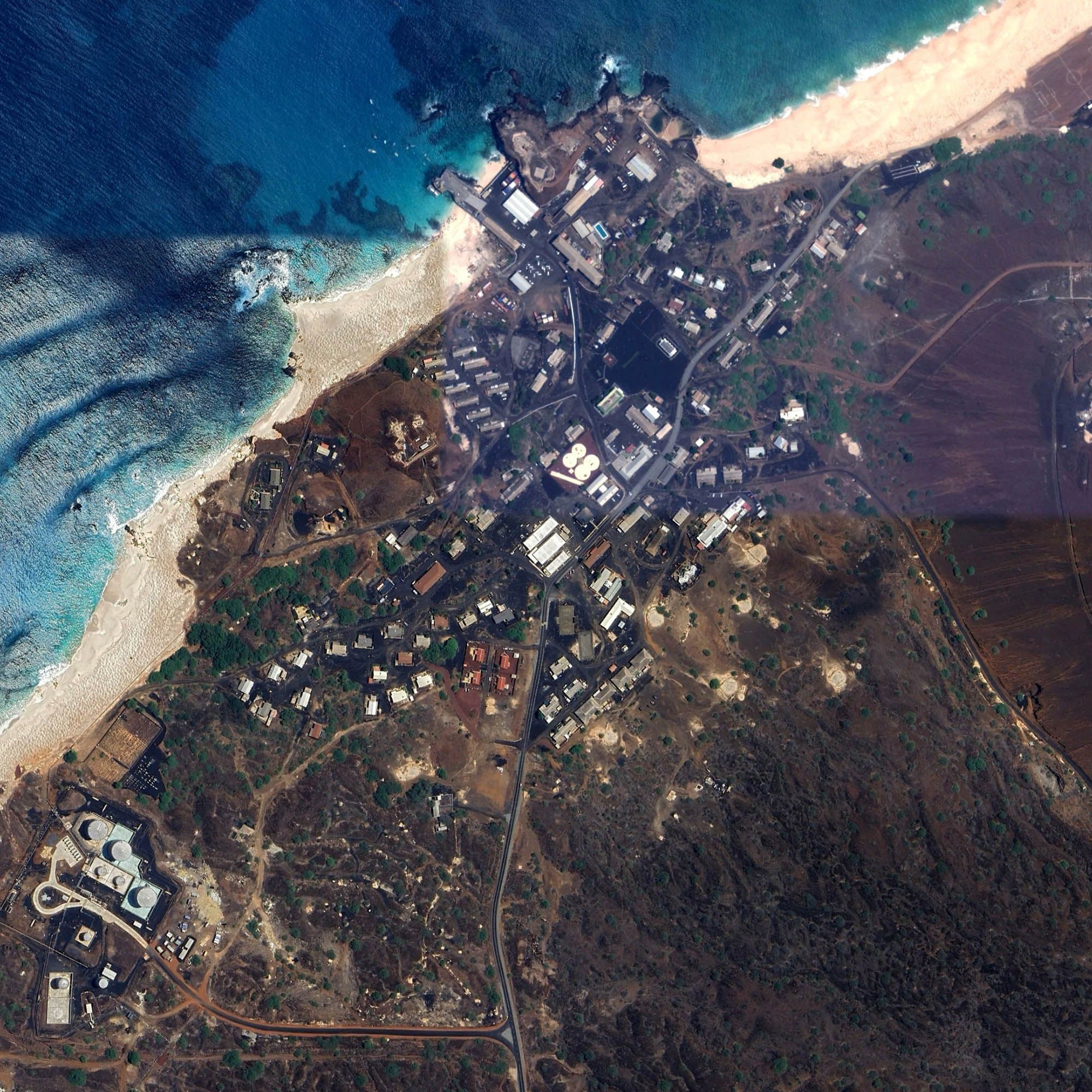
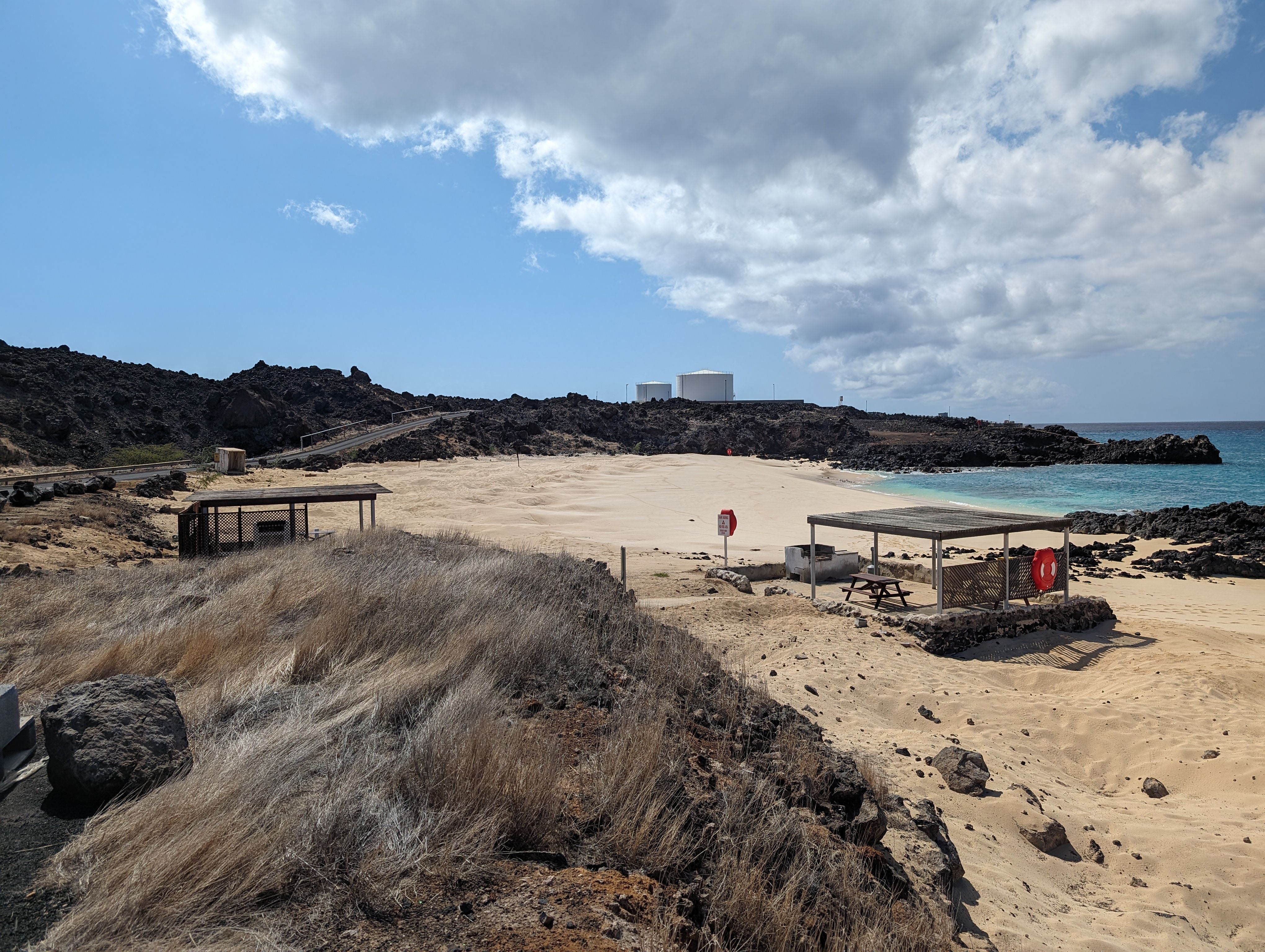
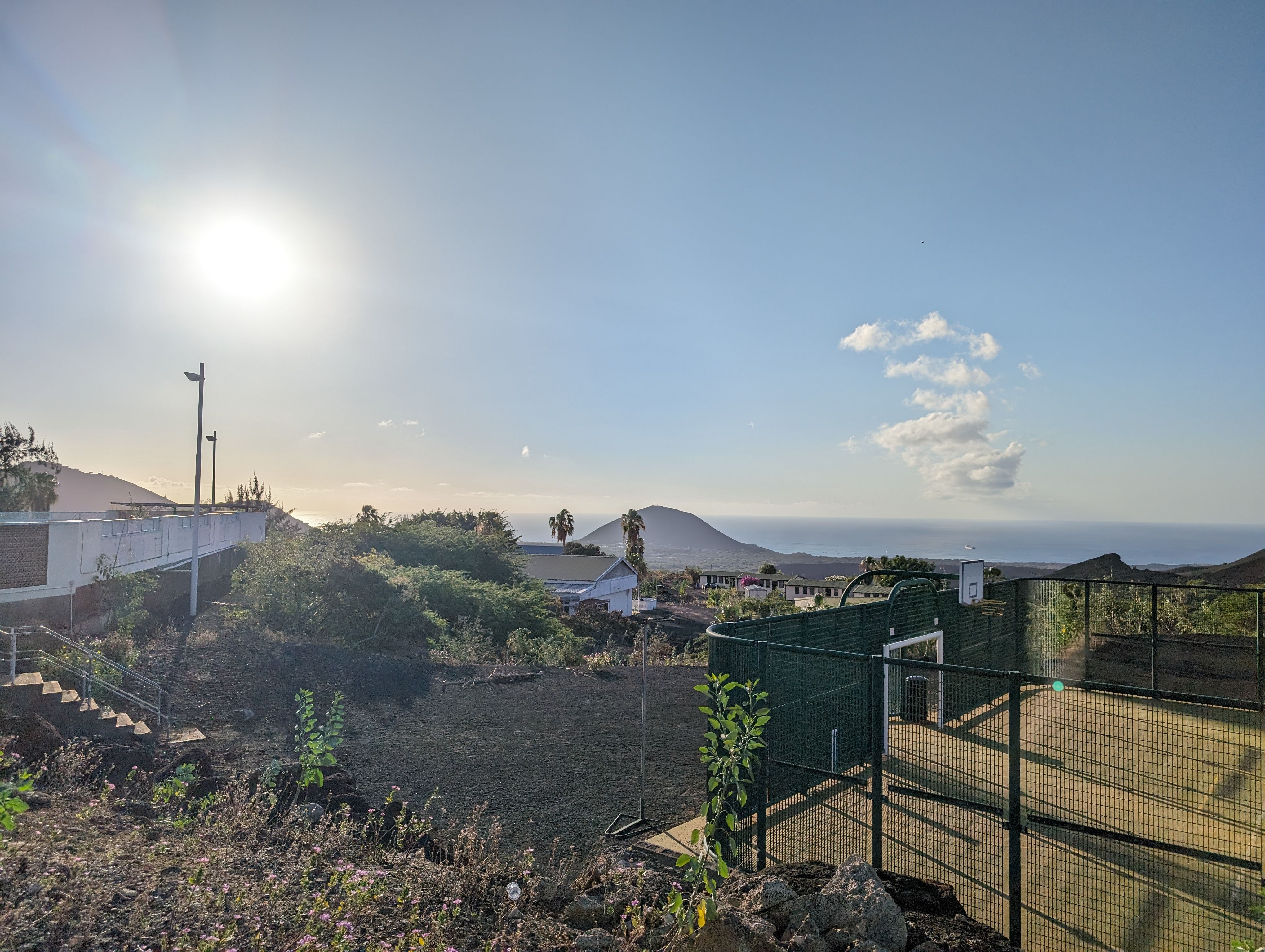
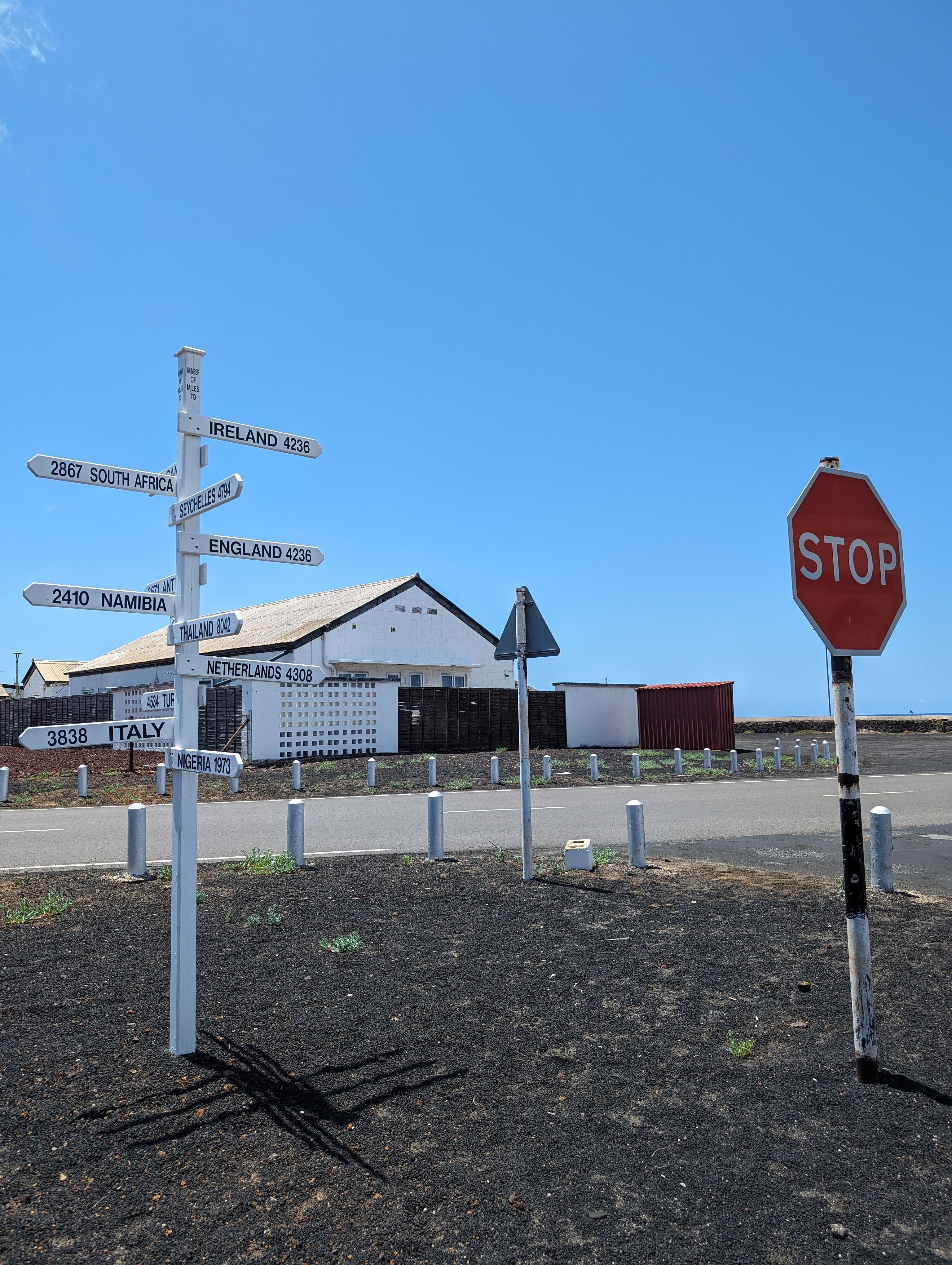
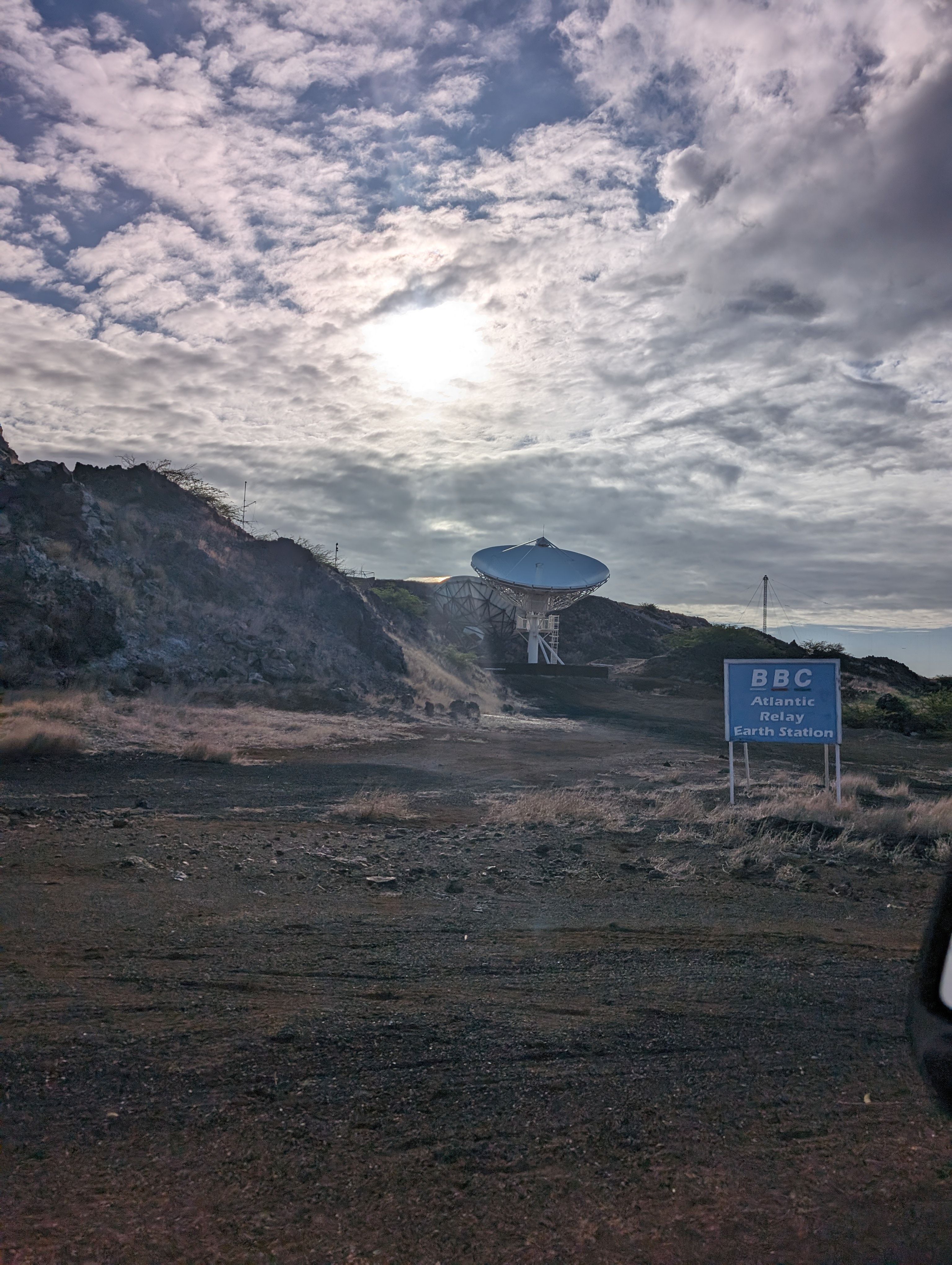
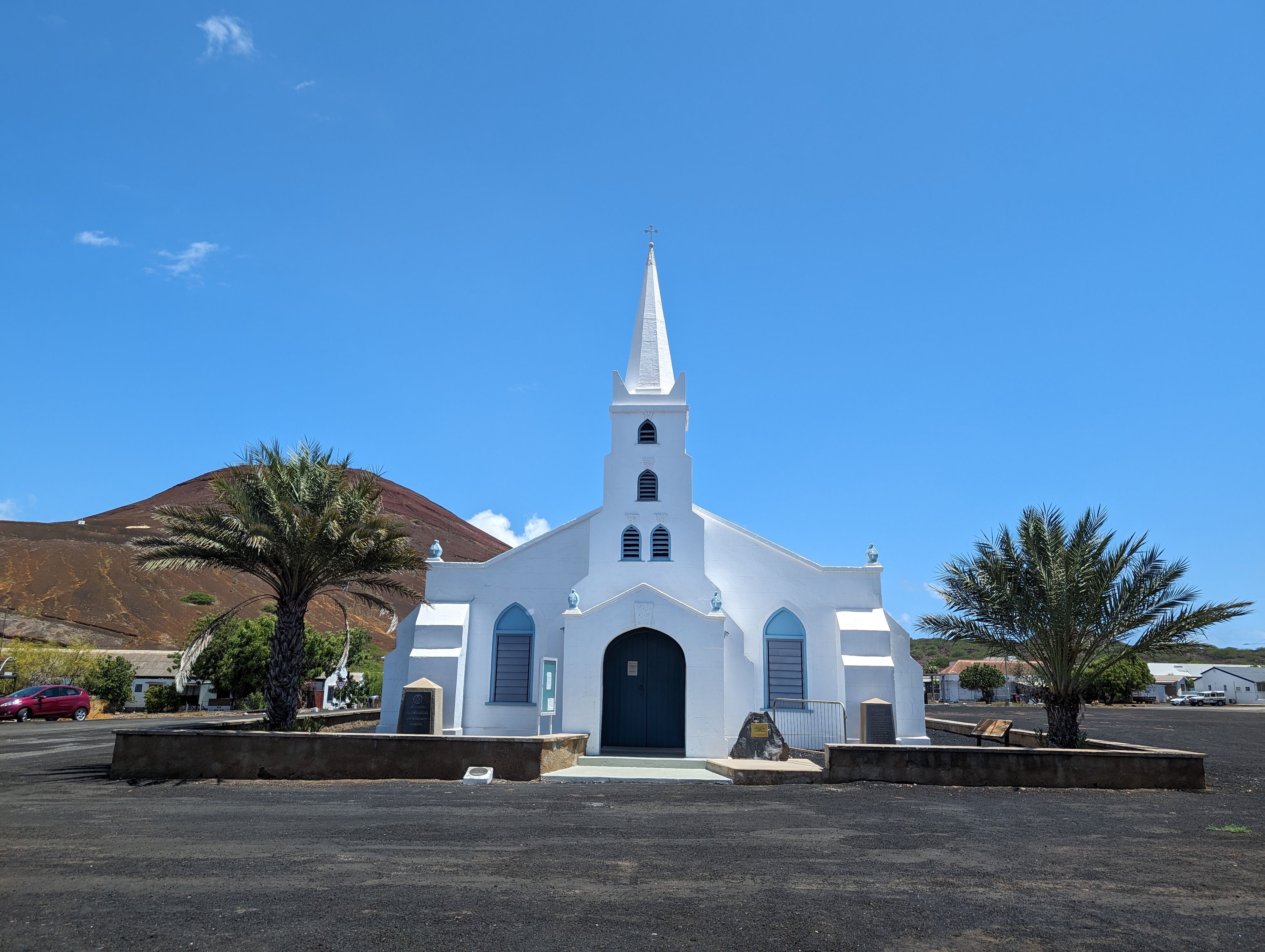
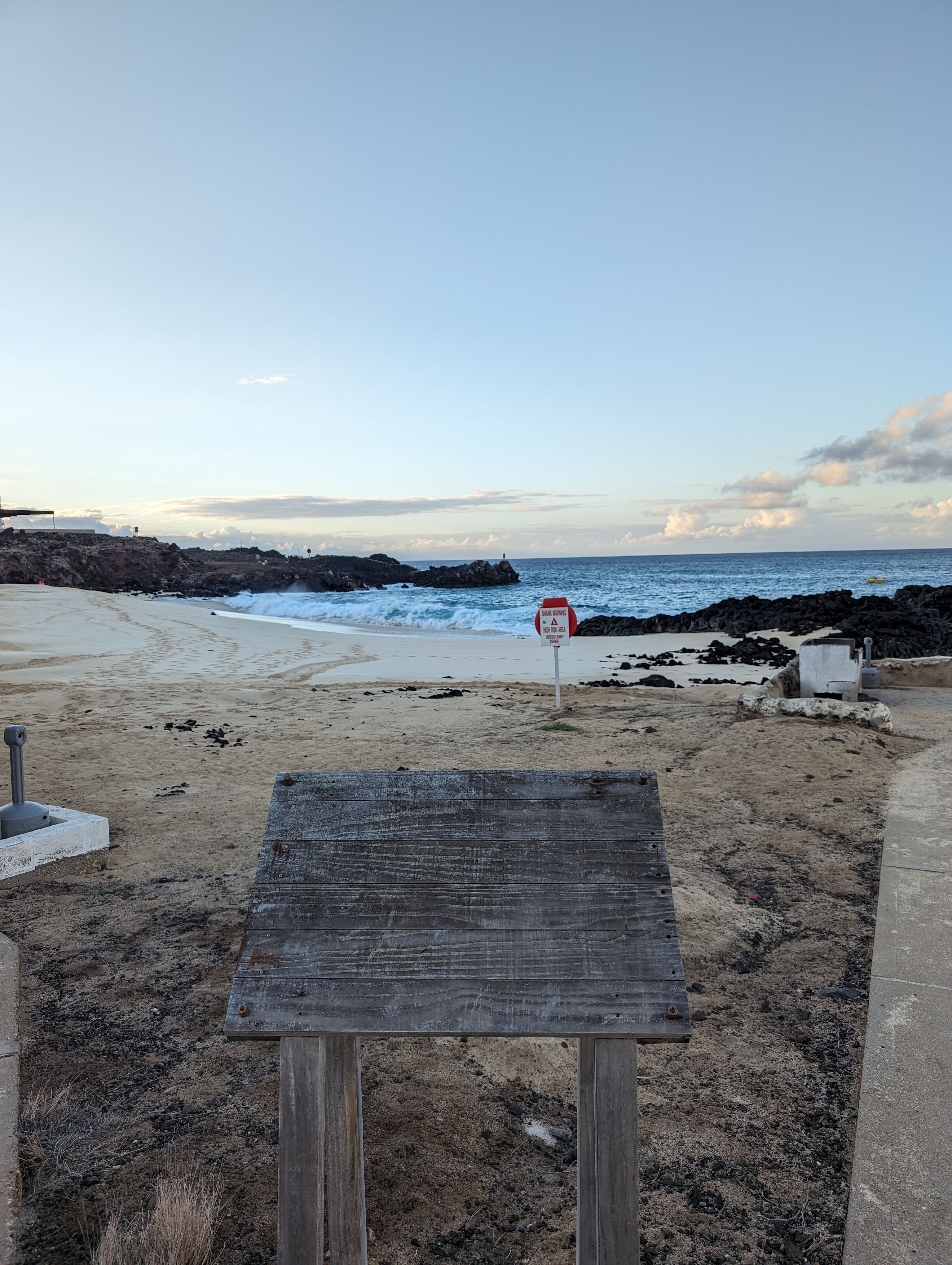

Diagram of the compounding issues of housing on the island
3. Material
The material strategy was developed to identify robust, low-carbon solutions suited to Ascension Island’s extreme climate and logistical constraints. Each element was carefully assessed for performance, sustainability, and practicality to ensure the housing strategy delivers durable, efficient, and environmentally responsible homes.
The findings are organised into four core themes
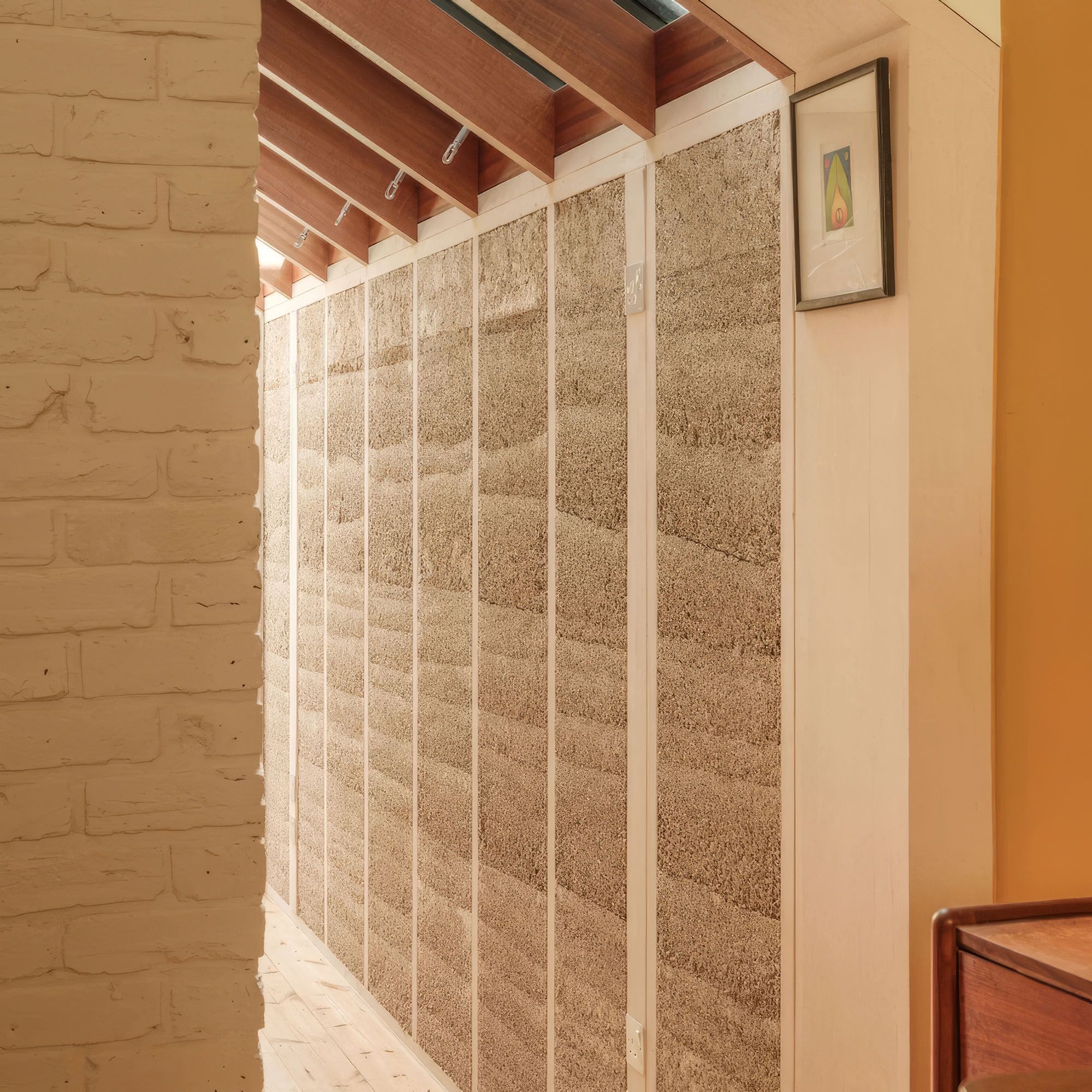
Walls made with hemp blocks.
The IsoHemp hemp block is a non-load-bearing insulating material ideal for the production of healthy and natural residential units. Hemp blocks have many advantages as they provide thermal and acoustic insulation, fire resistance, insect resistance and humidity control.
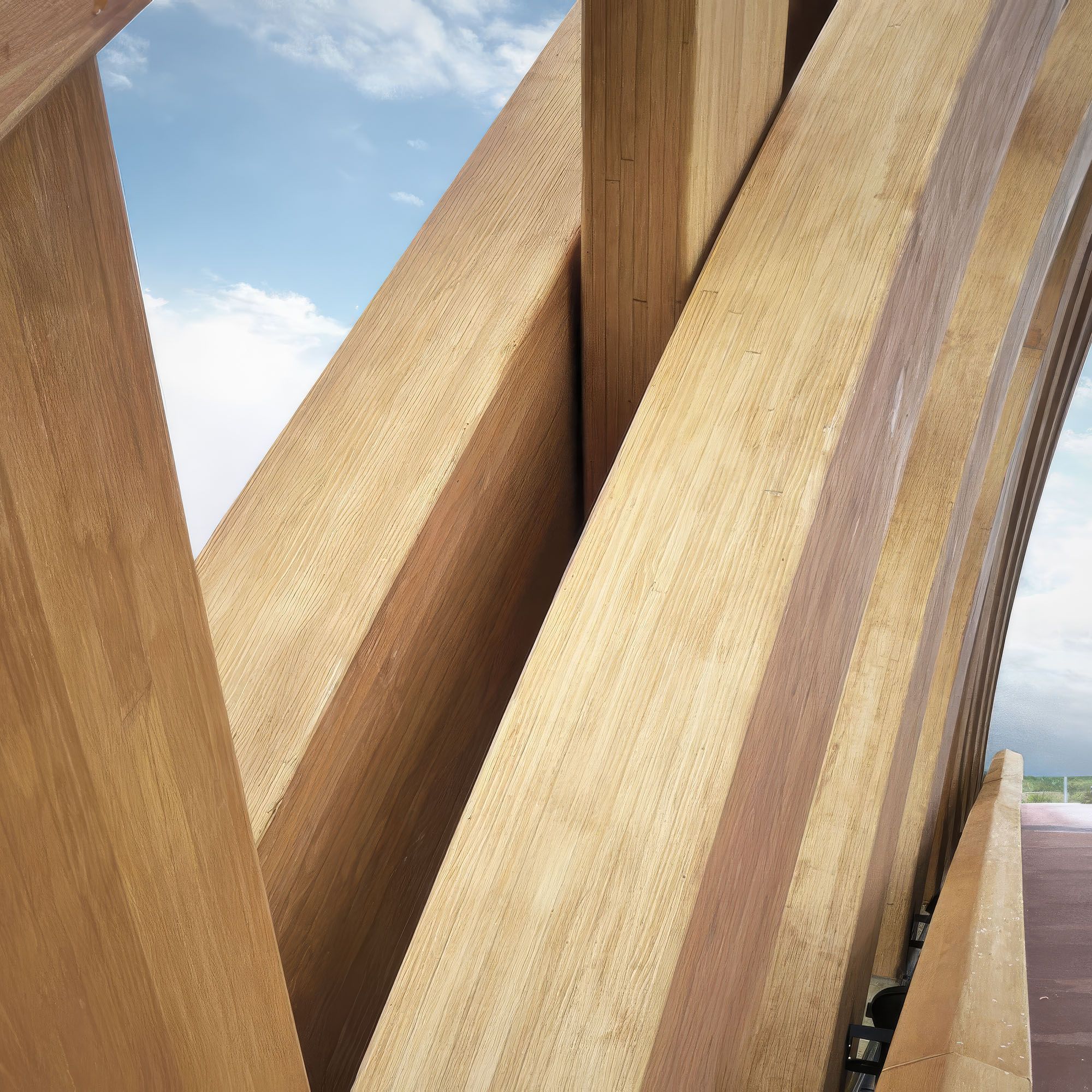
Structure made with accoya timber.
Accoya is made from sustainable wood treated through acetylation which highly increases the durability and stability of raw timber. Accoya is resistant to pest, needs low maintenaince and has an exceptional quality with a 50 year warranty for above ground applications. Accoya excels in any climate.
Partitions made with Stramen.tec.
All internal partitons are proposed as Stramen.tec. The product is the latest iteration of Stramit board, a product proven to be resilient on Ascension Island. The sheets are an alternative to plasterboard lined timber stud walls which are vulnerable to infestation. The panels require no additional structure and span between floor and ceiling level.

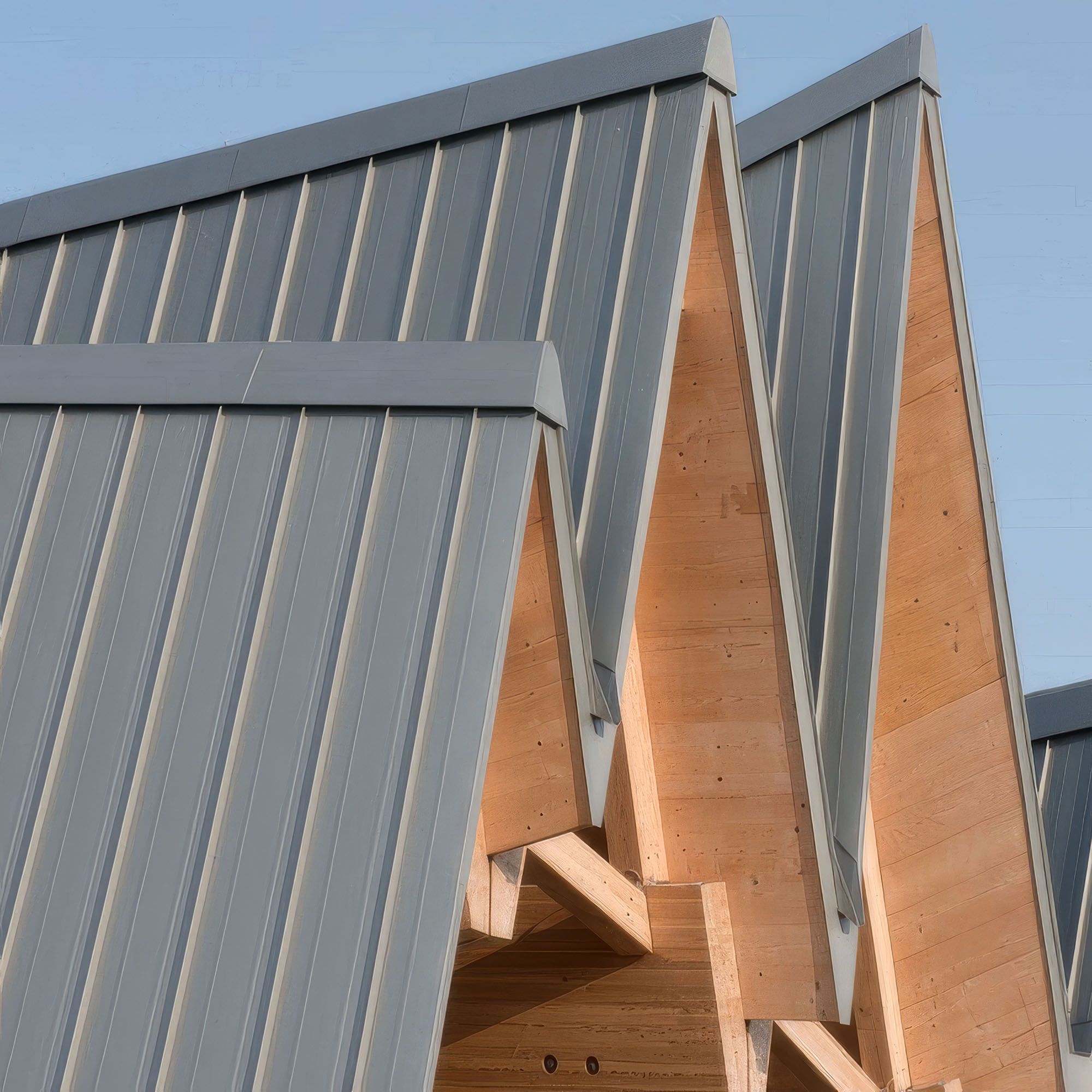
Roofing made with zink.
The Rheinzink sheathing is a high-quality material, robustly alloyed, durable and sustainable. It is made of zink with a small proportion of copper and titanium. This is the only cost effective covering that will provide a long term warranty in these conditions.

The lifecycle analysis of housing showing the difference in operational carbon of conventional construction and the proposed construction
4. Phasing
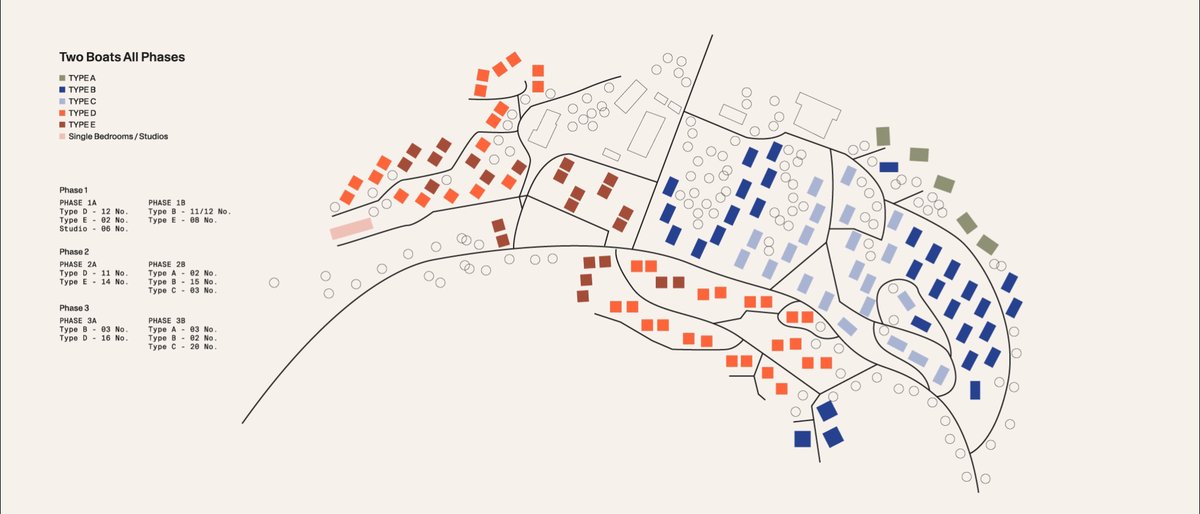
The phasing strategy was developed to manage the complex logistics of construction on Ascension Island, balancing freight capacity, contractor accommodation, and budgetary constraints. The plan ensures a practical, continuous approach to housing delivery while maintaining community stability throughout construction.
The Findings are Organised into 4 core themes
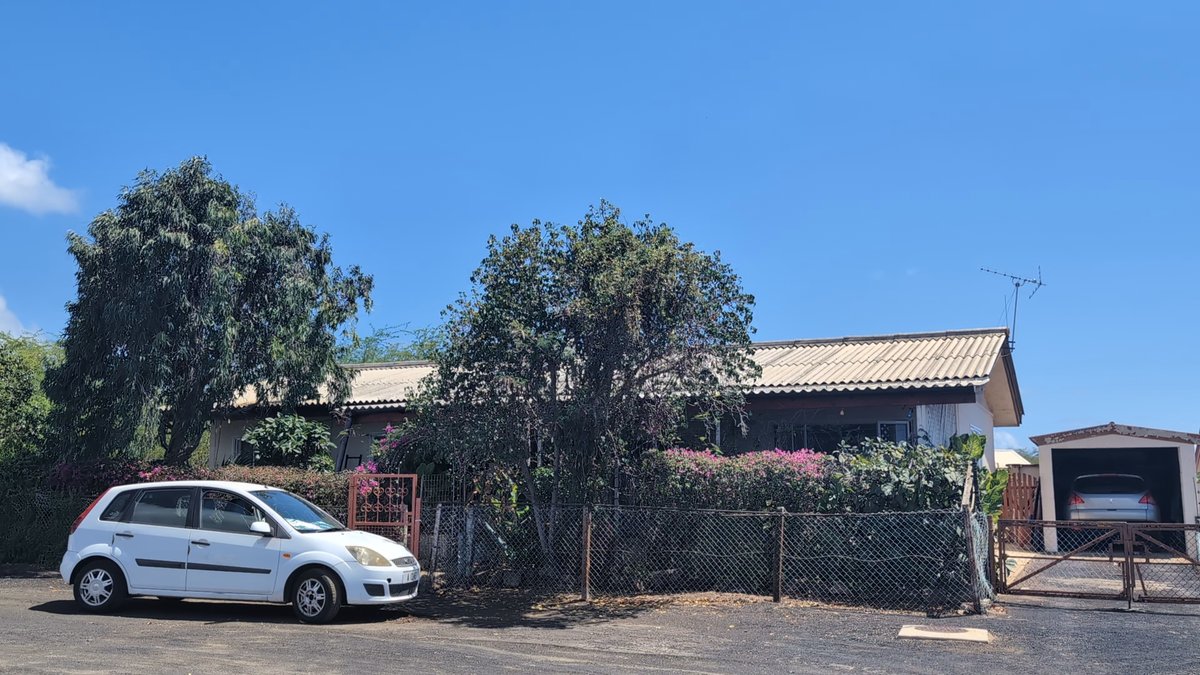
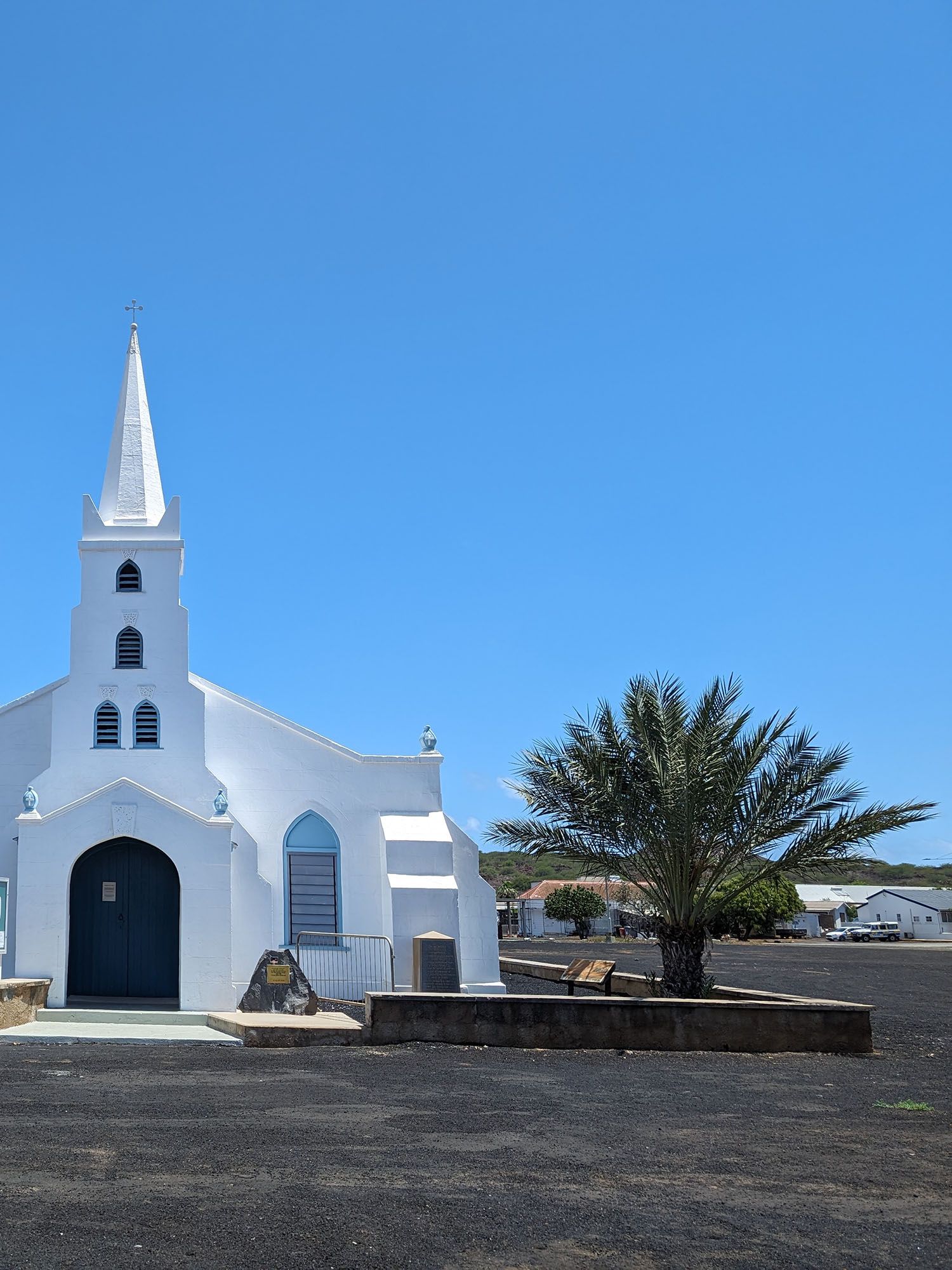
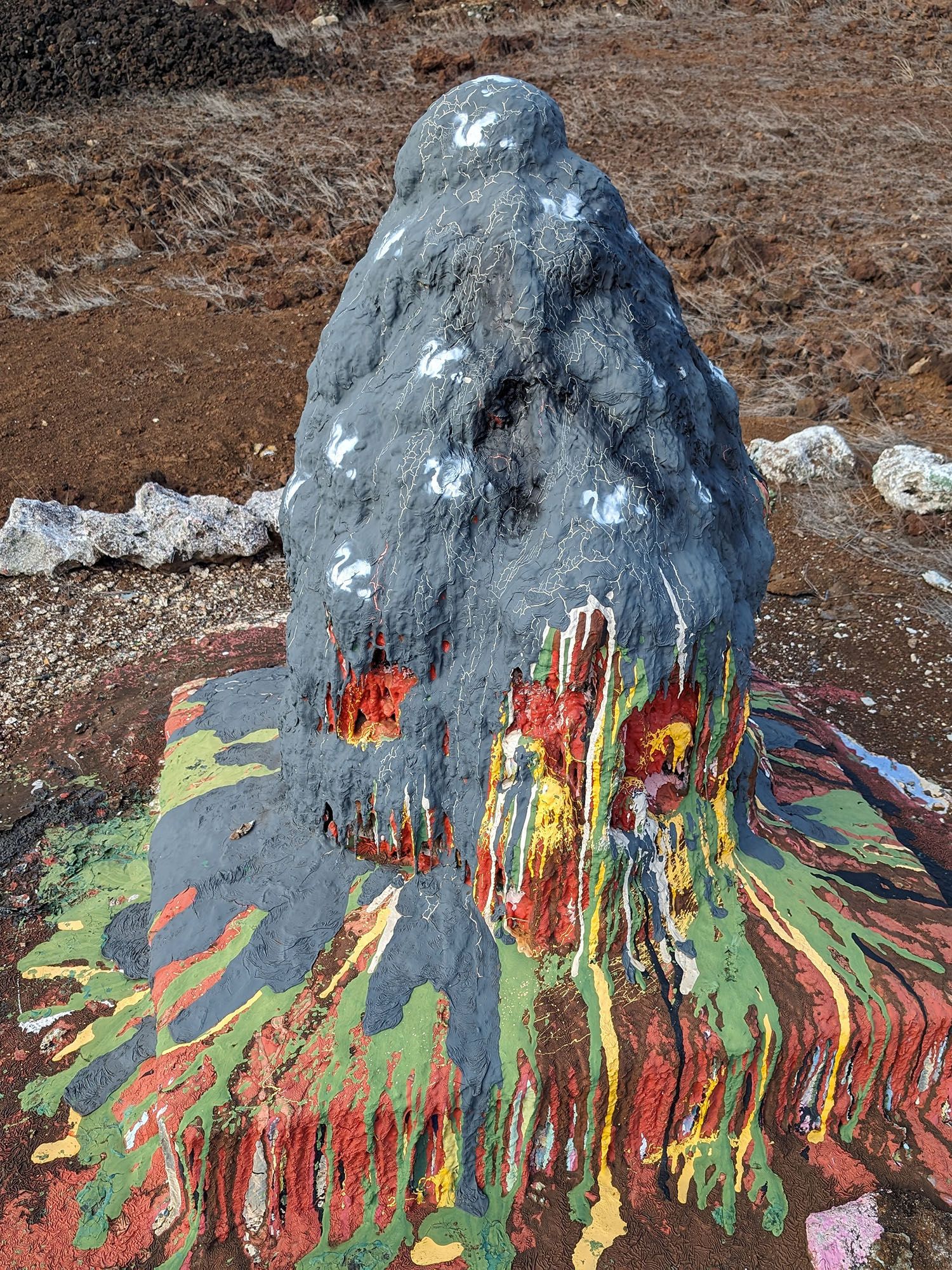
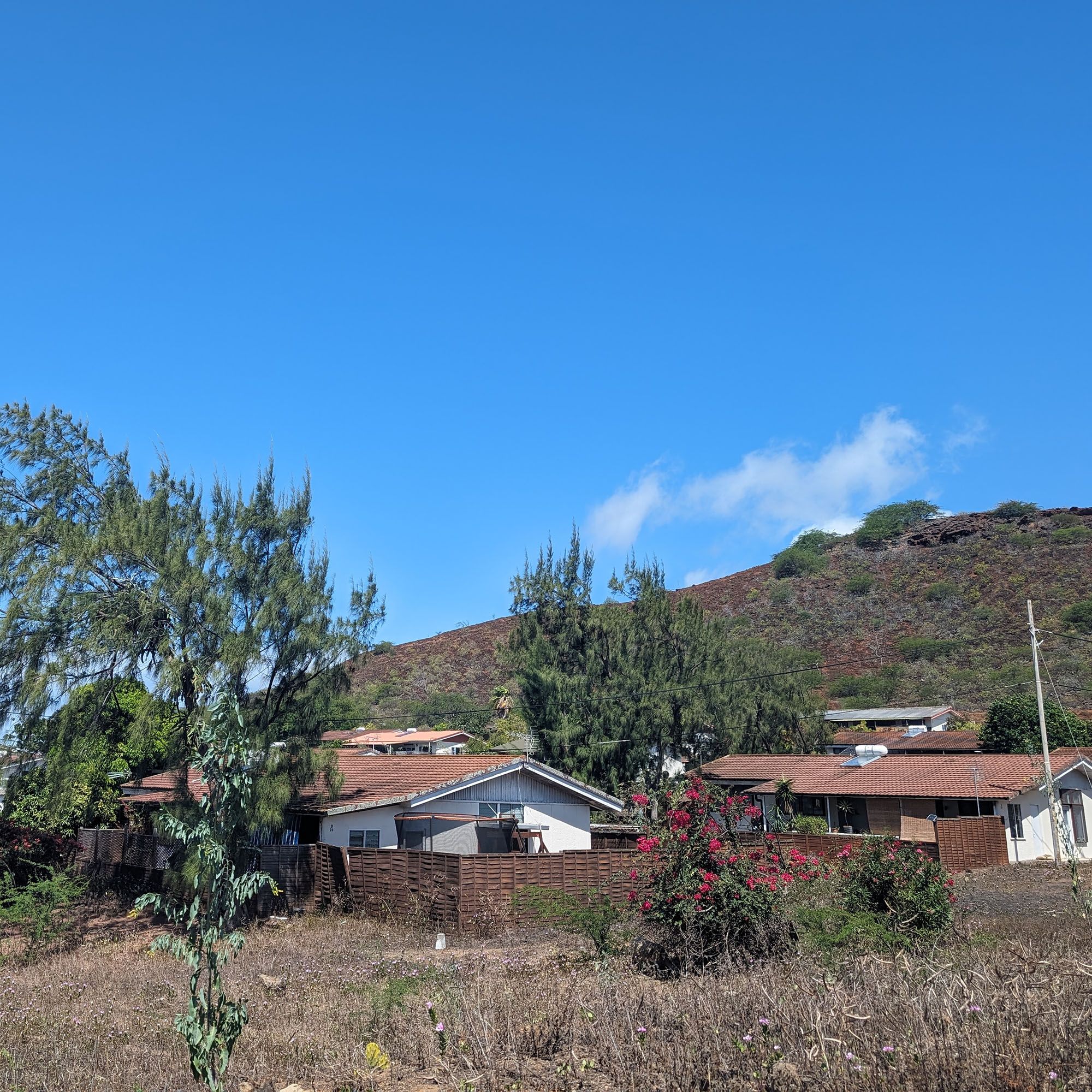
On the ground footage of the housing of Ascension Island.
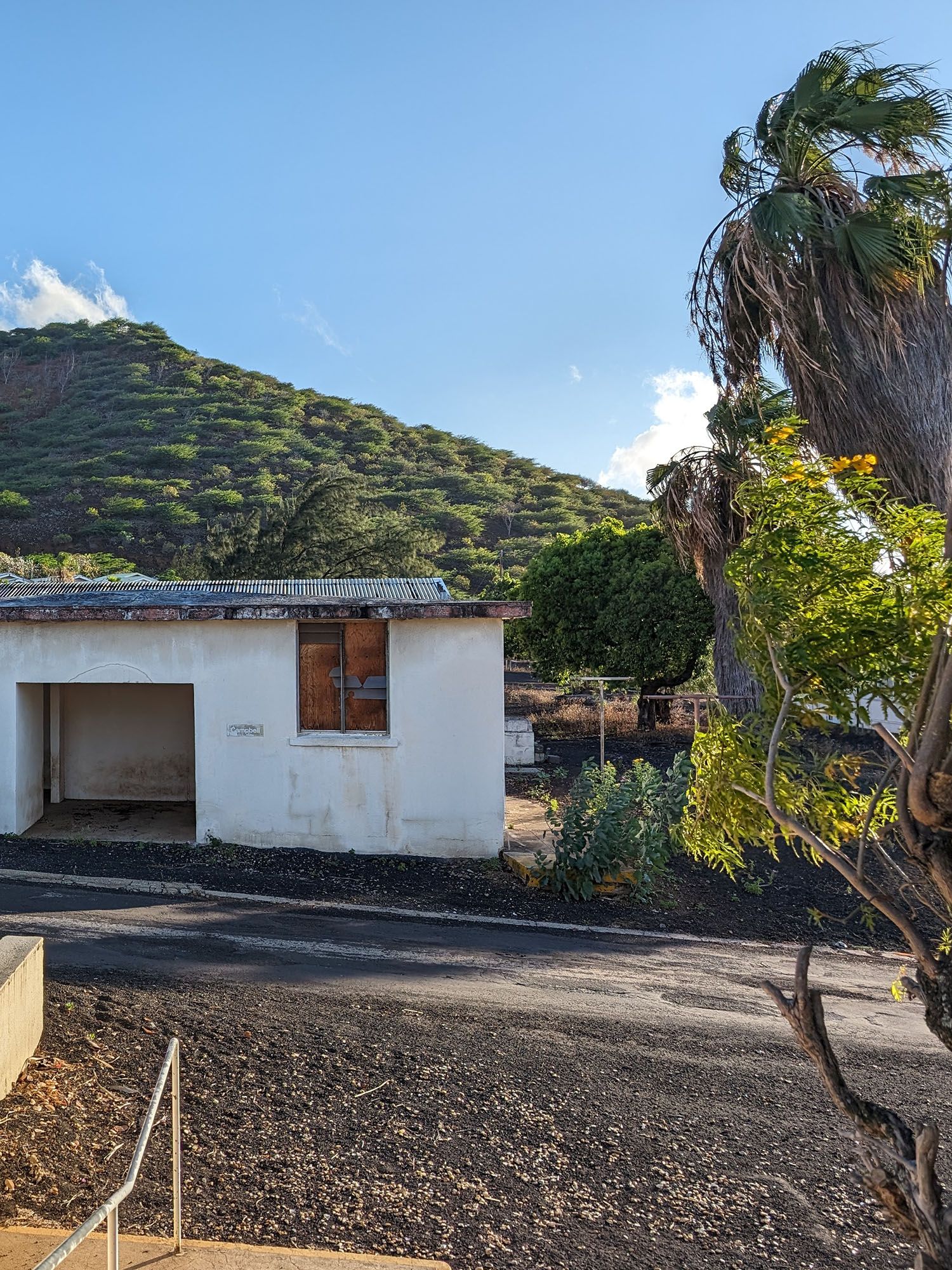
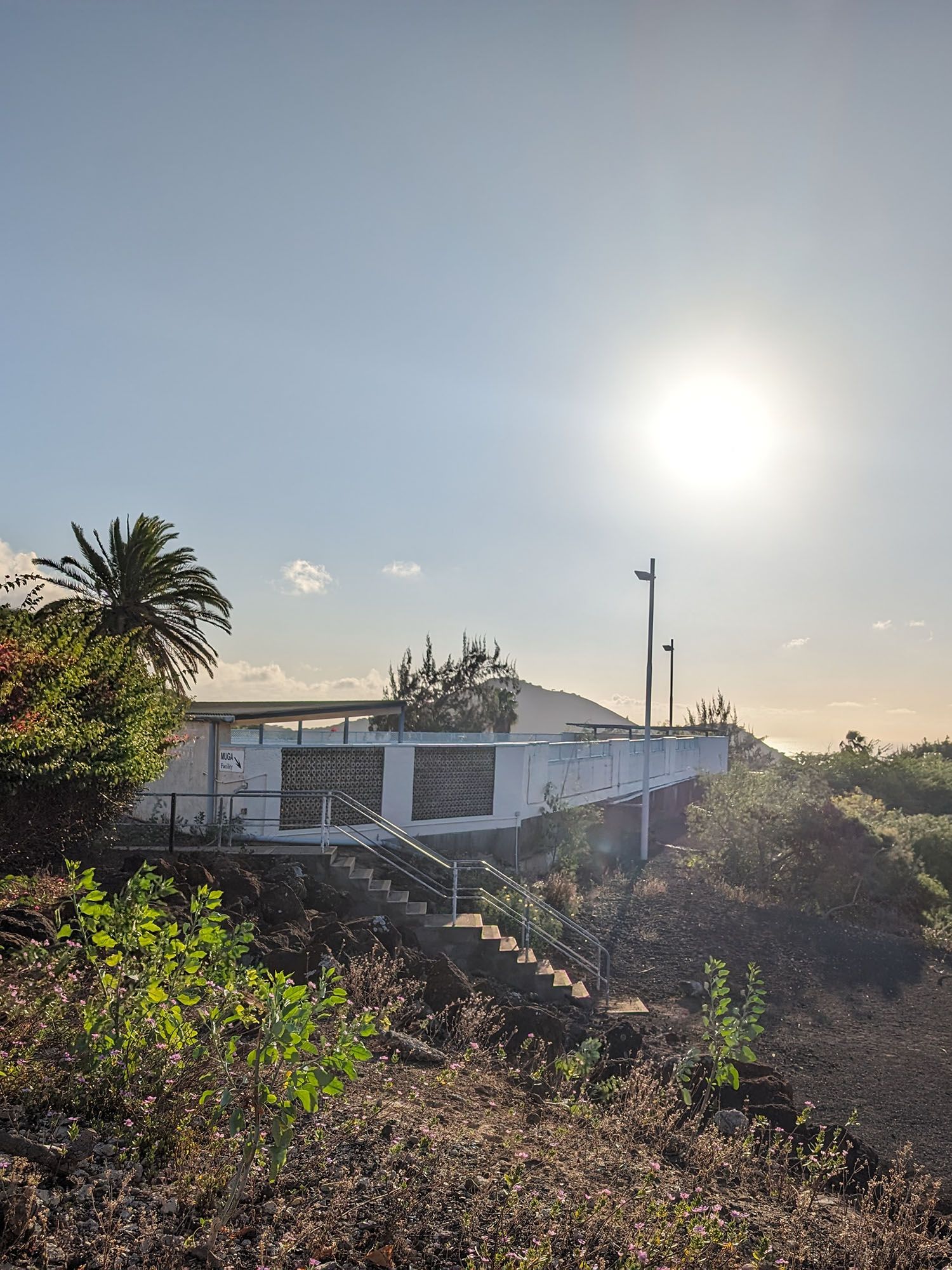

Each design integrates strategies to mitigate climate risks like heat, wind, and rainfall to ensure long-term durability, comfort, and reduced maintenance across the housing stock.
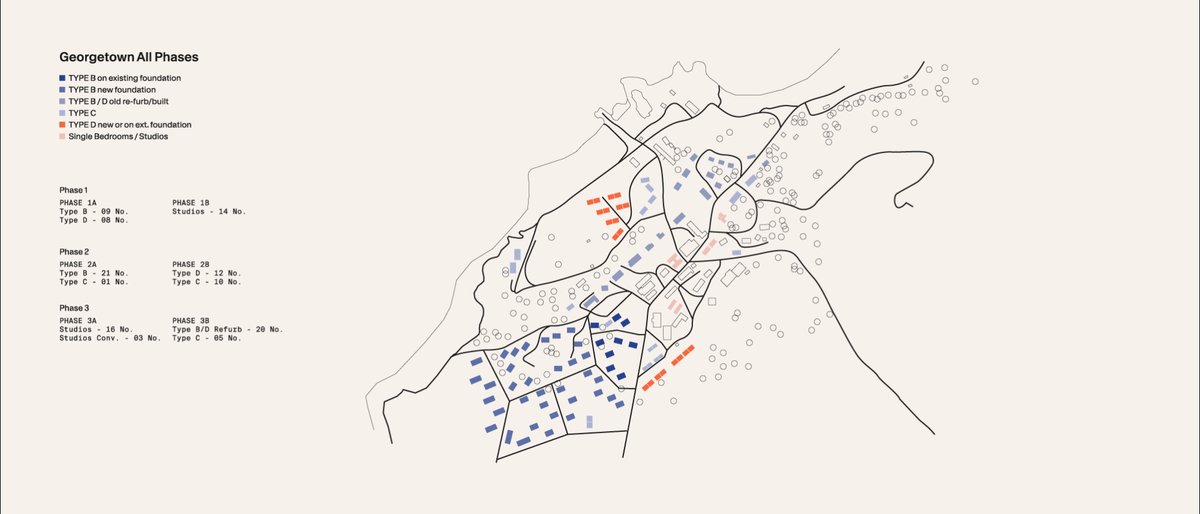
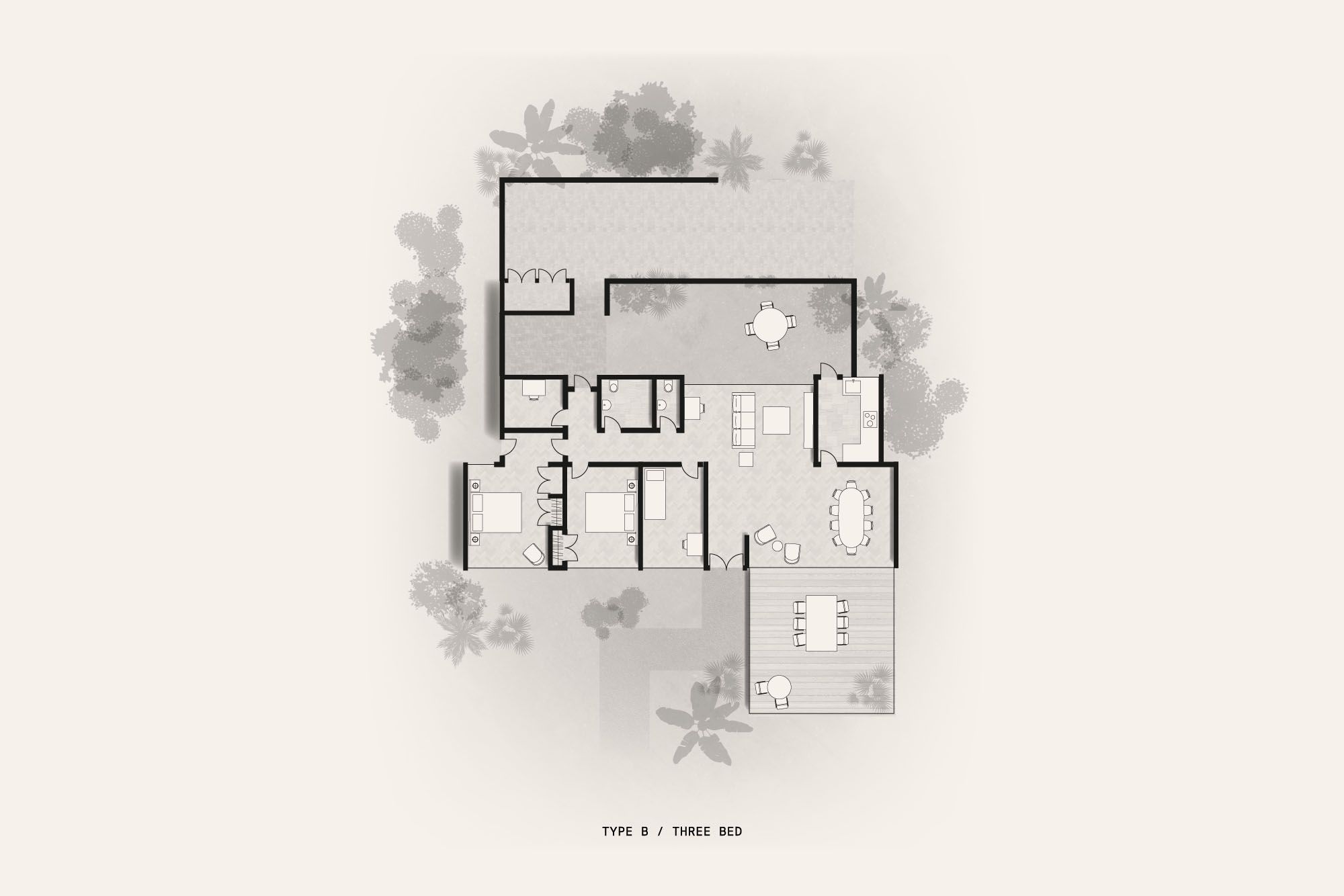
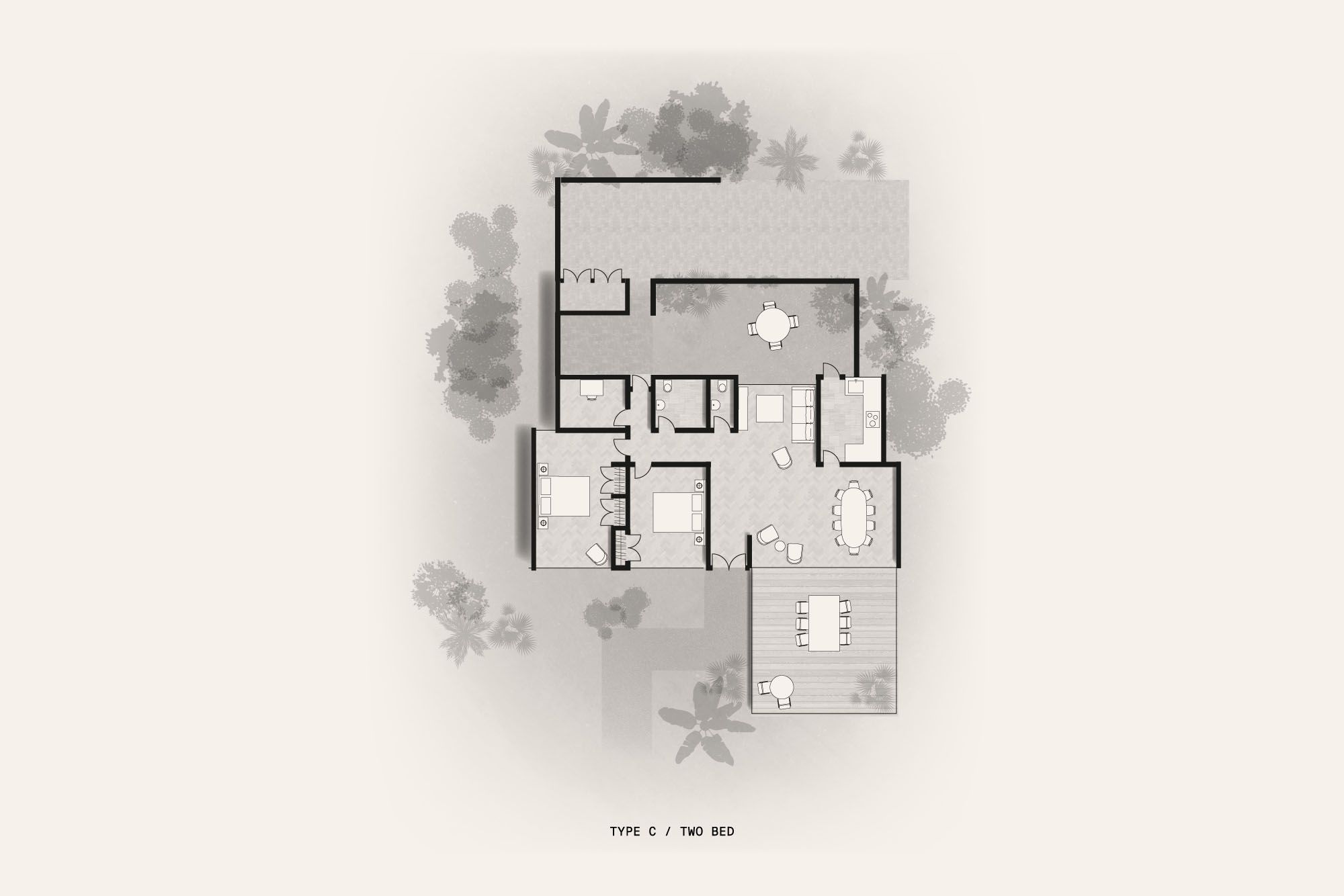
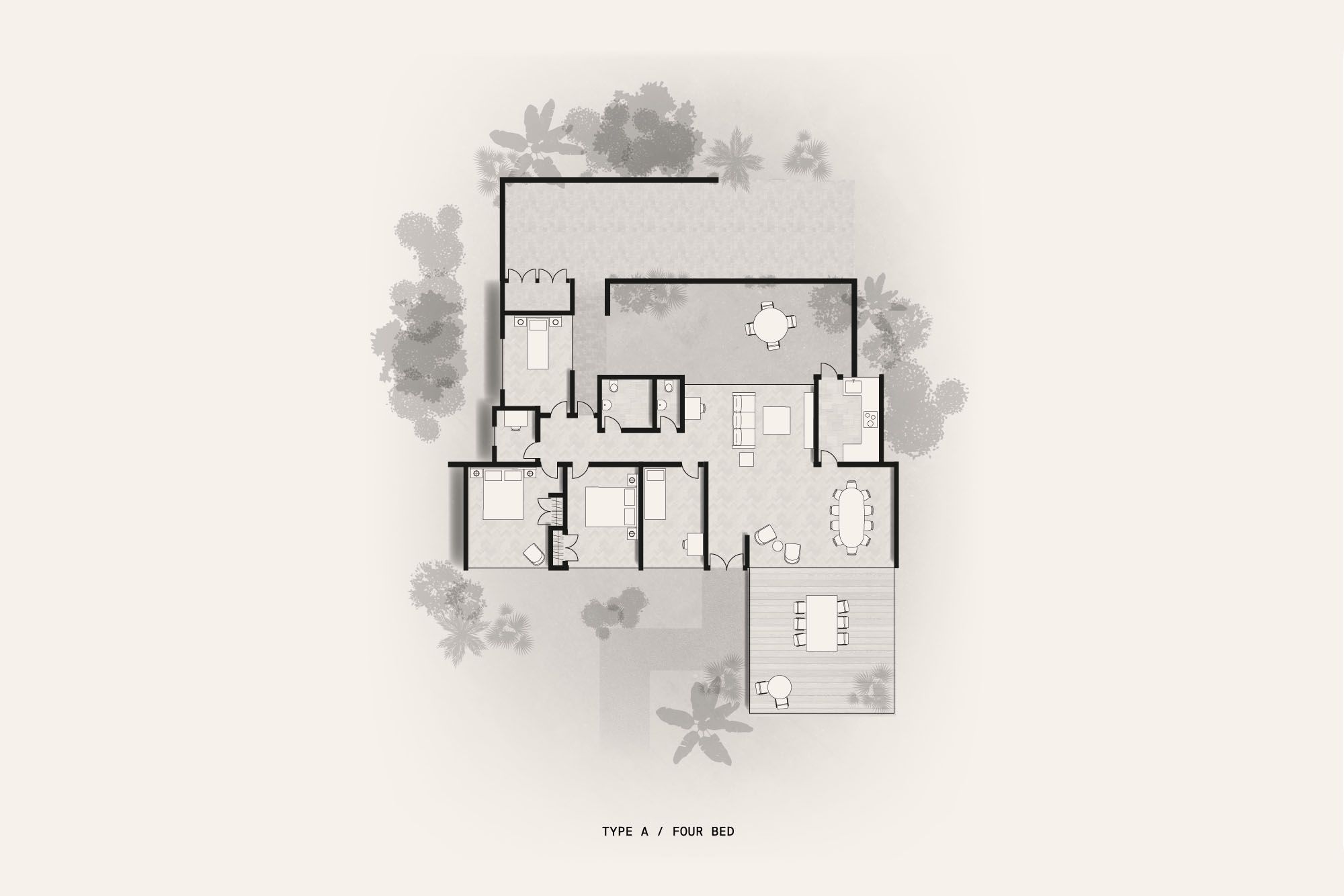
The programme includes 119 residences in Georgetown and 129 in Two Boats, totalling 248 new homes, distributed across six sub-phases in each settlement.


5. Conclusion + Credits
This strategic report addresses the urgent need for replacing the majority of the deteriorating housing stock on an Ascension Island.
PLP Lead Researchers
University of Cambridge Lead Researchers
Contributors