Bankside Yards
London, UK
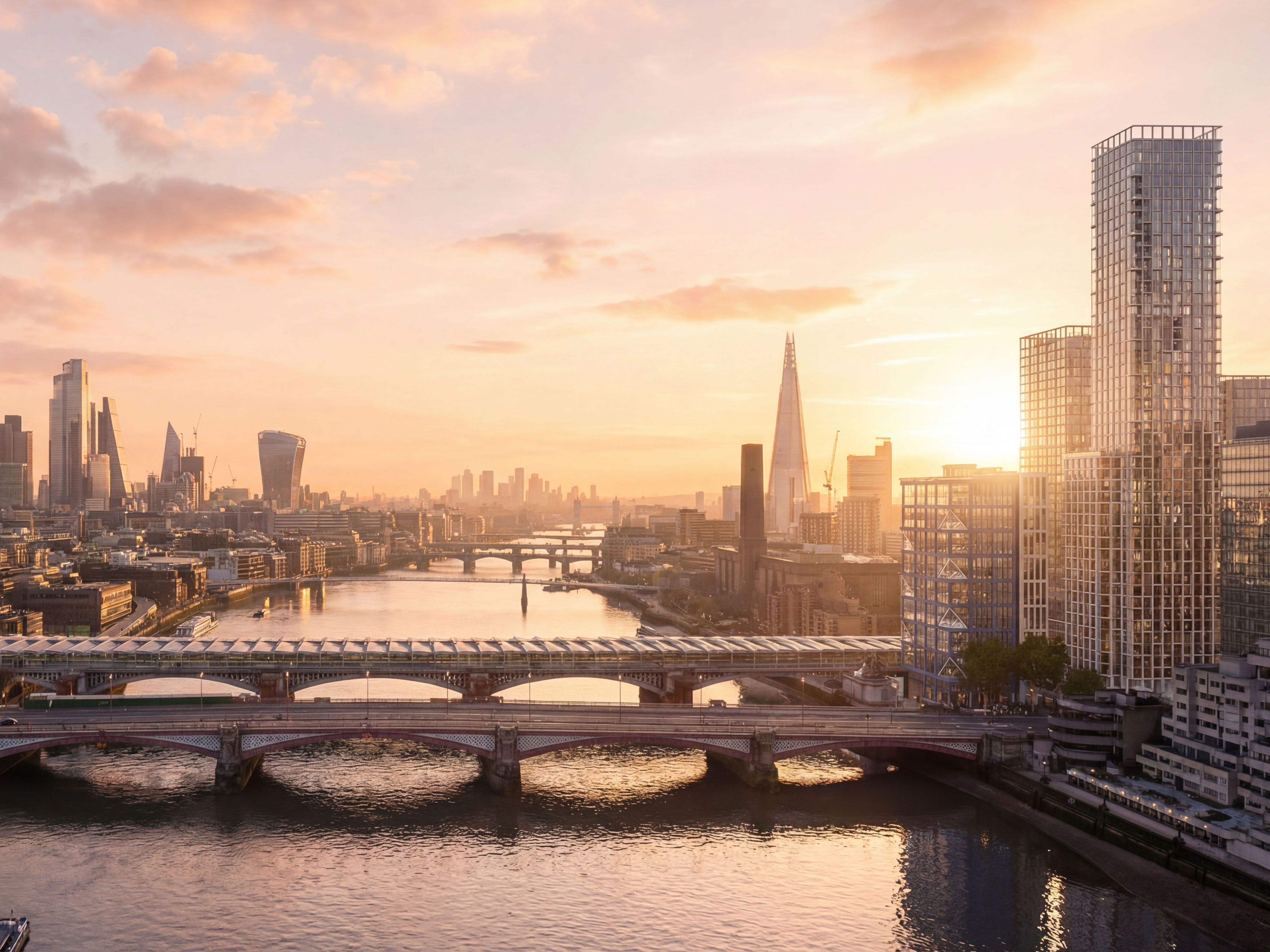
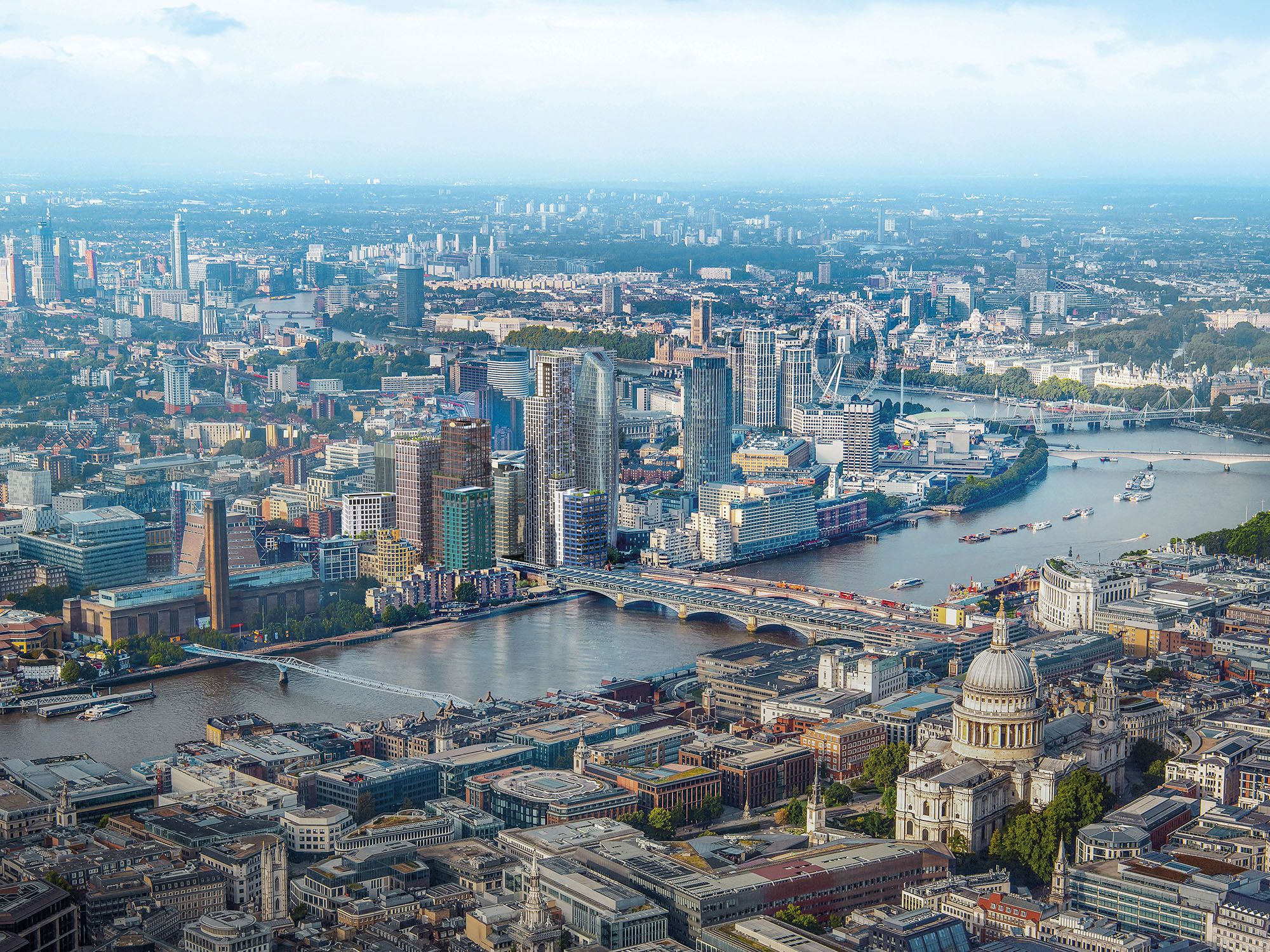
Bankside Yards is a mixed-use district on London’s South Bank, reconnecting the river, the city and a once-inaccessible site through a net zero, all-electric masterplan.
Building Architects:
PLP Architecture
Make Architects
Stiff + Trevillion
Allies and Morrison
Civil and Structural Engineer
AKT II
M&E
SWECO
Traffic and transport
WSP Group UK
Landscape Architect
Gillespies
Quantity surveyor (Cost consultant)
Core FivE
About
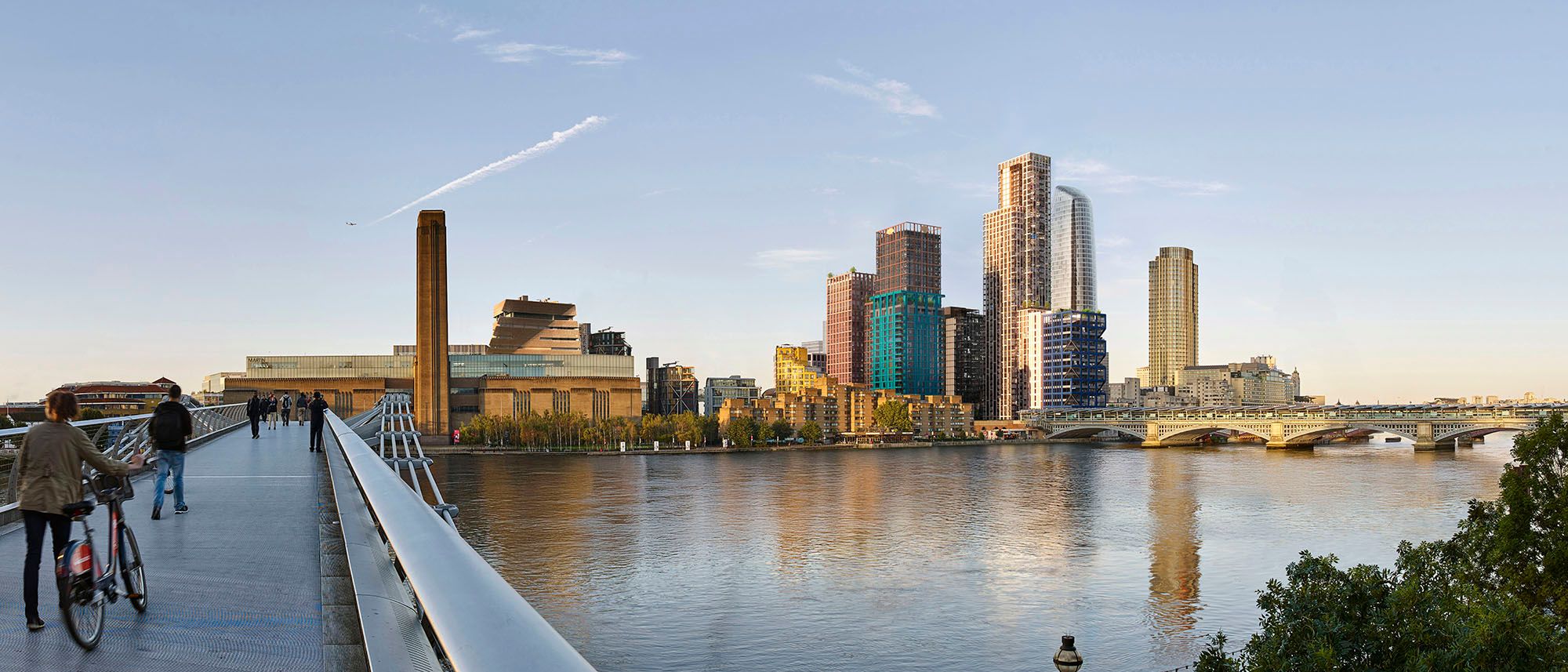
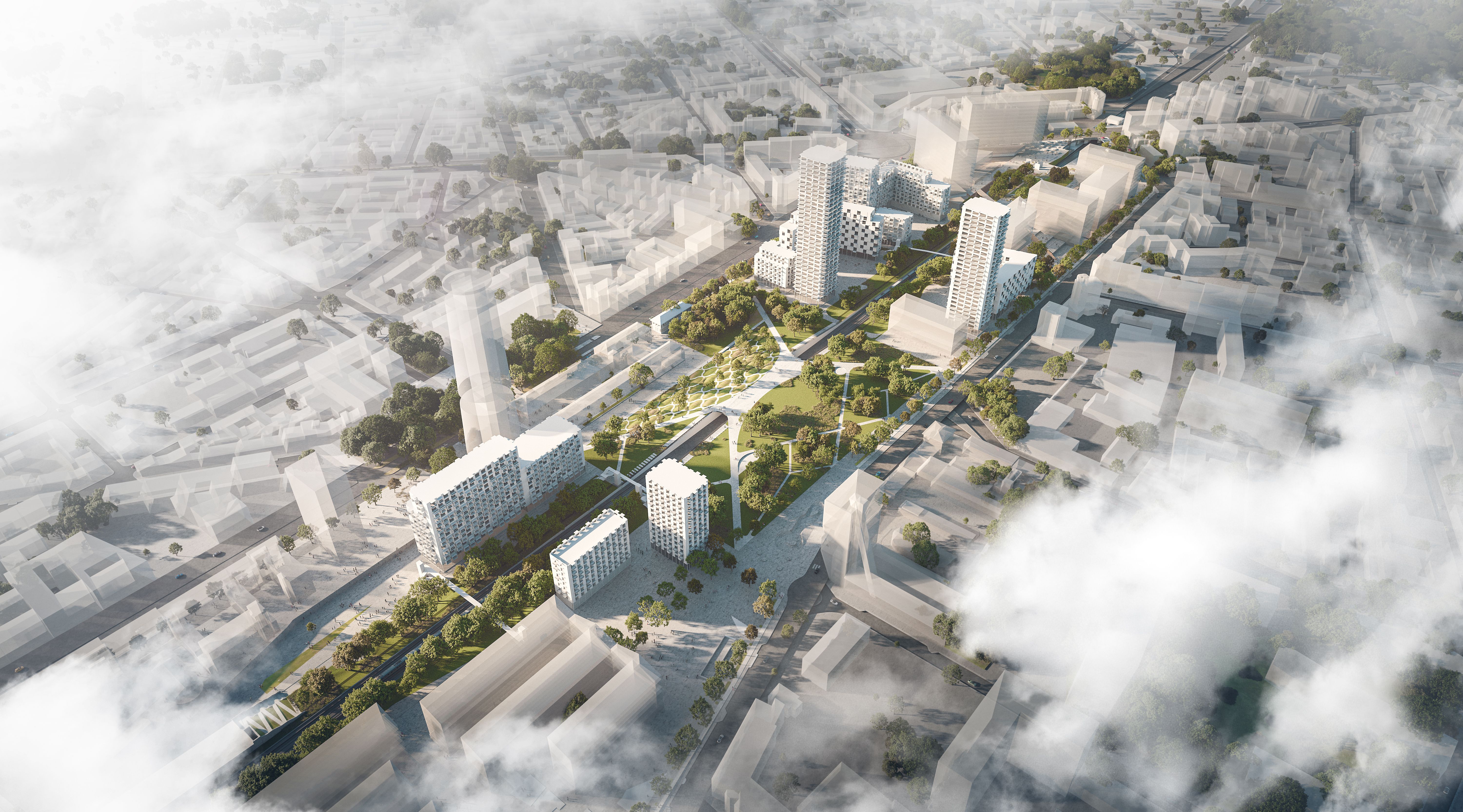
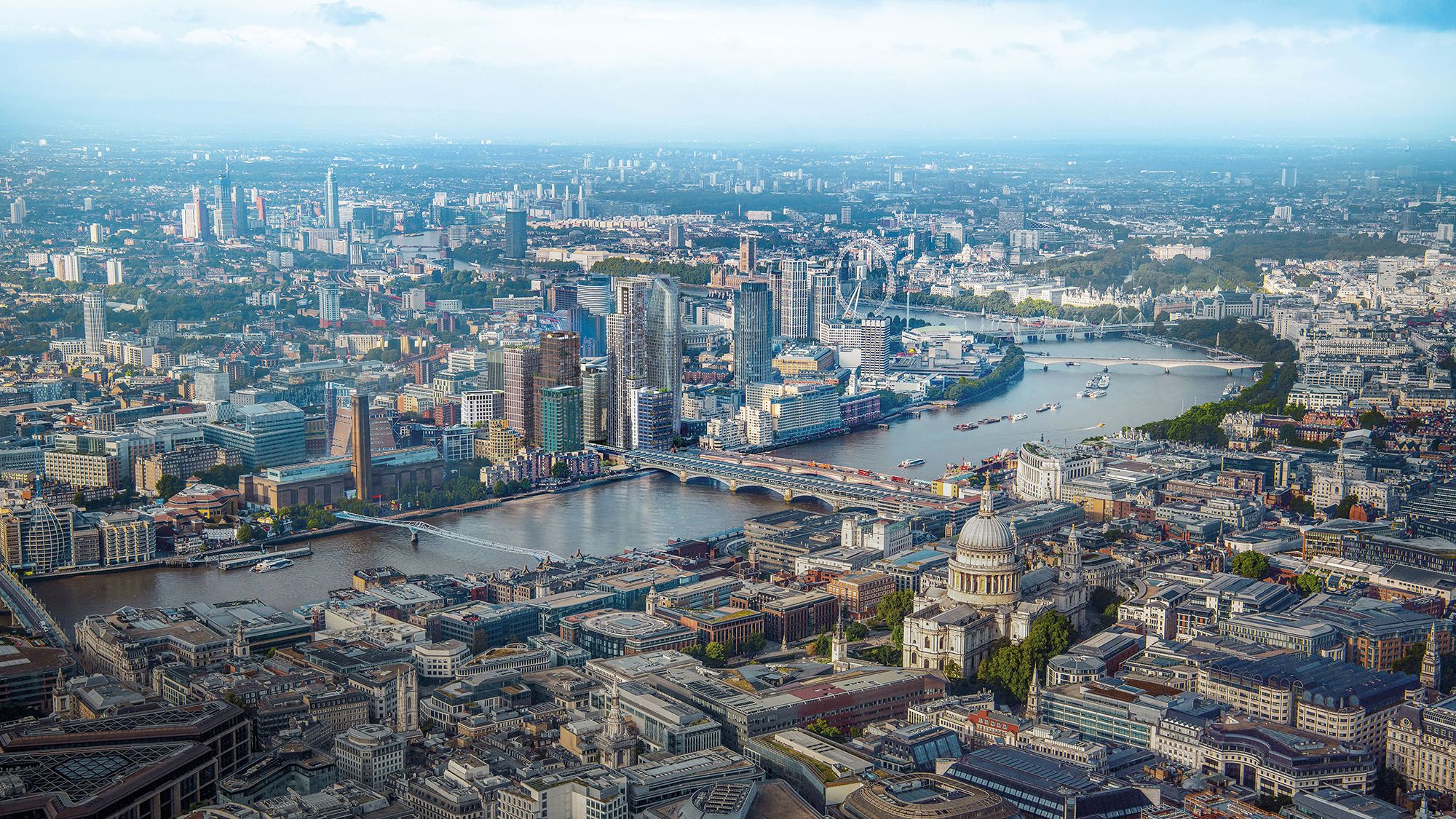
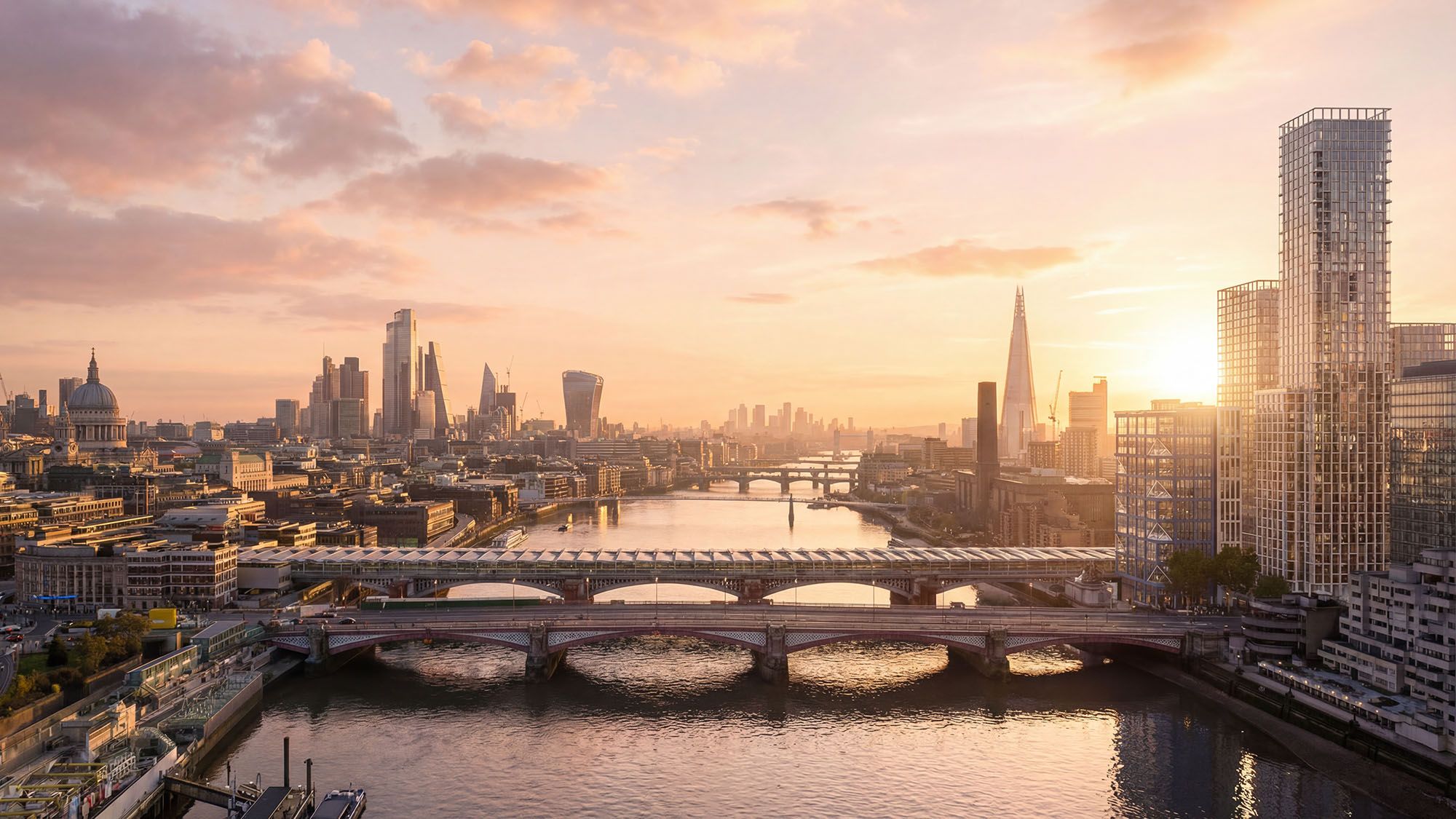
Located between Tate Modern and Blackfriars Bridge, Bankside Yards is a 5.5-acre masterplan by PLP that reimagines a key site on London’s South Bank as a new destination quarter for the city. Replacing two inward-looking buildings with a connected and permeable urban environment, the scheme opens up new pedestrian routes and restores links between Bankside, the South Bank and the River Thames for the first time in over a century. PLP’s role extends beyond the overall masterplan to the design of key buildings across the development, shaping both the wider urban framework and the architectural identity of the district.
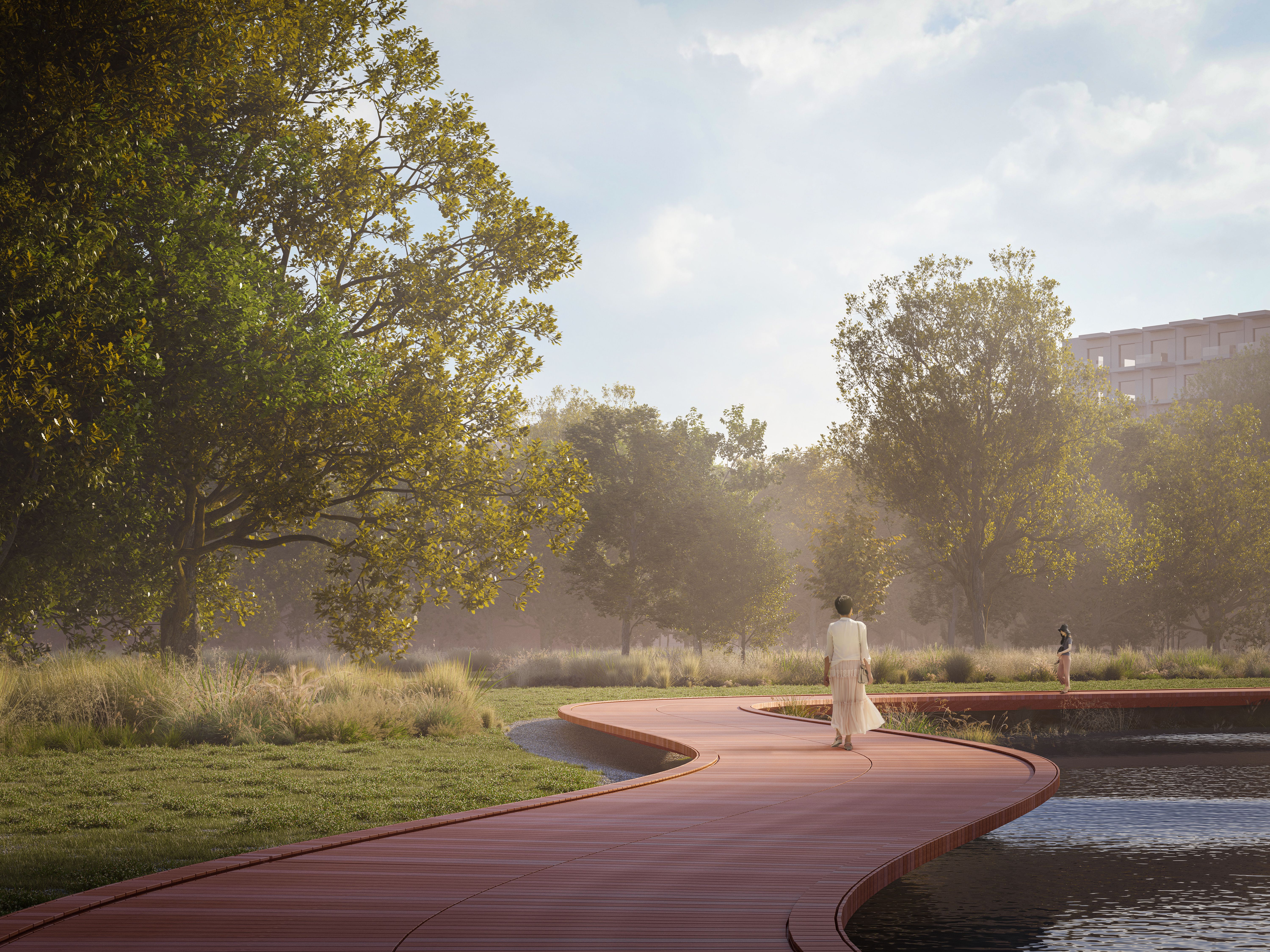
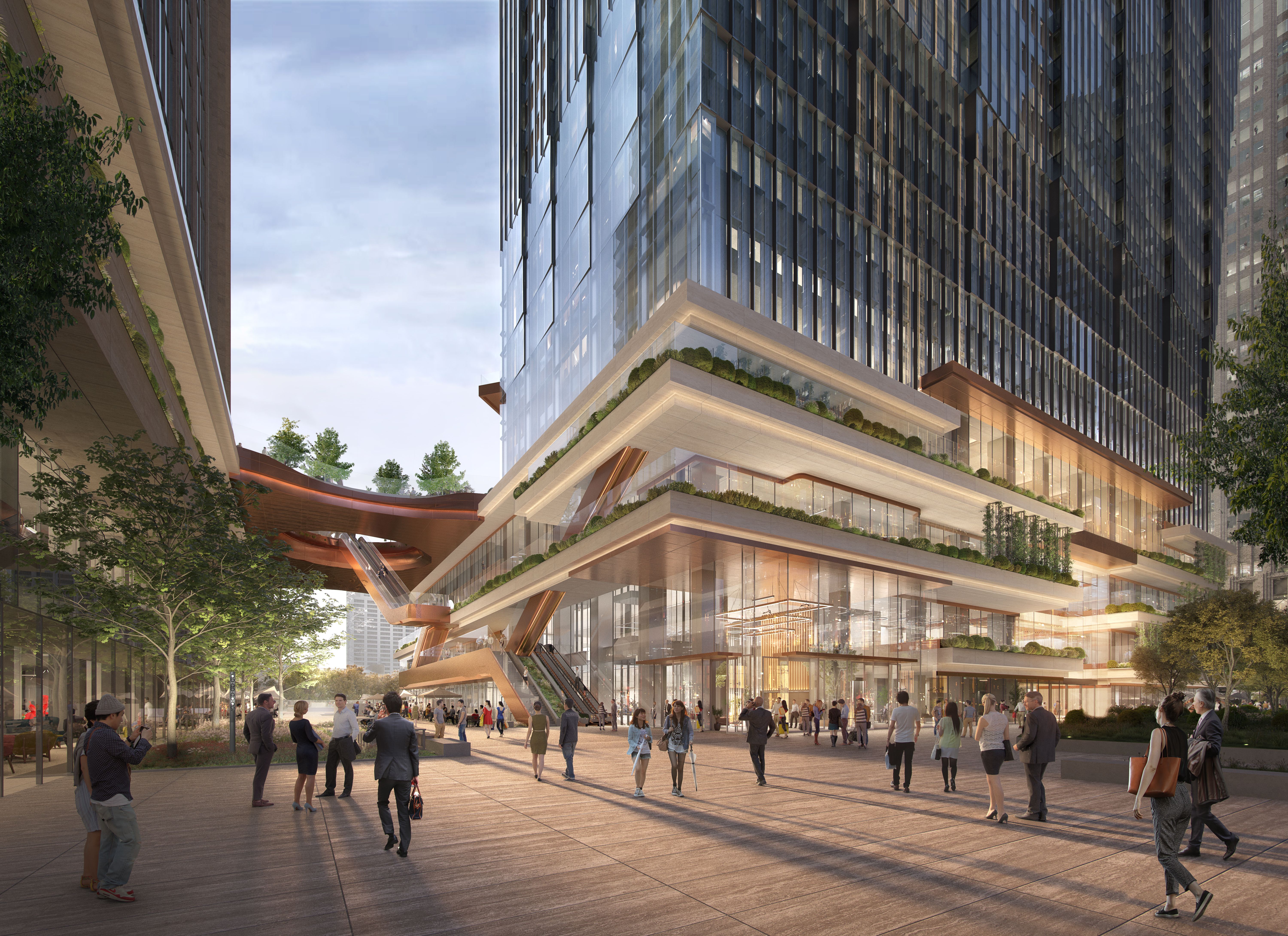
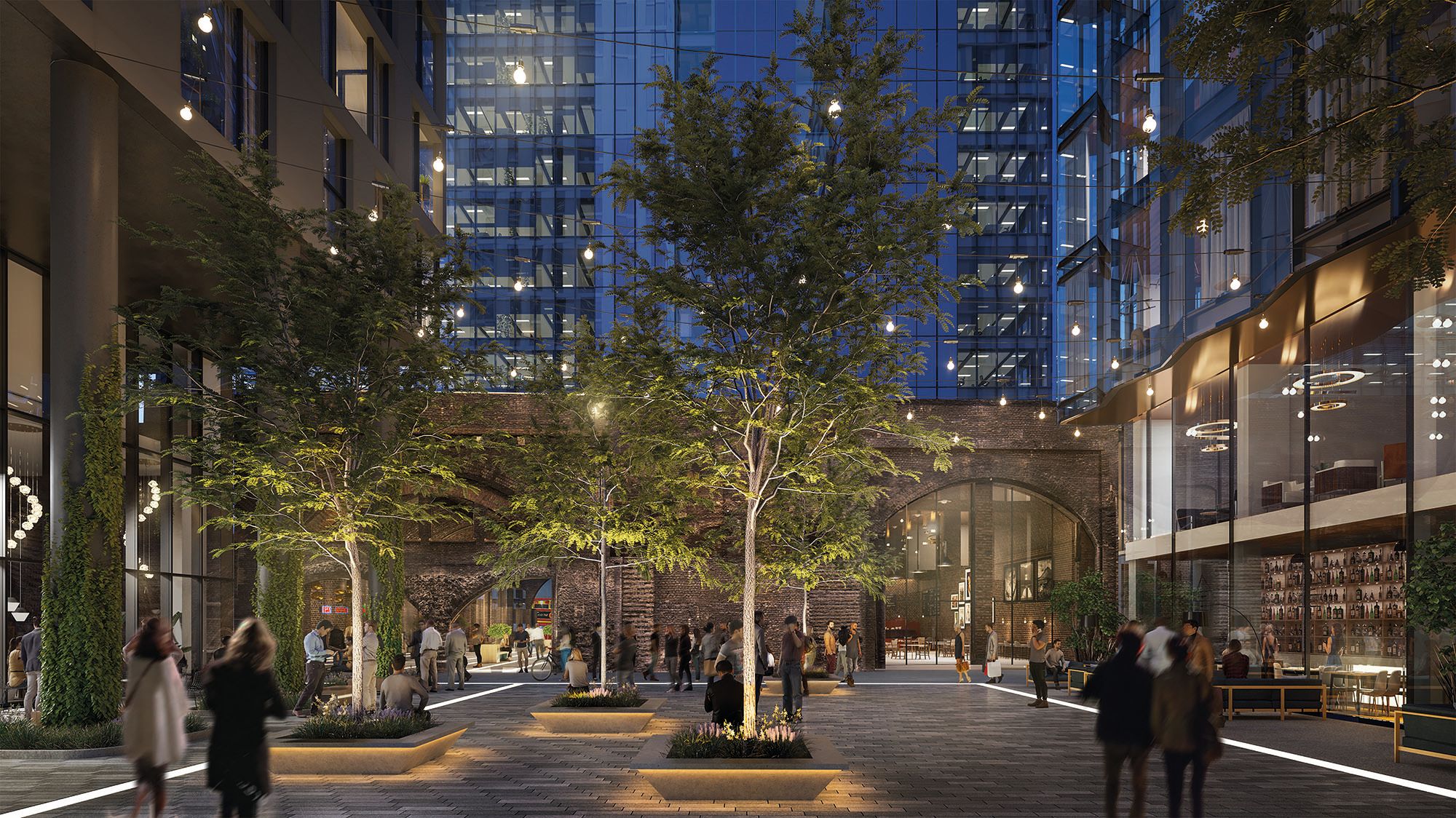
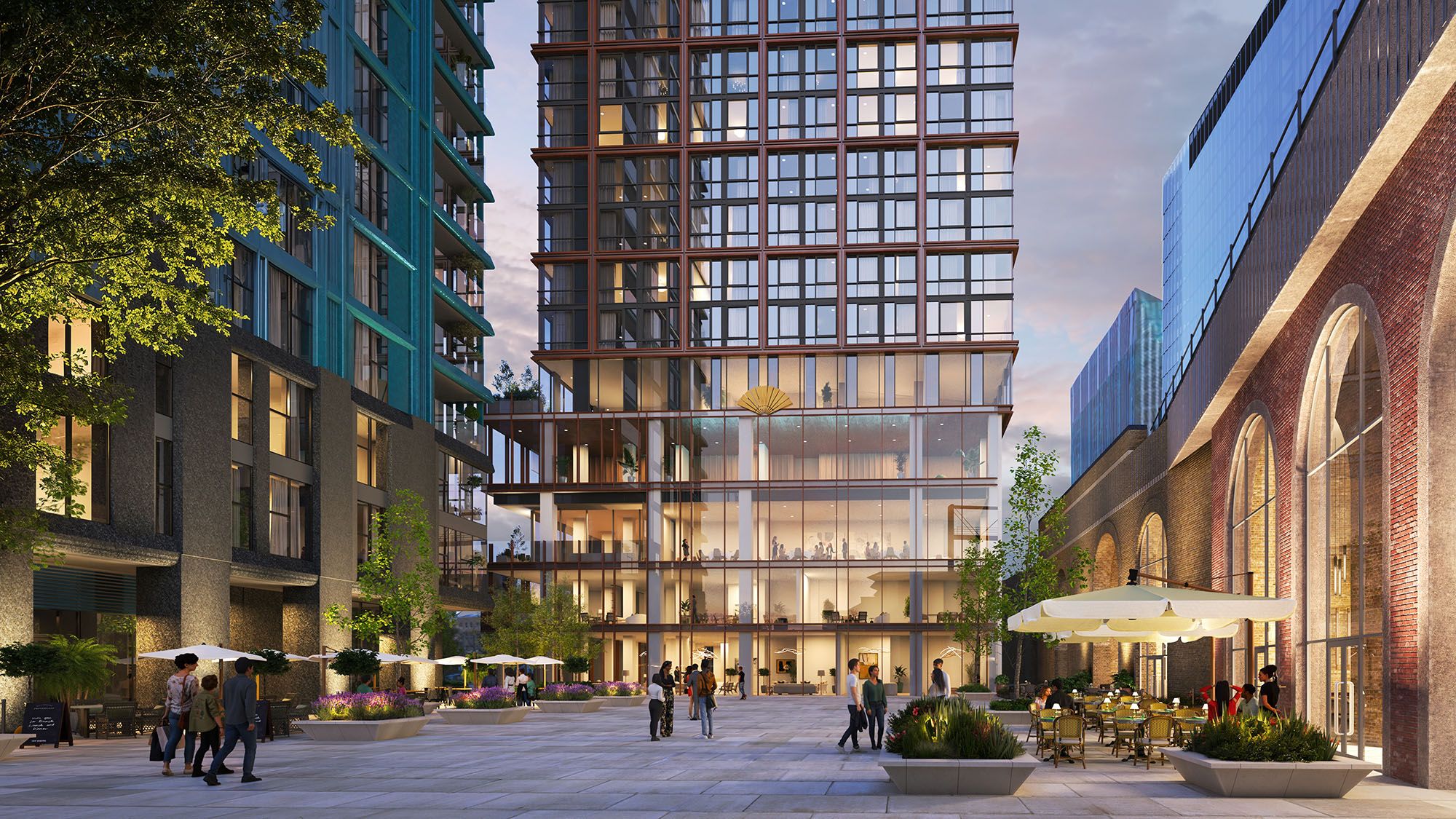
Conceived as a true mixed-use neighbourhood, the development brings together residential, workplace, hospitality, cultural and retail programmes within a cohesive masterplan. A series of buildings are arranged around a network of public spaces, including a central square, landscaped streets and a north–south promenade, creating a vibrant and active urban environment that responds to the character and energy of its surroundings. The restored railway arches play a key role in this, introducing new cultural, retail and public uses that help activate the site and strengthen its relationship to the wider city.
Bankside Yards is also conceived as a benchmark for sustainable urban development. Designed as the UK’s first major fossil fuel-free mixed-use development, the district is powered entirely by renewable electricity and supported by a pioneering fifth-generation energy-sharing network. Together, these systems enable the site to operate at net zero carbon in use, setting a new standard for how large-scale urban regeneration can combine environmental performance with everyday city life.
Rather than a singular development, Bankside Yards is designed as a new piece of London — one that brings together architecture, infrastructure, culture and public realm to create a more open, connected and future-facing part of the city.
Awards
Project Updates
September, 2025
September, 2025
September, 2025
September, 2025
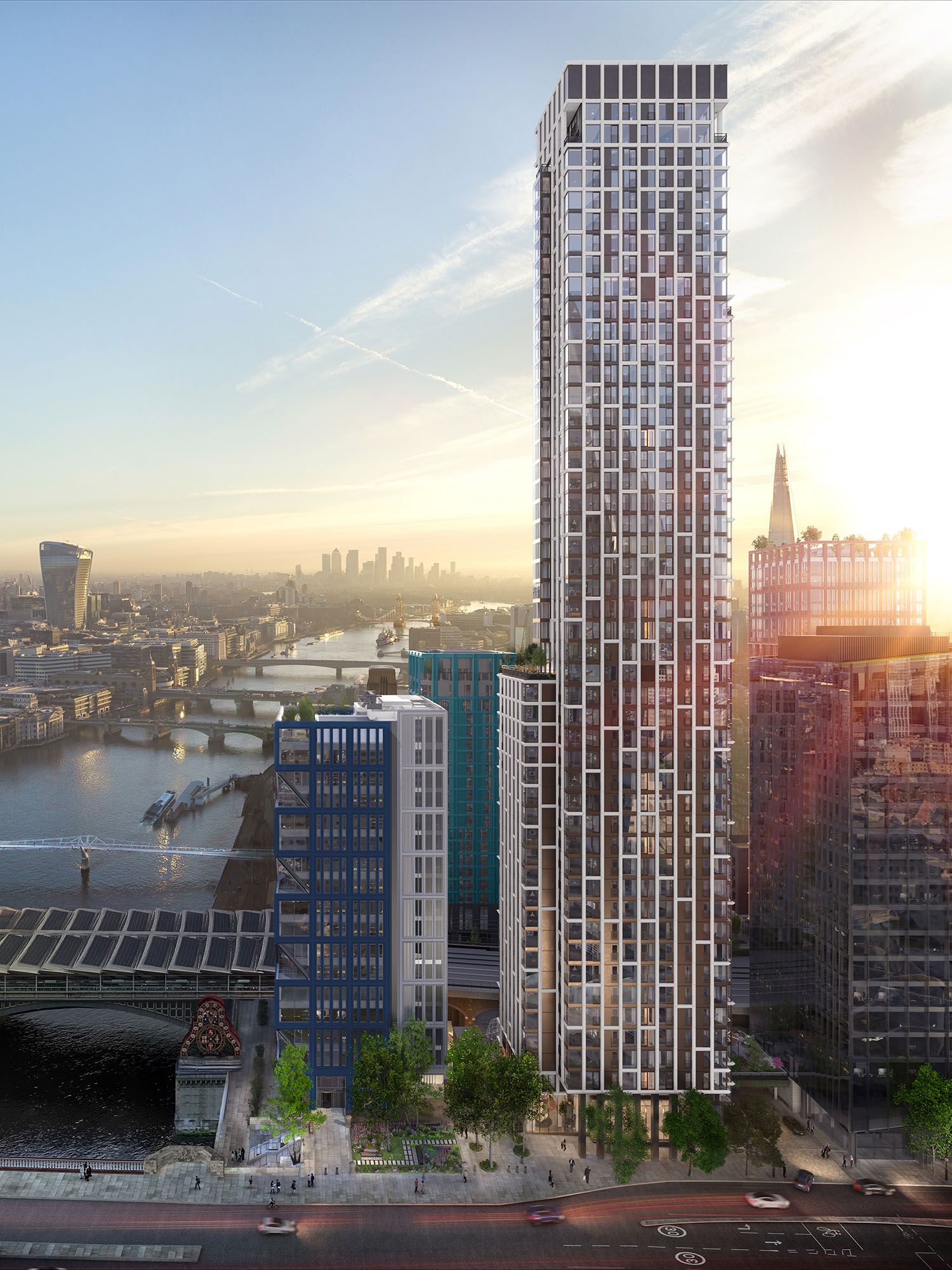
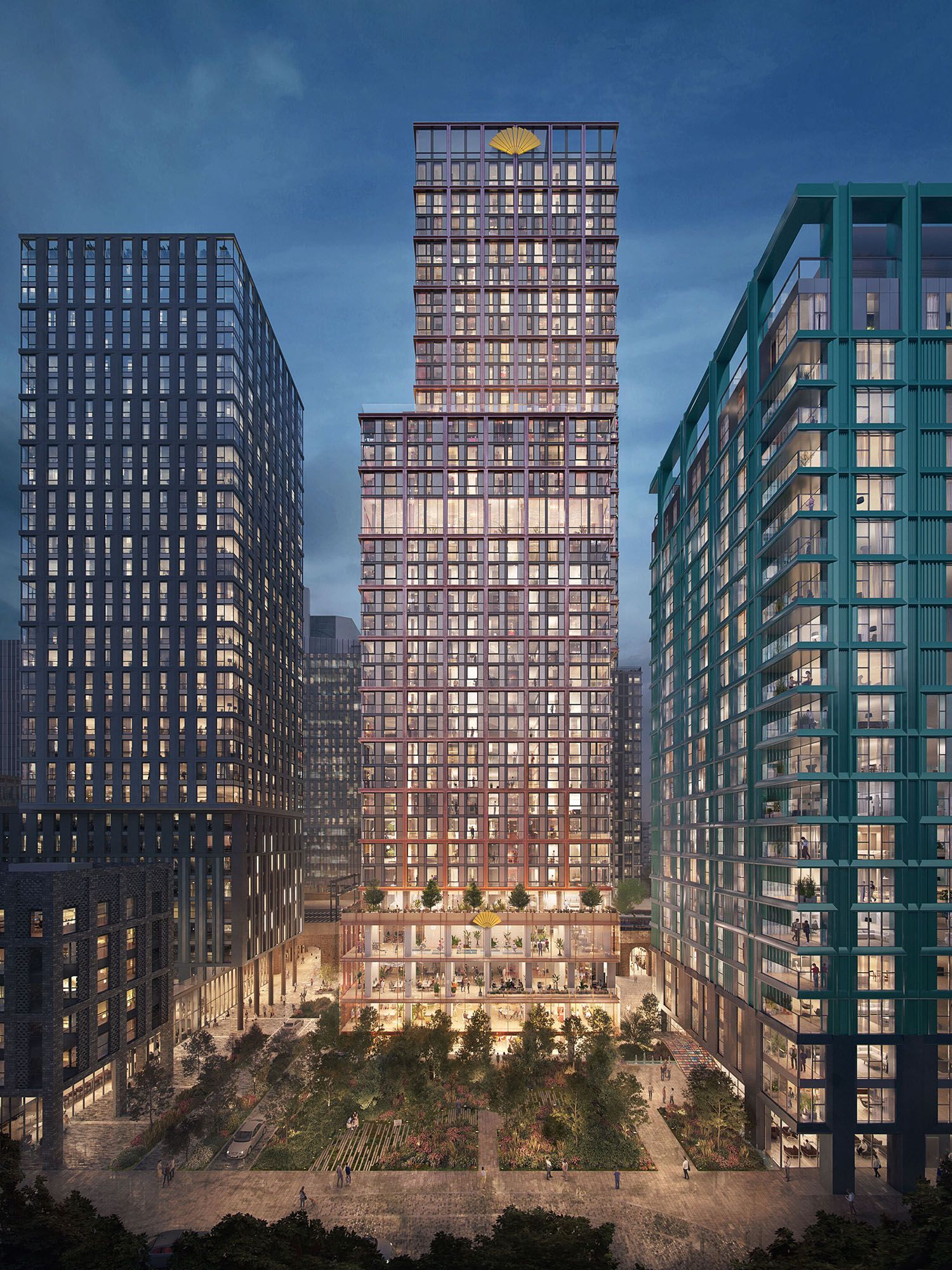
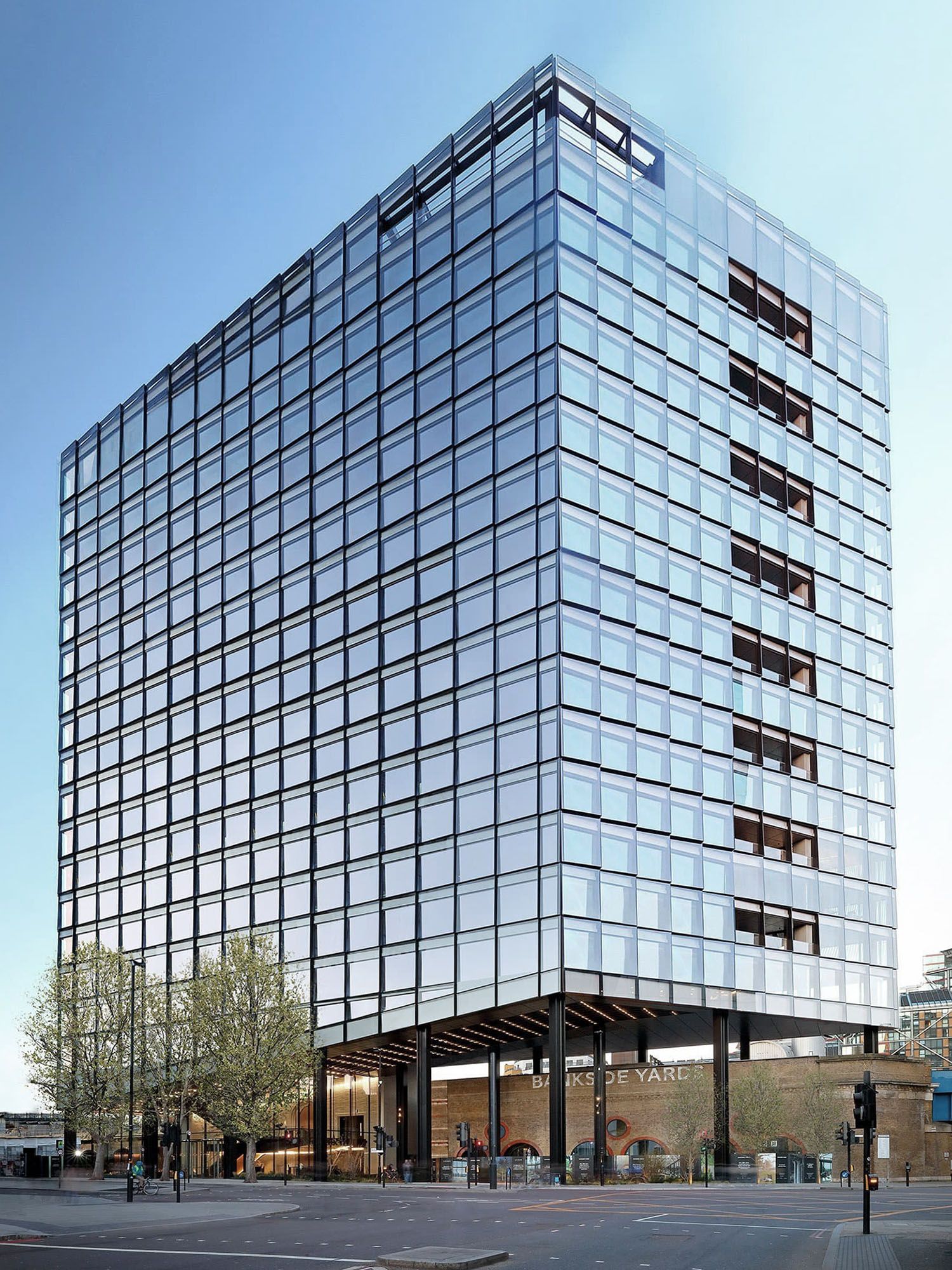
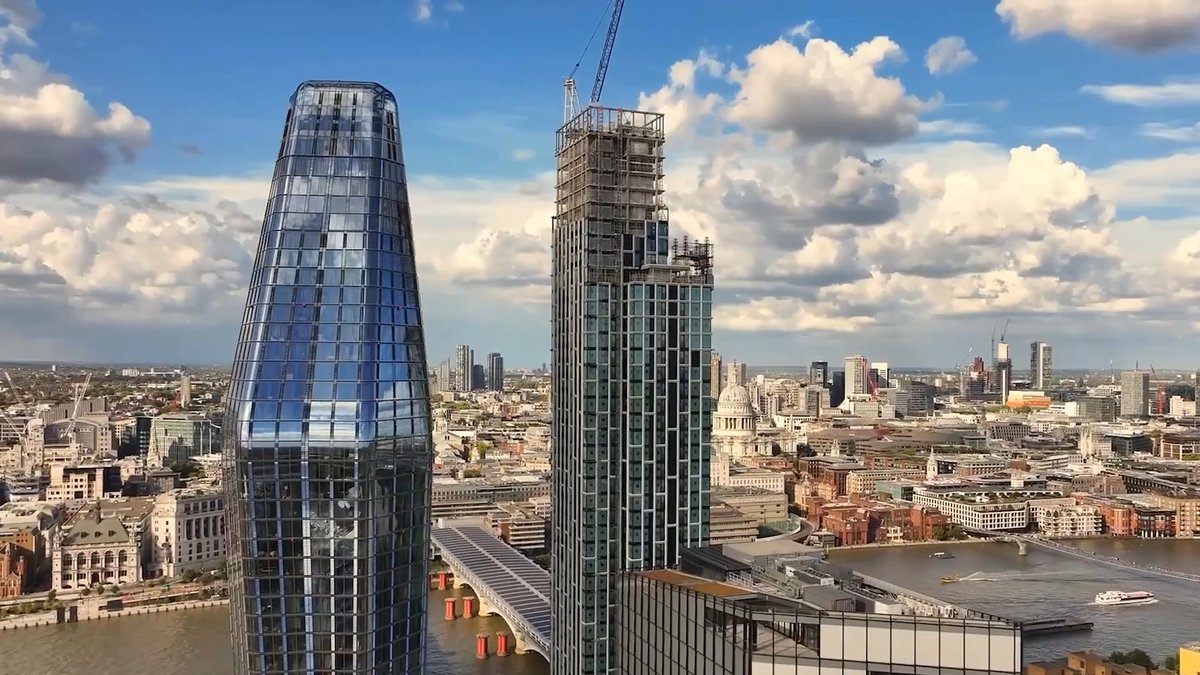
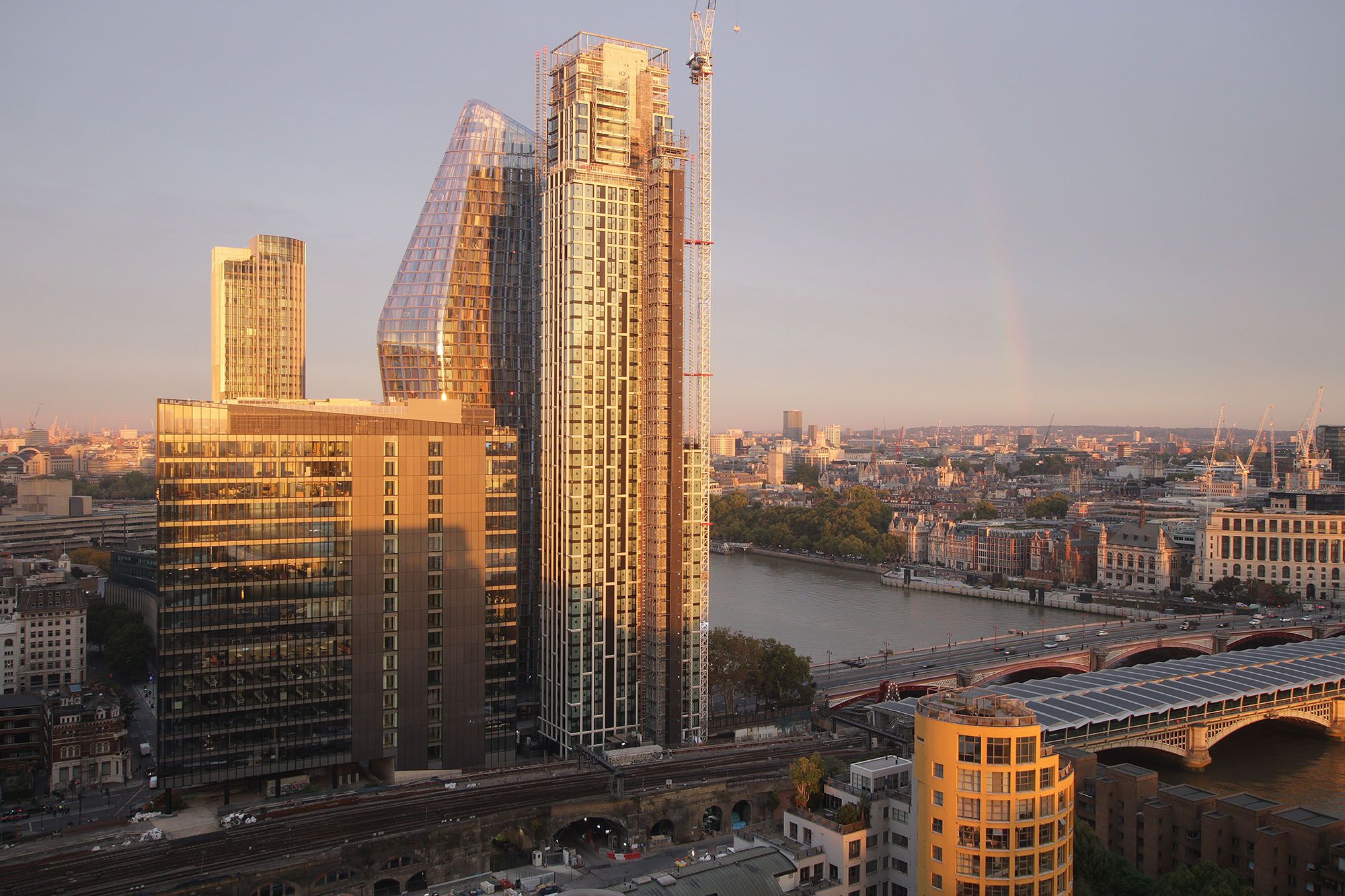
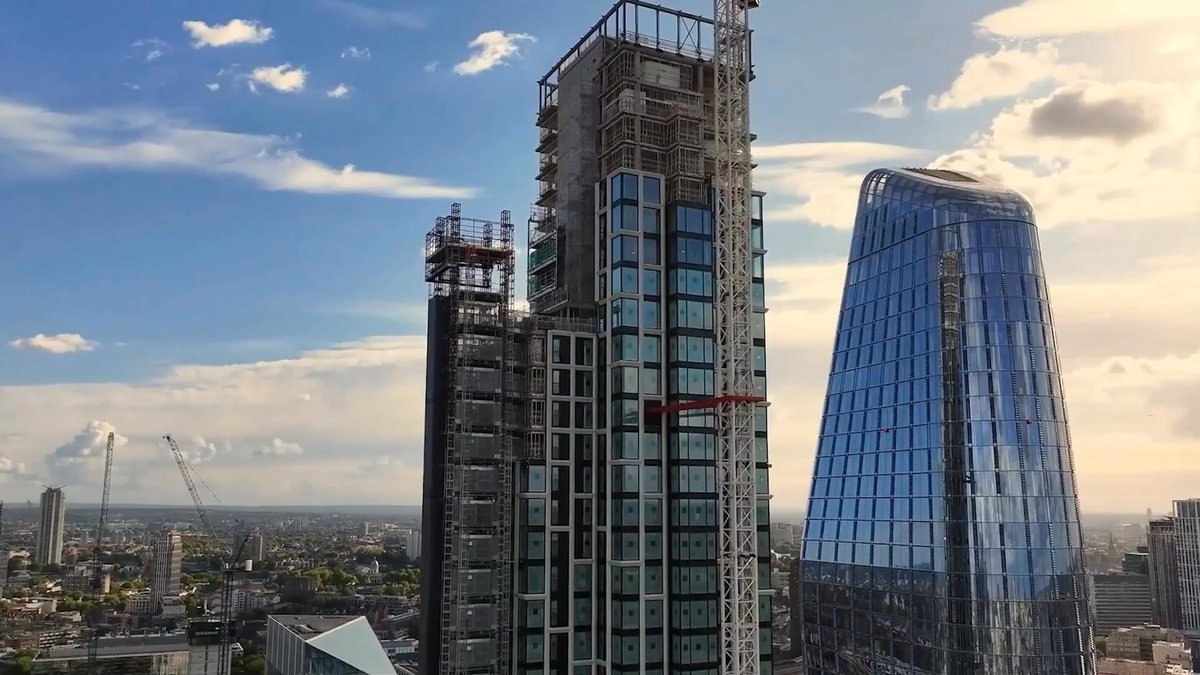
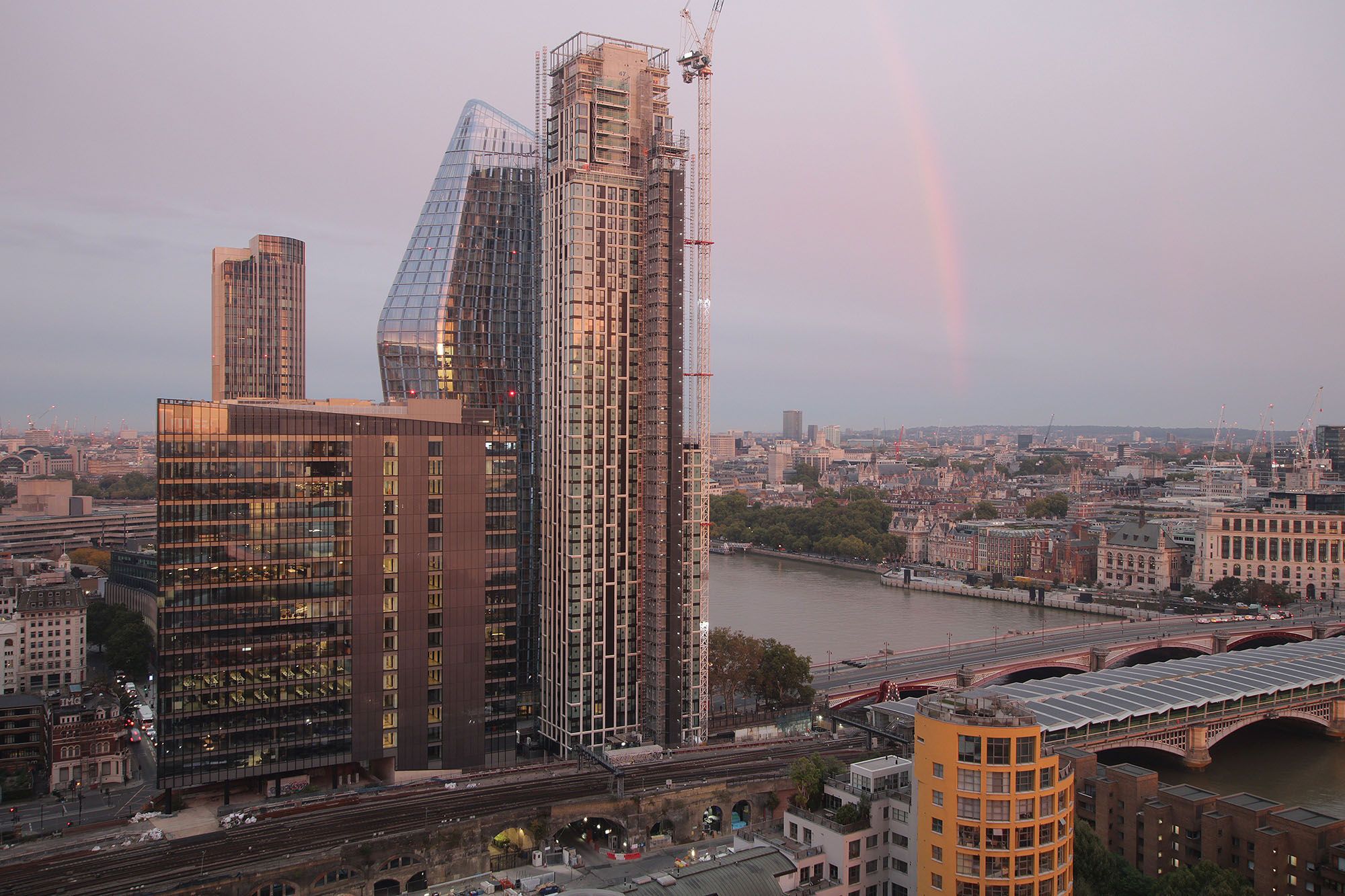
At Bankside Yards, PLP’s role spans the masterplan and the design of three key buildings, including Arbor, Opus and the future Mandarin Oriental hotel and residences, together shaping a new mixed-use neighbourhood on London’s South Bank.
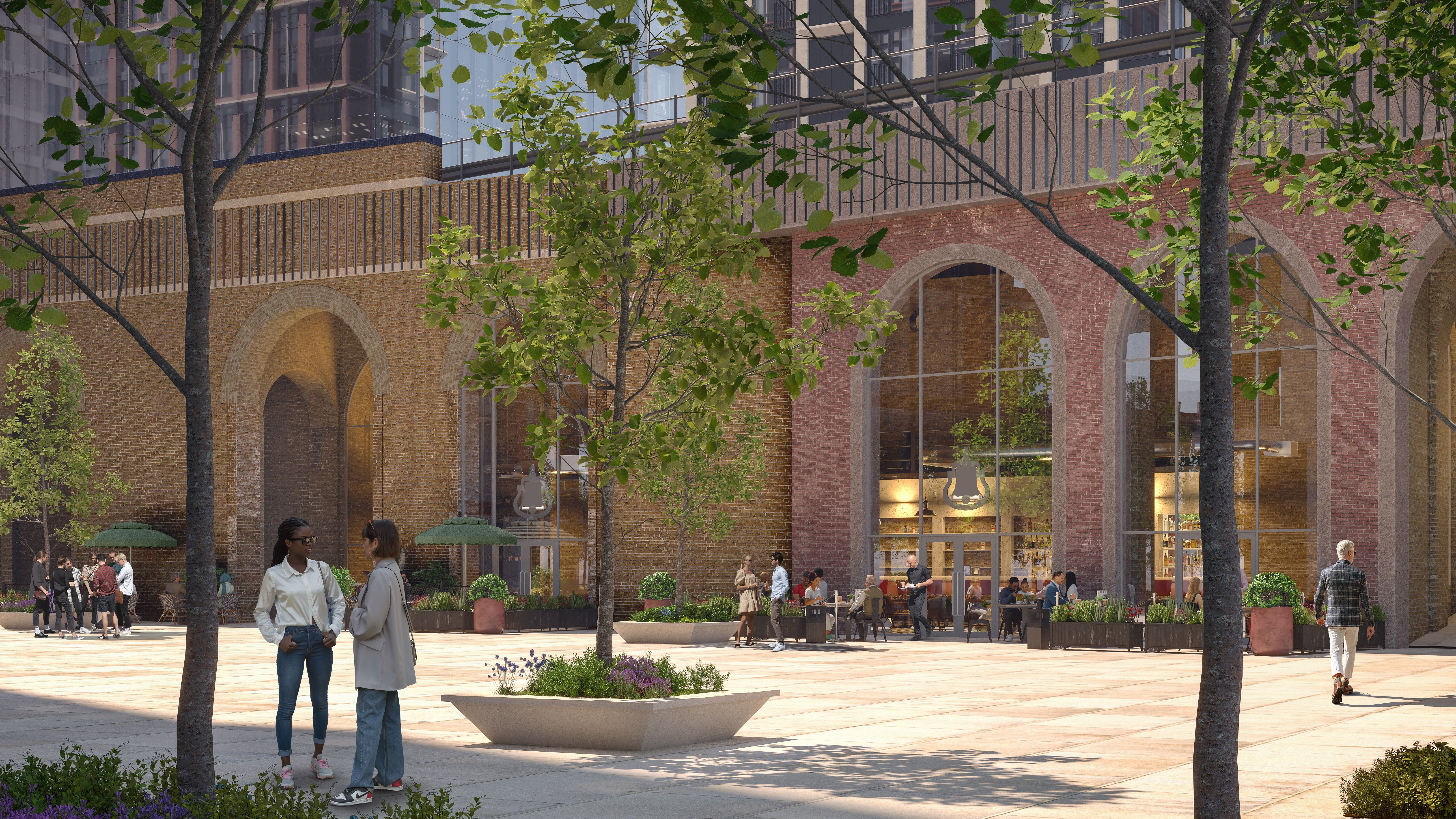
“Hypermixity is the next generation of urban mixed-use. We are creating a more permeable city, reconnecting two sides of the South Bank that had felt separate, and we are aiming for a warm and welcoming feel, bringing different demographics together and creating a strong bond with the local community.”
A New Hospitality Landmark
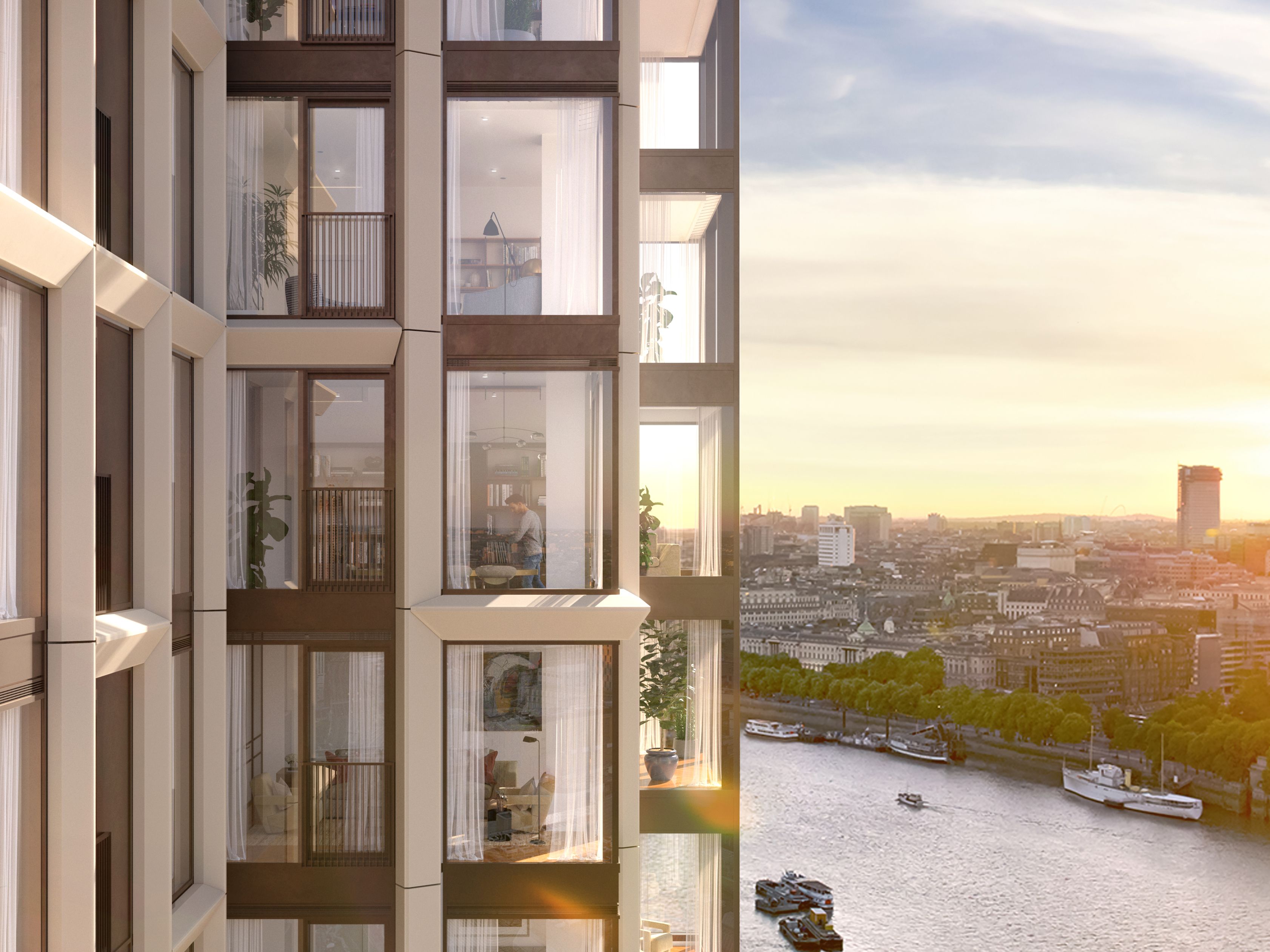
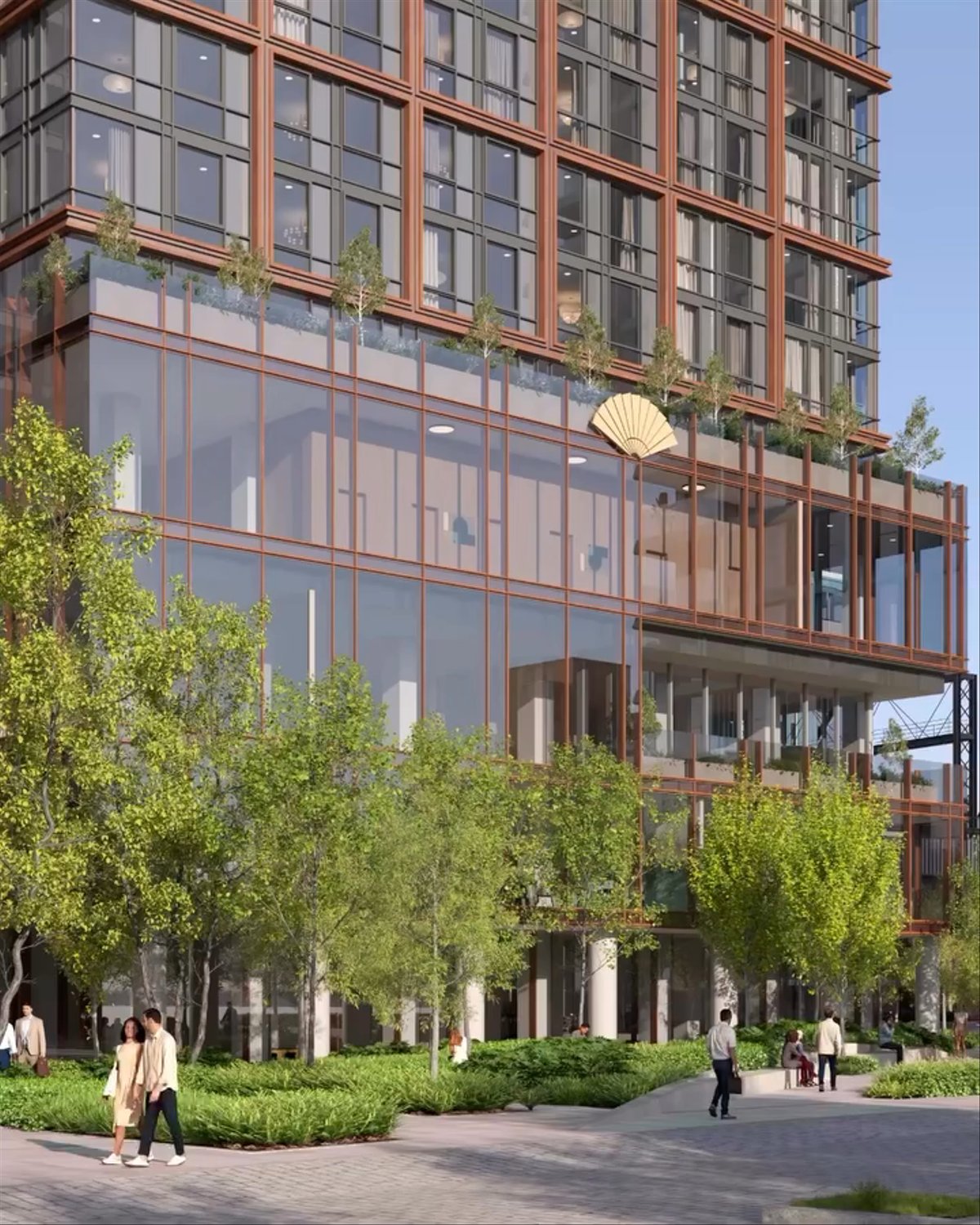
The future Mandarin Oriental hotel and residences will introduce a new layer of luxury hospitality to Bankside Yards, expanding the district’s mixed-use offer and strengthening its presence on the South Bank.
Urban Framework
Located between Tate Modern and Blackfriars Bridge, Bankside Yards is a 5.5-acre masterplan by PLP that reimagines a key site on London’s South Bank as a new destination quarter for the city. Replacing two inward-looking buildings with a connected and permeable urban environment, the scheme opens up new pedestrian routes and restores links between Bankside, the South Bank and the River Thames for the first time in over a century. PLP’s role extends beyond the overall masterplan to the design of key buildings across the development, shaping both the wider urban framework and the architectural identity of the district.