Parco Romana
Milan, Italy
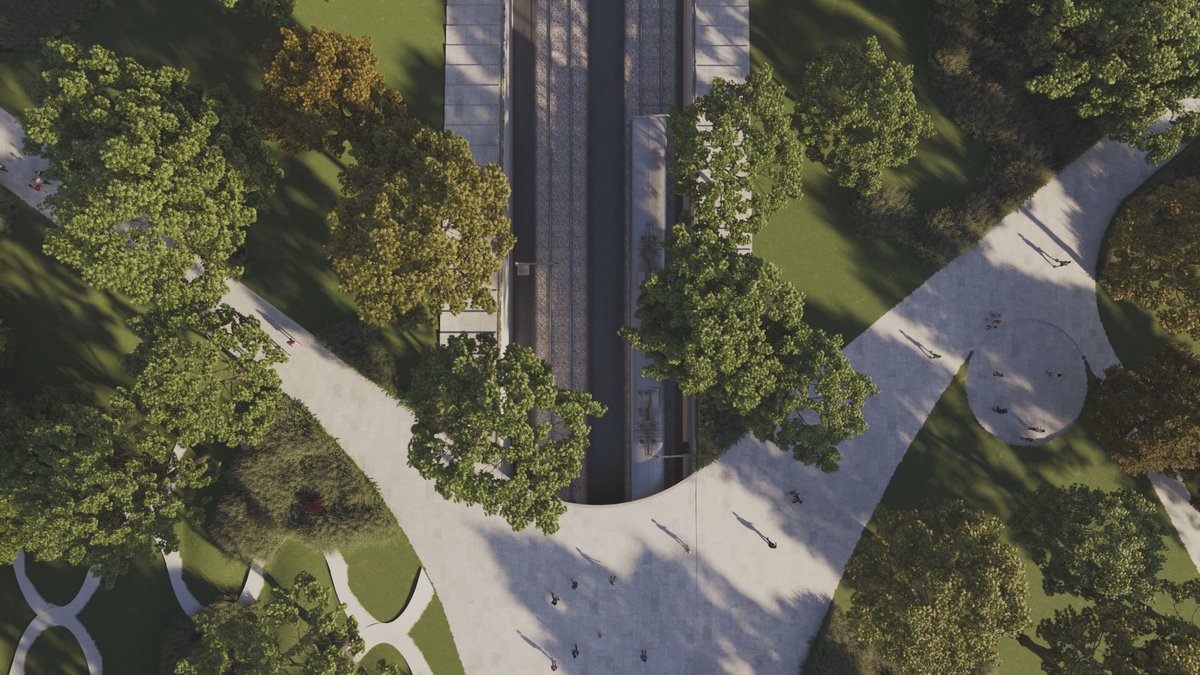
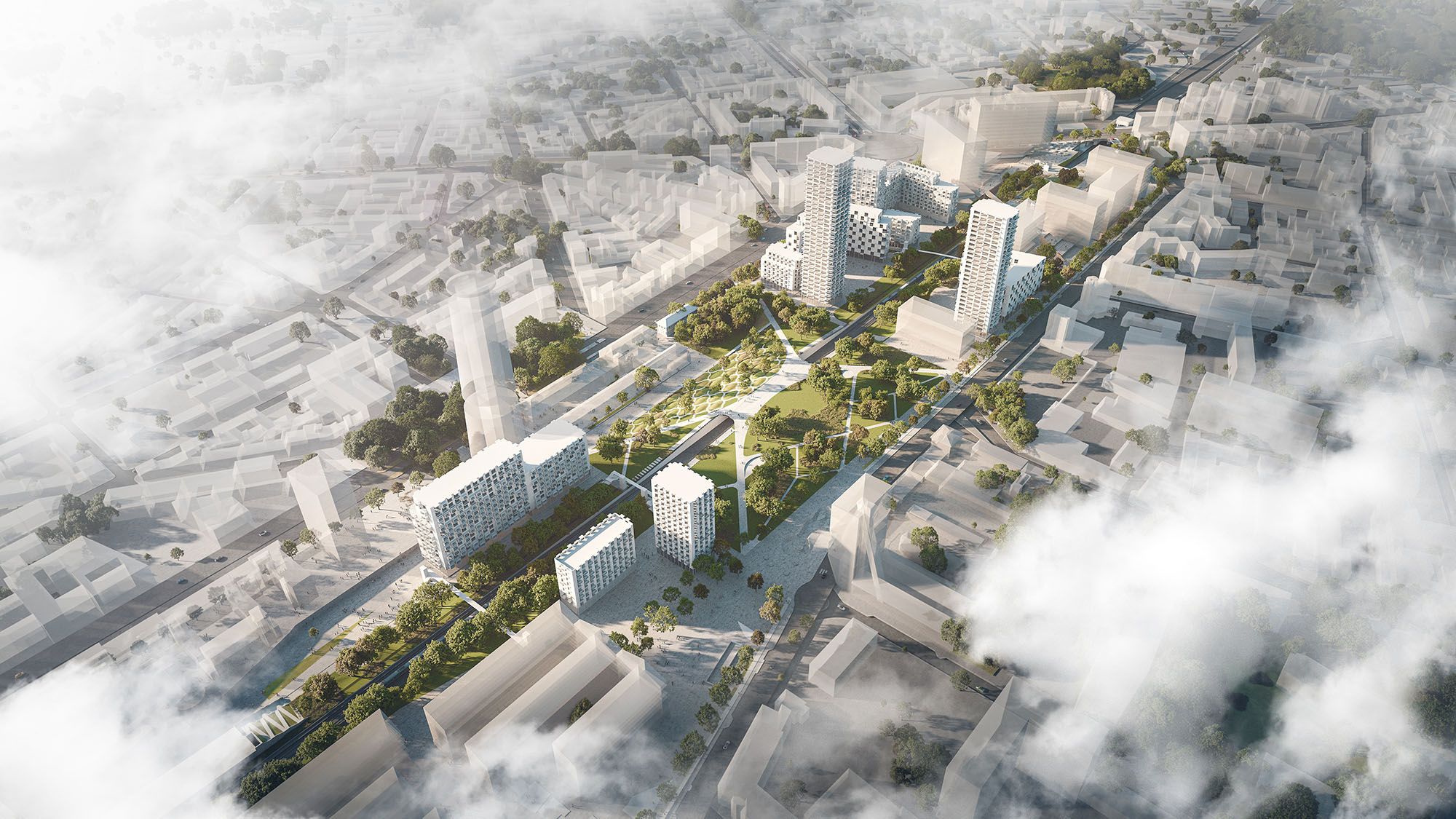
Parco Romana transforms a long-divided railway yard in Milan into a major new civic connector, stitching together neighbourhoods on both sides of the tracks through a resilient mixed-use district centred on a public park.
Collaborating Architect
Diller Scofidio + Renfro
Collaborating Architect
Carlo Ratti Associati
Collaborating Urban Design
OUTCOMIST
Engineer
Arup
About
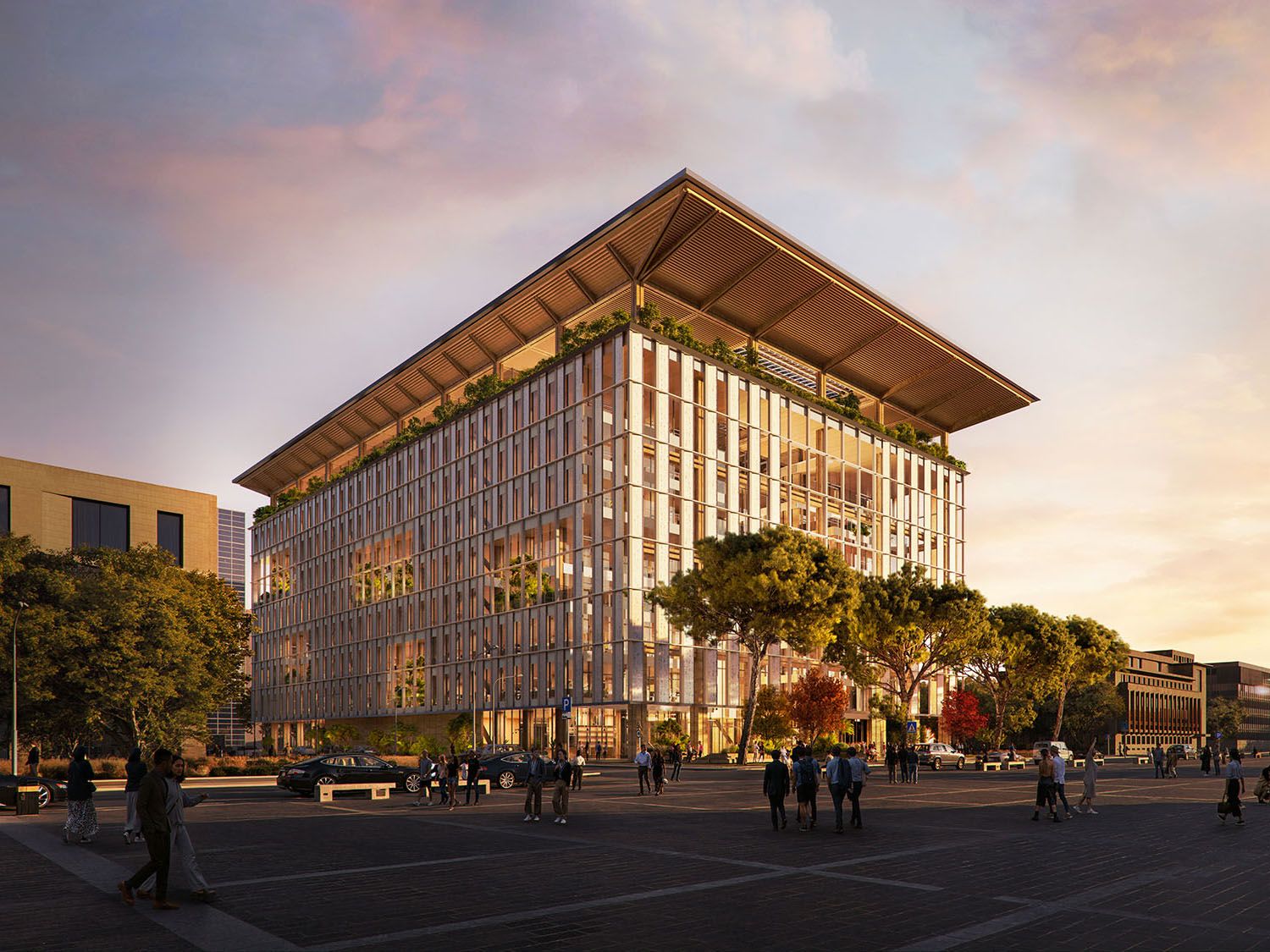
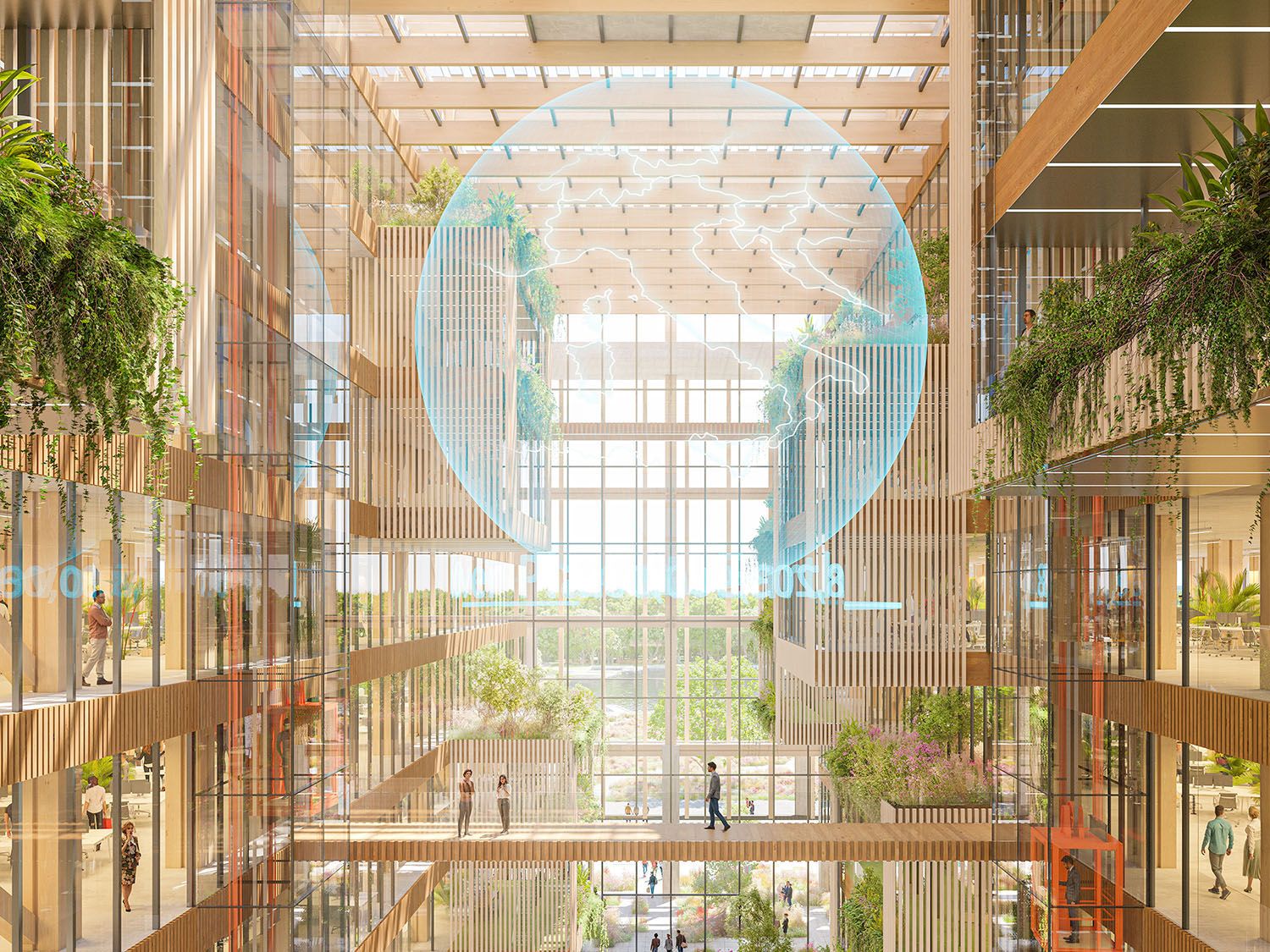
The masterplan brings together homes, workplaces, student housing and cultural venues within a walkable environment designed around health, accessibility and everyday convenience. These spaces support a broad community of residents, workers and visitors, keeping the district active throughout the day and year.
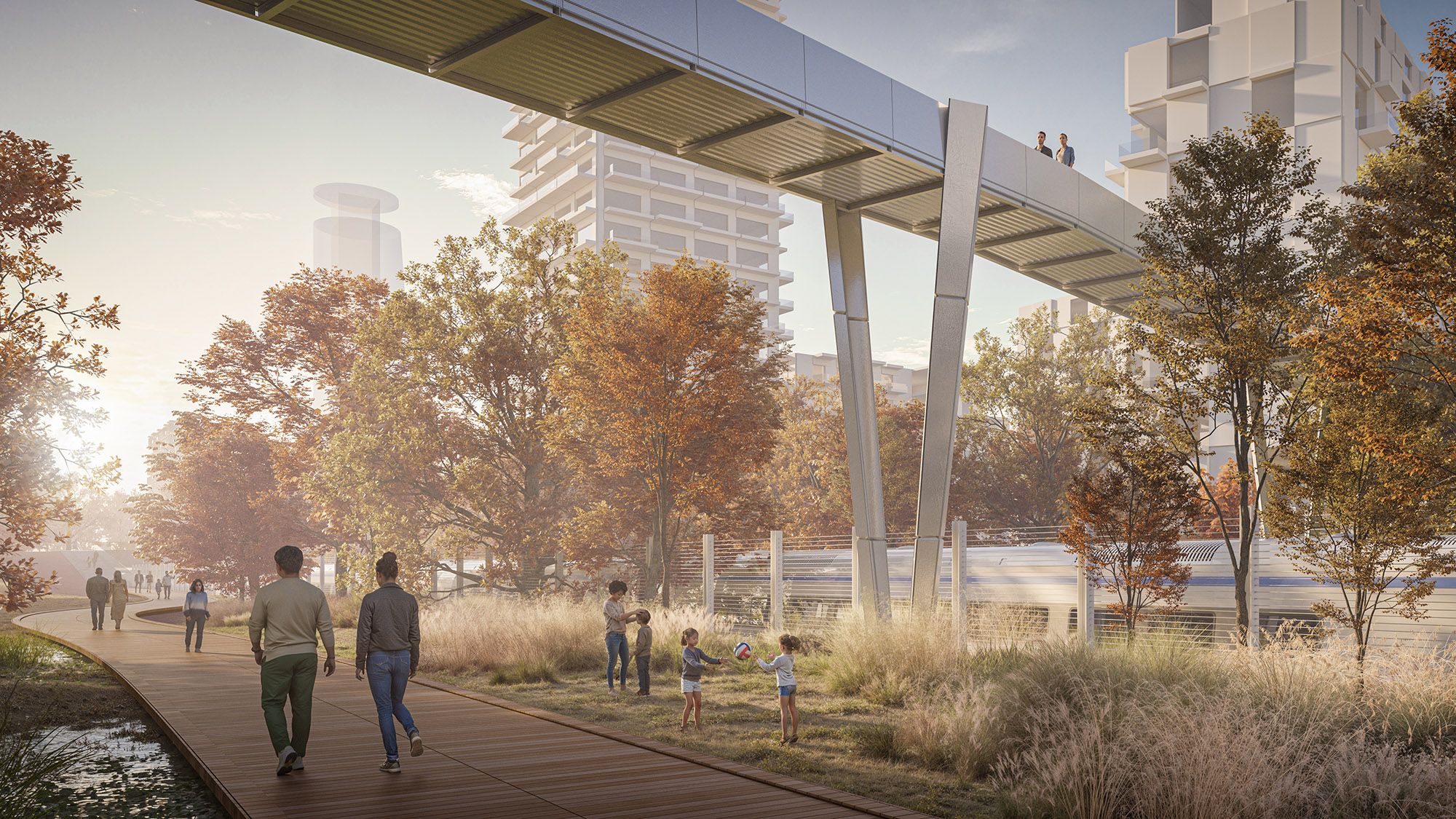
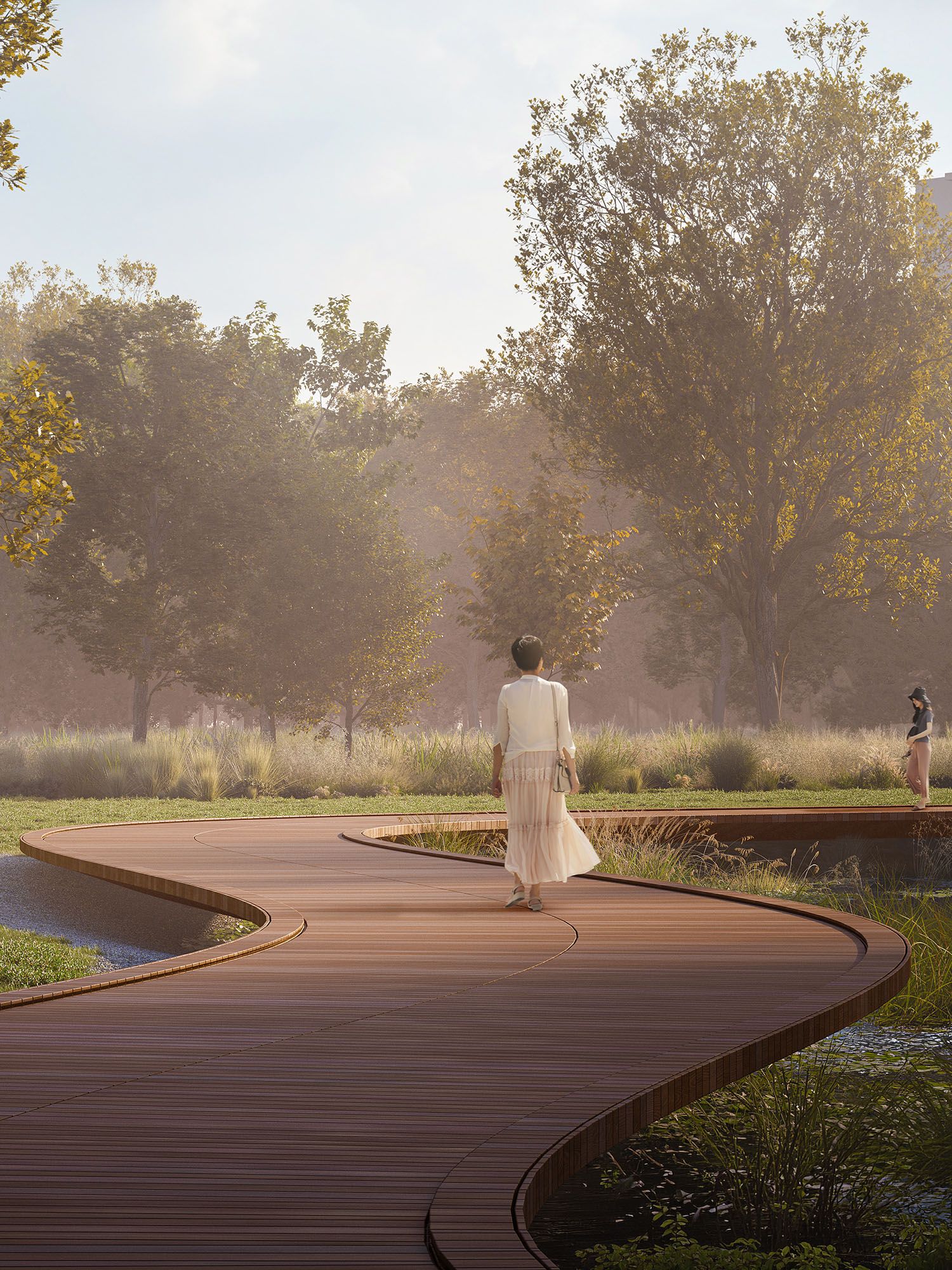
At its heart, the Great Park forms a distinctive landscape that rises over the live rail lines to reconnect the wider city. The Suspended Forest creates elevated routes shaded by trees, while the Eco-zone below offers wetlands, woodlands and community gardens linked to Milan’s Rotaie Verdi network.
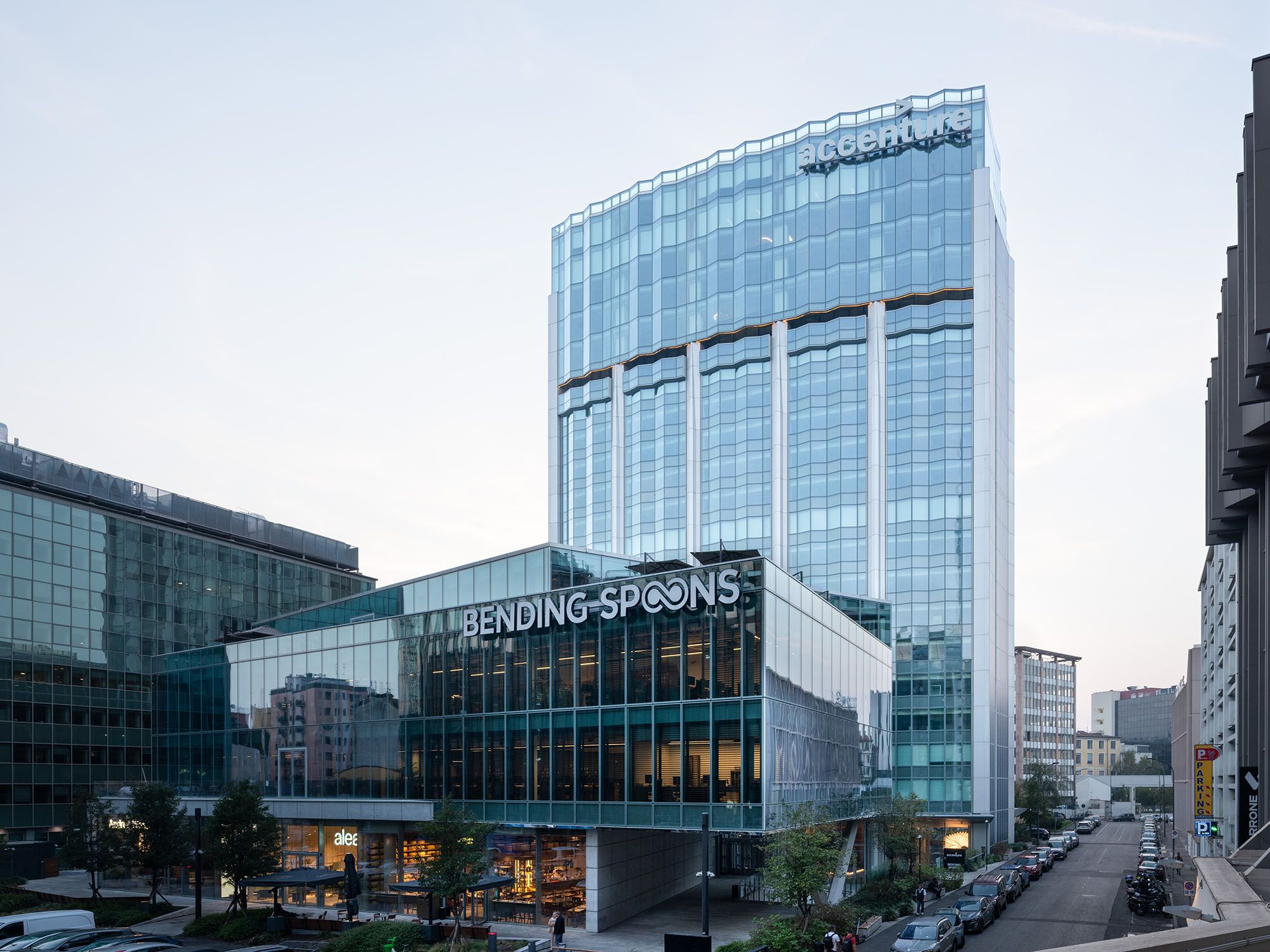
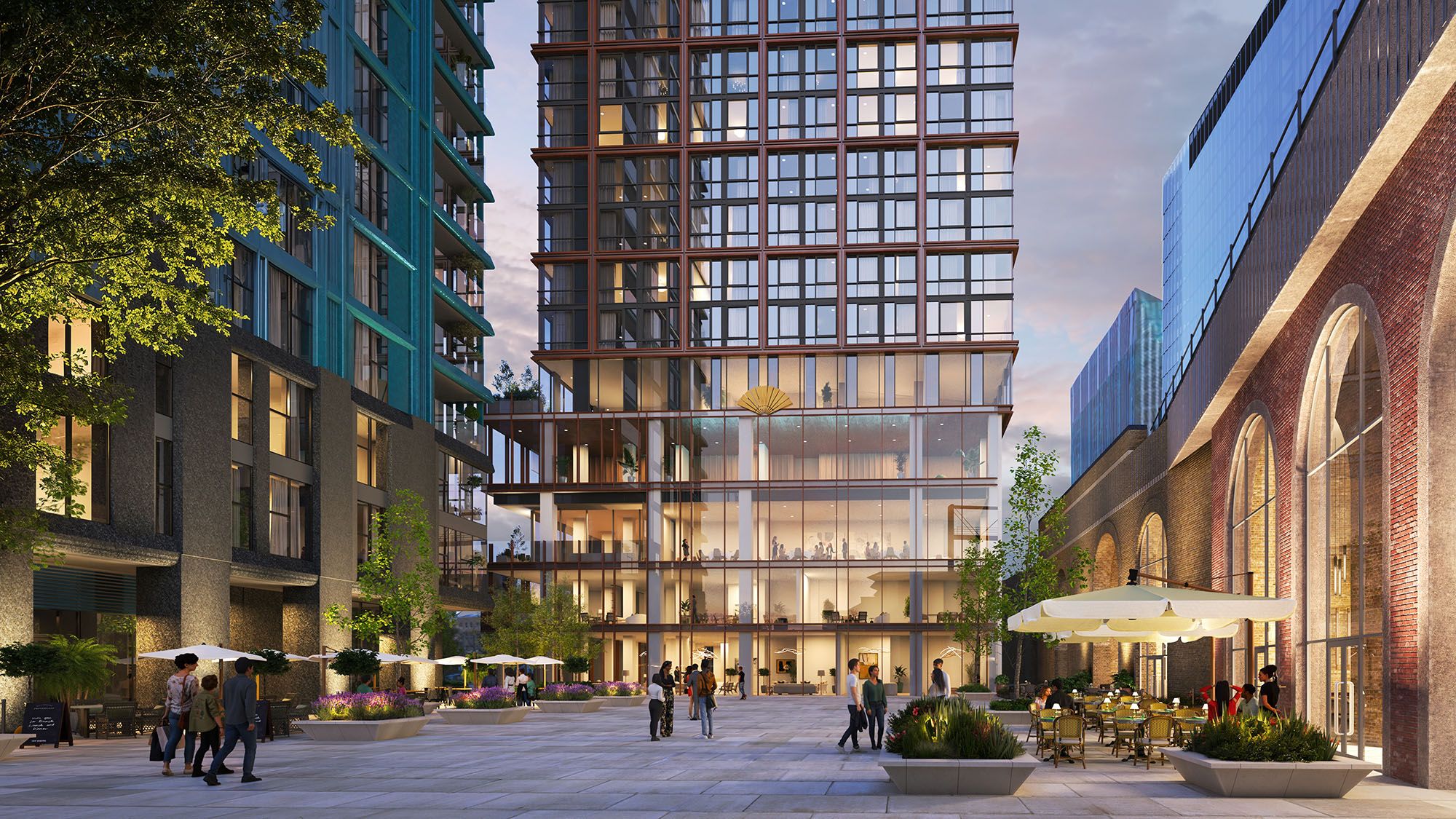
Urban blocks with landscaped courtyards mirror the grain of historic Milan. To the east, a business quarter faces the parklands; to the west, a residential district will host athletes during the 2026 Winter Olympics before becoming an intergenerational neighbourhood.
A district-wide sustainability framework underpins the masterplan, integrating low-carbon construction, ecological restoration and circular resource systems to support a more resilient future for Milan.
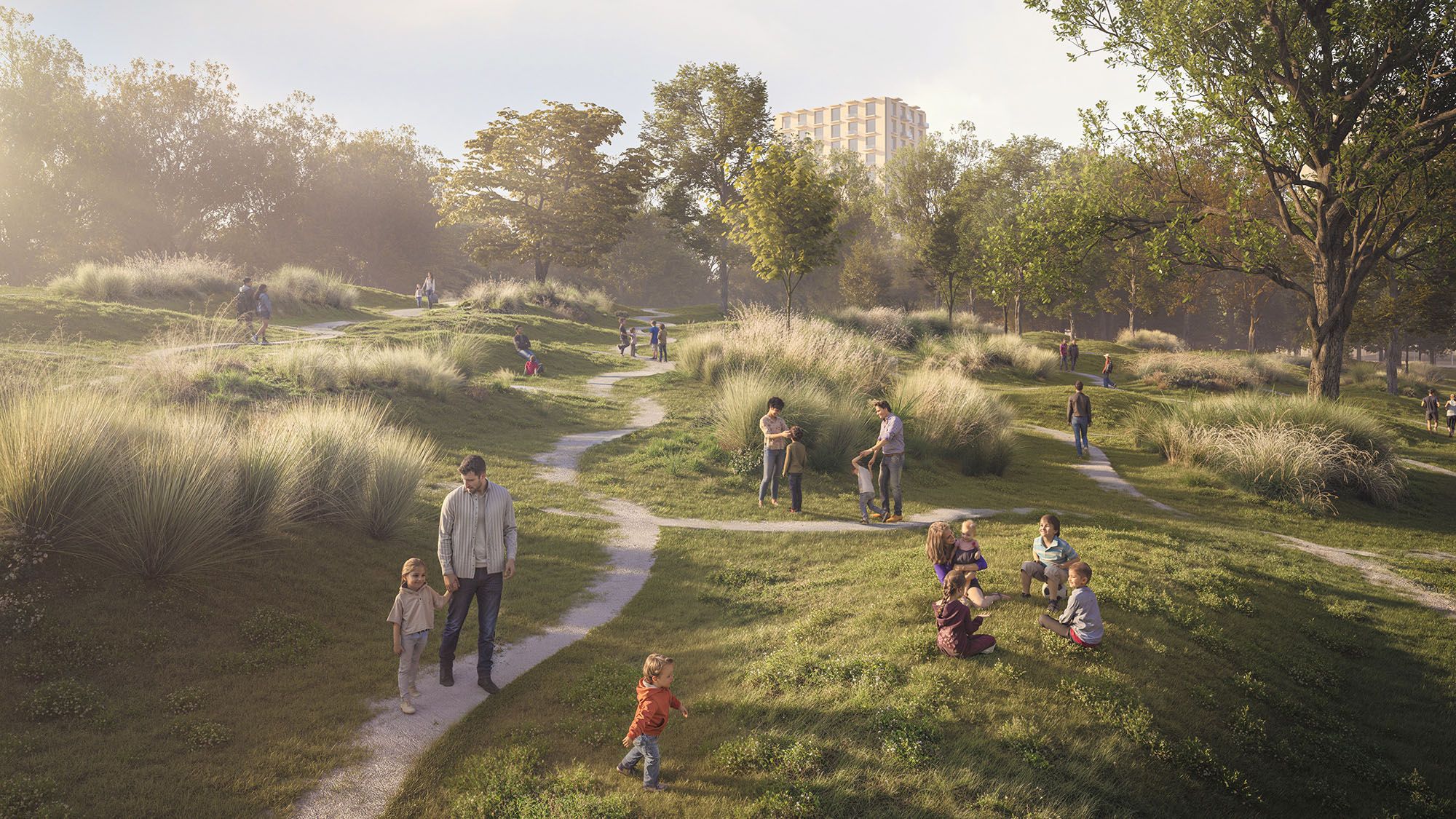
“A radical sustainability framework combines ecological and human systems throughout the development to form a self-reliant but integrated model of urban growth. It focuses on decarbonisation, climate adaption, resilient communities, health and wellbeing, circular economy and biodiversity”.
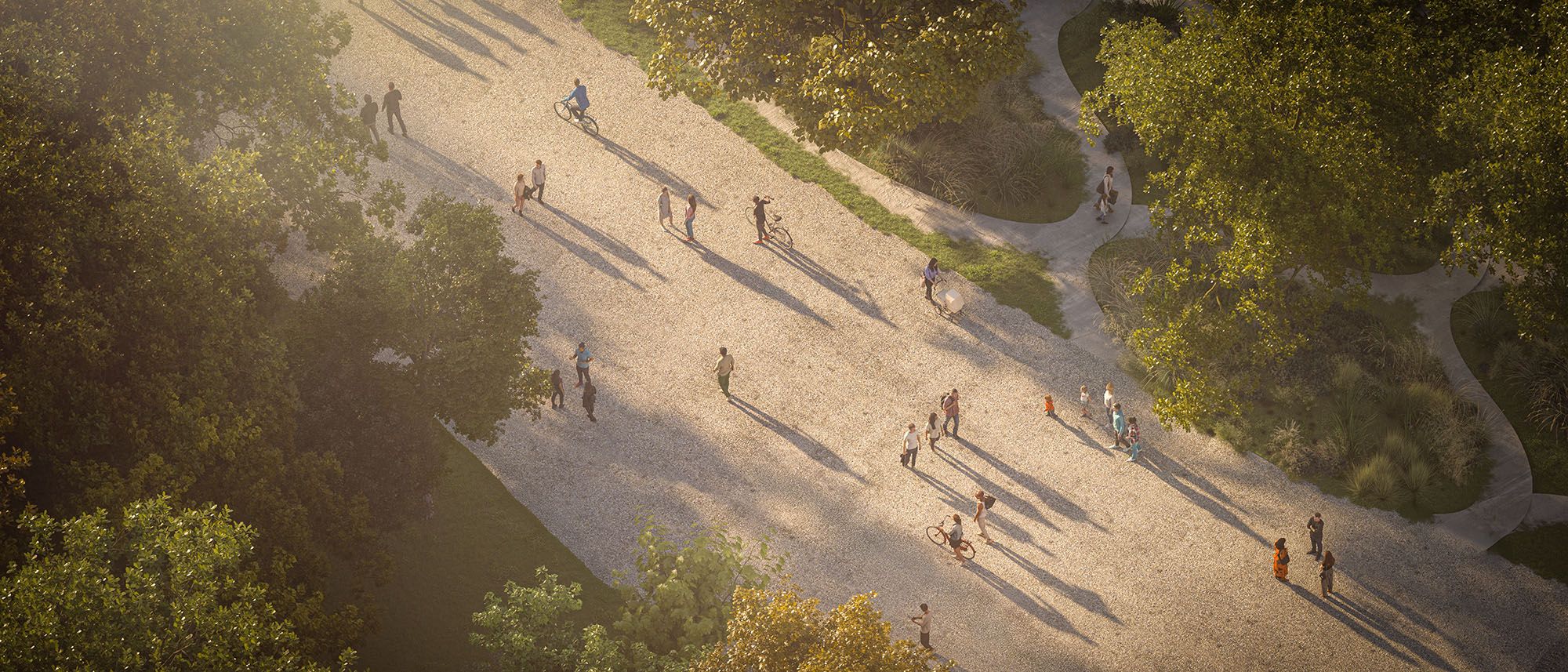
15 Minute City to Milan
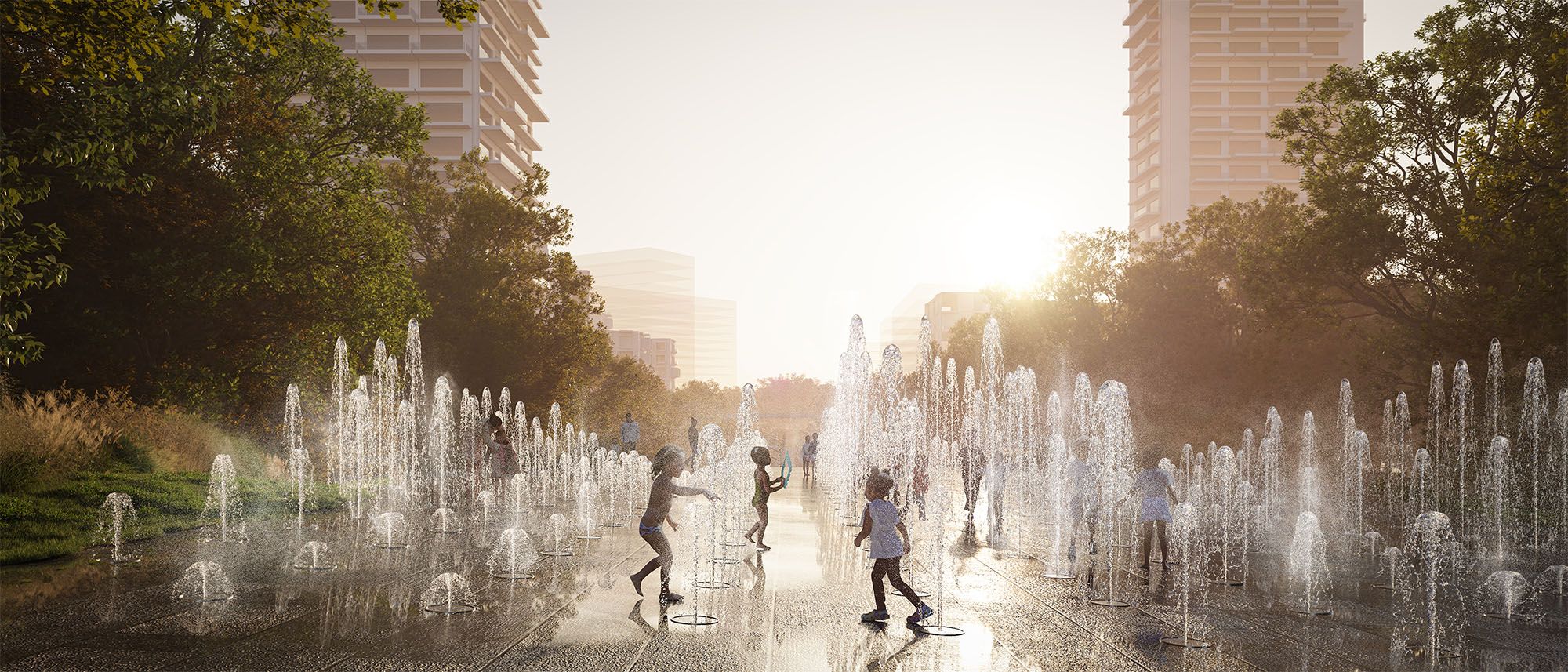
Aiming to provide everything needed for daily life within a short walk from the district’s living and working environments. A focus on pedestrians and cycling minimises reliance on automobiles and activates new paths to and through the site, forming corridors integrated with new public plazas that act as natural gathering places at the intersection of major pedestrian routes.