Technology
We use advanced digital tools and applied technology to expand what architecture can do. From computational design and prototyping to immersive environments and coordinated delivery, our work helps clients test ideas, improve performance and create buildings that are more precise, responsive and engaging.
Approach
Technology Design at PLP enhances how projects are explored, developed and delivered. We use advanced workflows, digital modelling and immersive tools to test options, improve coordination and support better decisions from concept through delivery. The result is work that is more informed, buildable and responsive to changing demands over time.
Computational Modelling & Simulation
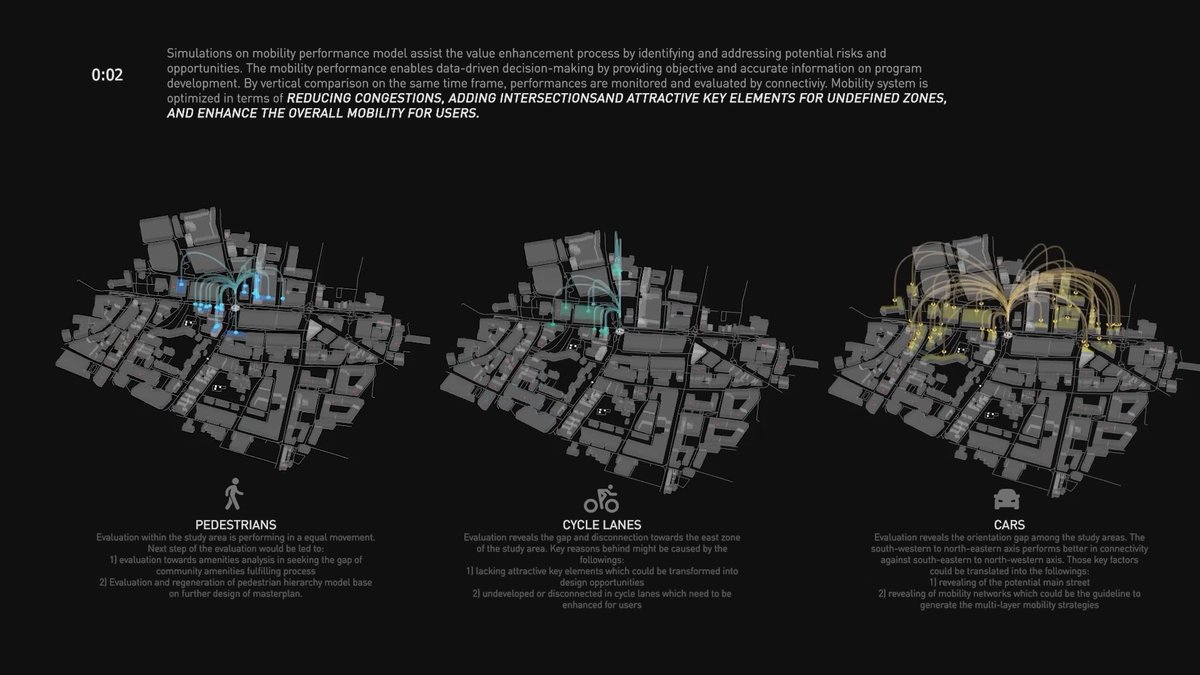
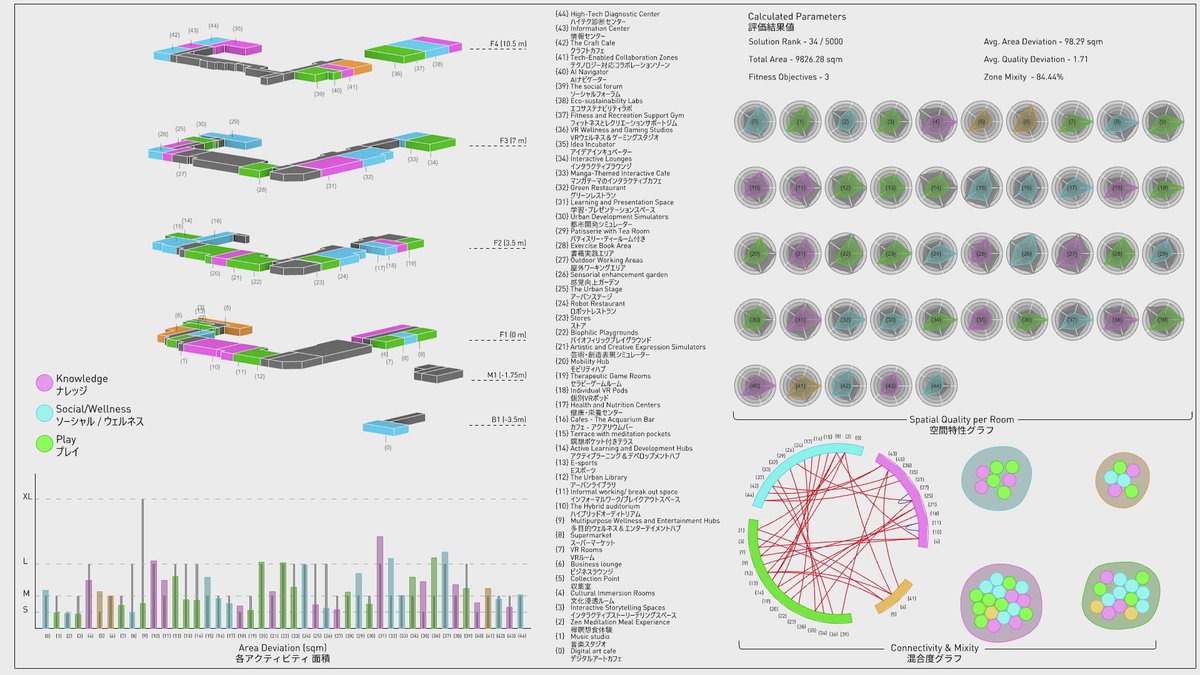
We use advanced modelling and simulation tools to test form, performance and buildability in parallel. These methods allow us to evaluate options quickly, inform key decisions and help ambitious architectural ideas move forward with greater clarity and technical confidence.
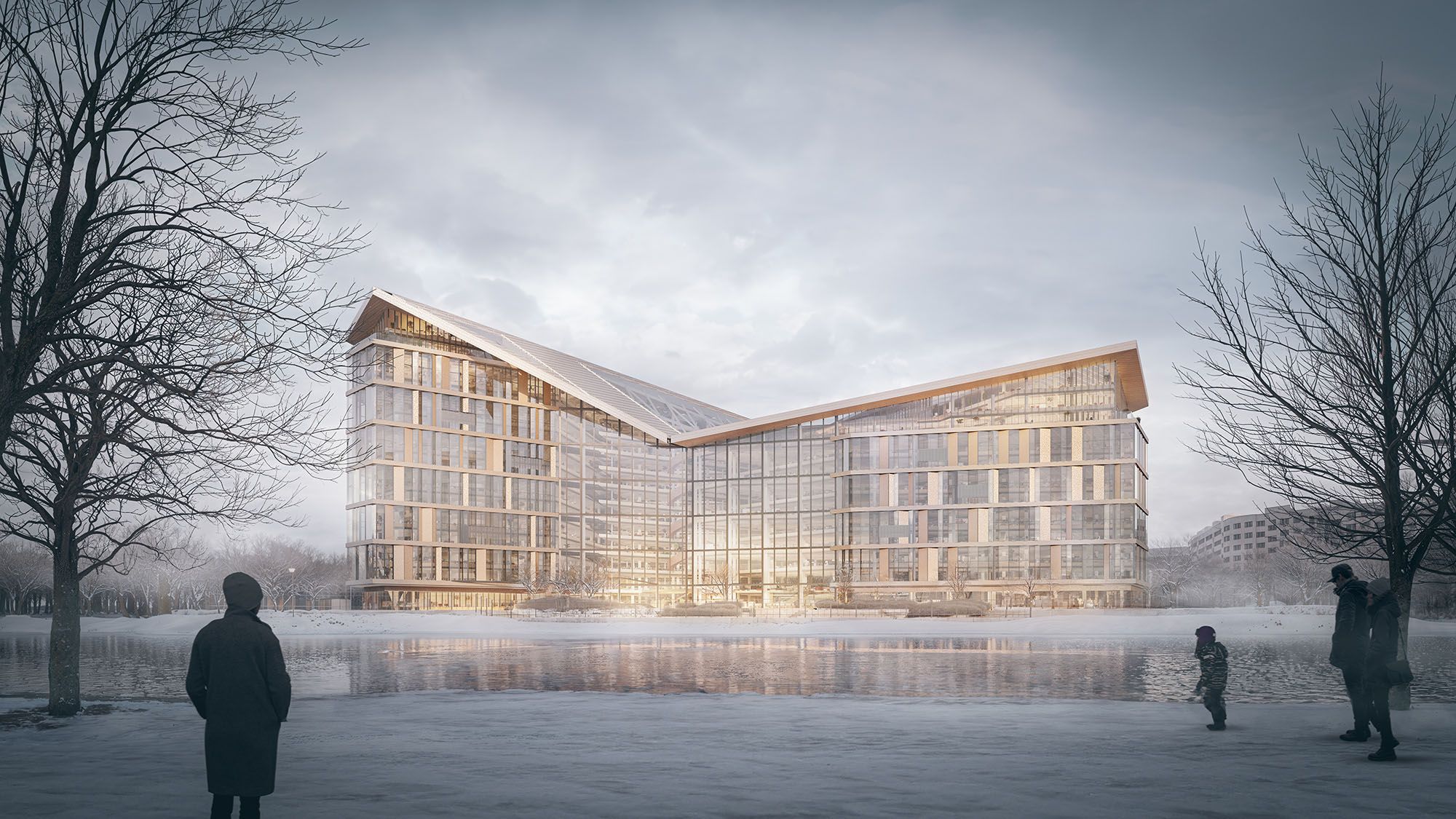
The Yandex Headquarters brings the tech company’s ecosystem together under one roof, creating a centre for collaboration and innovation.
Material Research & Prototyping
We explore materials through research, testing, mock-ups and prototyping to understand how they perform, age and can be applied in practice. This process helps drive innovation within the industry, supporting the development of new materials and identifying viable applications for them in real architectural settings.

We spent the last three years experimenting with mycelium bio-composites. In the process, we leaned into the symbiotic potential between architectural practice and nature.
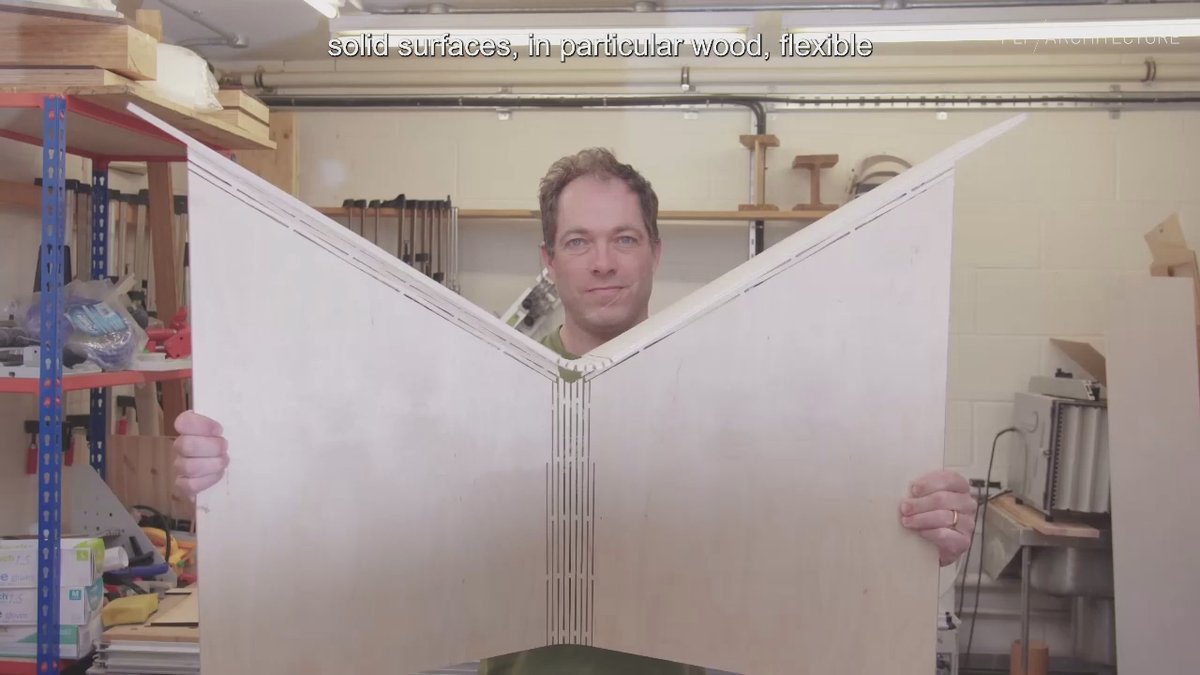
Unfolding (2021) and Ephemeral (2023) showcase how engineered timber partitions that are flexible and movable can replace walls.
Immersive Environments & Digital Twins
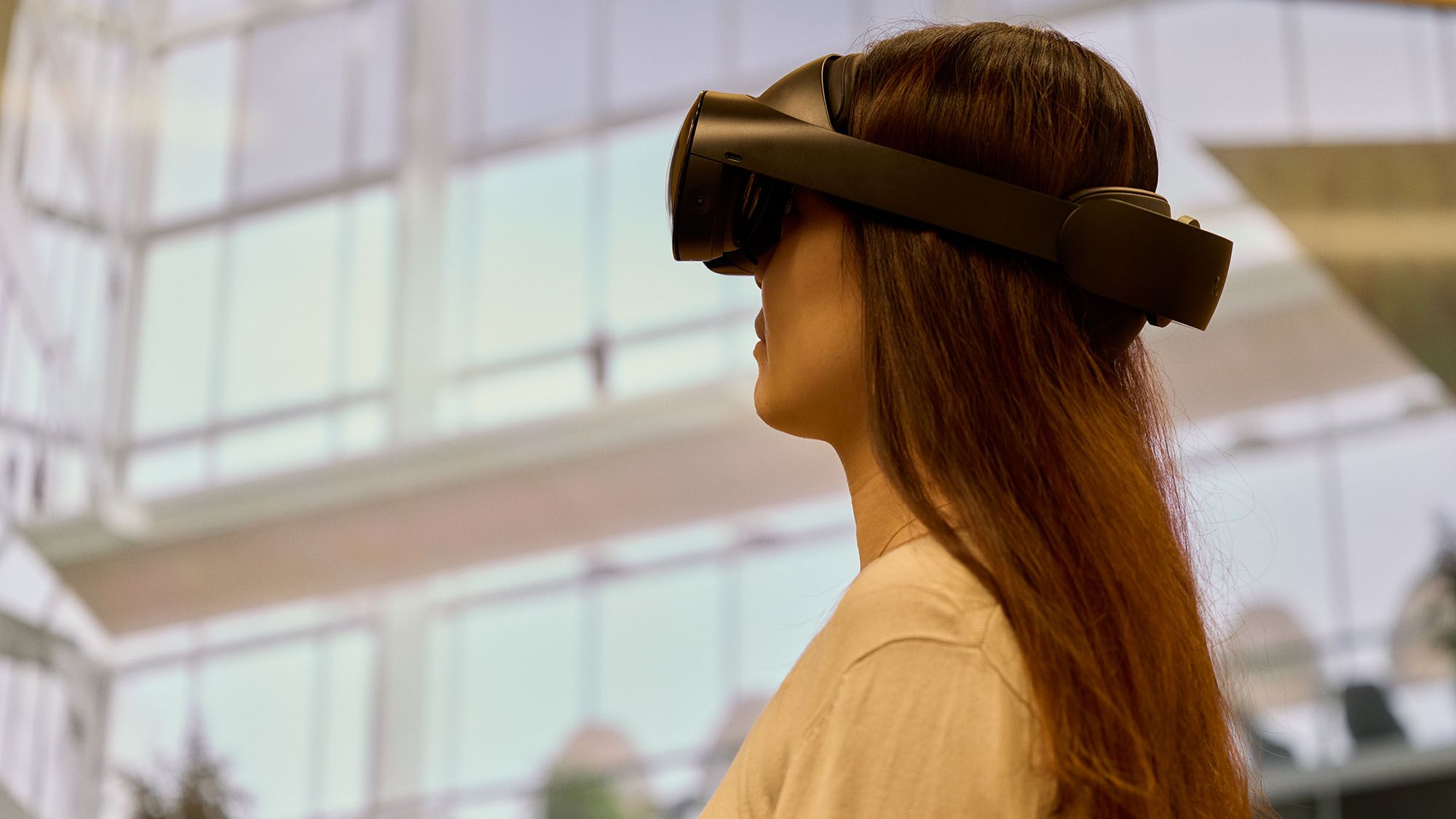
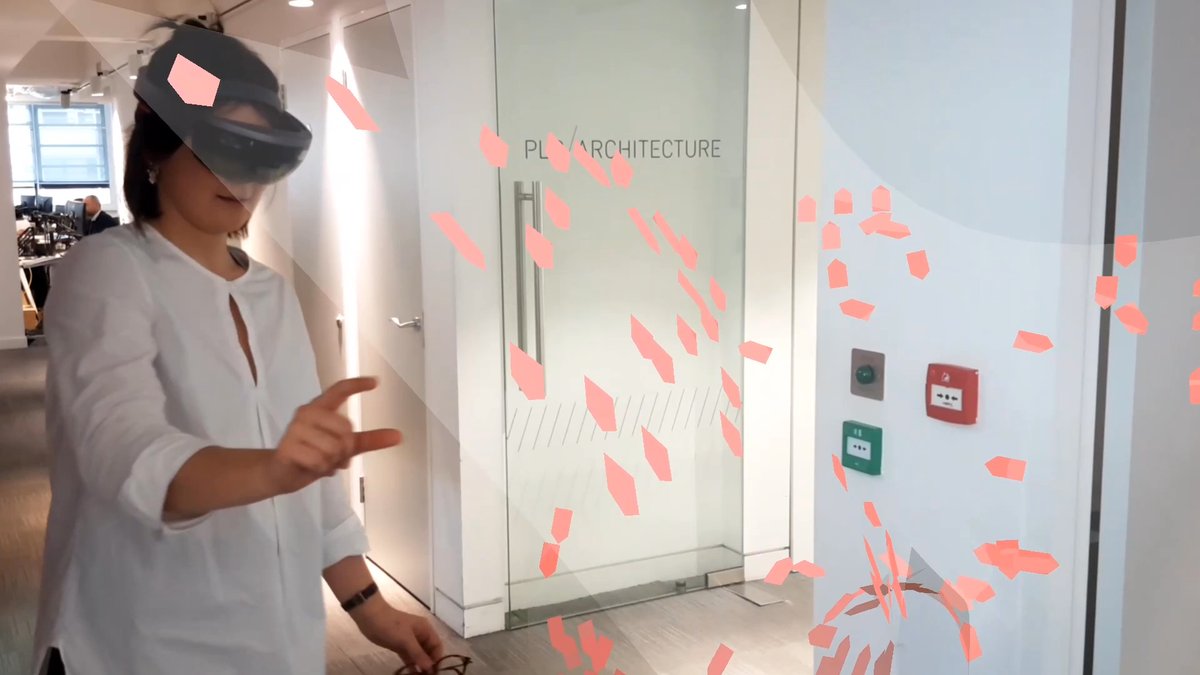
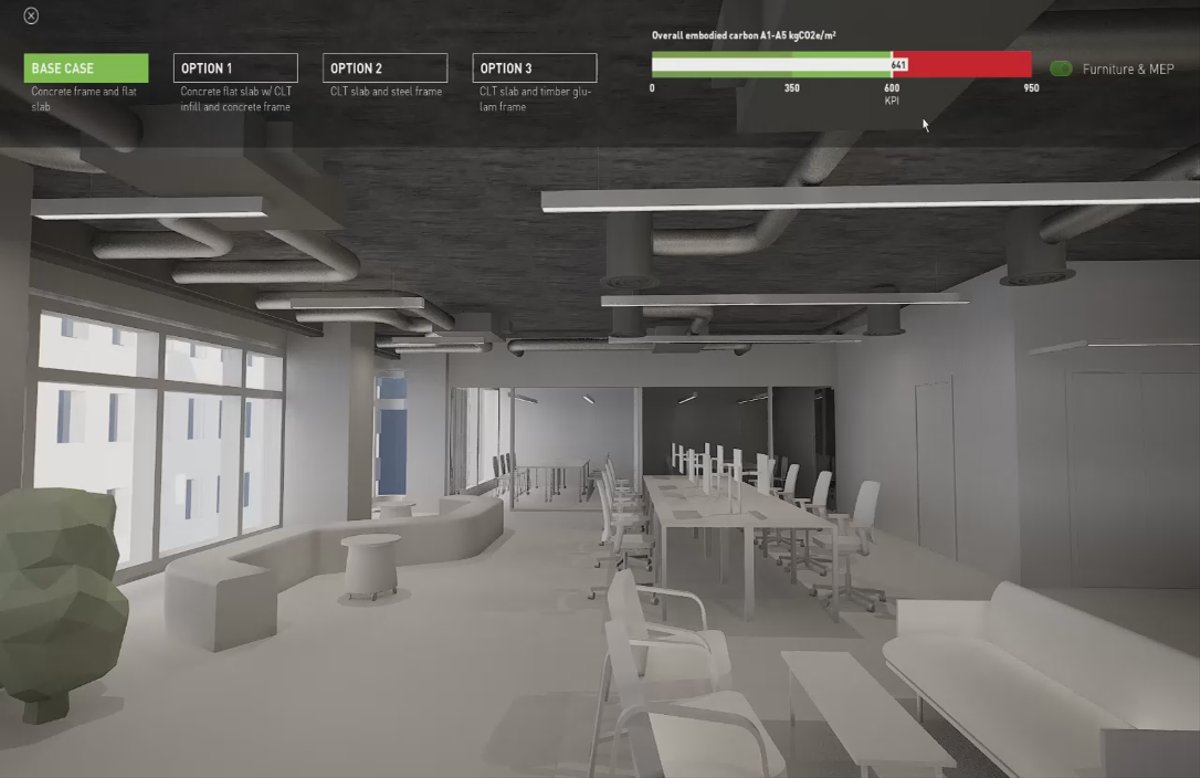
We create AR, VR and mixed reality environments that allow clients and stakeholders to experience proposals before they are built. Digital twins and real-time visualisation also enable option testing, clearer communication and more intuitive decision-making during development.
BIM
We use Building Information Modelling to coordinate project information, improve collaboration and support efficient delivery. BIM helps teams manage complexity across disciplines, align decisions throughout the process and maintain greater control from concept to construction.