
Lincoln Square
London, UK
A residential building in Westminster designed to bring new homes and a more contextual streetscape to Lincoln’s Inn Fields.
Civil and Structural Engineer
Robert Bird Group UK
Planning Consultant
Gerald Eve
Landscape Architect
Gustafson Porter + Bowman
Façade Consultant
Buro Happold Engineering
MEP
Hoare Lea London
Interior Design
Bowler James Brindley
Interior Design
Studio Urquiola
About
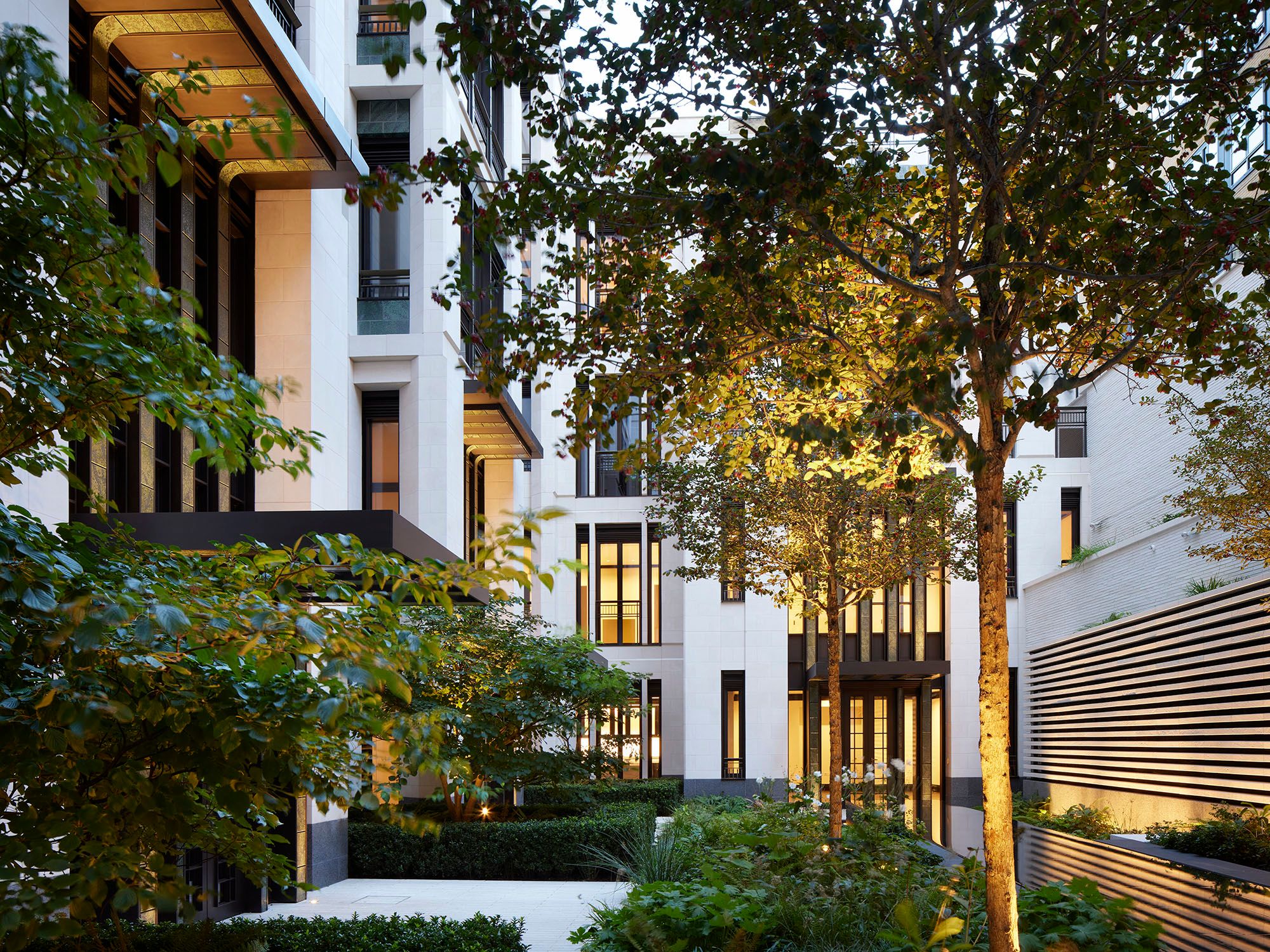
Located in Westminster’s Strand Conservation Area, Lincoln Square replaces a vacant 1960s office building with a new ten-storey residential development designed to respond more closely to its highly sensitive surroundings. Developed for the Lodha Group, the project brings 230 apartments, resident amenities and a landscaped courtyard to a prominent island site framed by some of London’s most significant institutional buildings.
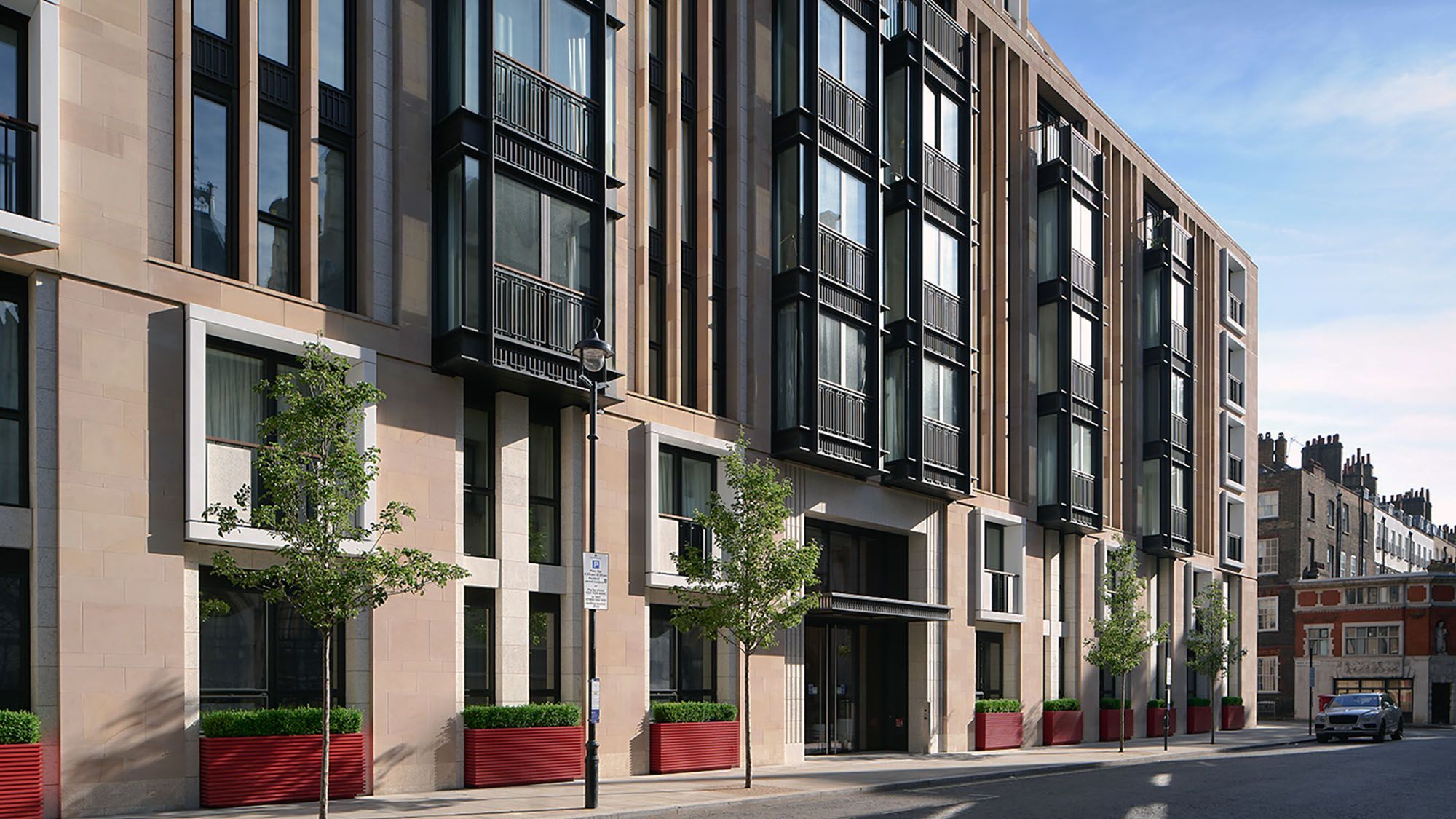
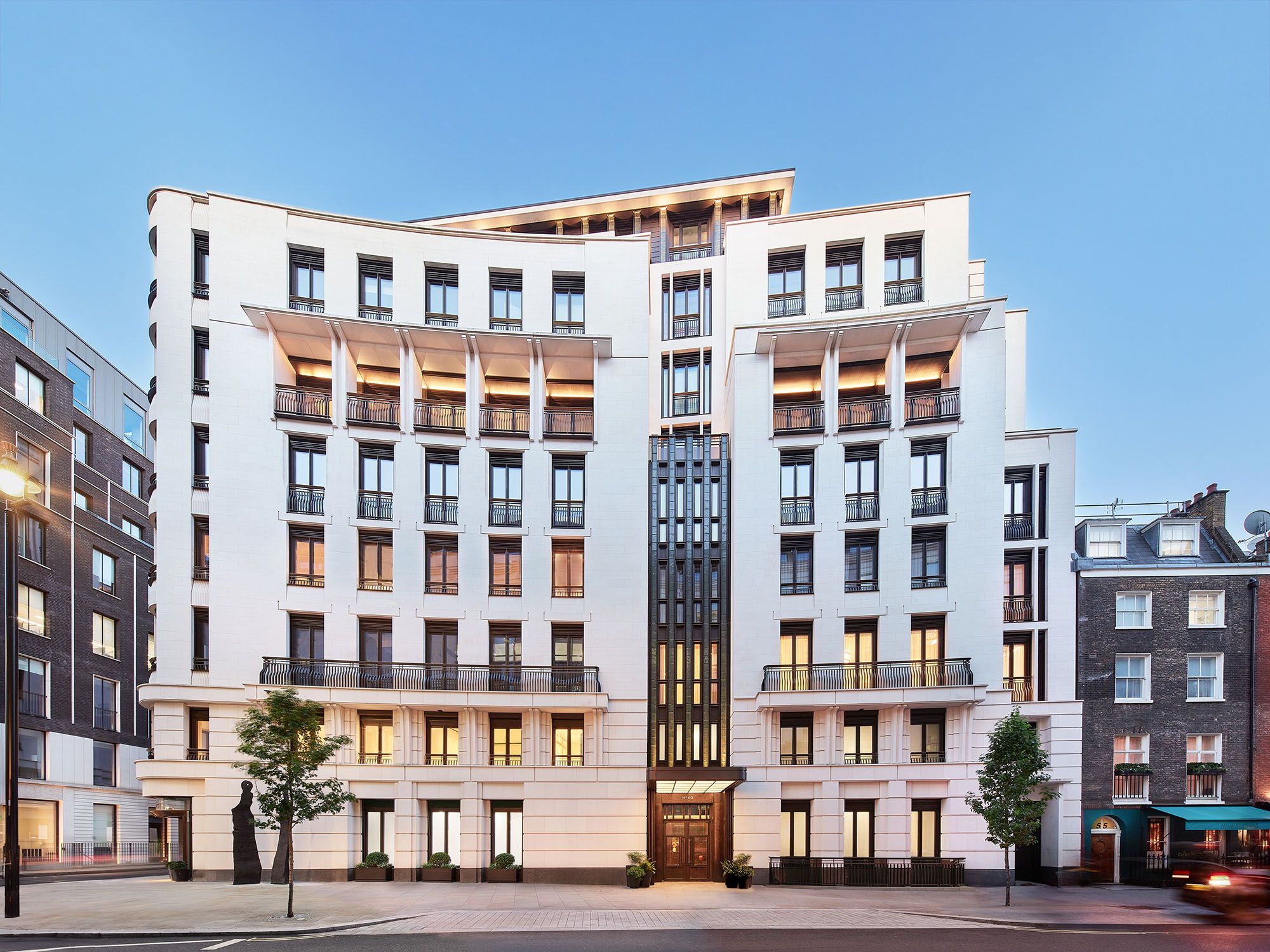
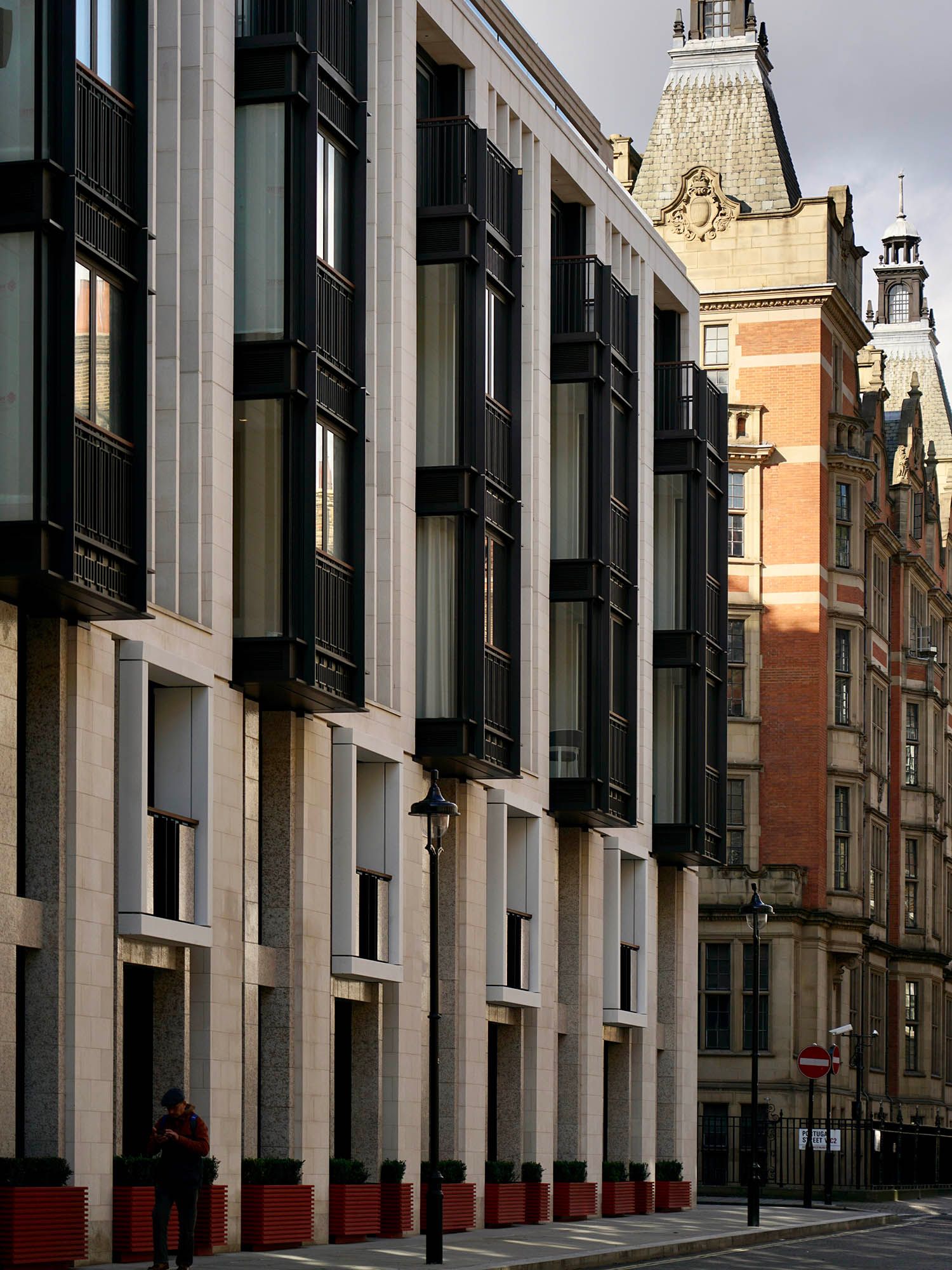
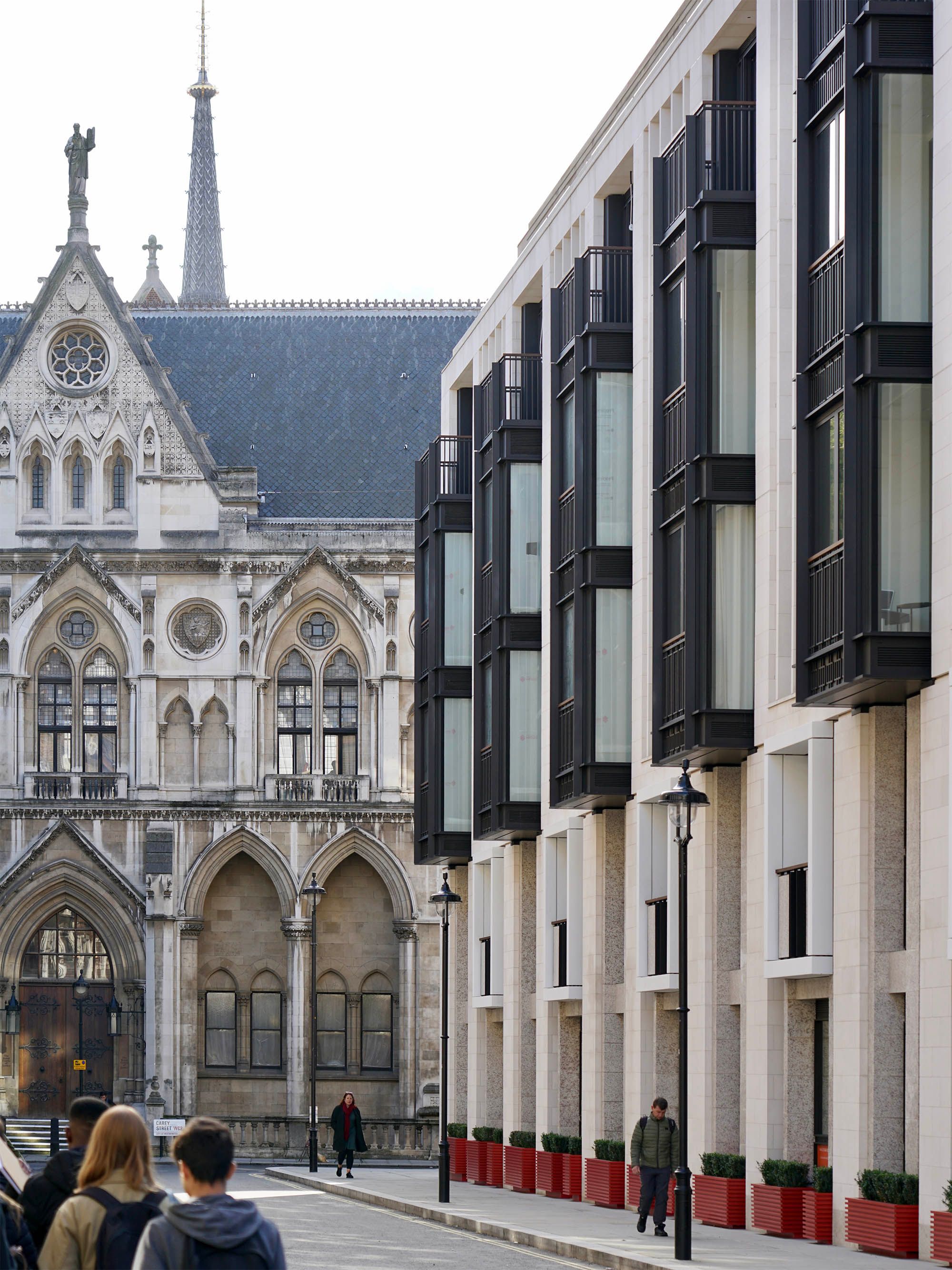
Surrounded by the Royal Courts of Justice, the Royal College of Surgeons and the London School of Economics, the building is shaped by the scale, proportion and material character of its context. A principal six-storey street wall reinstates a stronger relationship to the surrounding streetscape, while each façade responds to the specific form, texture and rhythm of the buildings around it.
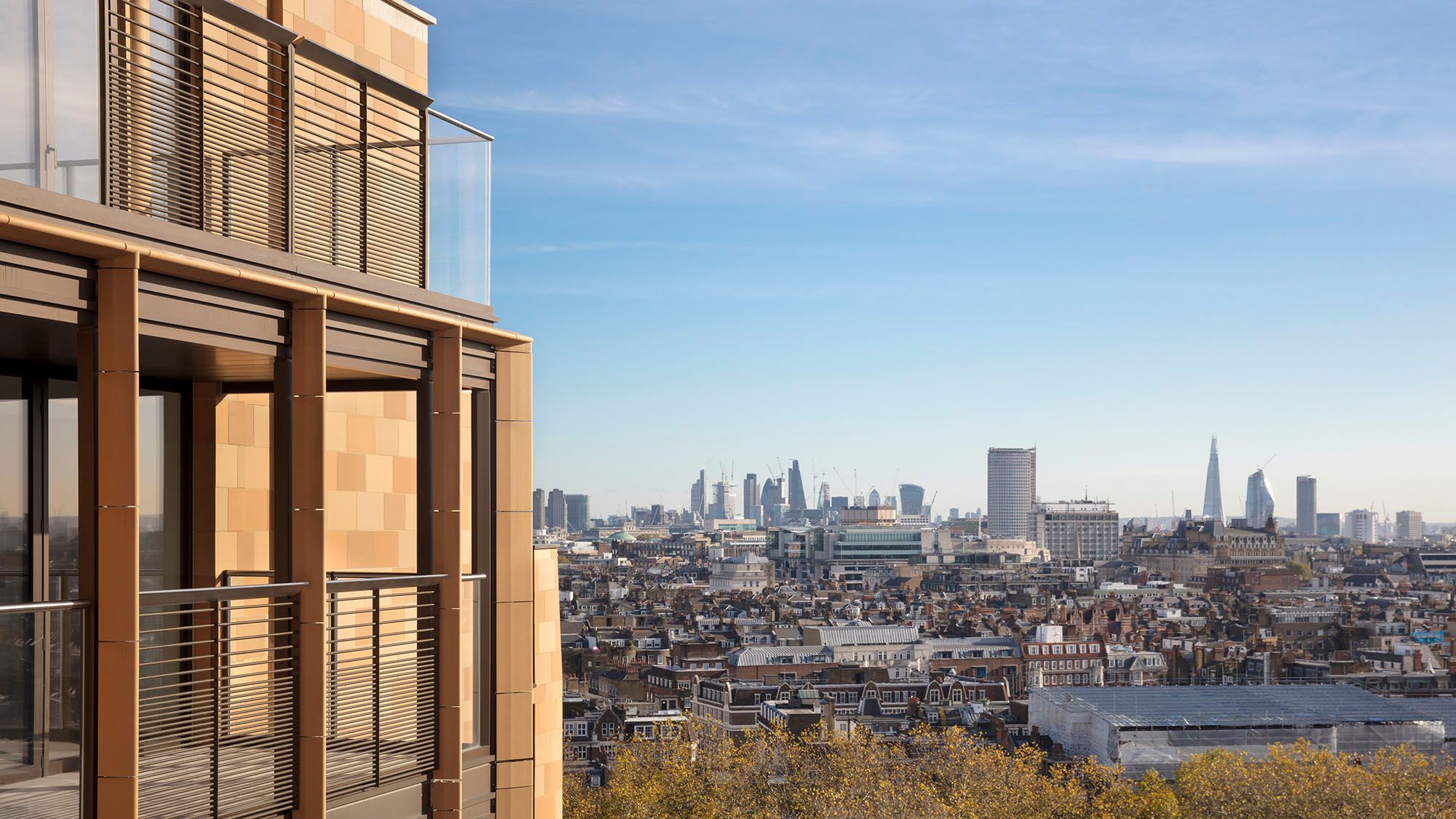
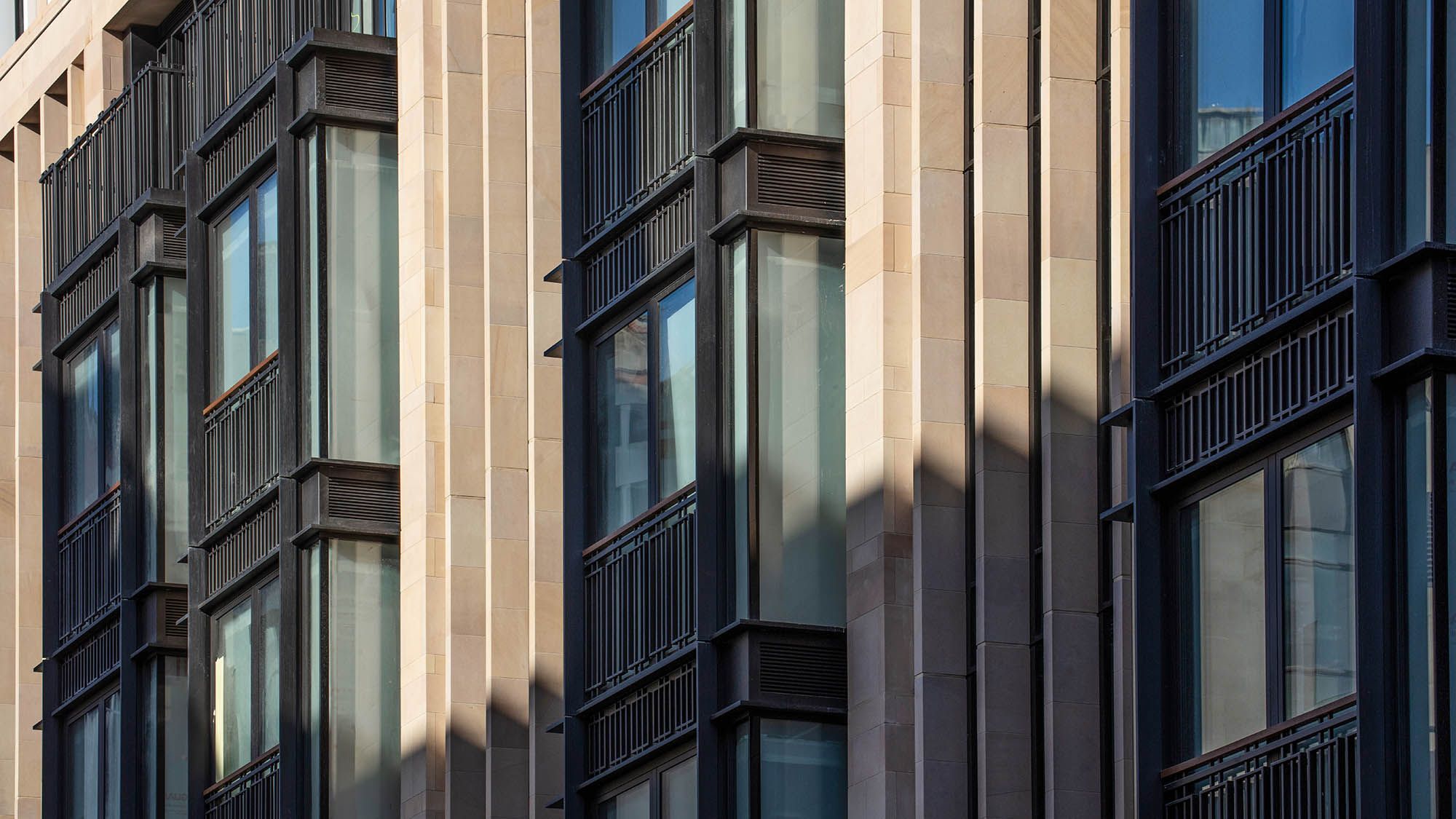
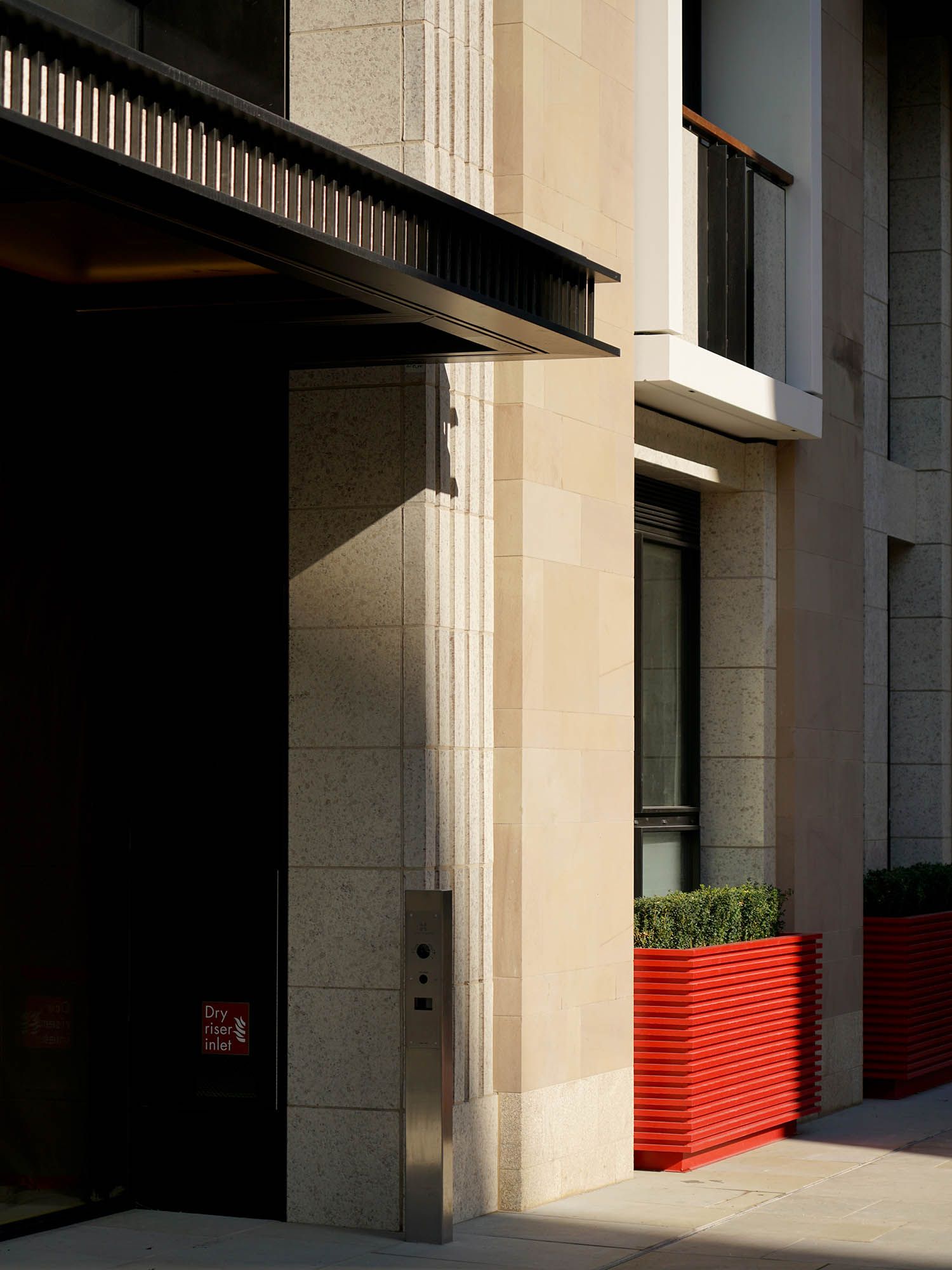
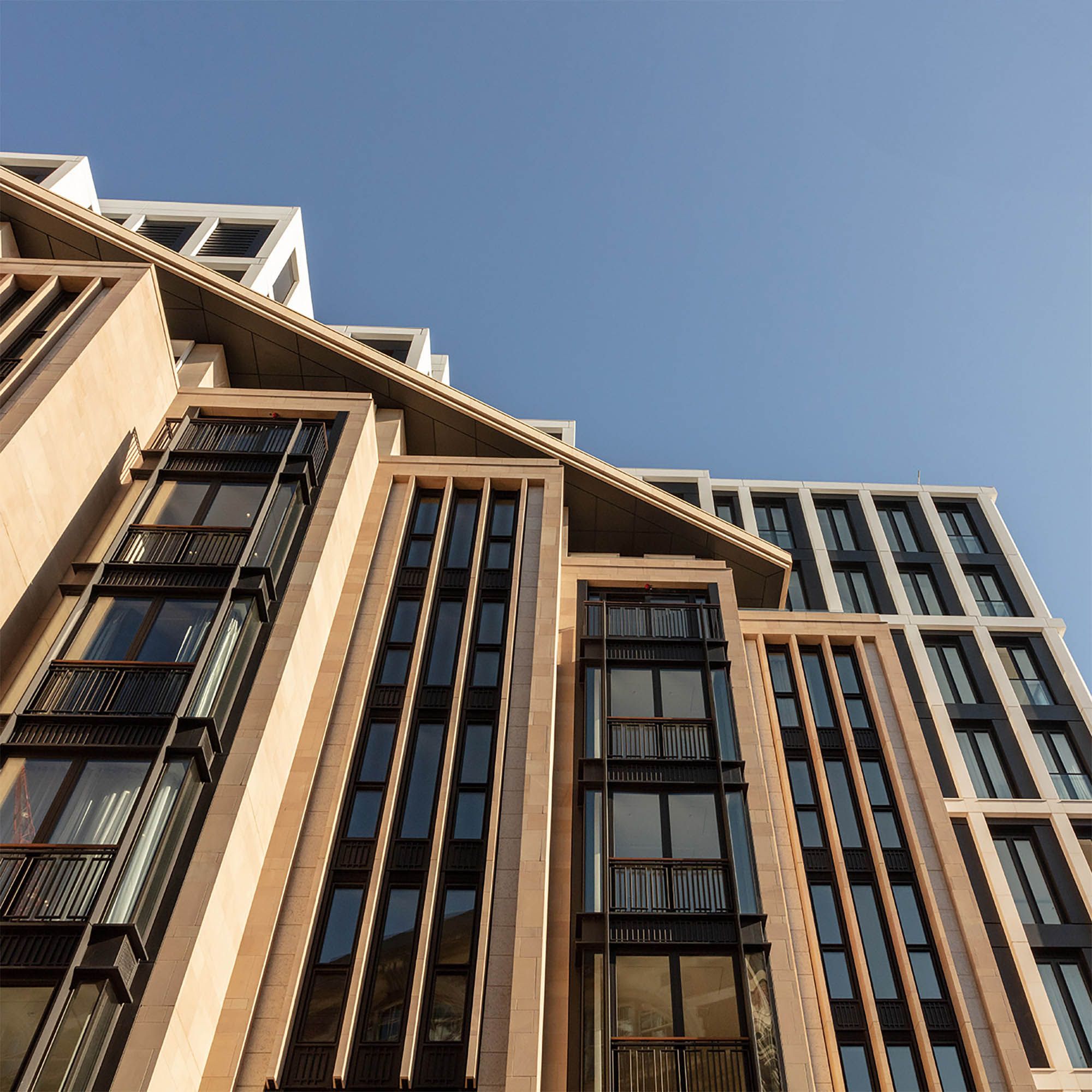
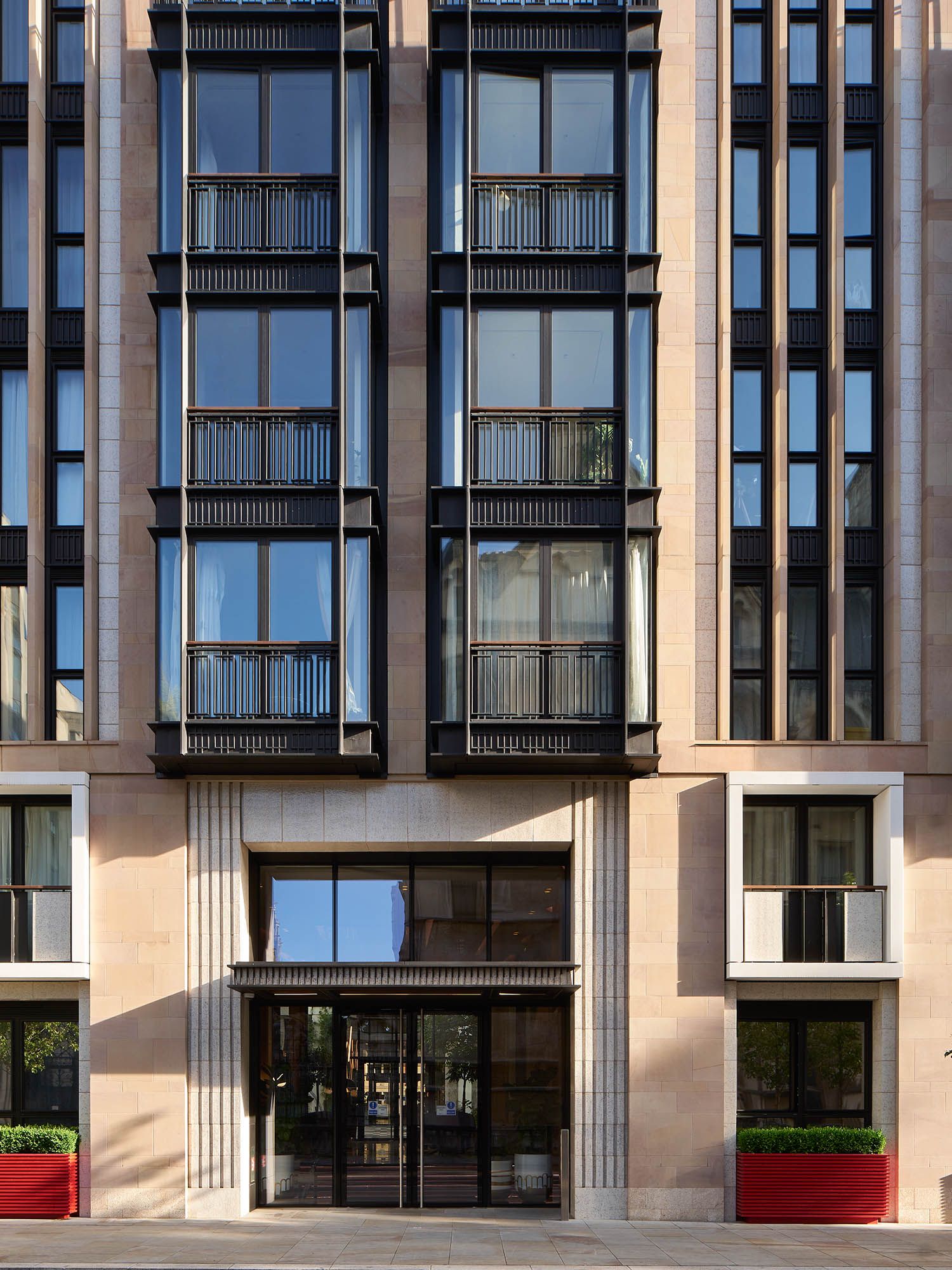
The stone façade is articulated through window bays, punched openings and vertical fins, with metal spandrel panels introducing a subtle horizontal rhythm across the elevations. Recessed landscaped terraces and upper-level pavilions reduce the building’s perceived scale, helping it sit more comfortably within both street-level and longer views across the surrounding neighbourhood.
Contextual form
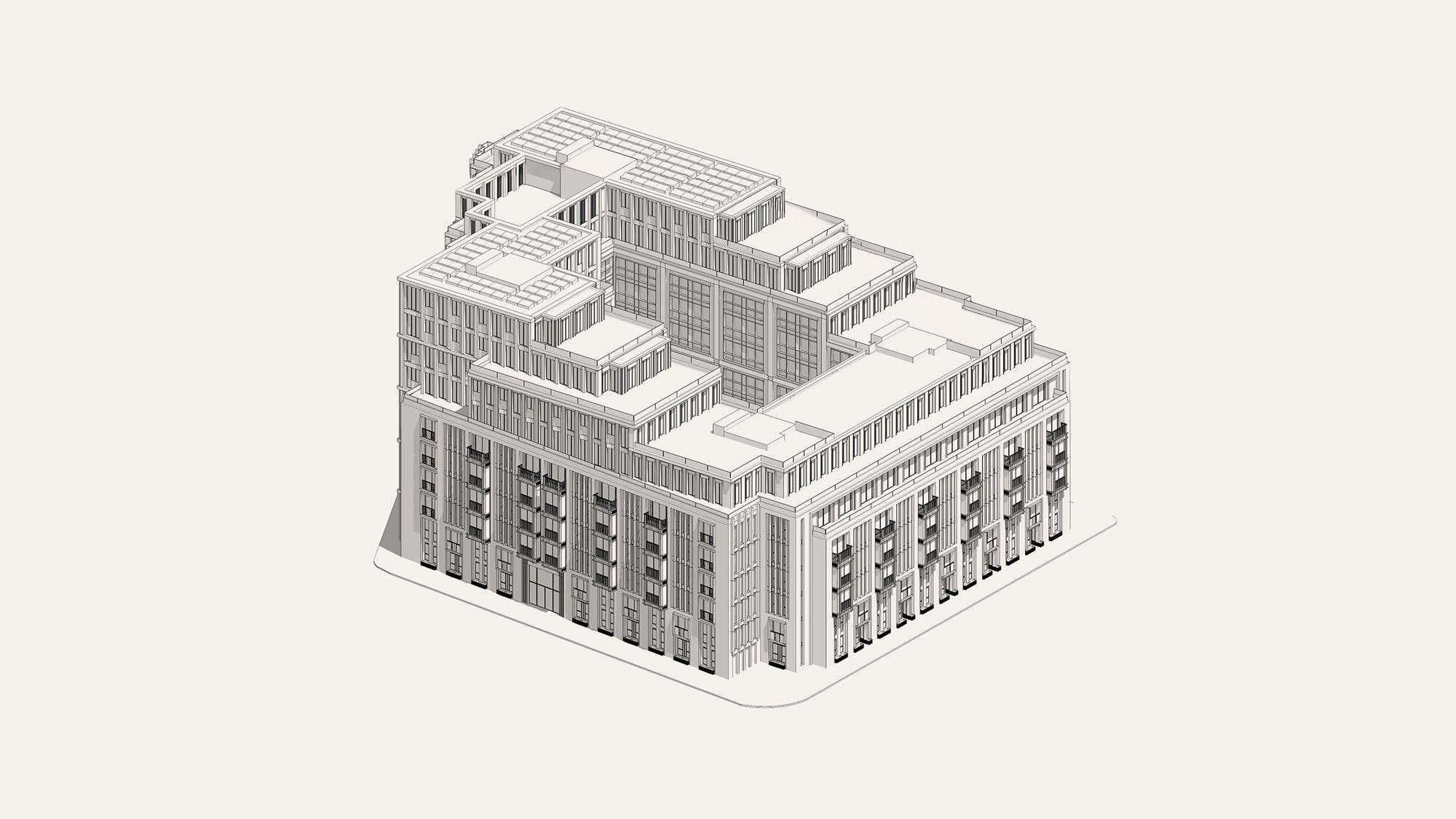
The building is shaped by the scale, rhythm and material character of its highly sensitive surroundings, responding directly to the institutional architecture around Lincoln’s Inn Fields. This approach helps establish a more composed residential presence within a prominent Westminster setting.
Façade articulation
Each façade is carefully articulated to respond to the texture, rhythm and material character of its context. Stone, punched openings, vertical fins and metal spandrel panels combine to give the building depth and a quieter architectural presence.
Setbacks and terraces
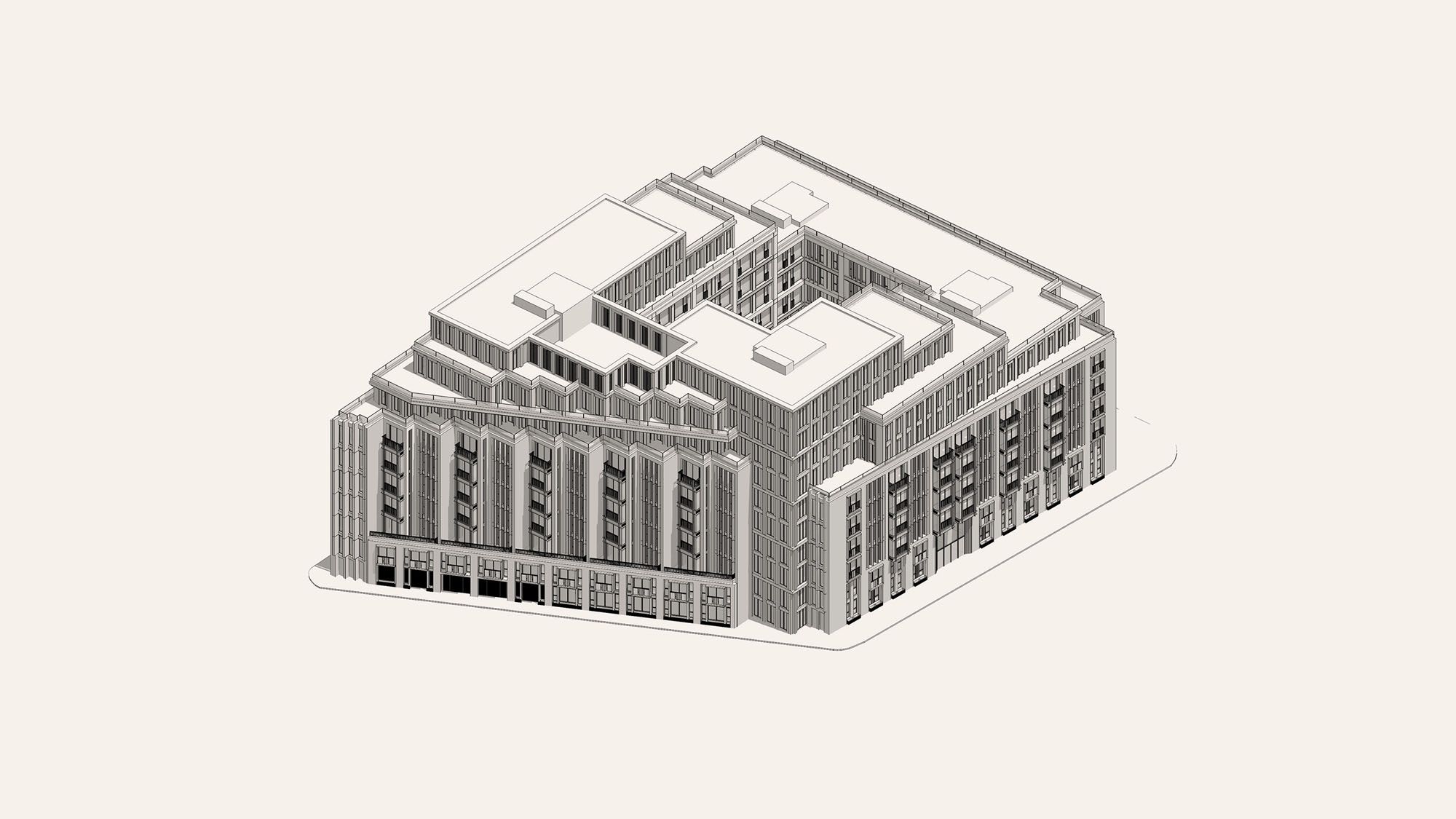
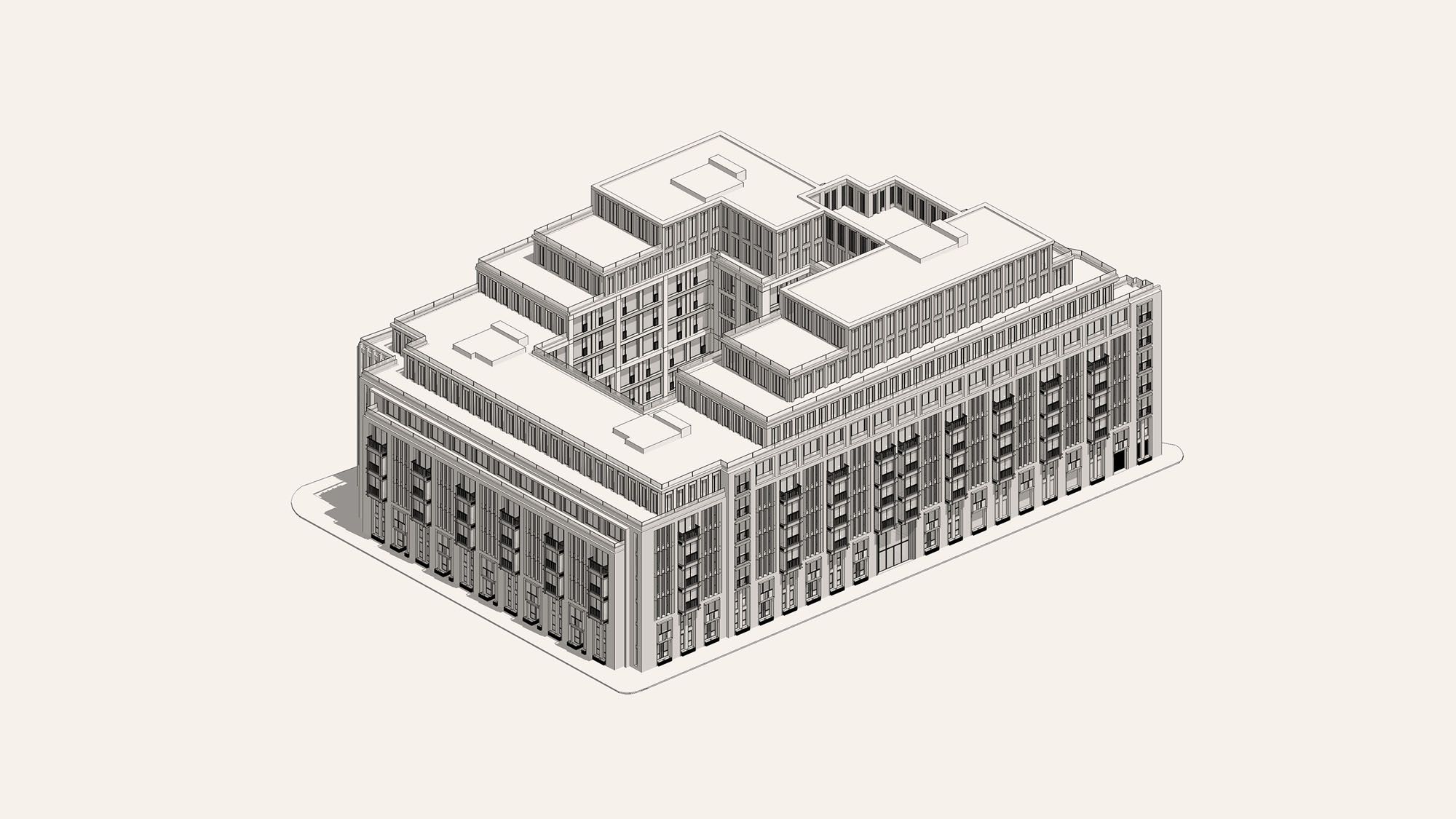
Upper levels are set back to reduce the building’s perceived scale and create a more comfortable relationship to longer views across the neighbourhood. Recessed terraces introduce openness and greenery while softening the building’s silhouette.
Responding in massing
The building’s massing is shaped by the scale and hierarchy of the surrounding townscape, replacing a monolithic office block with a more composed residential form. A principal six-storey street wall helps reinstate a stronger relationship to the surrounding streets.
Façade articulation
Each façade is carefully articulated to respond to the texture, rhythm and material character of its context. Stone, punched openings, vertical fins and metal spandrel panels combine to give the building depth and a quieter architectural presence.
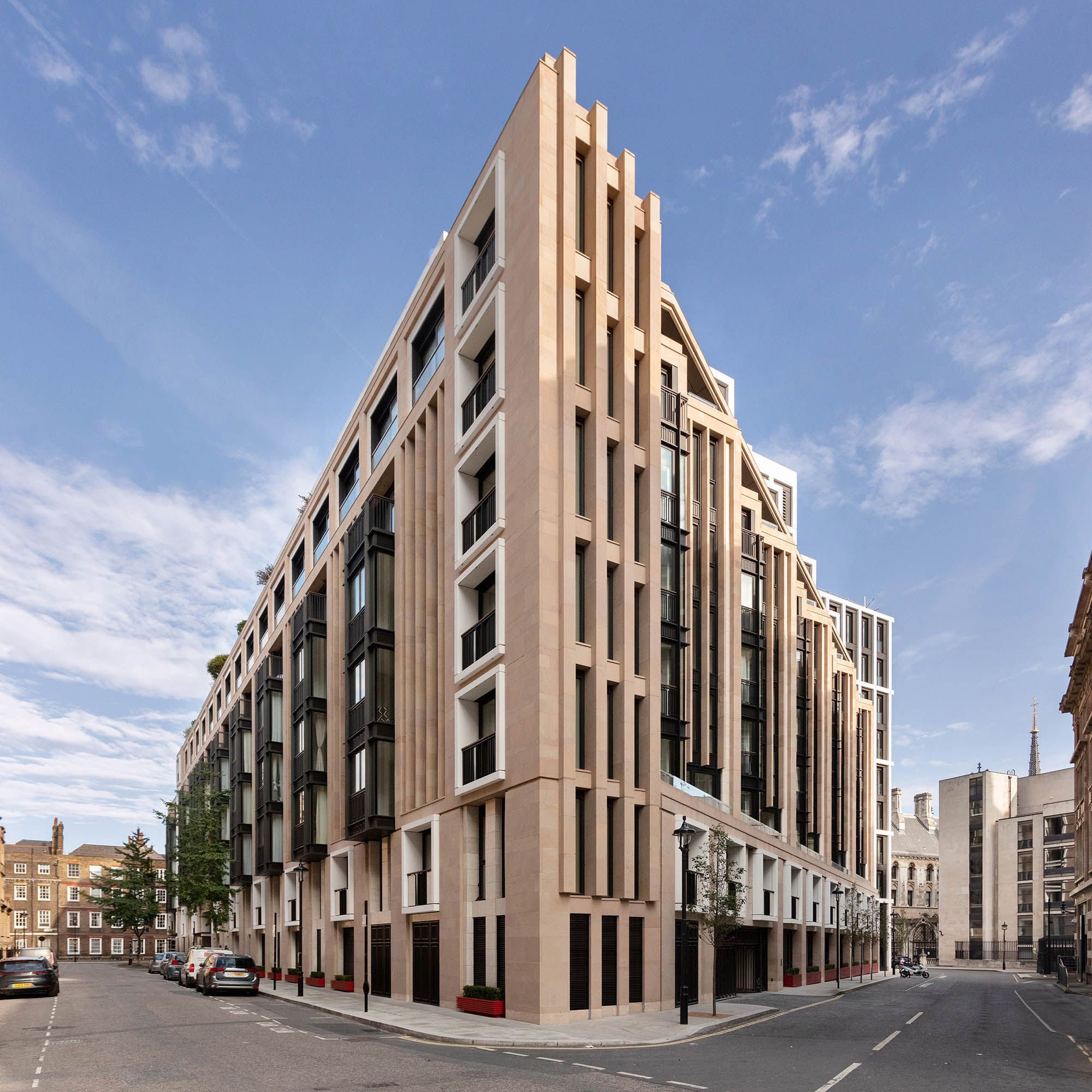
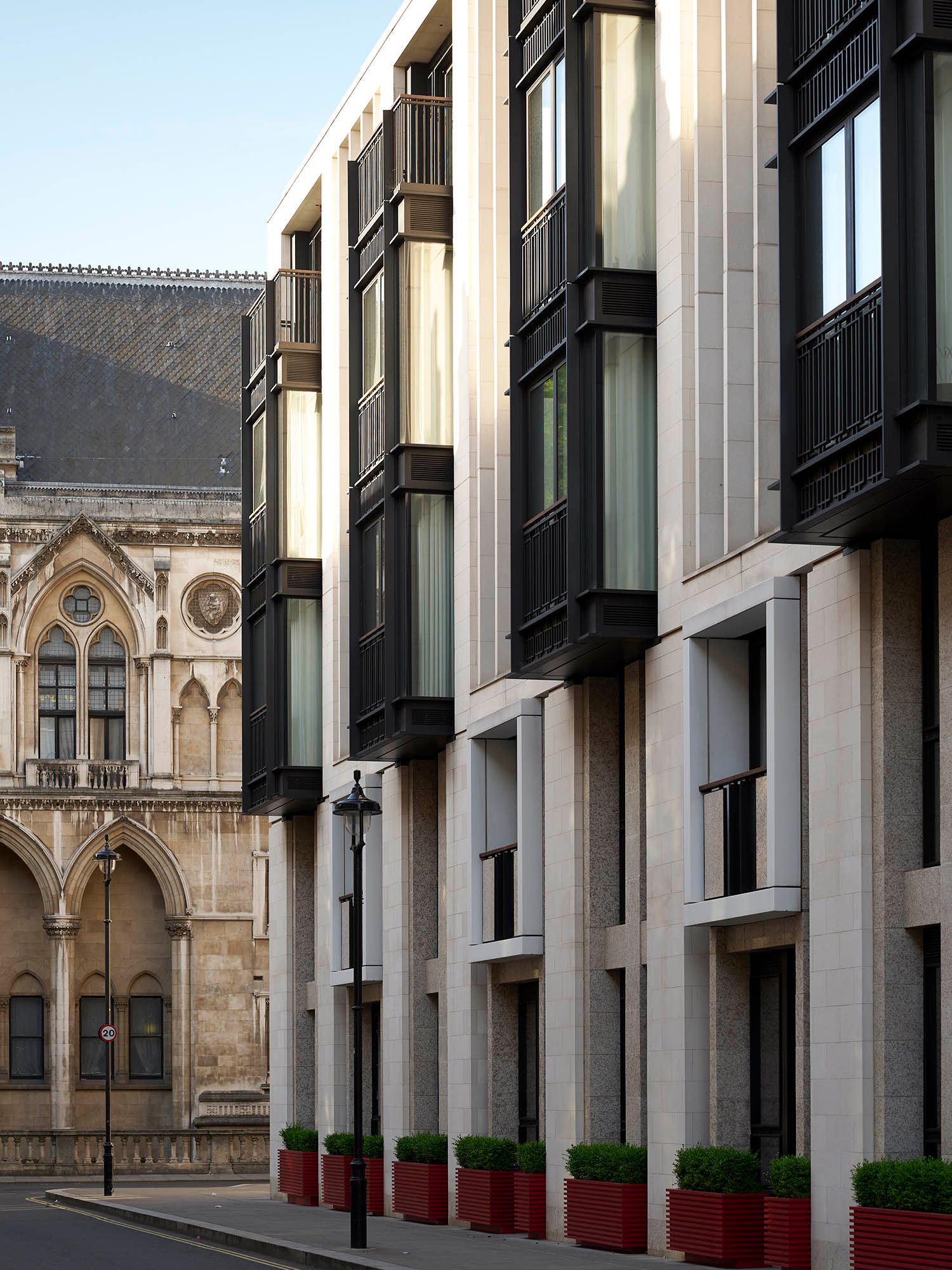
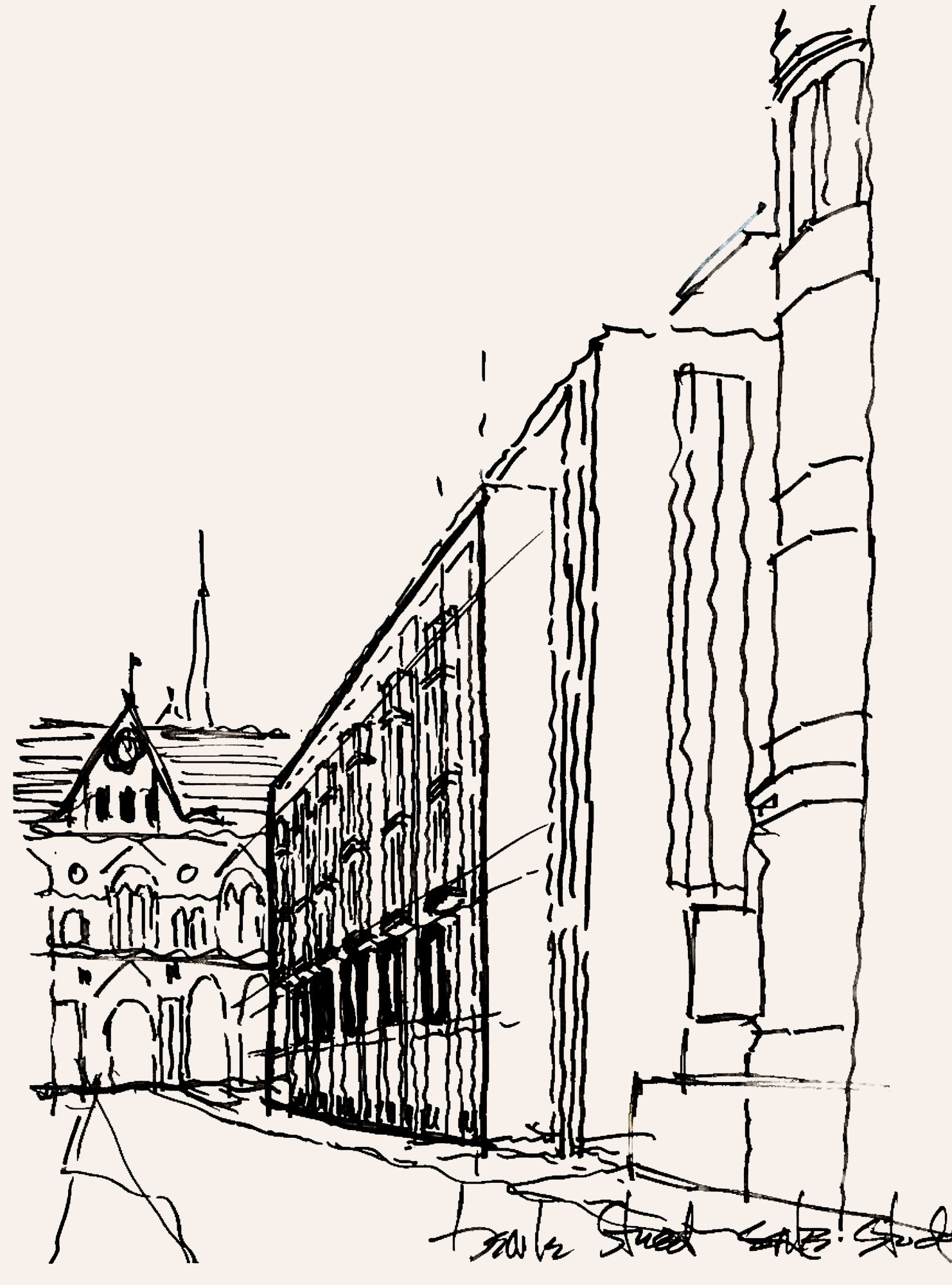
A residential building in Westminster designed to bring new homes and a more contextual streetscape to Lincoln’s Inn Fields. Replacing a vacant office block, the project introduces a more composed urban form shaped by the scale, materiality and civic character of its surroundings.