This Changes Everything
This Changes Everything explores how the built environment must evolve in a post-pandemic world. The crisis exposed the vulnerabilities of urban living, but also new opportunities for healthier, more community-led cities. Structured across three chapters: Overarching themes, city design and sectors, the publication combines analysis, forward-looking strategies, and insight from leading industry voices. It captures a moment of reflection and reinvention, showing how crisis can drive positive change. From emergency response to long-term renewal, it’s a call to rethink how we design, build, and live together.
1. Introduction
How does the pandemic affect our future?
This is a time for positive change, arising from such a destructive force.
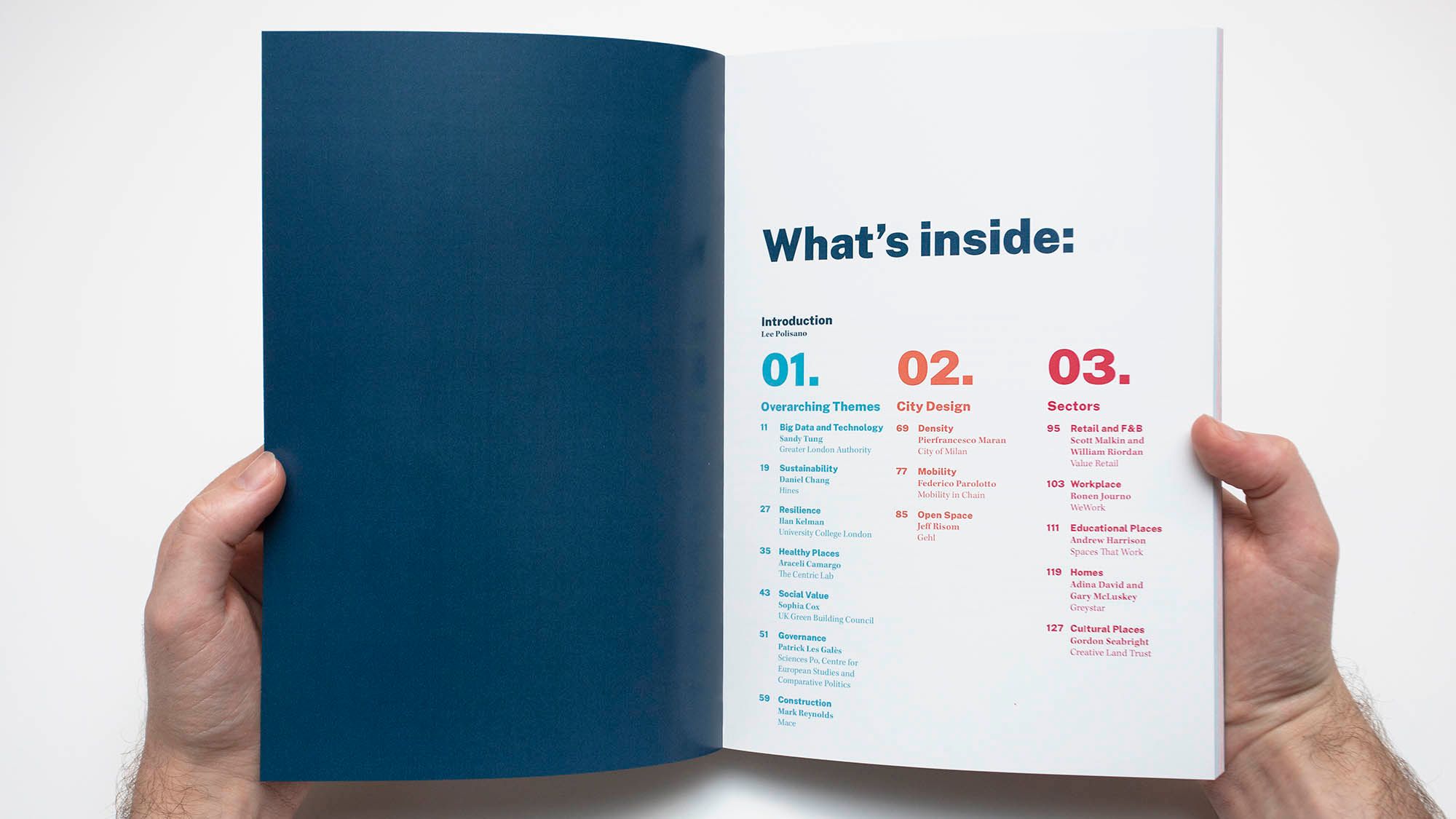
The table of contents of the This Changes Everything booklet
A reaction to and reflection of living during the first six months of lockdown, This Changes Everything is an investigation into how the pandemic has reshaped the built environment. The publication explores fifteen interconnected themes, each assessing key changes, outlining strategies for progress, and featuring insights from leading voices in the field.
The research is structured around 3 key chapters
2. Overarching Themes
In conversation with leading industry voices, we documented what facets of life will likely change due to the pandemic. In response, we explore what we can do in the long and short term to build a more equitable future.
The findings are organised into 7 themes
‘Data is a city’s greatest asset when it comes to planning for the future and for building more resilient cities.’
In conversation with Sandy Tung
3. City Design
Honing in to the urbanism angle of the pandemic, we explore how it had changed our valuation of density, mobility, and open spaces with subject matter experts. We share the lessons thereof to cultivate health urban living.
The findings are organised into 3 themes
“... the re-imagining of major city centres as more than just places of consumption and work is with us to stay.”
In conversation with Jeff Risom
4. Sectors
We took a hard look at how the sectors in the city were faring during the pandemic. We interviewed stakeholders impacted to explore the unique obstacles each of them faced and what opportunities they saw to innovate. We observed resilience and adaption in the face of dramatic urban change.
The findings are organised into 5 themes
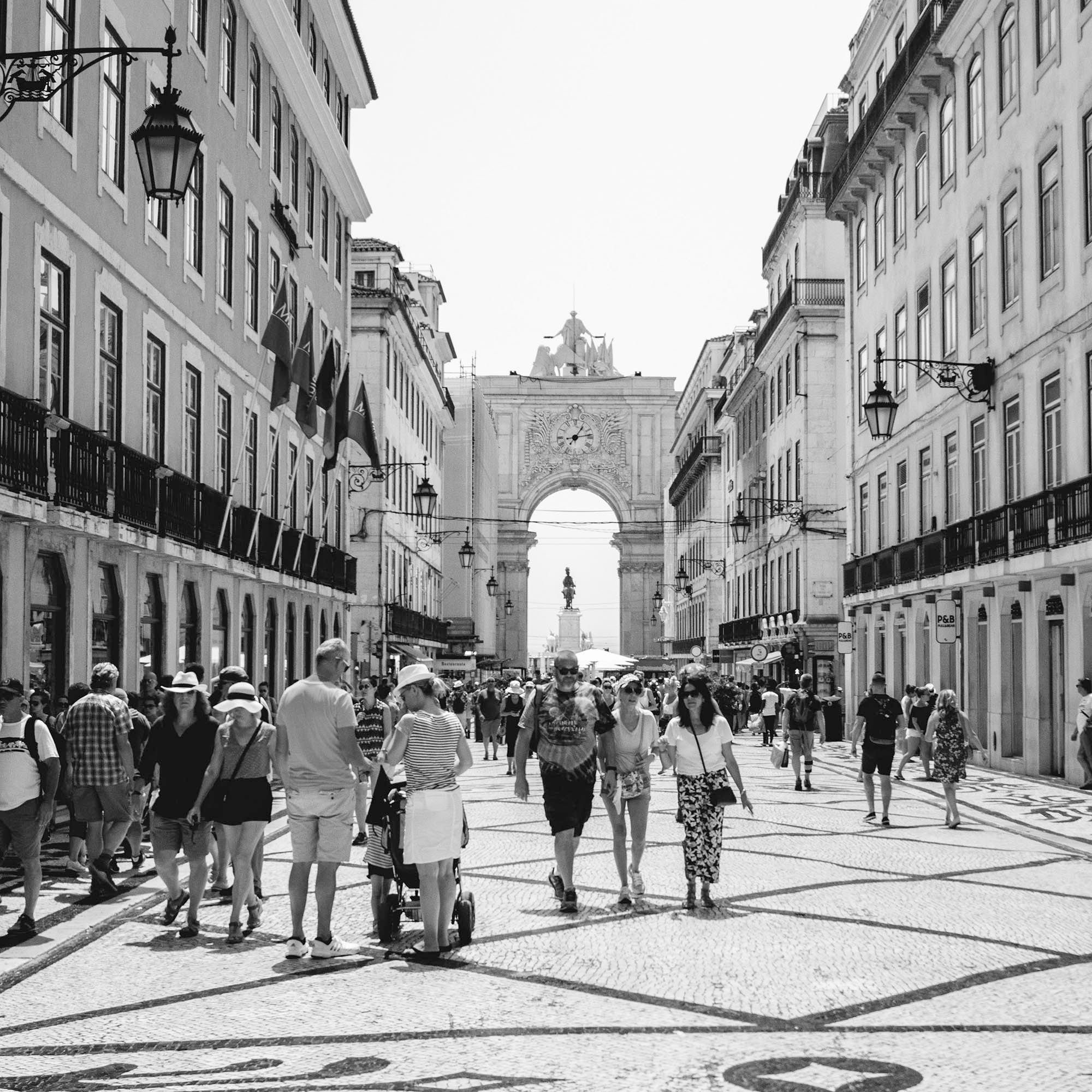
A lively streetscape
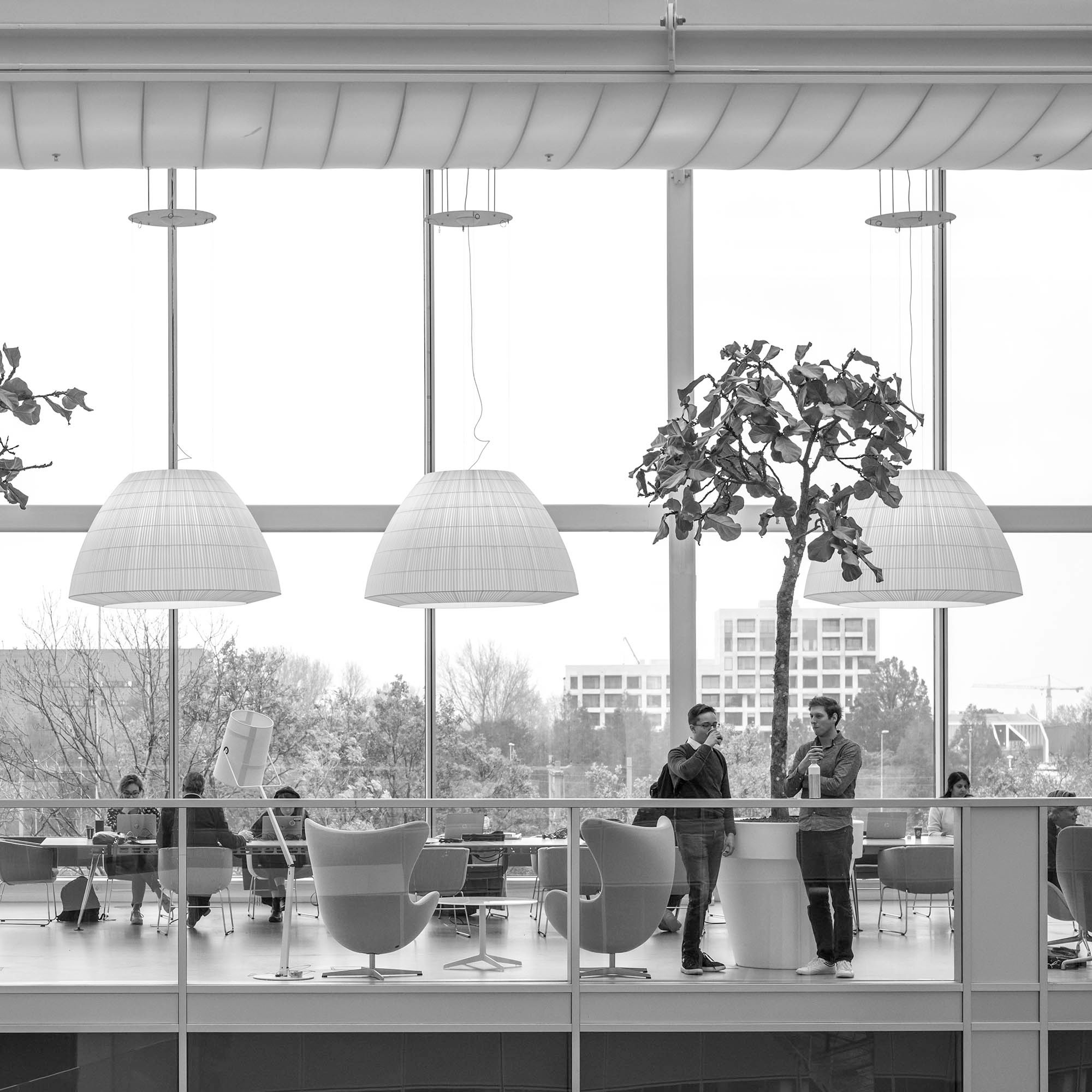
The Edge in Amsterdam
“If we want our cities to thrive, we need to integrate art and culture into all the places where people live and work...”
In conversation with Gordon Seabright
5. Conclusion + Credits
In order to help our industry identify key changes and plot the future, we have created this document to offer insight on how me might respond to a radically changed world.
PLP Lead Researchers
Contributors
Contributors