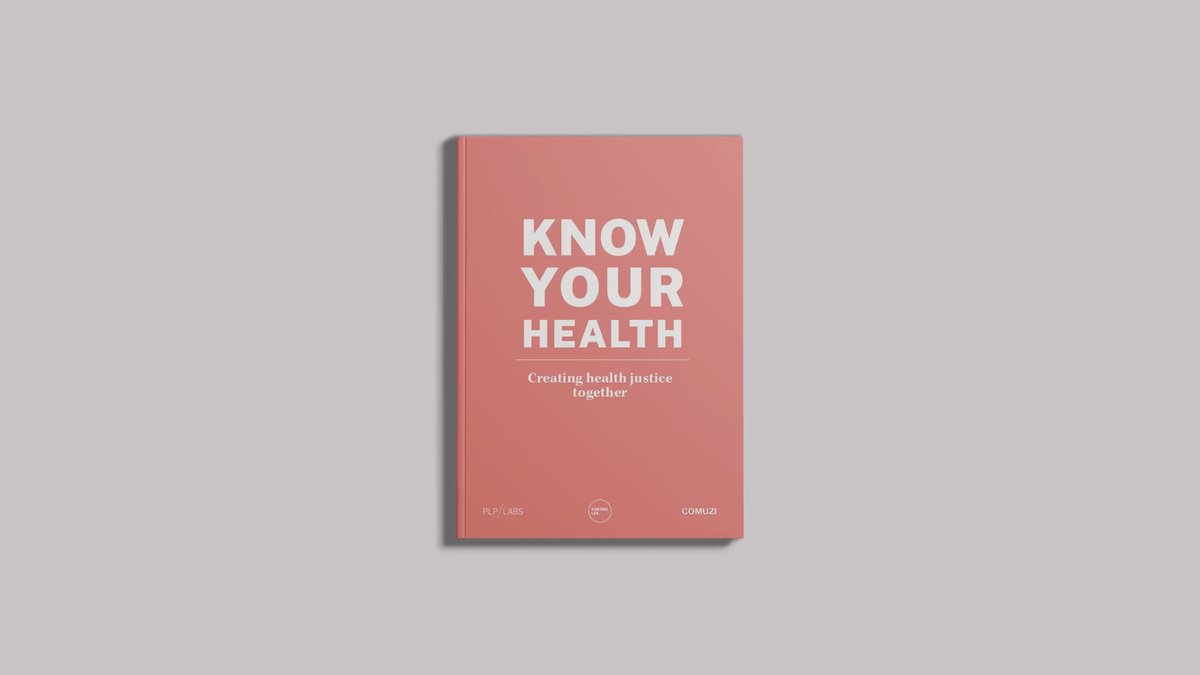
Know Your Health
Know Your Health helps people see that where we live directly shapes how healthy we can be. Health isn’t just personal—it’s urban. Sick cities make people sick. Developed as a collaboration between PLP Labs, COMUZI, and Centric Lab, the web tool and Playbook combines health based scientific research, urbanism, and design research to show how urban systems such as housing, mobility, and infrastructure affect wellbeing. Through surveys, case studies, and community tools, it empowers citizens to understand their local environments and advocate for change. Only through a collective effort will we be able to achieve health justice through design.
1. Introduction
What’s the relationship of health justice and environmental justice in your life?
Social justice is health justice. And the next step for health justice is understanding the lived experience of different habitats and how it contributes to people’s health.
Understanding health and how it relates to the places we live is a civil right. Known Your Health was created to support communities that are spearheading health justice.
2. Survey
The online tool helps people living in cities to identify how their environment is impacting their health. The playbook then empowers the public to improve their individual situation and long-term health resilience as a community.
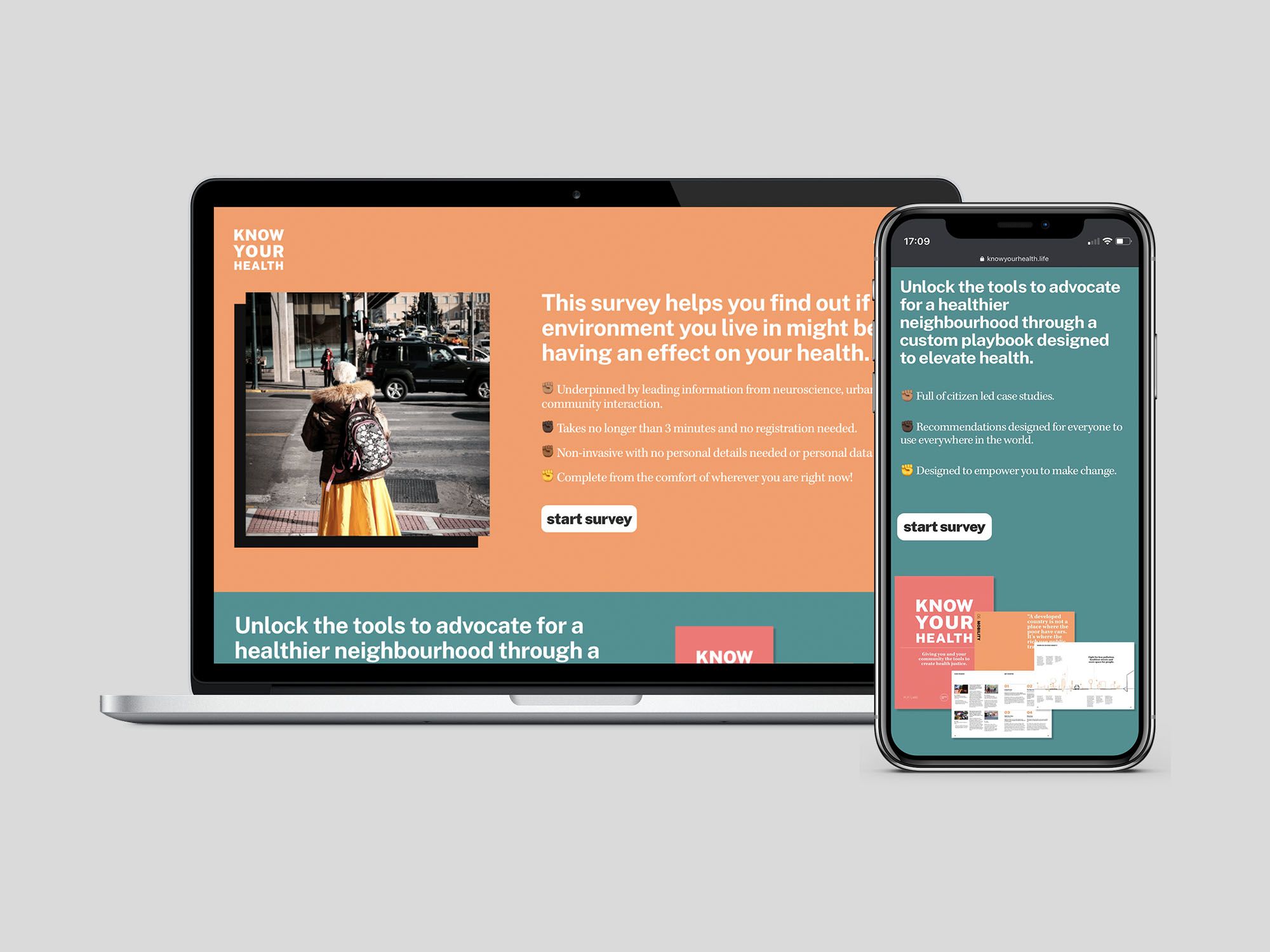
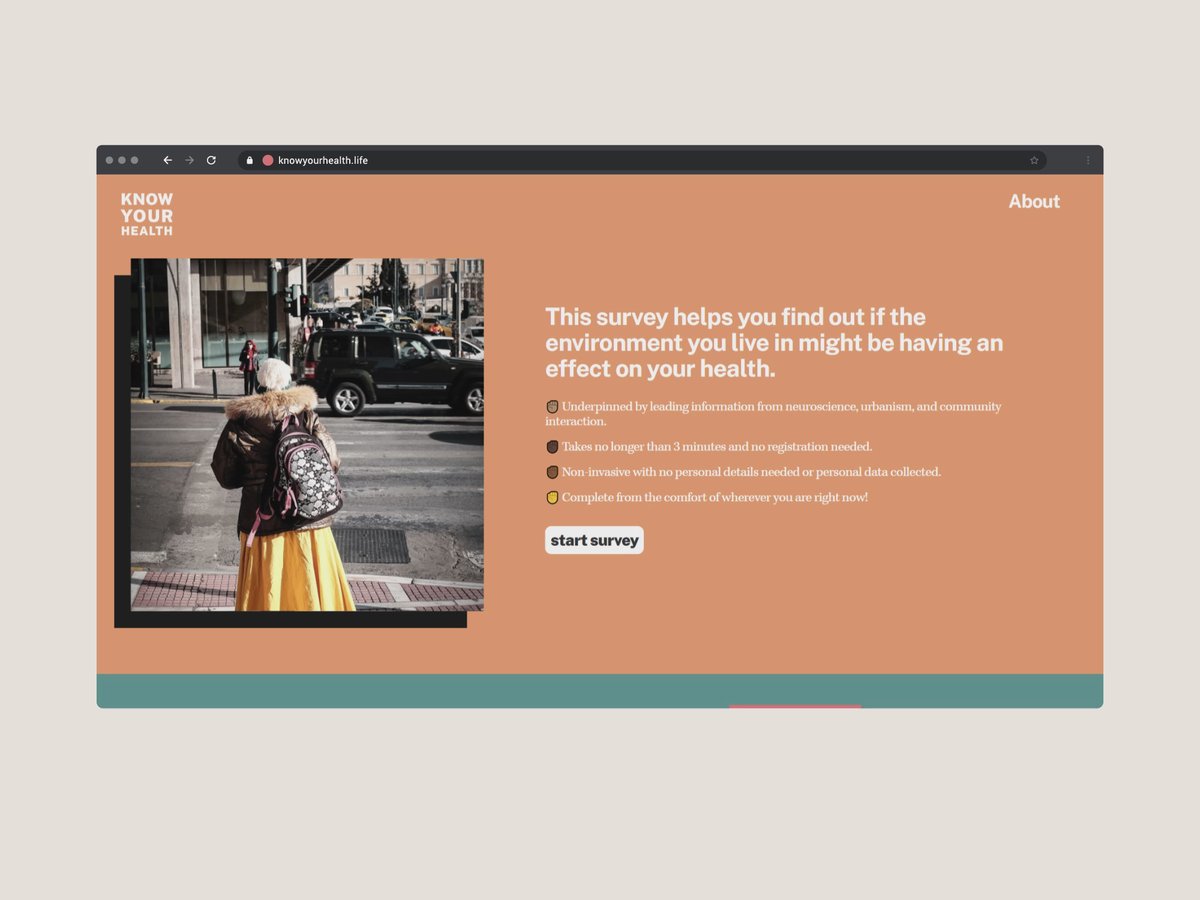
Online survey

A survey to help you explore how your health is shaped by where and how you live
'Being the Queen is not all about singing, and being a diva is not all about singing. It has much to do with your service to people. And your social contributions to your community and your civic contributions as well.'
Aretha Franklin, singer, performer and civil rights activist
3. Playbook
The Playbook is a resource tool which teaches us about the relationship between place and health. It also is and aid for you to advocate for health justice.
The playbook delves into seven critical areas of urban health. For each area, it offers case studies on community based activism, actionable steps for citizens who want to enact change, and online resources.
The findings are organised into 7 critical areas

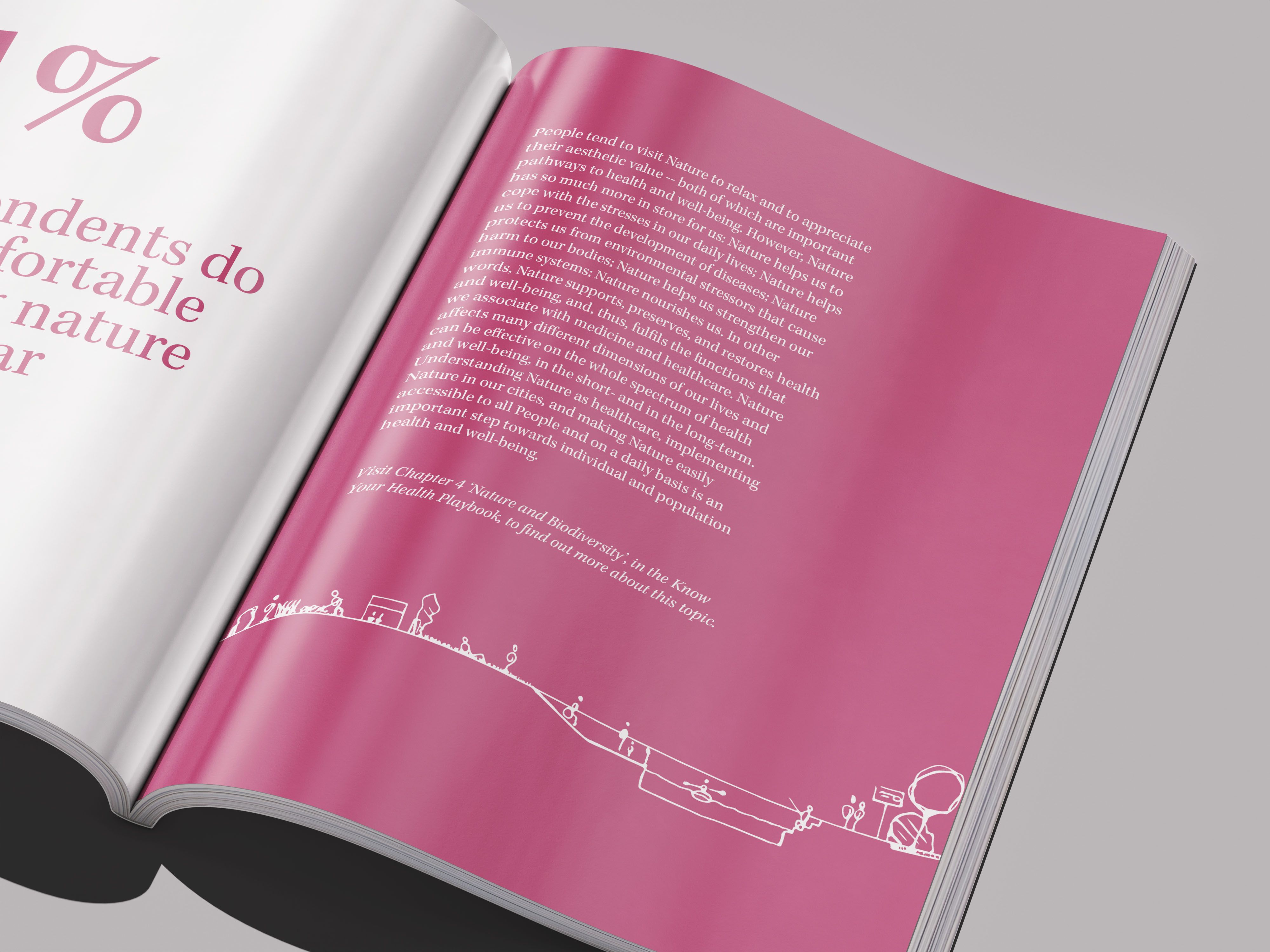
Our survey suggests 34% of respondents don’t have a home that insulates them from noise pollution (traffic/human activity/nightlife/ construction).

'Your deepest roots are in nature. No matter who you are, where you live, or what kind of life you lead, you remain irrevocably linked with the rest of creation'. Charlie Cook, Political Analysis


Our survey suggests 34% of respondents don’t have a home that insulates them from noise pollution (traffic/human activity/nightlife/ construction).
'Your deepest roots are in nature. No matter who you are, where you live, or what kind of life you lead, you remain irrevocably linked with the rest of creation'. Charlie Cook, Political Analysis
“People work best in communities, as they are great at fostering and passing on knowledge.”
Dr. Pablo Méndez-Lázaro, Associate Professor of Environmental Health at the University of Puerto Rico
4. Why Do We Need This?
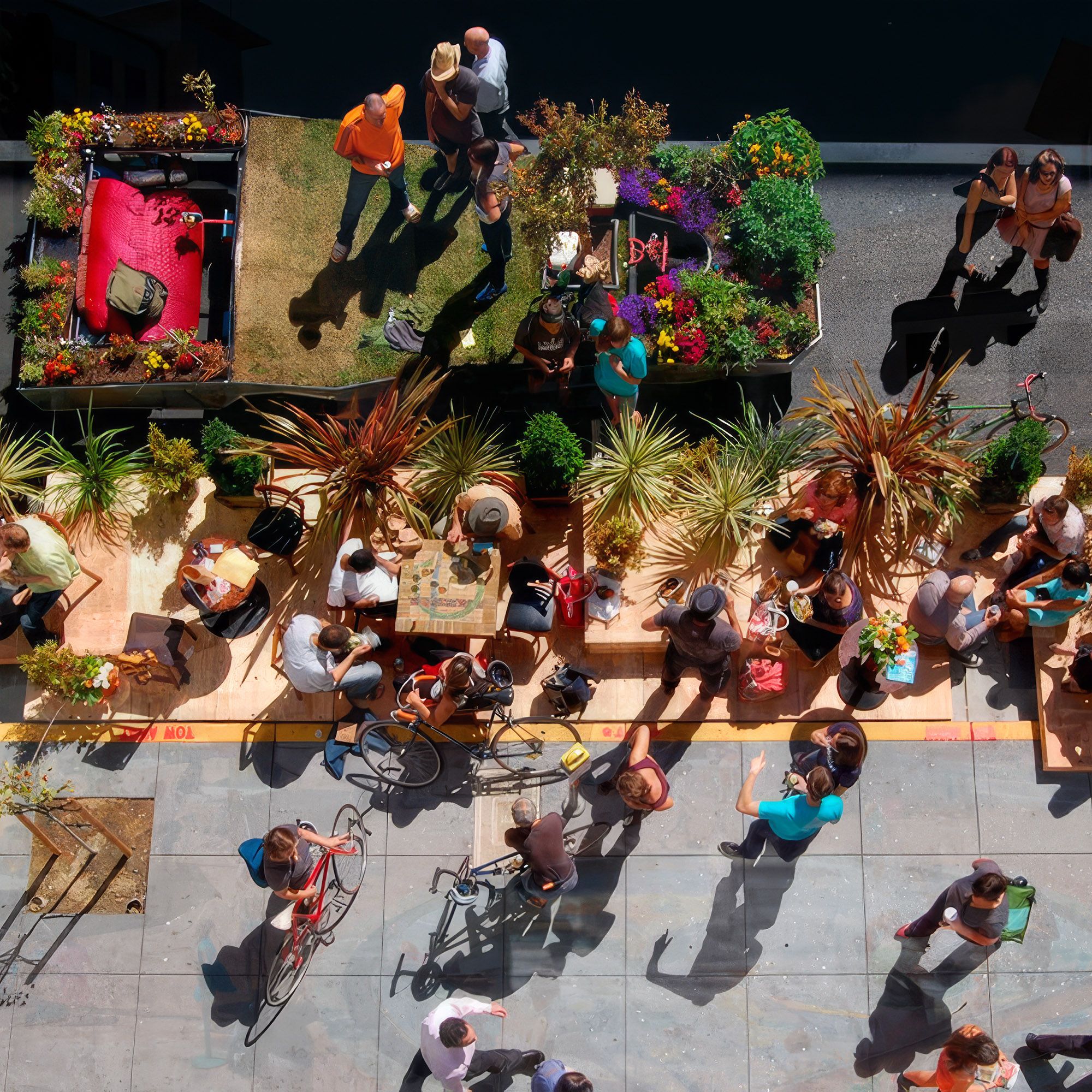
Empowers Citizens
At its core, the tools have been created to encourage citizen engagement and empowerment.
By taking the survey, people can easily understand the issues and make immediate, meaningful changes in their lives and communities.

Has Unlimited Impact
Ultimately Know Your Health encourages people to make manageable, positive behavioural changes. Anyone can make these adjustments, regardless of where in the world they are.
When enough people take the first steps to change their behaviours, a huge collective change will happen.
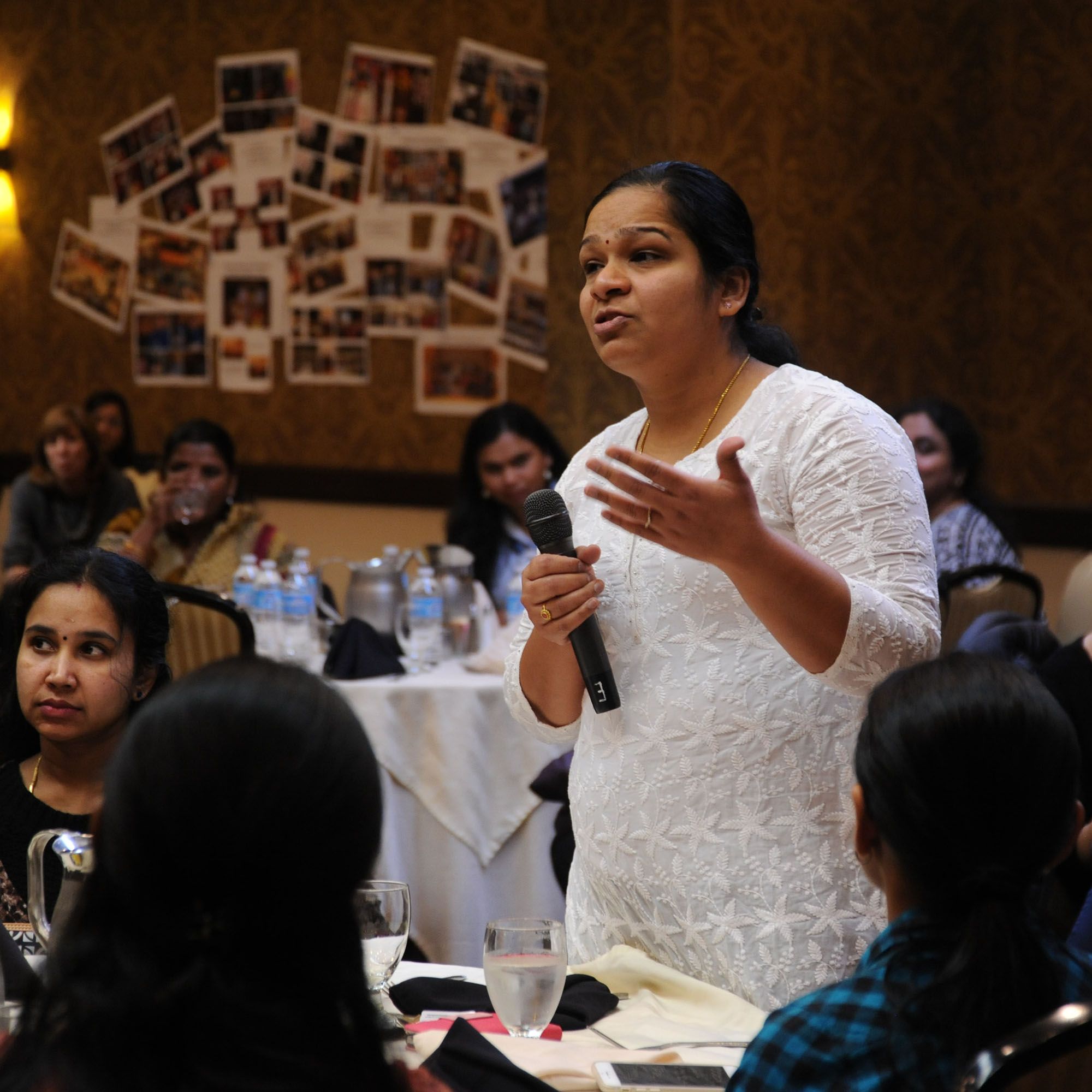
Improves the Dialogue
The tool changes how we talk about health and the environment. The survey and response creates an immediate, yet ongoing dialogue.
It also opens up new ways for asset managers and developers to communicate with their tenants and local communities.

Analyse and Publish New Data
We will periodically publish trends that we find from data collected from the survey. Data will be anonymous, but will help to encourage greater positive movement towards healthier cities, throughout various sectors and walks of life.
5. Conclusion + Credits
Only through a collective effort will we be able to achieve health justice through design.
PLP Lead Researchers
Contributors