The Net-Zero Korean National Meteorological Center
Daejeon, South Korea
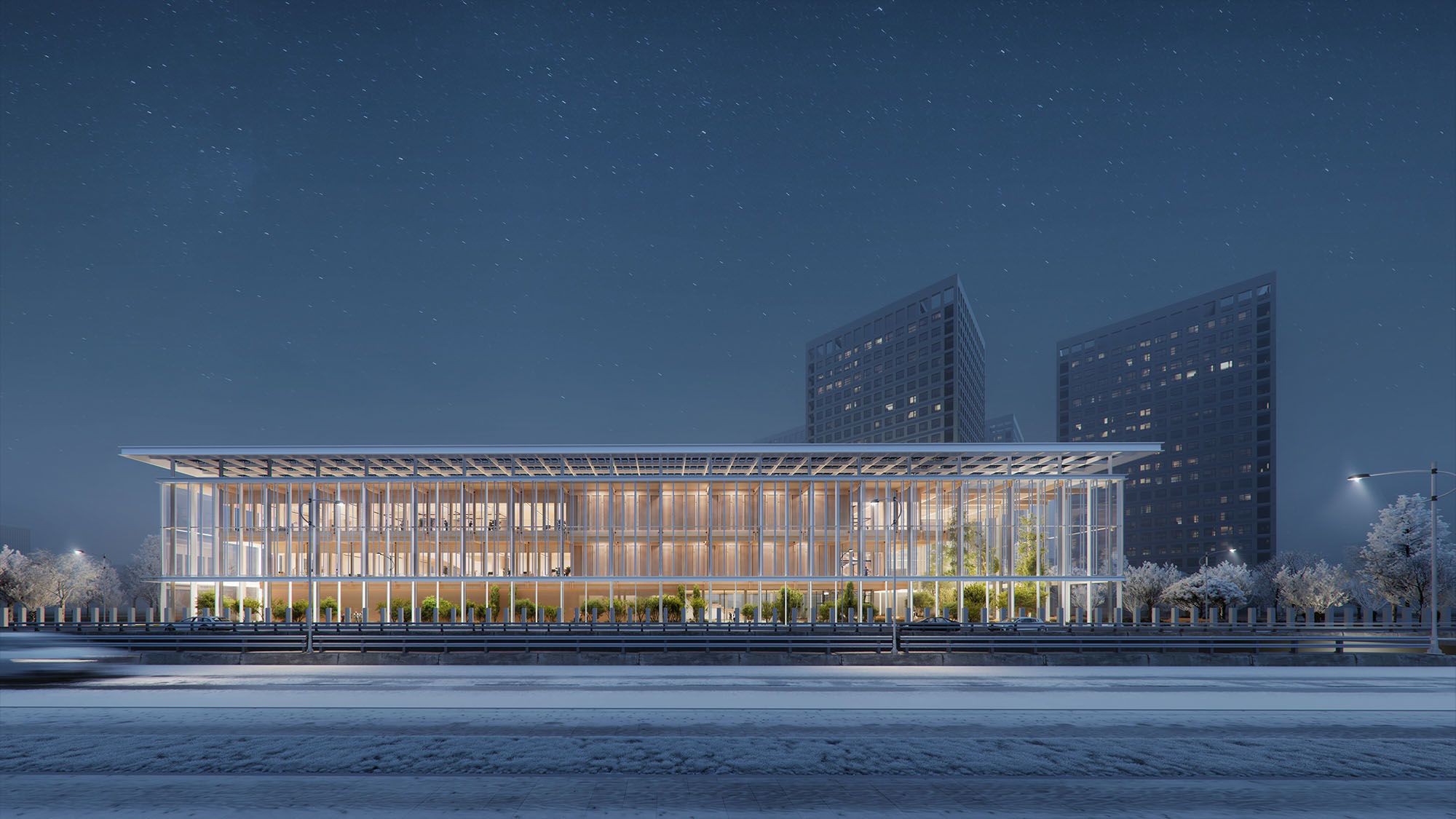
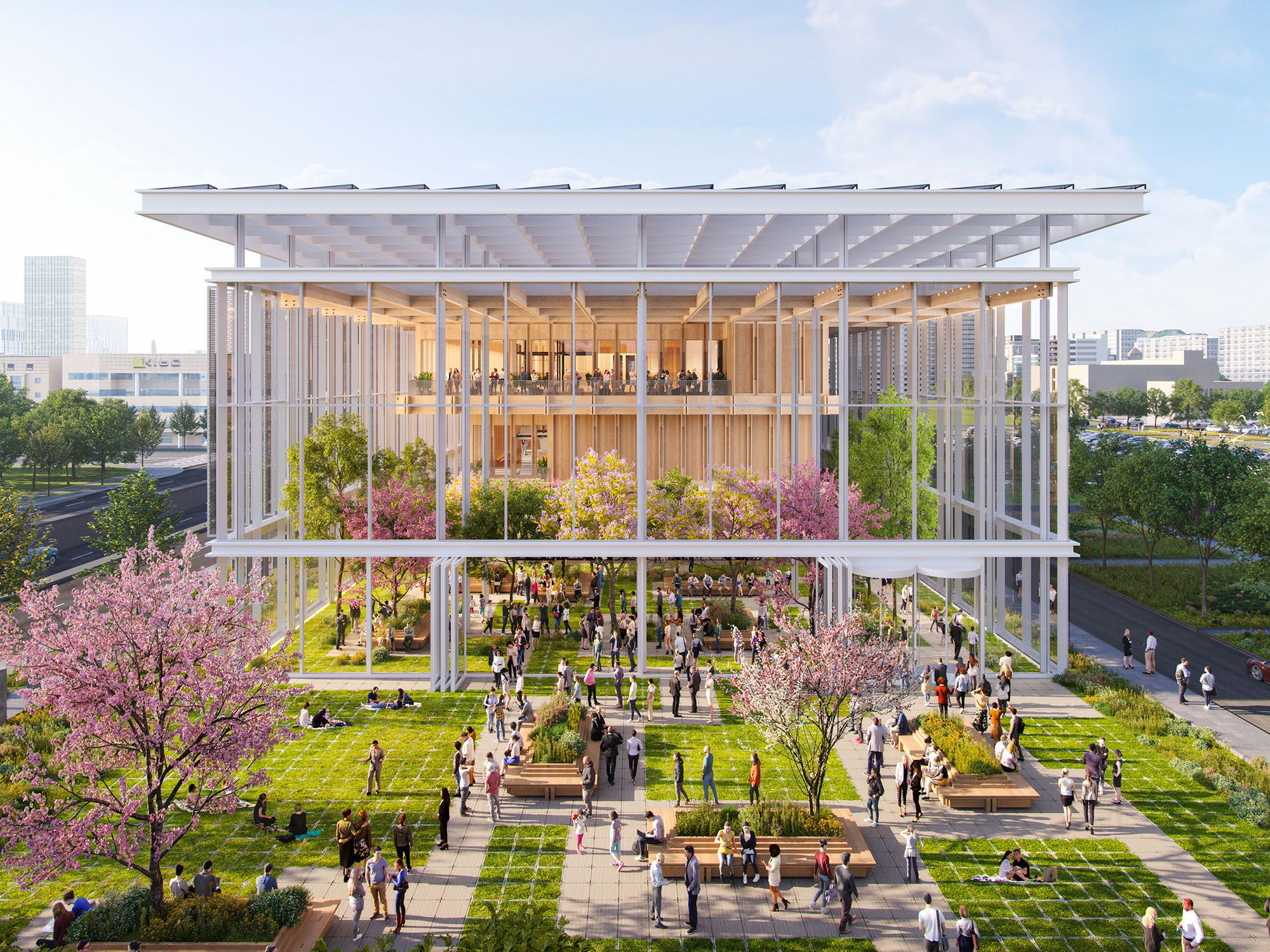
The National Meteorological Center is Korea’s first net-zero government building, combining advanced environmental performance, low-carbon materials and intelligent energy systems within a new model for civic architecture.
About
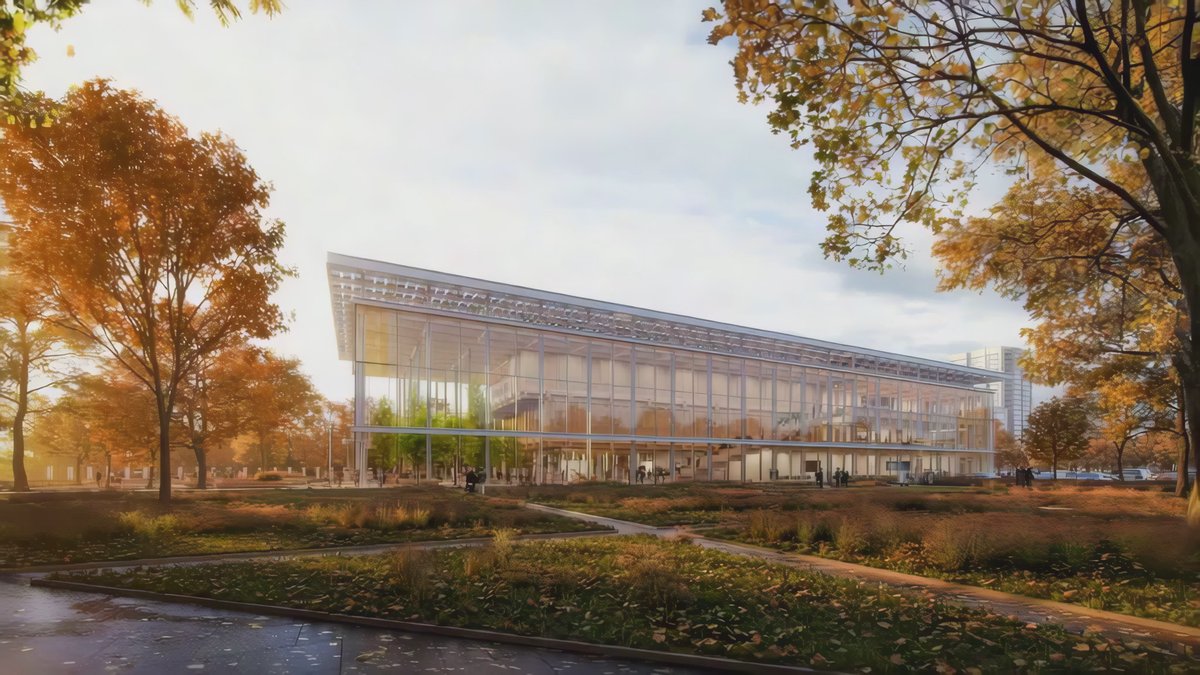
Located in Daejeon, the National Meteorological Center is designed as a new home for the Korea Meteorological Administration, bringing together offices, a control centre, educational facilities and a public “third space” within a single integrated civic building. Conceived as both a workplace and a public-facing institution, the project reflects the Administration’s ambition to lead by example in the transition toward a more sustainable future.
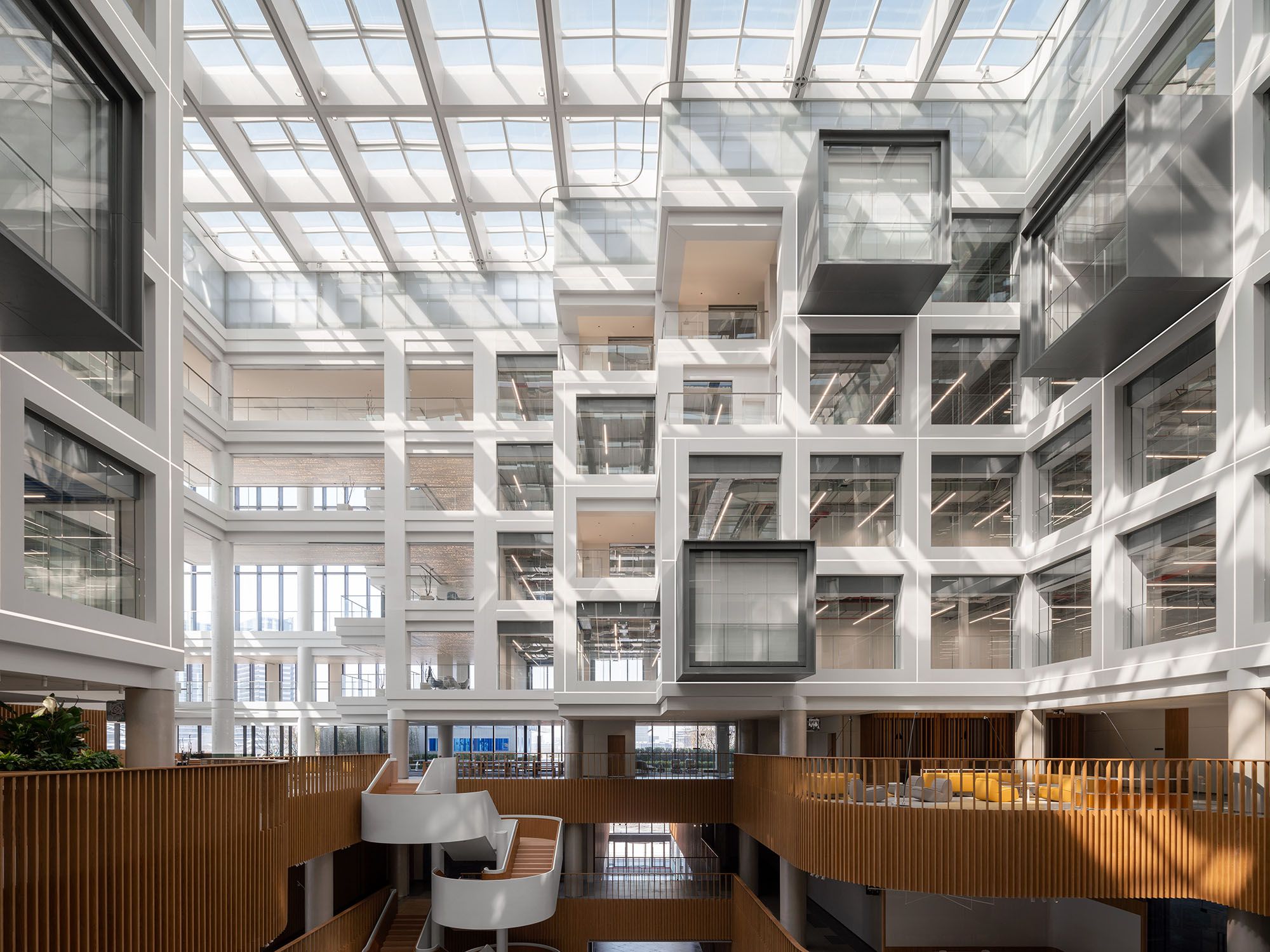
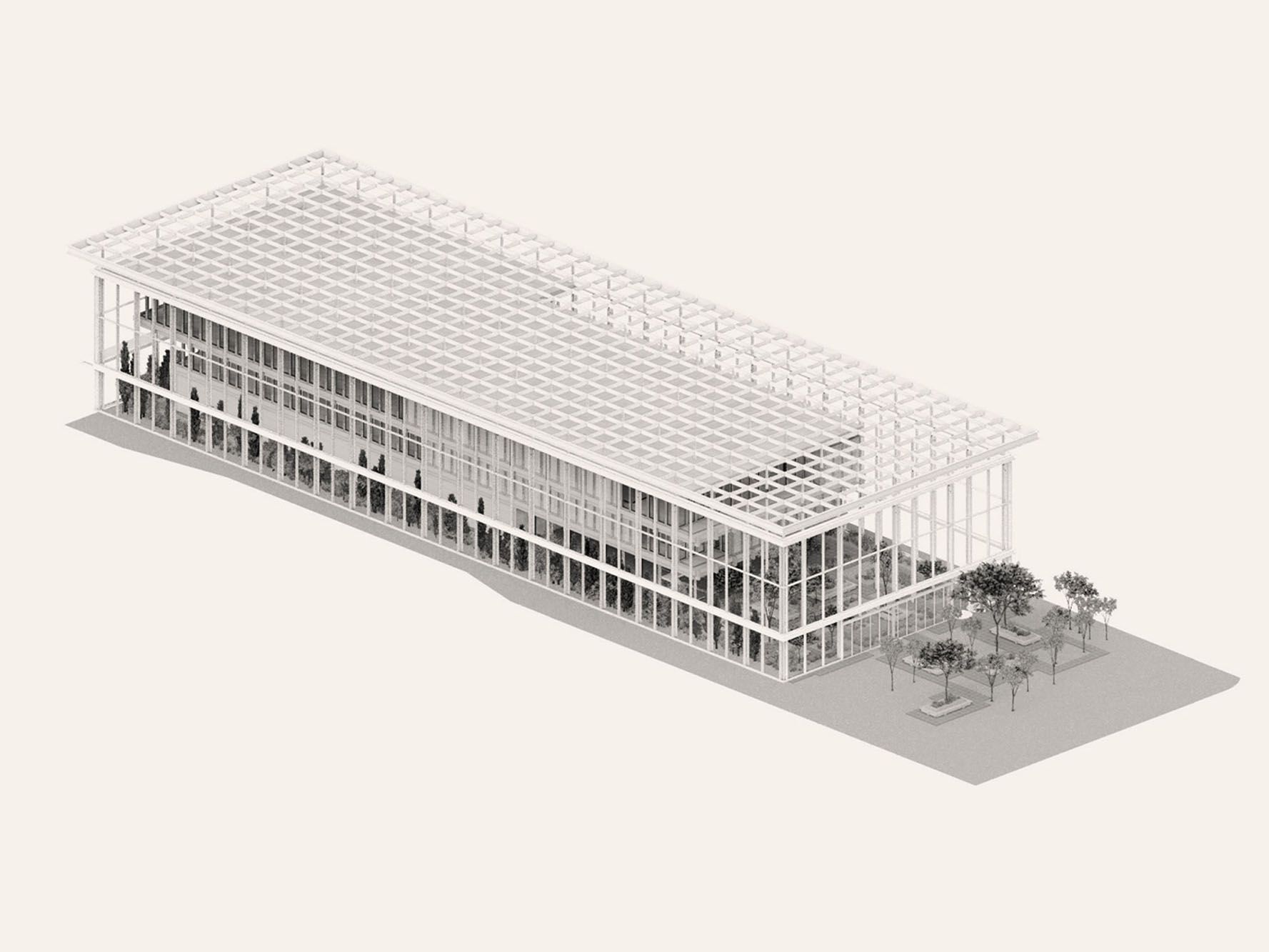
At the heart of the design is a “box in a box” concept, which creates a highly efficient thermal envelope while organising a diverse programme within a unified architectural form. This strategy also generates a controlled internal microclimate, allowing a planted Four Season Garden to sit at the centre of the building and bring greenery, daylight and wellbeing into the everyday experience of the workplace.
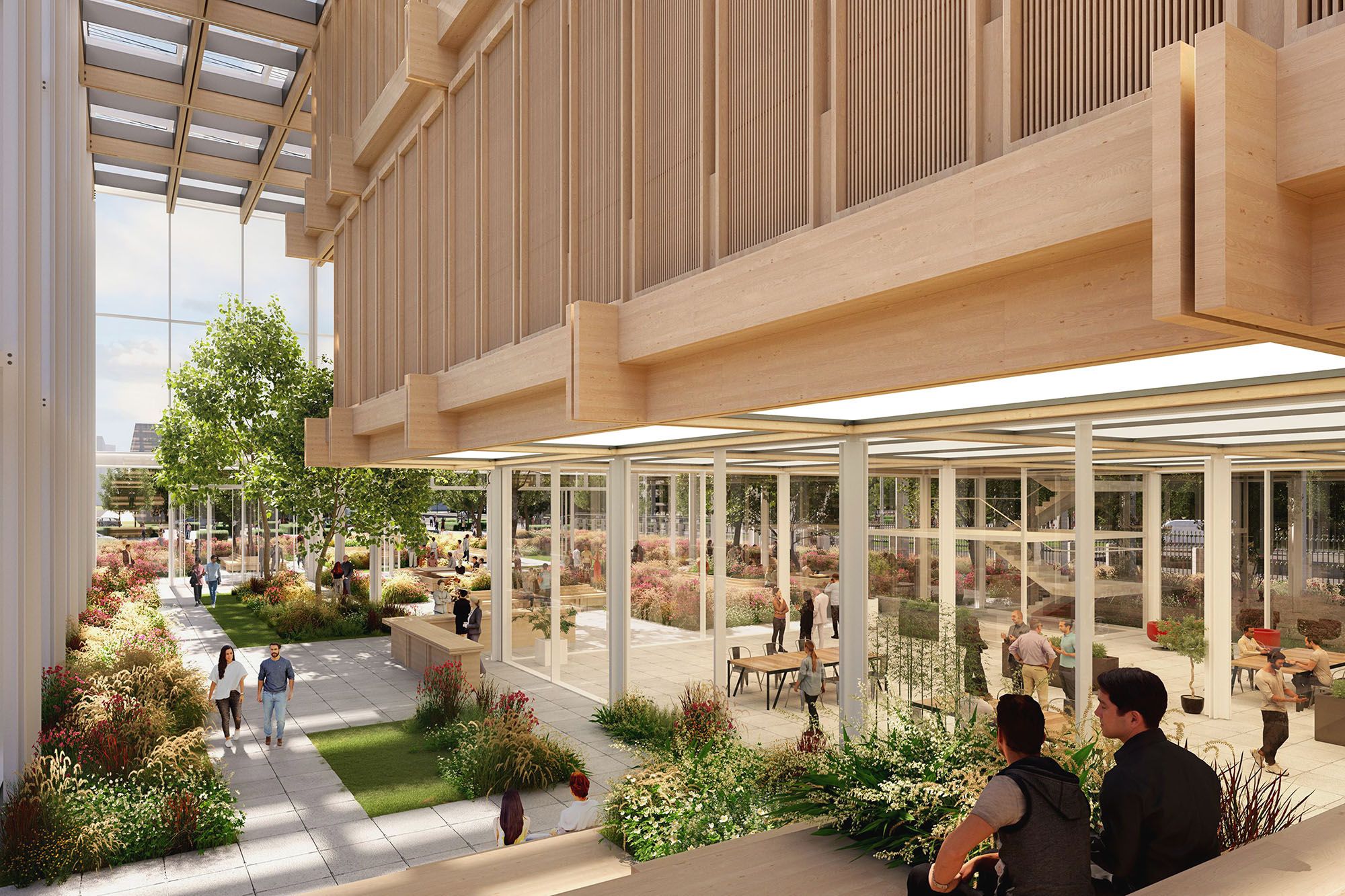
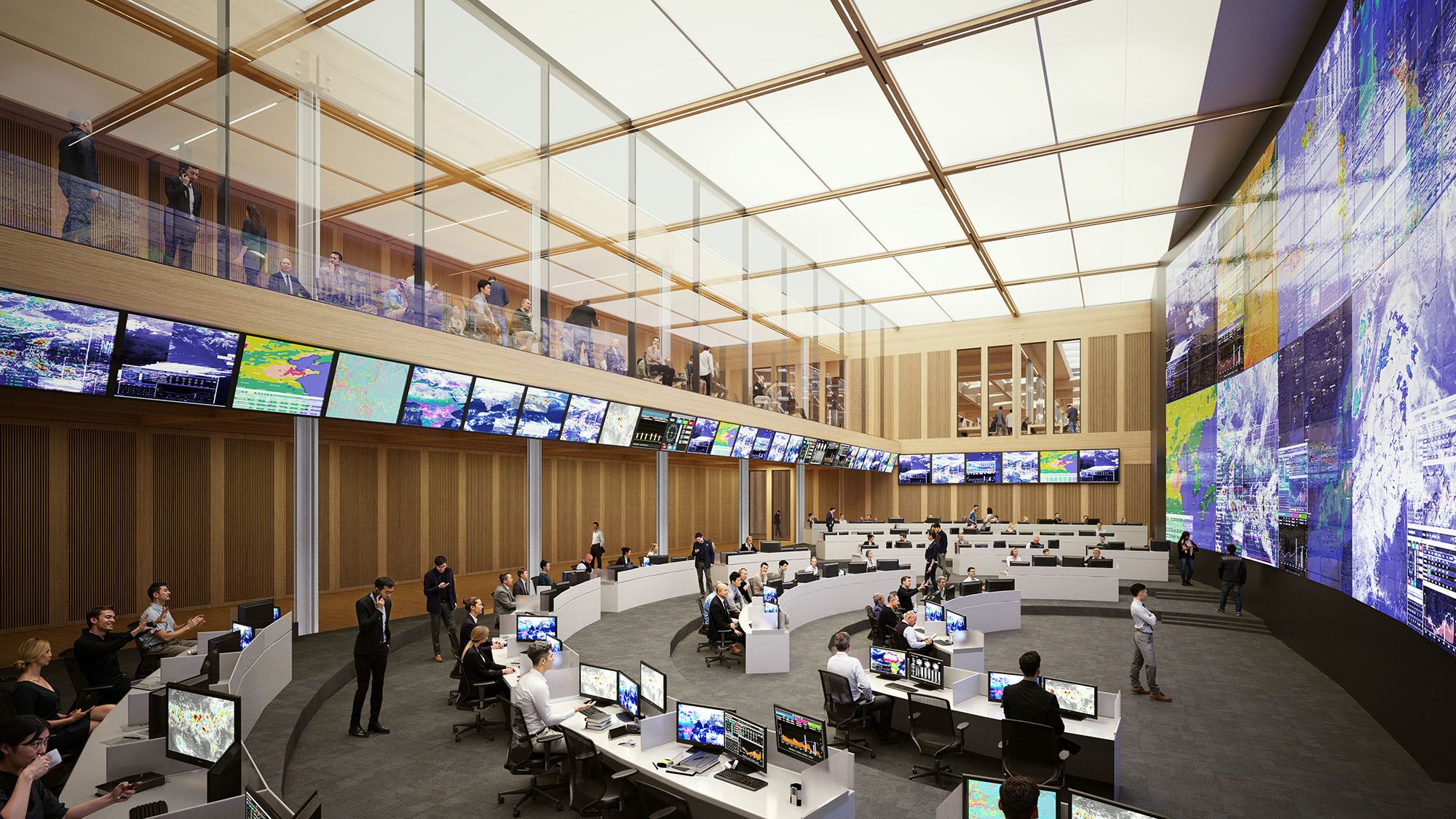
The building is also designed to support collaboration, education and public engagement. A flexible “third space” sits between workplace and civic realm, creating opportunities for exhibitions, learning and exchange around climate and environmental issues. This openness is reinforced by the organisation of the internal workspace, where shared environments and a central control centre are designed to support coordination, visibility and interaction.
To achieve net-zero performance, the project integrates a wide range of active and passive environmental strategies. These include CLT and recycled low-carbon steel to reduce embodied carbon, alongside passive shading, earth ducts, ground source heat pumps and photovoltaic panels to reduce operational demand. Together, these systems establish the building as a new benchmark for sustainable civic design in Korea.
Awards
The building is designed to strengthen the relationship between interior and exterior, using landscape, daylight and planted spaces to blur the boundary between workplace and environment. This approach creates a more open, connected and climatically responsive civic building.
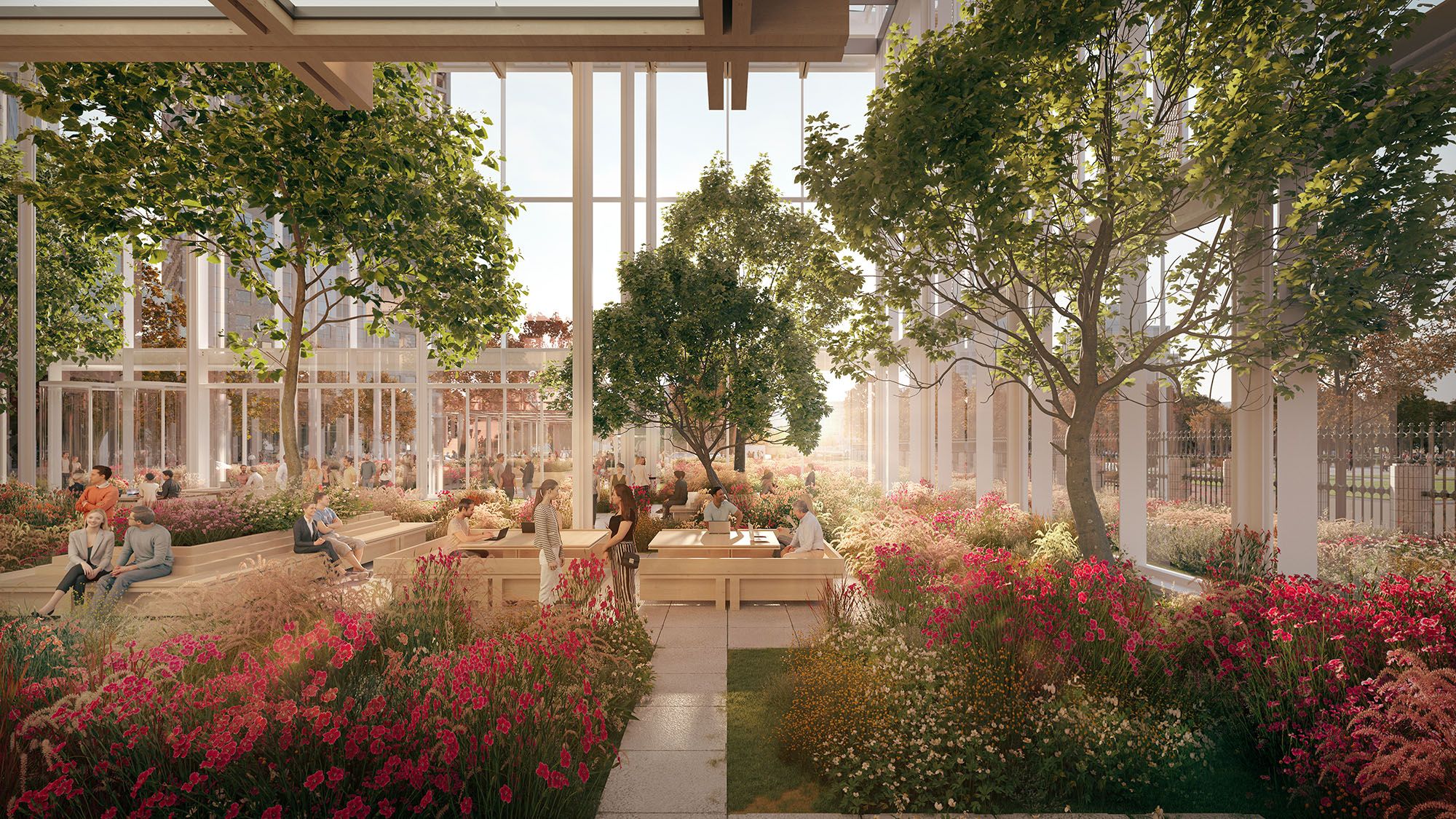
“The Four Season Garden introduces a softer and more human space into the centre of the building, giving users somewhere to gather, reflect and reset beyond the demands of the workplace.”
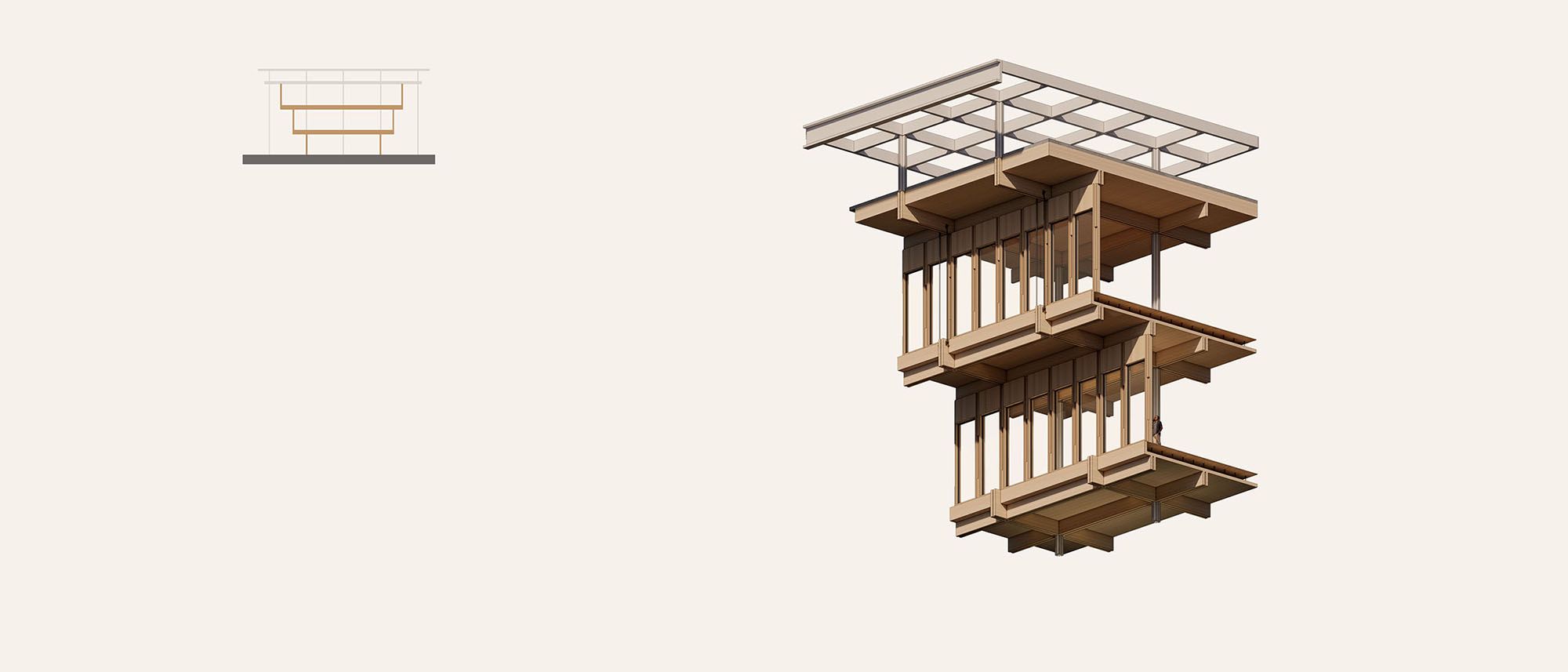
Beyond Operational Carbon
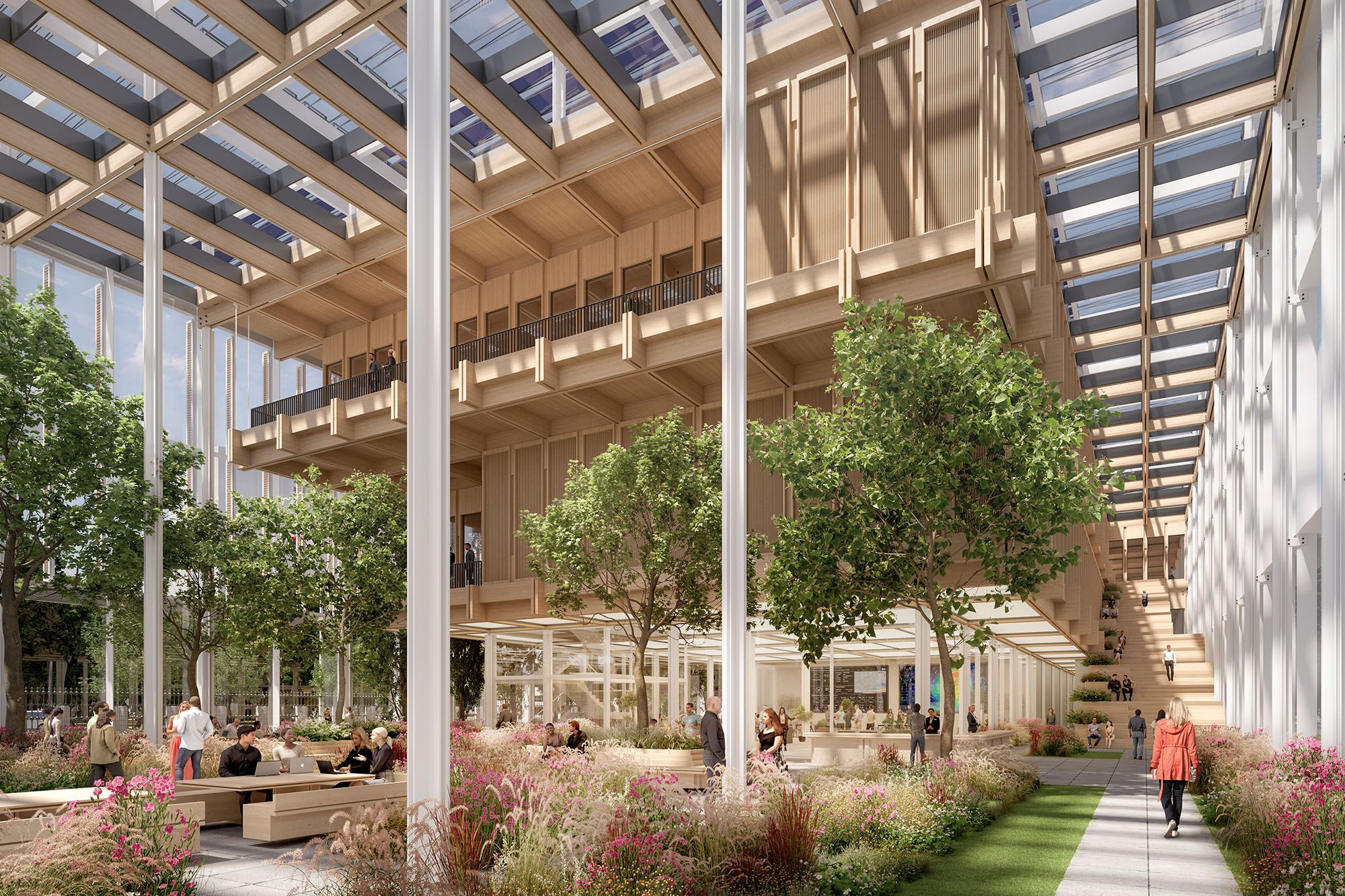
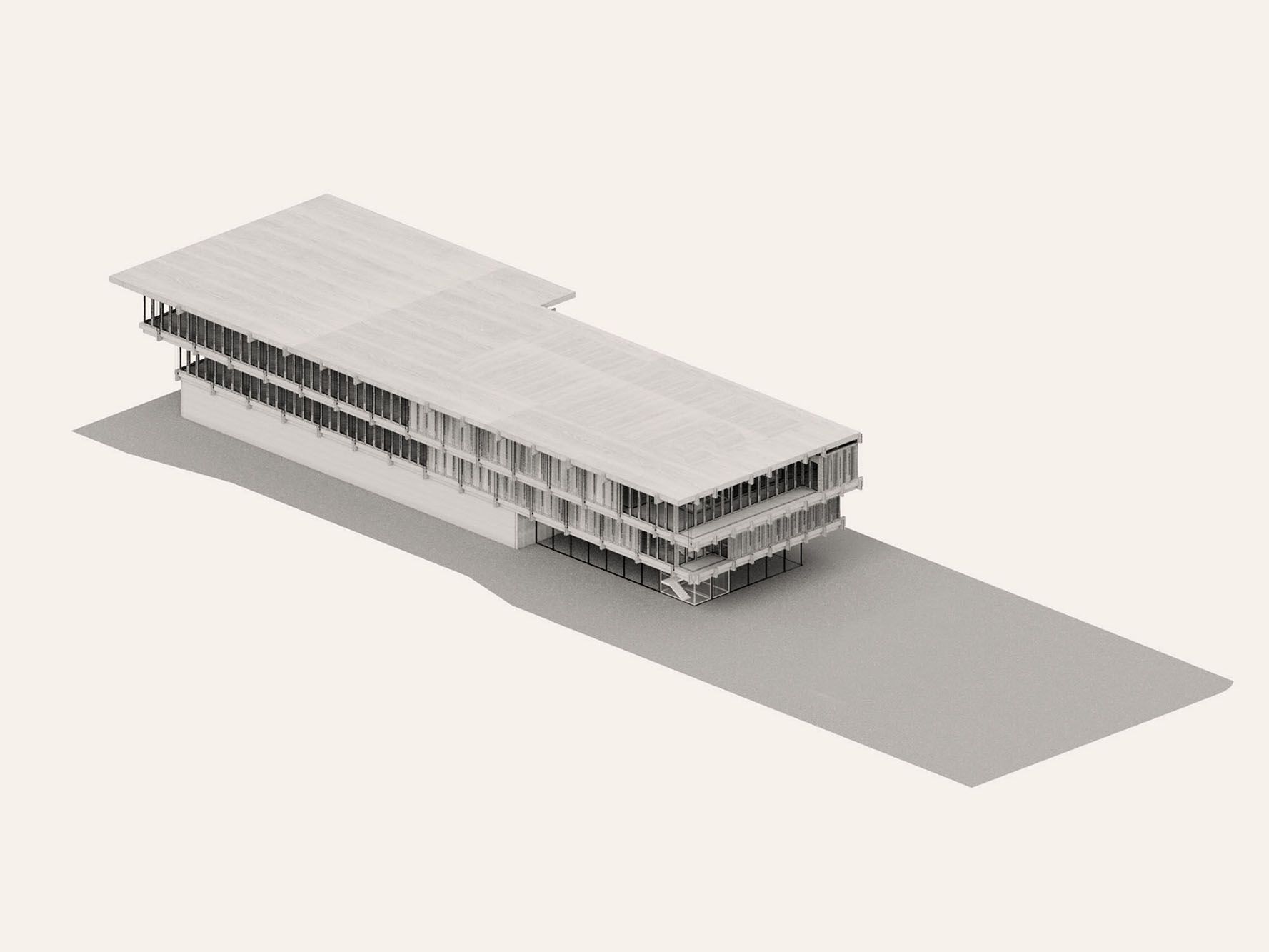
The building’s timber and steel hybrid structure is designed to reduce embodied carbon while supporting a highly efficient and flexible civic workplace. By combining low-carbon materials such as CLT, with long-span structural performance, the project extends its sustainability ambitions beyond operational energy to address the full environmental impact of construction.
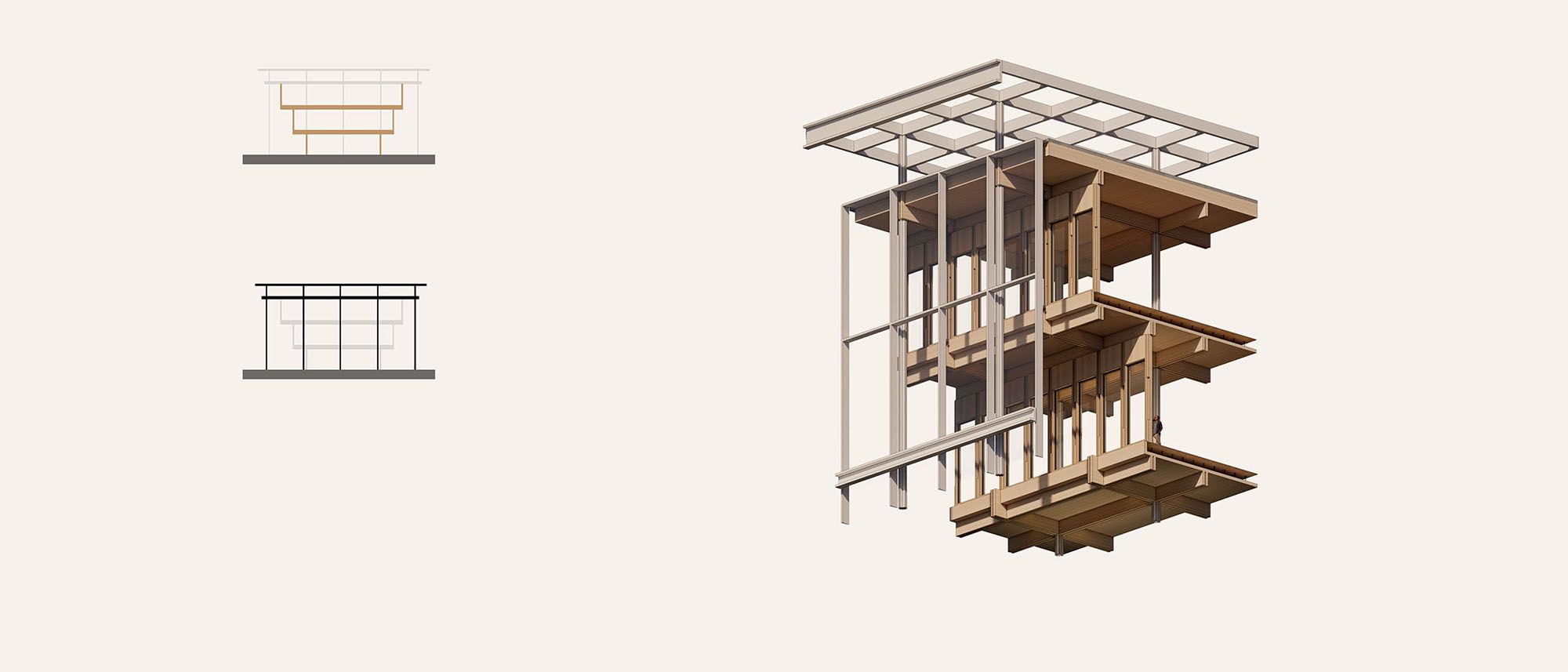
Façade as Frame
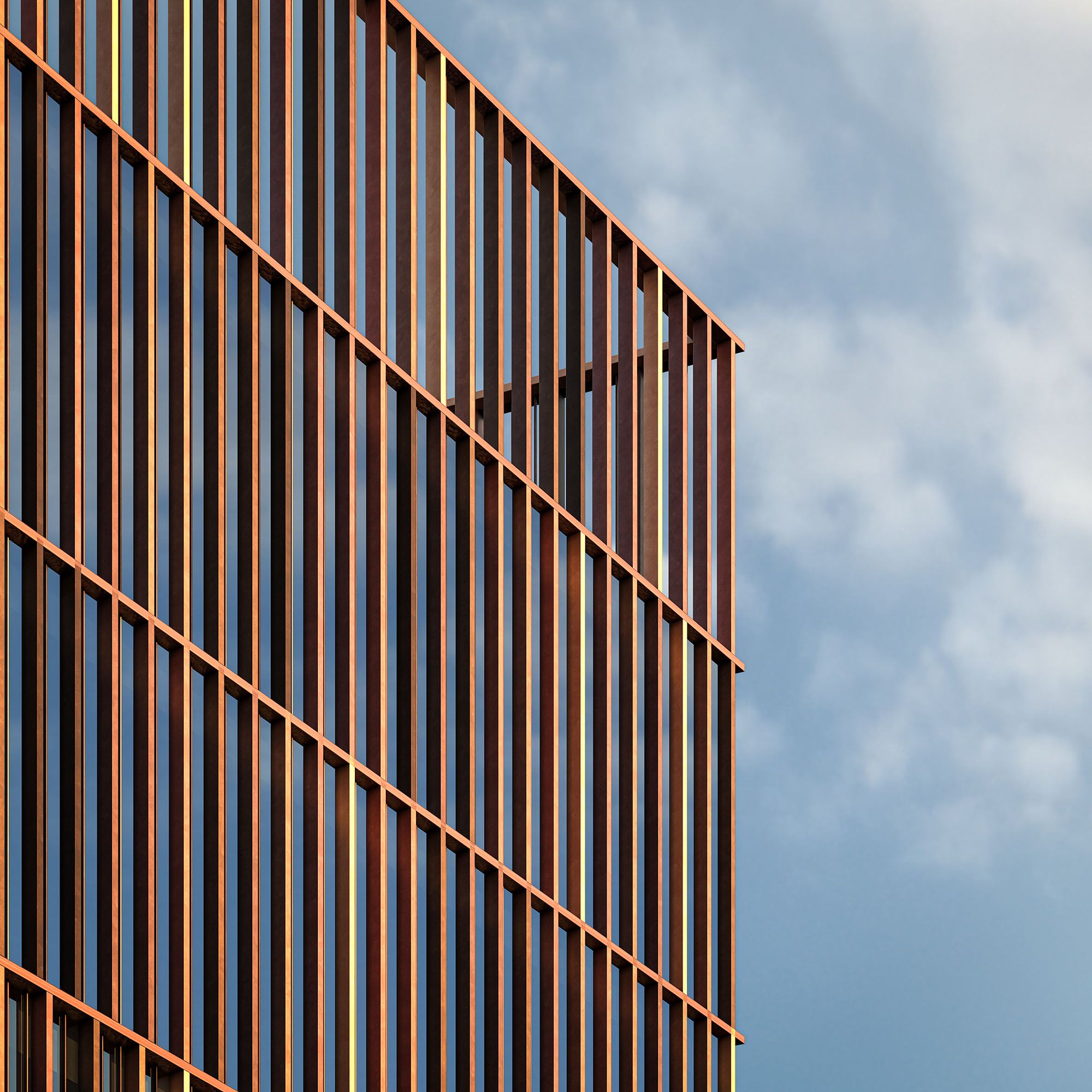
The façade is conceived as an extension of the building’s structural system, where the external frame expresses the logic of the timber and steel hybrid construction. This approach gives the building a clear architectural identity while integrating structure, envelope and environmental performance.
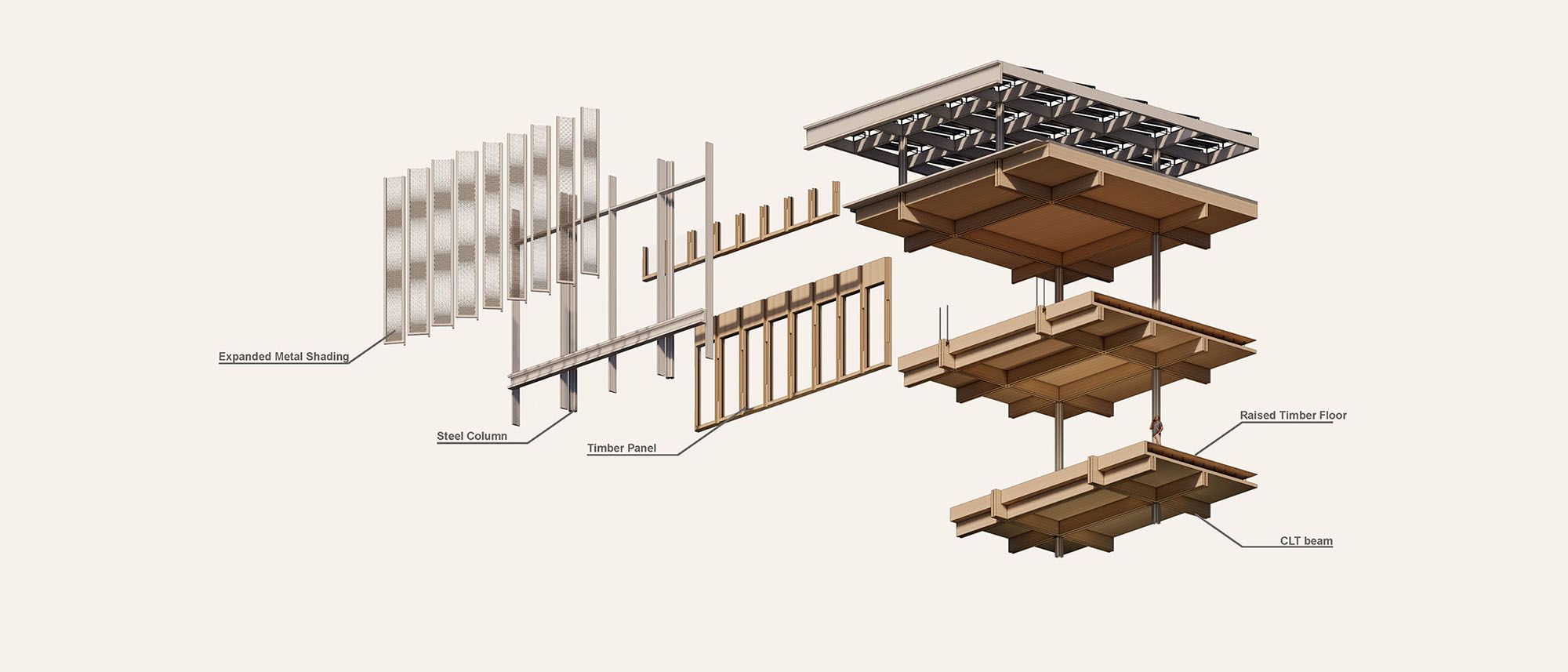
Layered Build-Up
The façade is composed as a layered assembly of expanded metal shading, steel louvres, timber posts and hybrid structural elements. Together, these components combine environmental performance, structural expression and material efficiency within a clear and integrated envelope system.
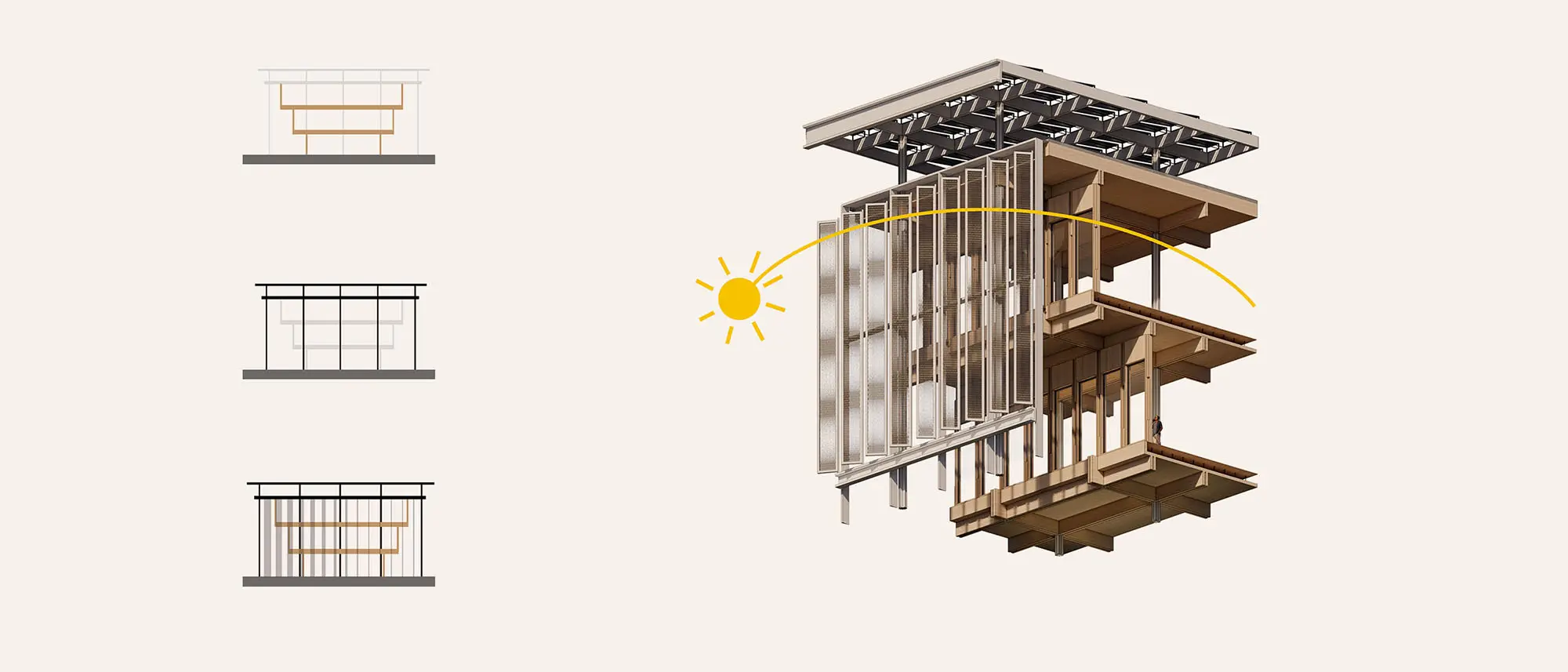
Passive and Active Envelope
The façade is designed to reduce solar gain and improve thermal performance through a combination of passive shading and active environmental systems. Together, these layers help regulate internal conditions, lower energy demand and support the building’s wider net-zero strategy.
Beyond Operational Carbon
The building’s timber and steel hybrid structure is designed to reduce embodied carbon while supporting a highly efficient and flexible civic workplace. By combining low-carbon materials such as CLT, with long-span structural performance, the project extends its sustainability ambitions beyond operational energy to address the full environmental impact of construction.
Box Within a Box
A dual-envelope approach defines the building, with an inner “box” containing the primary programme and an outer layer providing environmental protection. Together, these layers optimise energy performance while structuring the building as a clear and unified form.