The Collective Old Oak
London, UK
The world’s first large-scale co-living building, paving the way for a new model of city living that continues to evolve and flourish today.
Contractor
Mace
Project Manager
RISE Management Consulting
Planning
DP9
Accessibility
Access=Design
Landscape
Turkington Martin
Principal Design Advisor and Structural Engineering
WSP Group
About
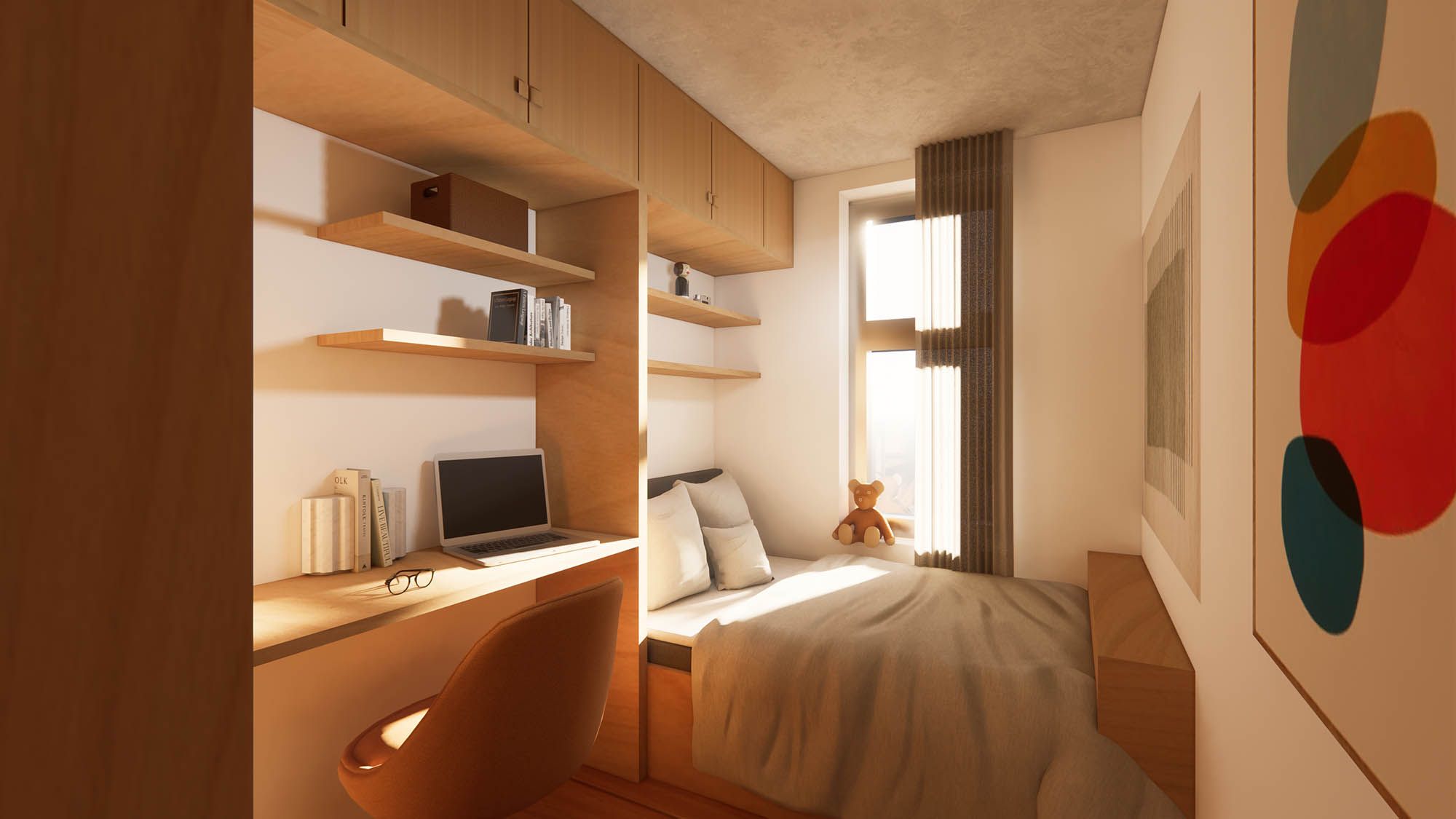
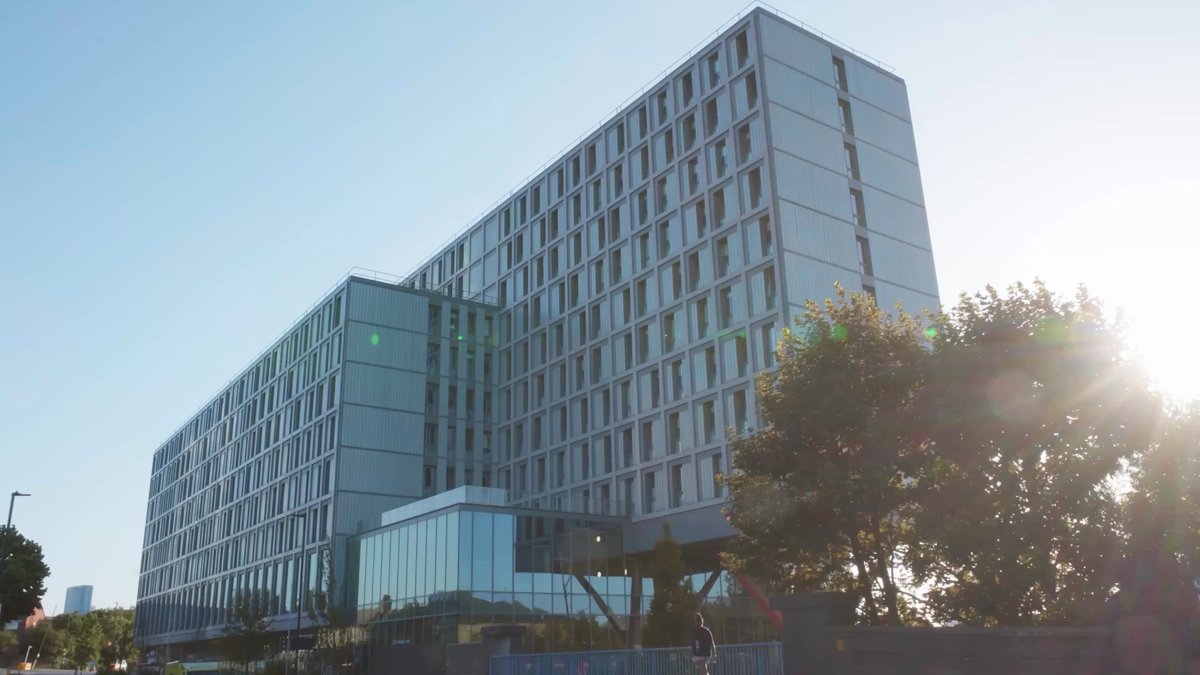
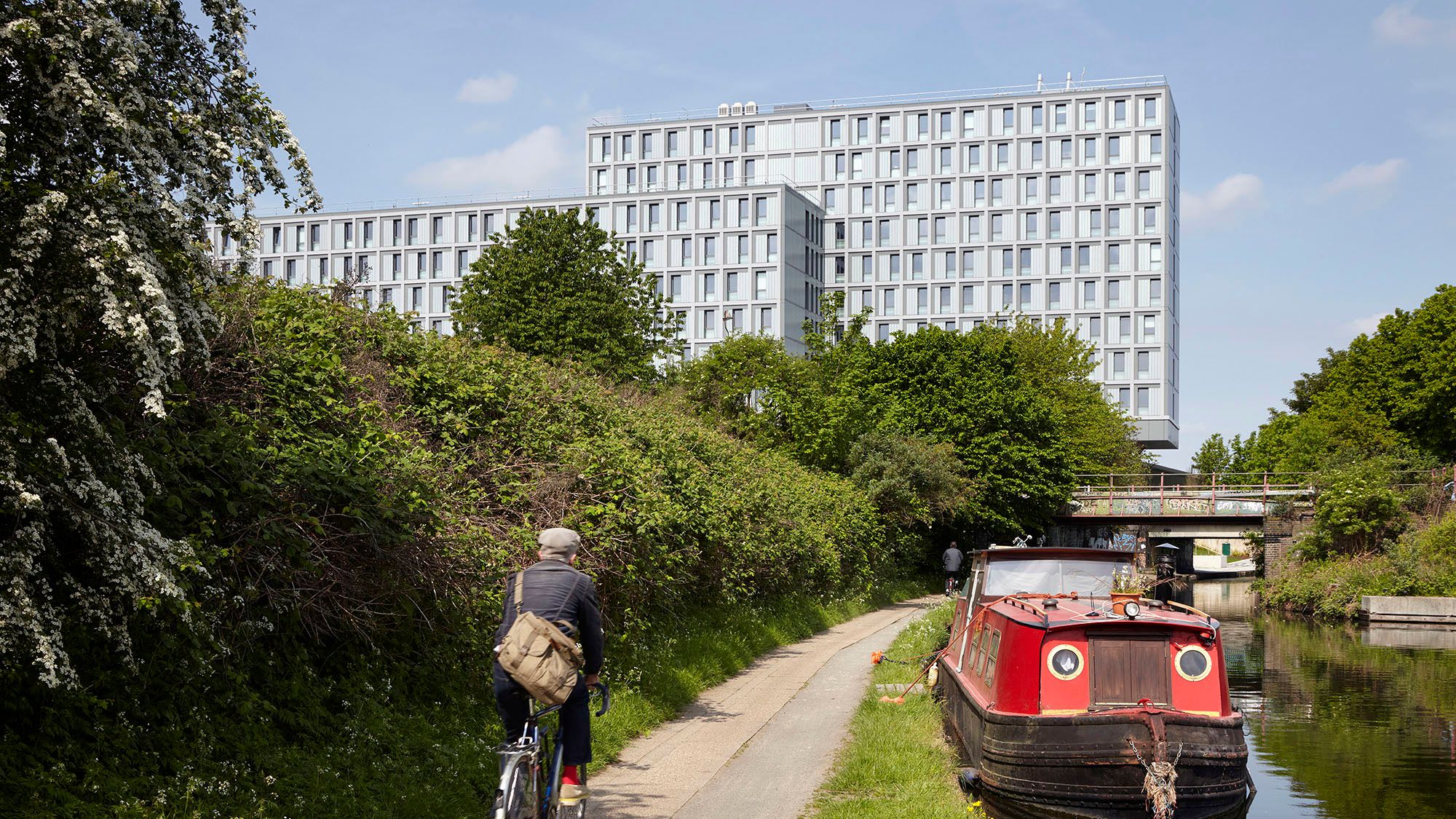
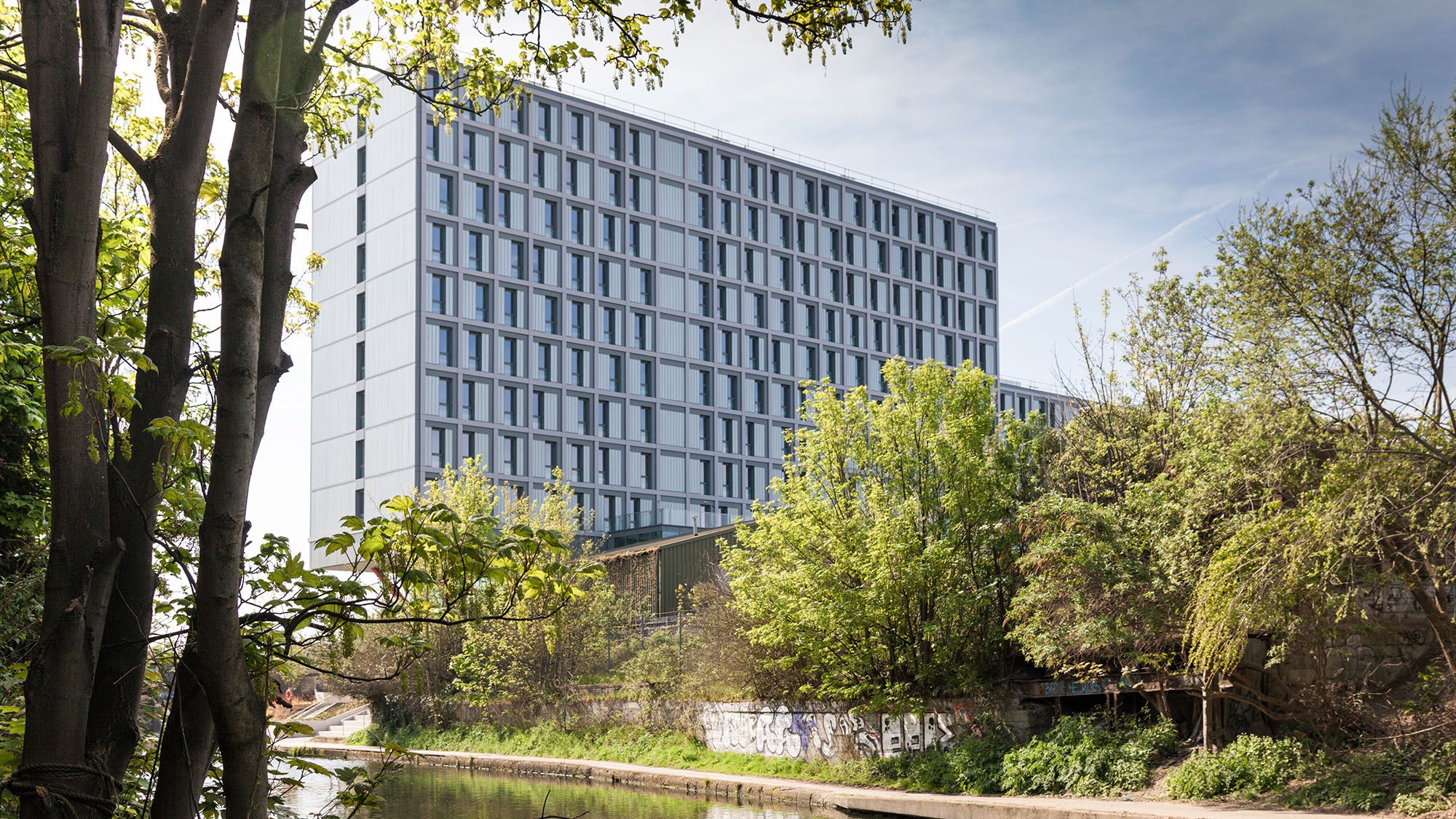
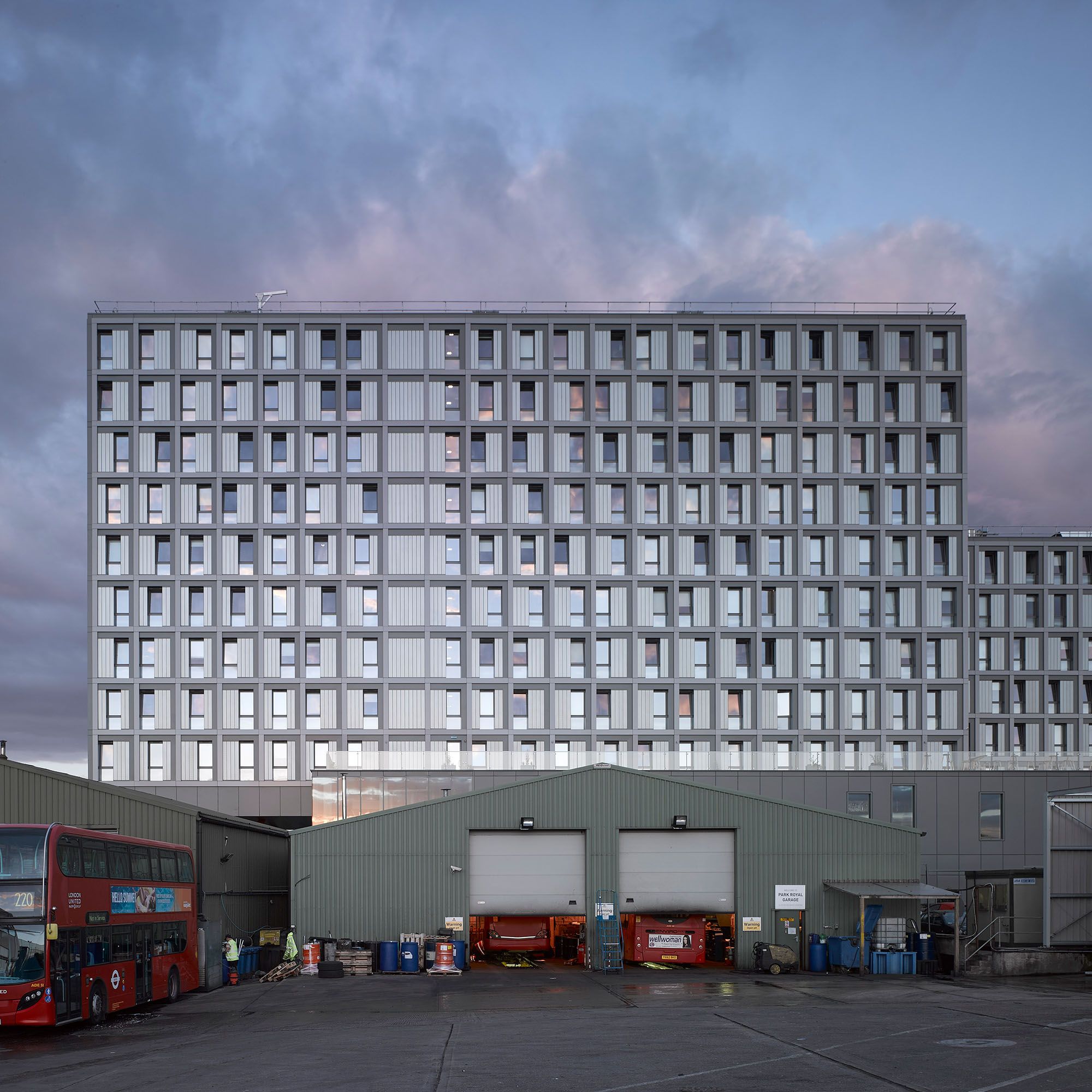
Developed in collaboration with start-up The Collective, the project reconsiders high-density housing as a way to foster connection, creativity and community, in response to growing concerns around loneliness and unaffordability in global cities. Located in West London, the 16,000m² building brings together 546 compact private rooms – each with an en-suite bathroom and kitchenette – alongside communal kitchens, lounges and curated shared amenities, all designed to support a more sociable, connected way of living.
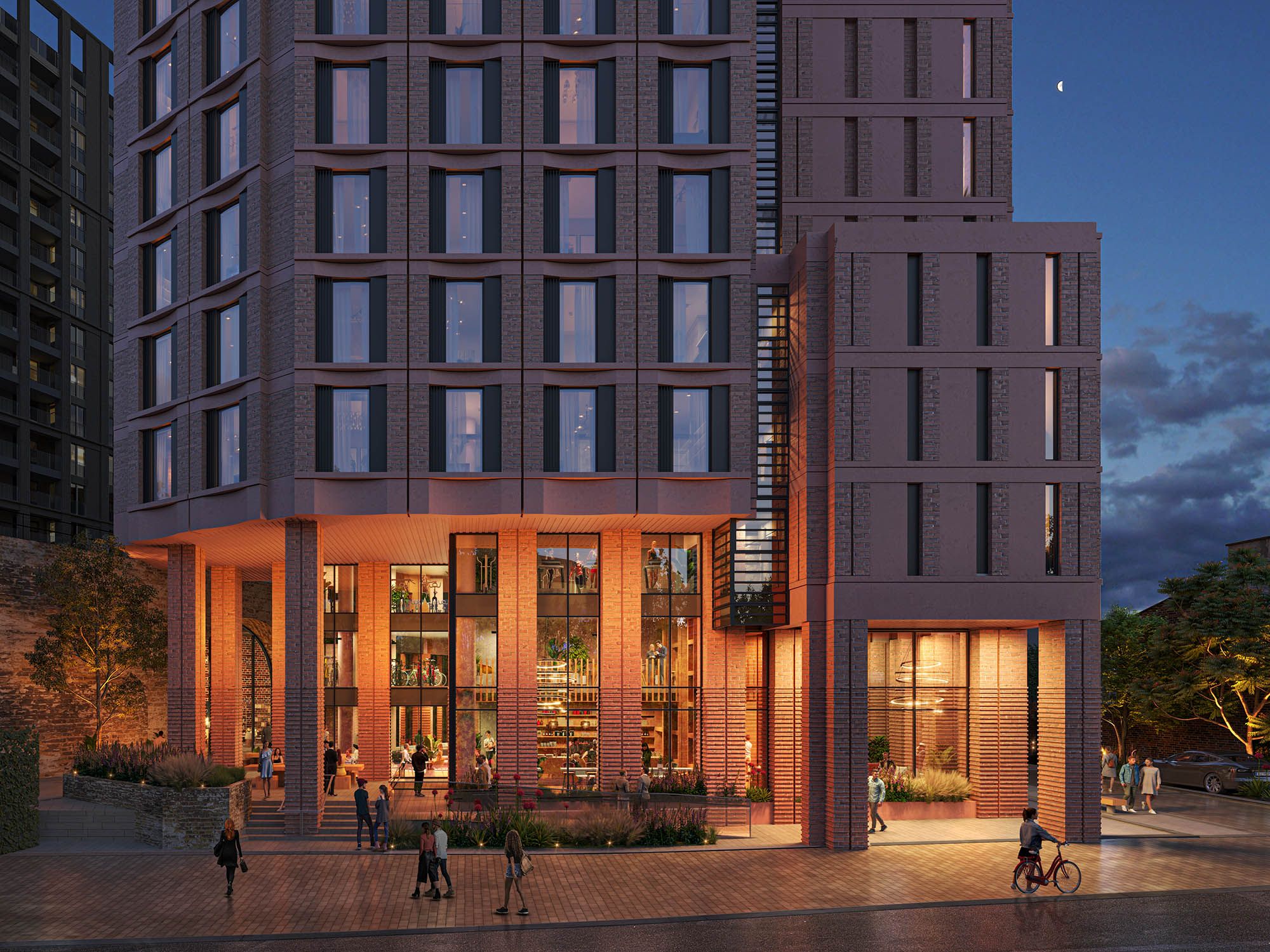
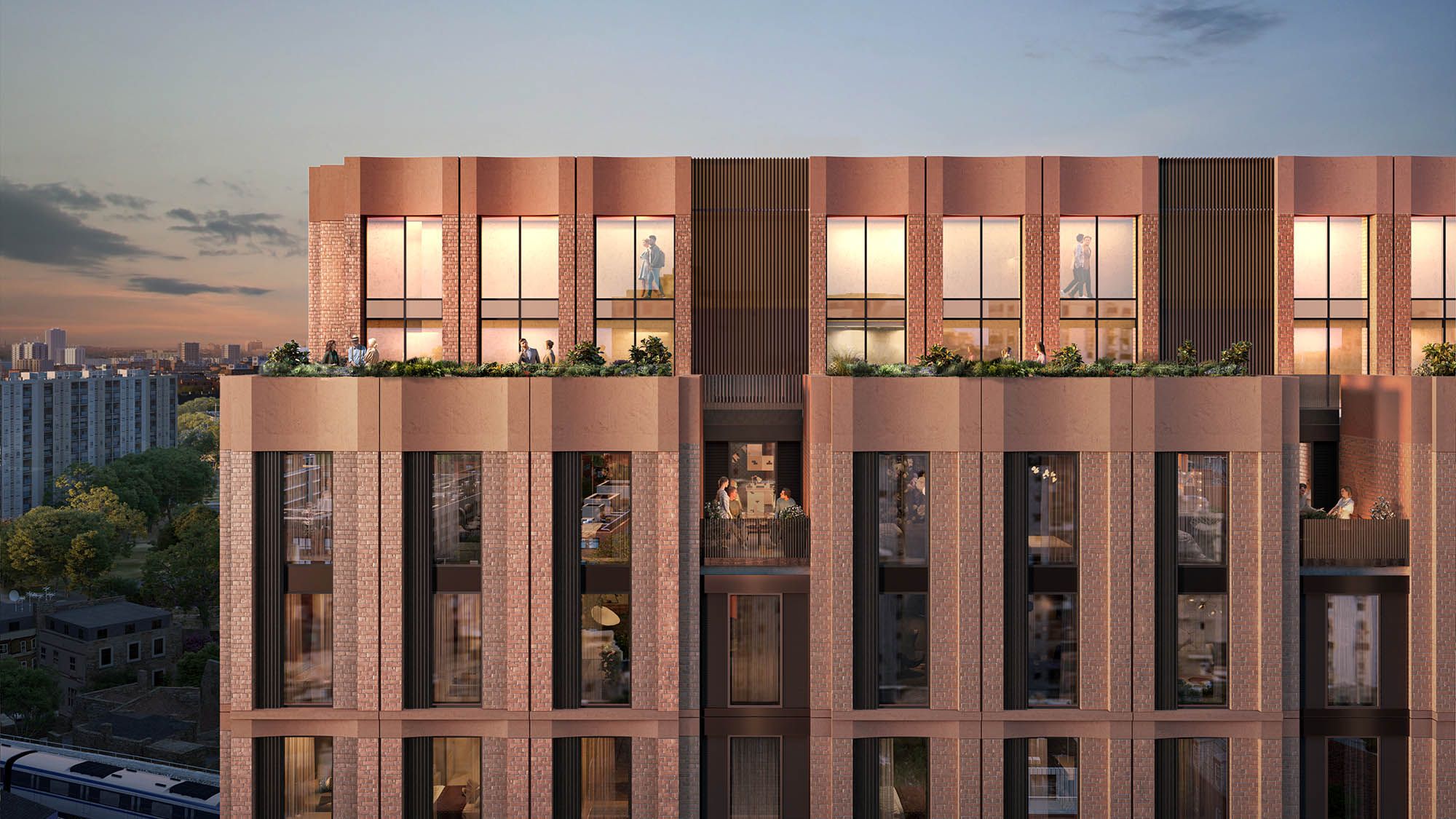
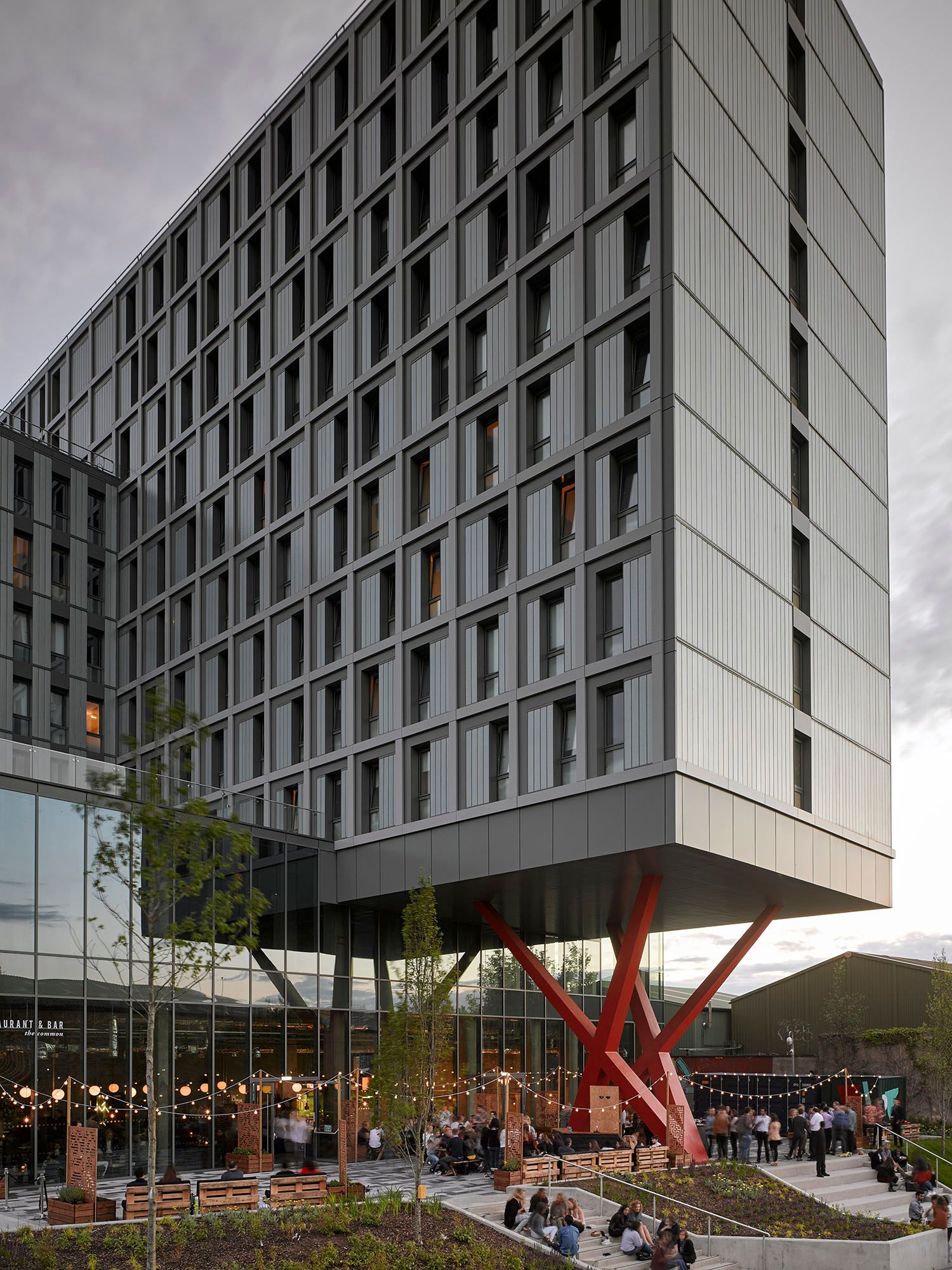
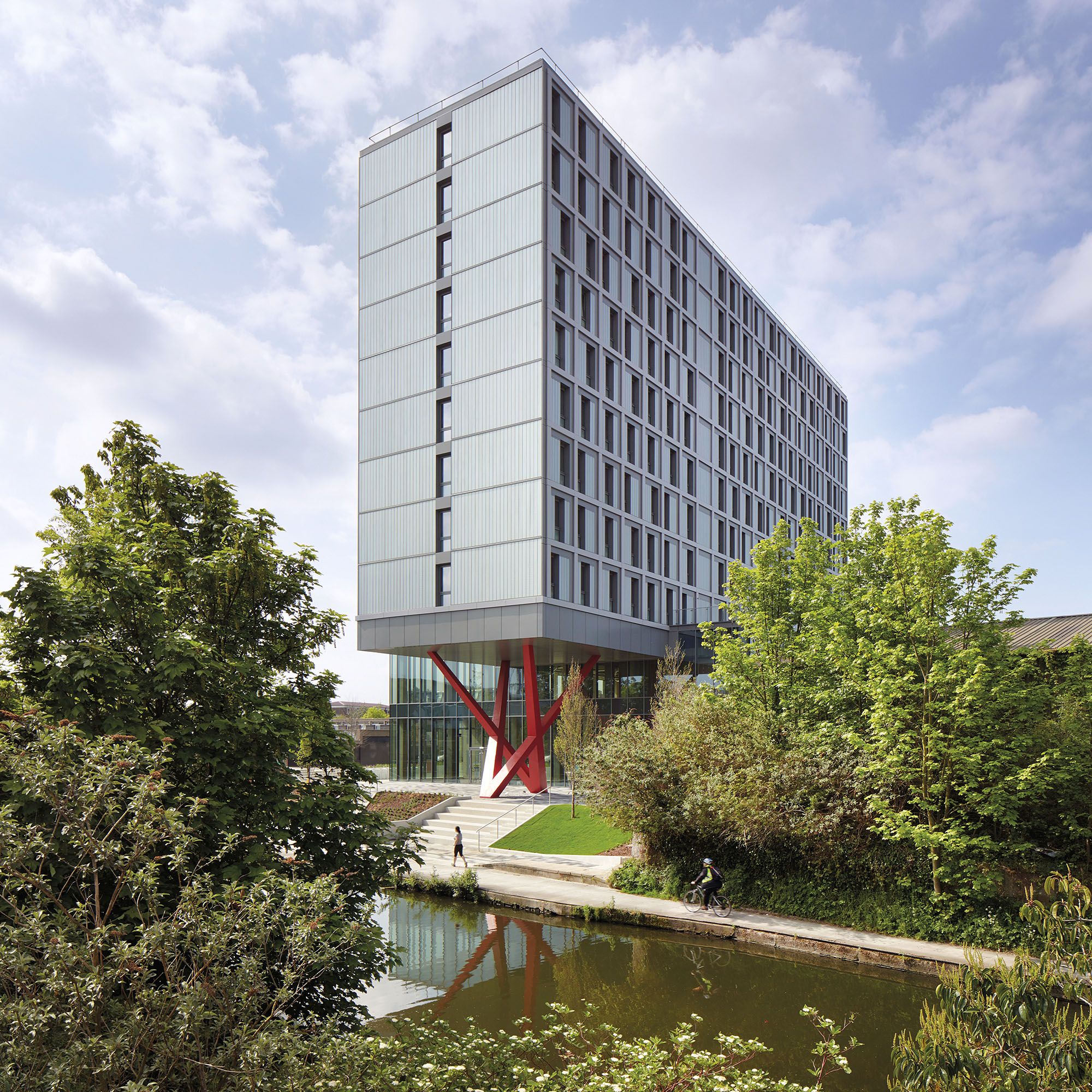
Anchoring two slim, overlapping volumes is a central core that houses the building’s social heart: a spa, cinema, library, co-working incubator and more. These spaces are layered across the building to encourage connection at every level, while clusters of kitchens, lounges and rooms support smaller 'villages’ and a sense of belonging. The lower floors host a co-working space, gym, restaurant, shop, communal areas and a public plaza that opens onto the Grand Union Canal.
Old Oak remains a key case study in how architecture can address the housing crisis and epidemic of loneliness – by creating homes that are affordable, adaptable and rooted in shared experience.
Awards
A New Model for Living
Developed in collaboration with start-up The Collective, the project reconsiders high-density housing as a way to foster connection, creativity and community, in response to growing concerns around loneliness and unaffordability in global cities. Located in West London, the 16,000m² building brings together 546 compact private rooms.
“The project rethinks residential living, exploring how density and shared space can create a stronger sense of community in the city.”
Shared environments
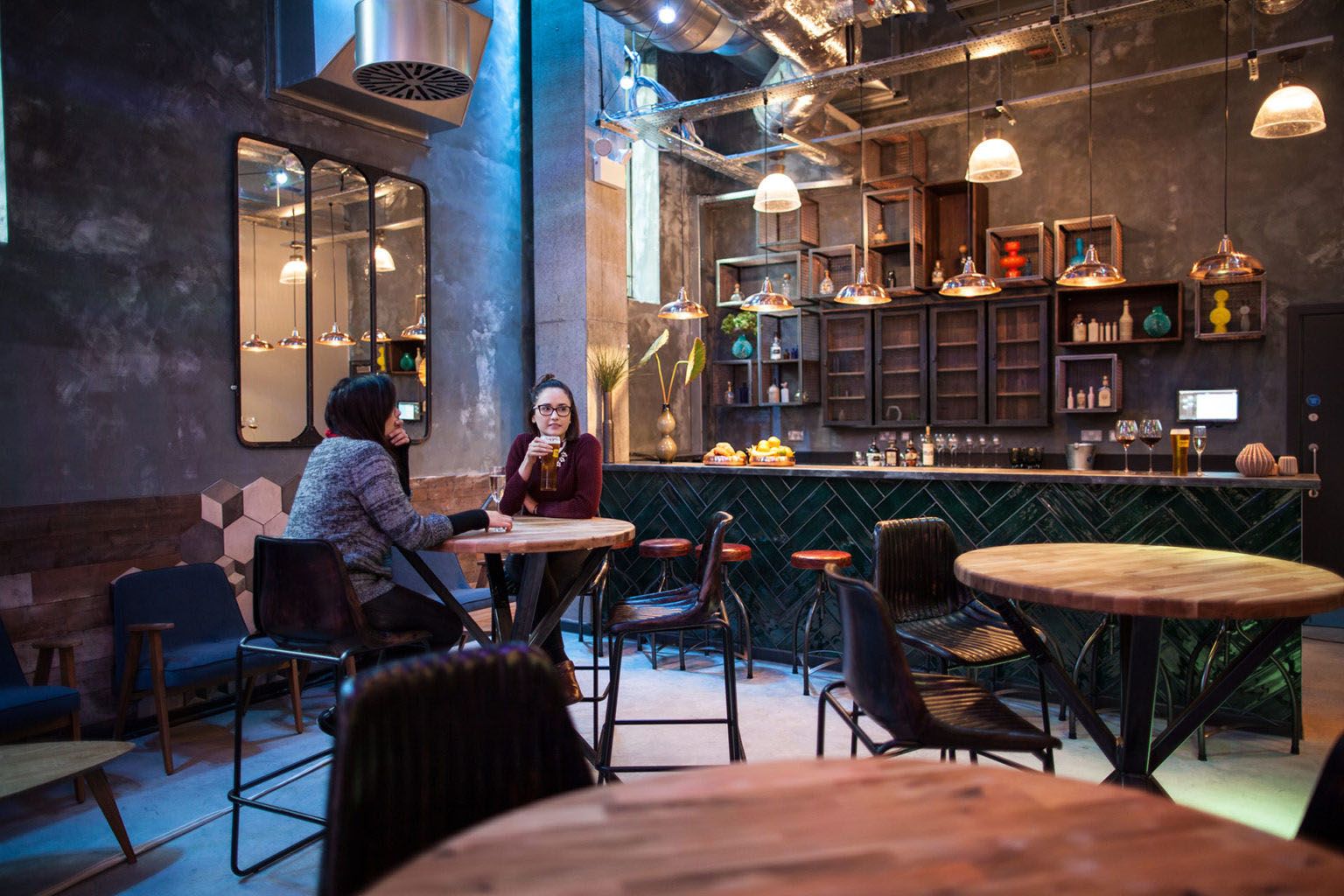
Shared kitchens, lounges and co-working spaces are distributed throughout the building, creating a network of communal environments that support interaction and daily exchange. These spaces allow residents to move easily between private living and collective experience within a single integrated environment.