A Guide to Symbiocene Design Launch
A Guide to Symbiocene Design Launch
What is the future of sustainability in the built environment?
There is a industry joke which goes something along the lines of how developers, particularly high-rise developers, never want to be first. They are all jostling around and vying for second place, only after the first project is deemed a success. This jest points to something deeper in the industry: favouring proven methods and expected outcomes. With high regulations and long-term projects there is little appetite for risk. Architects are never allowed to go for gold. As a result, change in the built environment is notoriously slow.
We experience the adverse impacts of this resistance when it comes to sustainability. The architecture industry has not nimbly shifted to novel methods even in the face of being deeply culpable for annual global carbon emissions and the worsening climate crisis. Instead, we seen a nearly 30 year gradual shift in attitudes. At first Green Architecture was a niche and technical endeavour. It takes another decade for BREEAM and LEED to become common place and sought after. The focus slowly transitioned from technical challenge to corporate responsibility. Environment, Social, and Governance (ESG) grew in popularity as the Paris Agreement is signed and the Sustainable Development Goals are launched. In the aftermath of the pandemic health and wellness come to the forefront as do different facets of sustainability like mobility and community. We have seen sustainability in the built environment slowly grow from a niche speciality to a measure of corporate accountability to now a measure of quality of life, and today we call it regenerative design.
The question hangs in the air, where do we go from here?
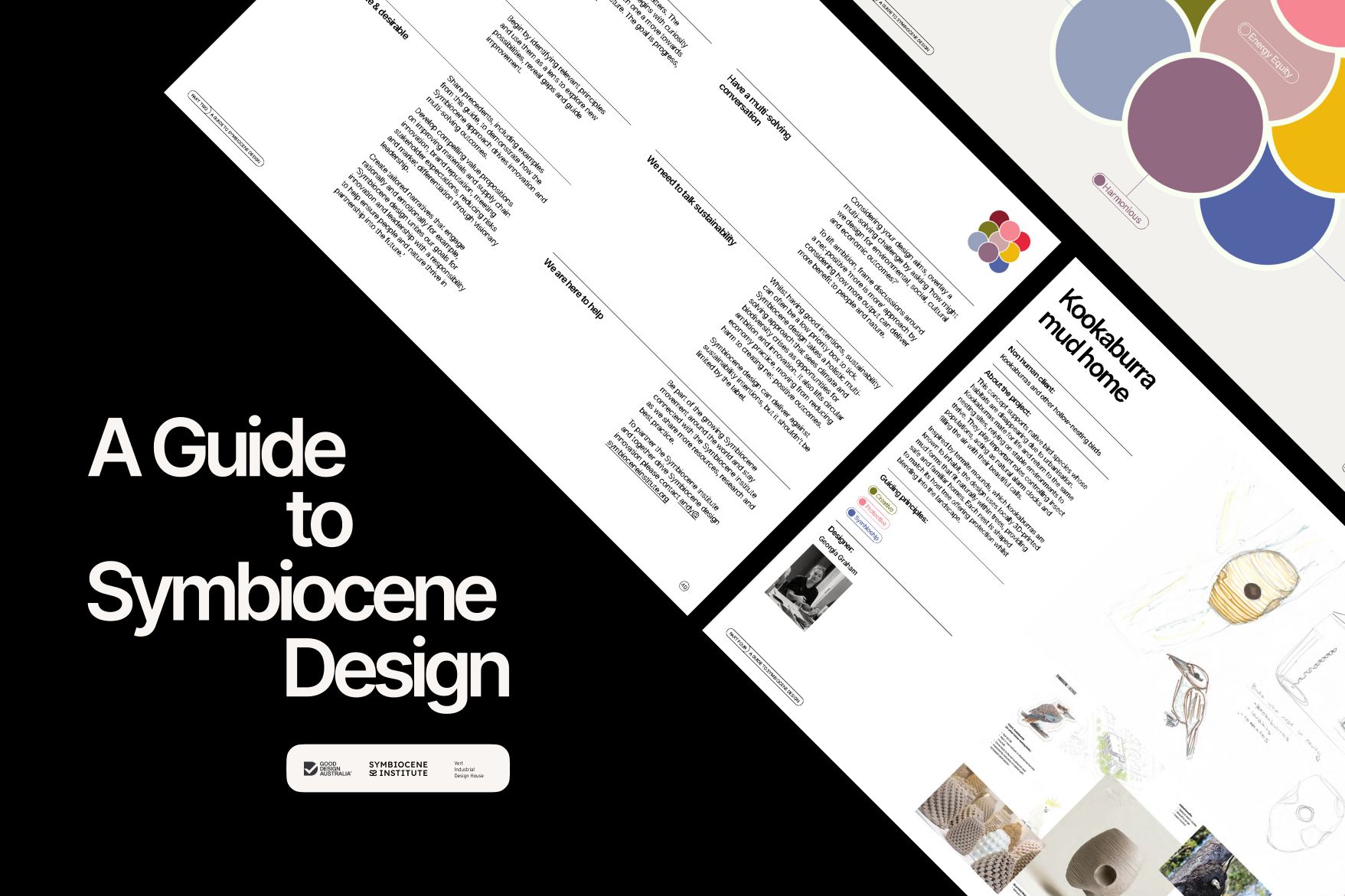
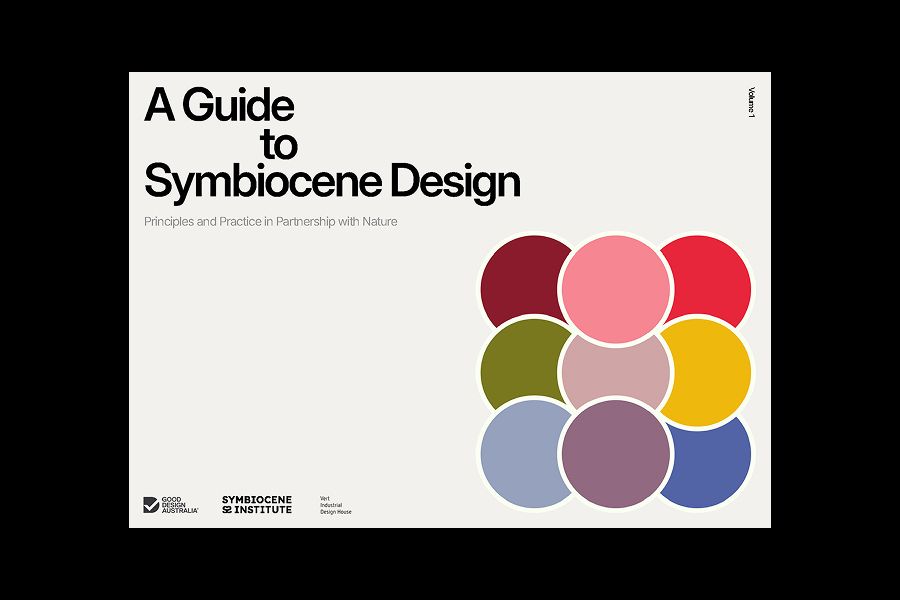
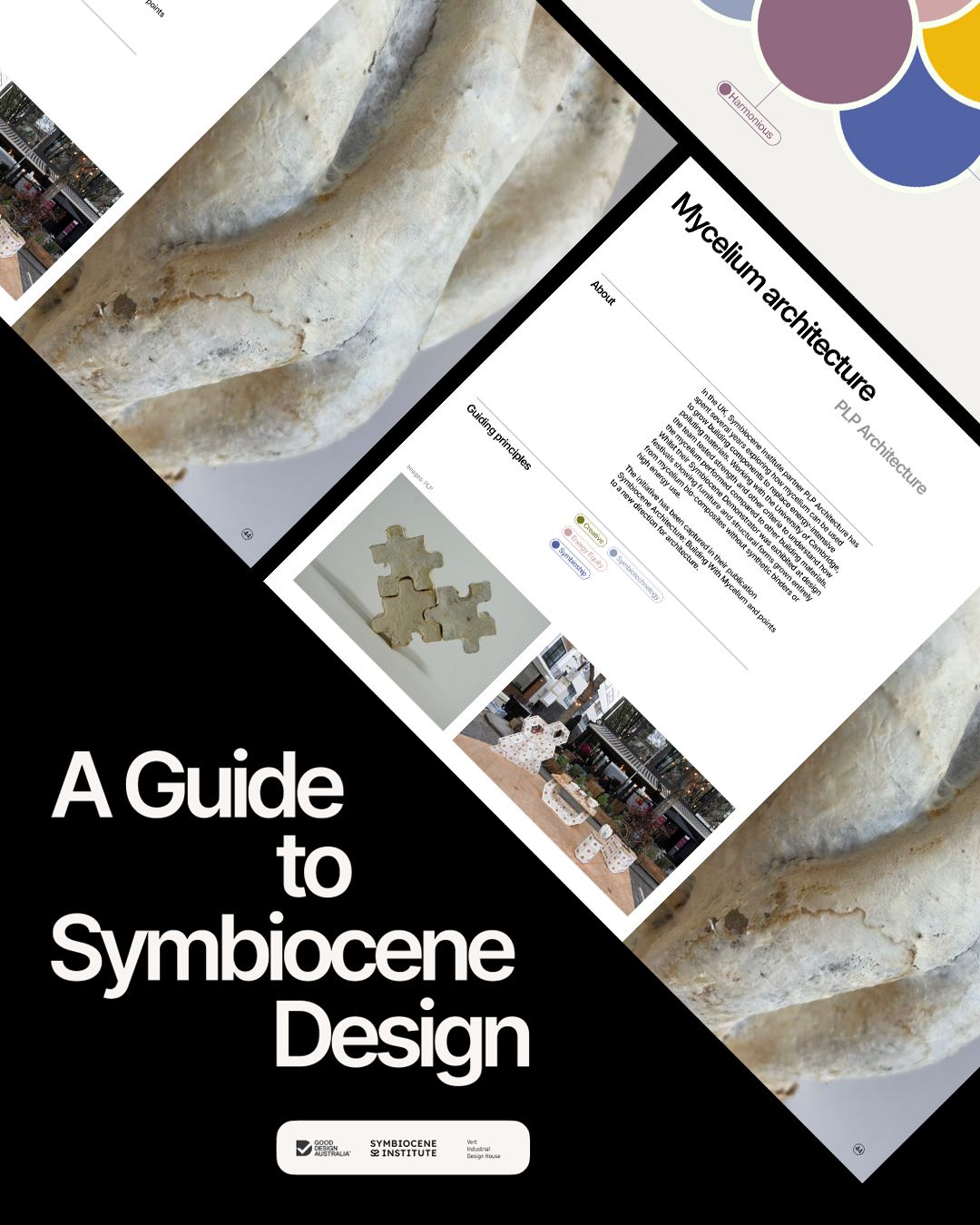
The signals in the industry point to the focus on human health transitioning into a care for planetary health. For instance, regenerative, circular, and nature-positive are rising in popularity. This type of holistic approach appears to be the next step as the climate crisis worsens and impacts all facets of life. However, we anticipate an even larger shift is required to create a working partnership between architecture and the planet. This is the shift the Symbiocene Institute is preparing for in their Guide to Symbiocene Design. Its framework takes a long-term view in providing principles that are readily applicable, emerging, and possible only after transformational shifts. By looking forward and outwardly, the Symbiocene offers a vision of communities, culture, economies, and technologies which are indivisible from the planet itself.